
Democratic Coalition Takes Legal Action Against Trump’s Mail-In Voting Directive
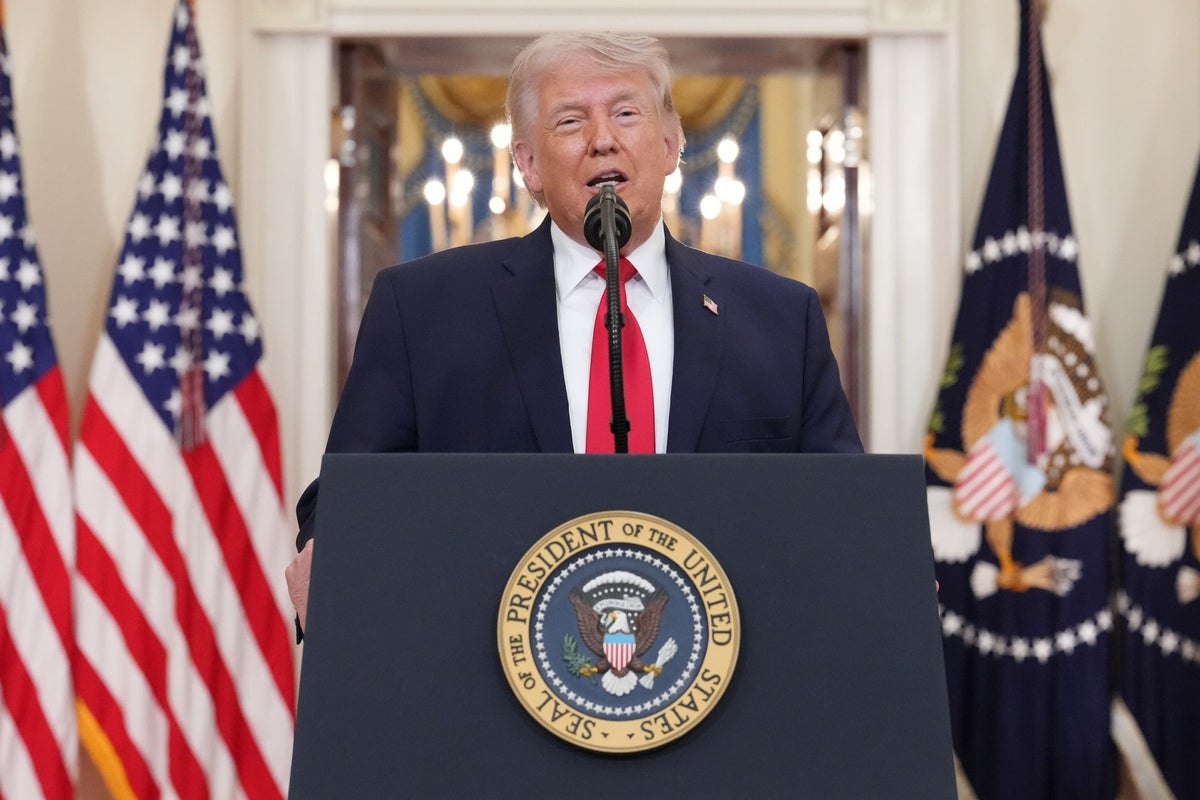
A coalition of prominent Democratic organizations filed a lawsuit against the Trump administration on Wednesday, aiming to dismantle an executive order that seeks to increase federal oversight of mail-in voting. This order includes provisions for compiling lists of U.S. citizens eligible to vote in each state.
The legal action, initiated in a federal court in Washington, D.C., marks the first significant challenge to the executive order signed by President Trump on Tuesday. Among the plaintiffs are the Democratic National Committee, the Democratic Governors Association, and two influential Democratic campaign organizations. Notably, Senate Minority Leader Chuck Schumer and House Minority Leader Hakeem Jeffries are also named as plaintiffs.
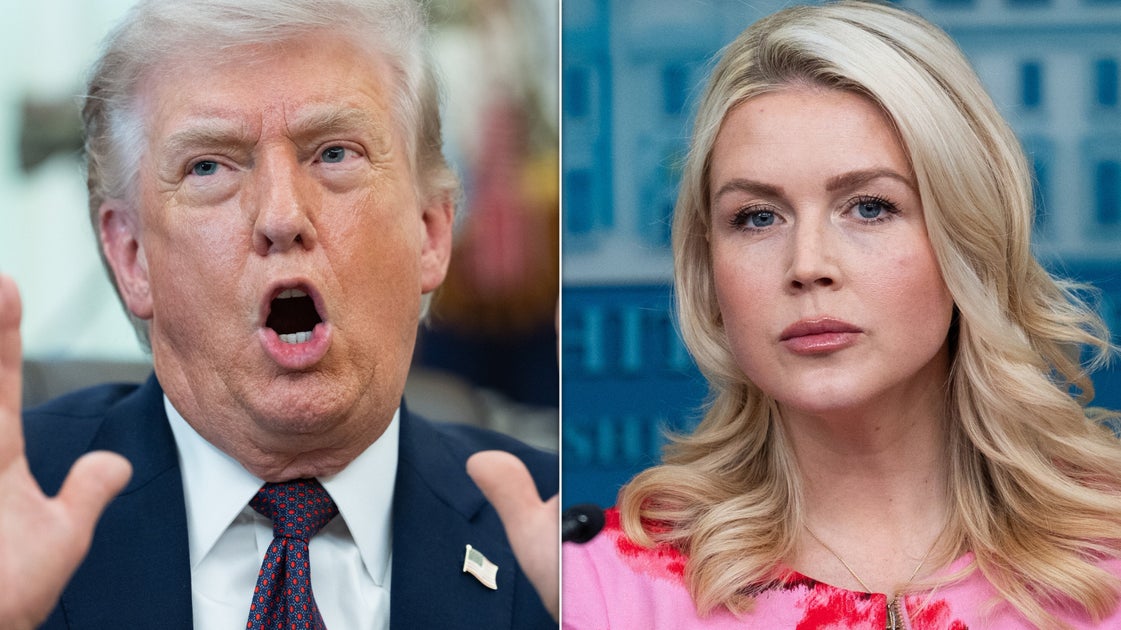
Under the directive, Secretary of Homeland Security Markwayne Mullin is tasked with assembling a list of eligible voters in every state, utilizing data from the Social Security Administration. Additionally, the U.S. Postal Service is instructed to send absentee ballots only to individuals listed on each state's federally sanctioned mail-in ballot roster.
According to a White House official, states that fail to comply with the executive order risk losing federal funding. However, the implications for eligible citizens omitted from these lists remain unclear.
The plaintiffs contend that the executive order infringes upon Congress and state authority to regulate elections, arguing that the Constitution does not grant the president direct control over federal election processes. They characterize the order as a maneuver by Trump to "rewrite election rules for his own perceived partisan advantage."
"Our Constitution's Framers anticipated this kind of desire for absolute power," the Democratic groups asserted in their 64-page complaint. "They recognized the menace it would pose to ordered liberty and the ways in which it would corrode self-government like an acid." The complaint emphasizes that this careful division of authority has withstood Trump's challenges.
The lawsuit describes the executive order as "convoluted and confusing," claiming it "dramatically restricts the ability of Americans to vote by mail, impinging on traditional state authority." Furthermore, it alleges that the order conflicts with numerous constitutional guarantees and other regulations governing elections.
Represented by attorney Marc Elias, the groups are seeking to have the executive order invalidated based on First, Fifth, and Tenth Amendment violations. The complaint also cites breaches of the separation of powers doctrine, along with violations of the Administrative Procedure Act, the Voting Rights Act, and other federal statutes.
Inquiries have been made to the White House regarding their stance on the lawsuit.
This executive order emerges as Trump has publicly urged Congress to impose restrictions on mail-in voting, which he claims—without substantiation—is plagued by fraud. He has called for lawmakers to endorse the SAVE Act, which would introduce proof-of-citizenship requirements aimed at preventing non-citizens from registering to vote, a scenario that is already exceedingly rare.
Last year, Trump enacted an executive order attempting to mandate proof-of-citizenship for federal mail voter registration forms. This directive also proposed withholding federal funds for elections from states that did not engage in information-sharing agreements related to election processes.
That previous order faced multiple legal challenges and was ultimately struck down in various courts. U.S. District Judge Colleen Kollar-Kotelly stated in her ruling that the president lacks authority to unilaterally alter federal election procedures.
"The first question presented in these consolidated cases is whether the President, acting unilaterally, may direct changes to federal election procedures," Kollar-Kotelly wrote. "Because our Constitution assigns responsibility for election regulation to the States and to Congress, this Court holds that the President lacks the authority to direct such changes."