Dr. Casey Means’ Surgeon General Bid Faces Stalemate as GOP Senators Express Concerns
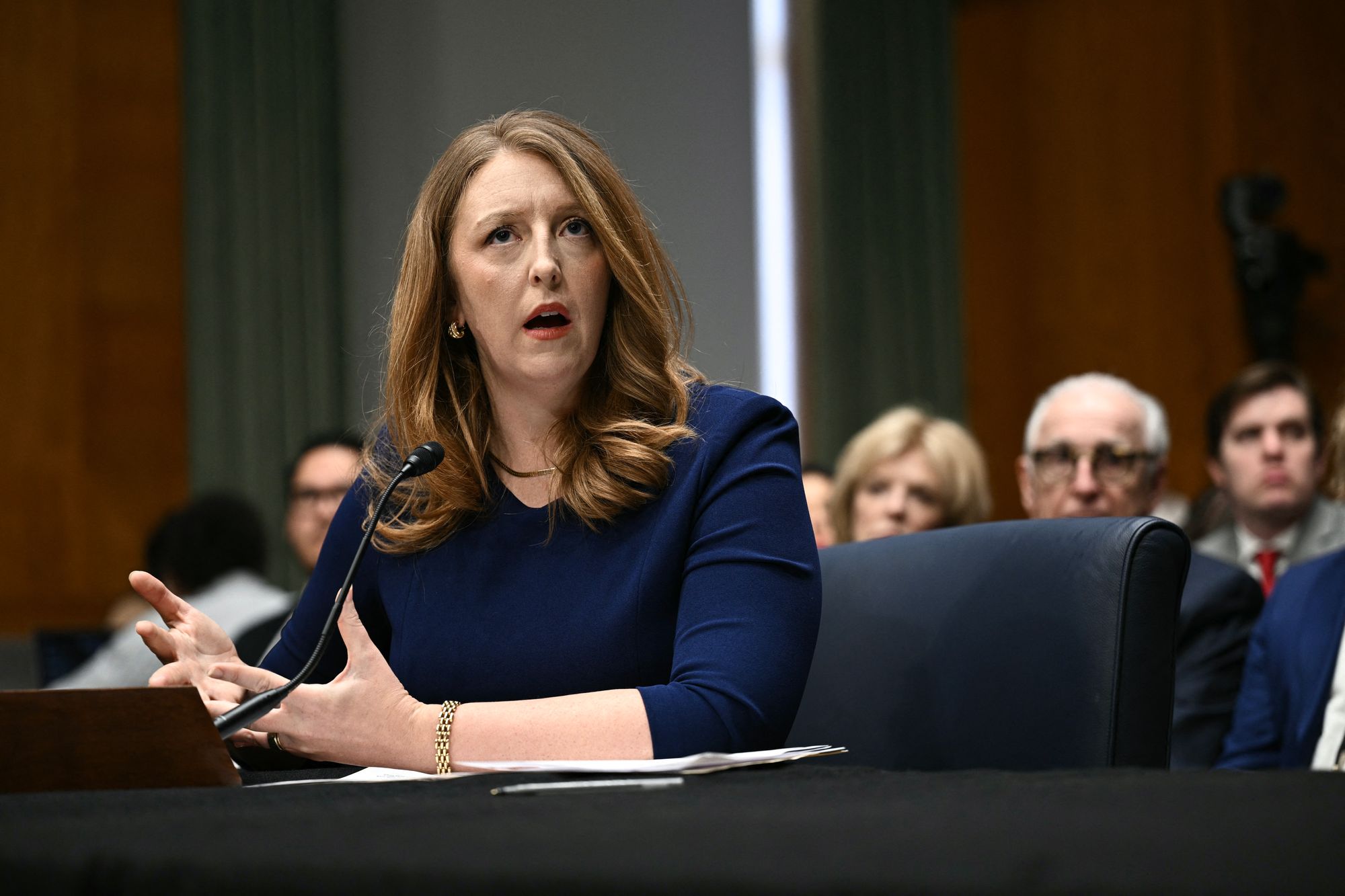
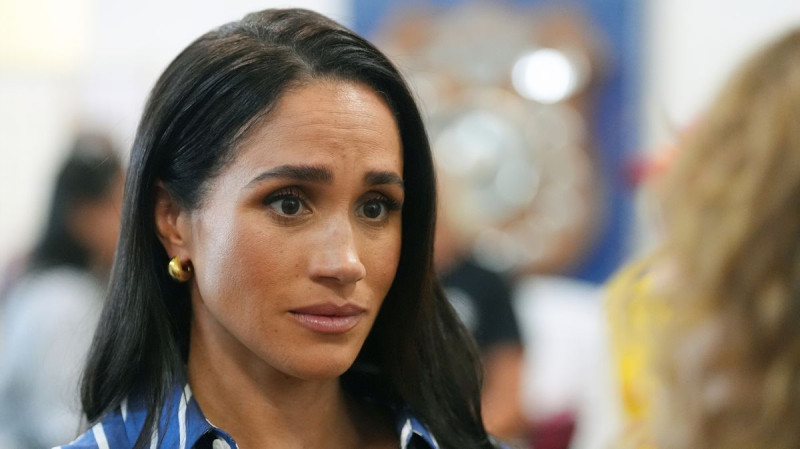
Dr. Casey Means' nomination to become the U.S. surgeon general has hit a snag, with skepticism from Republican senators following a contentious confirmation hearing that took place a month ago. During the hearing, senators from both parties scrutinized her views on vaccines and various health issues, raising questions about her qualifications for the role.
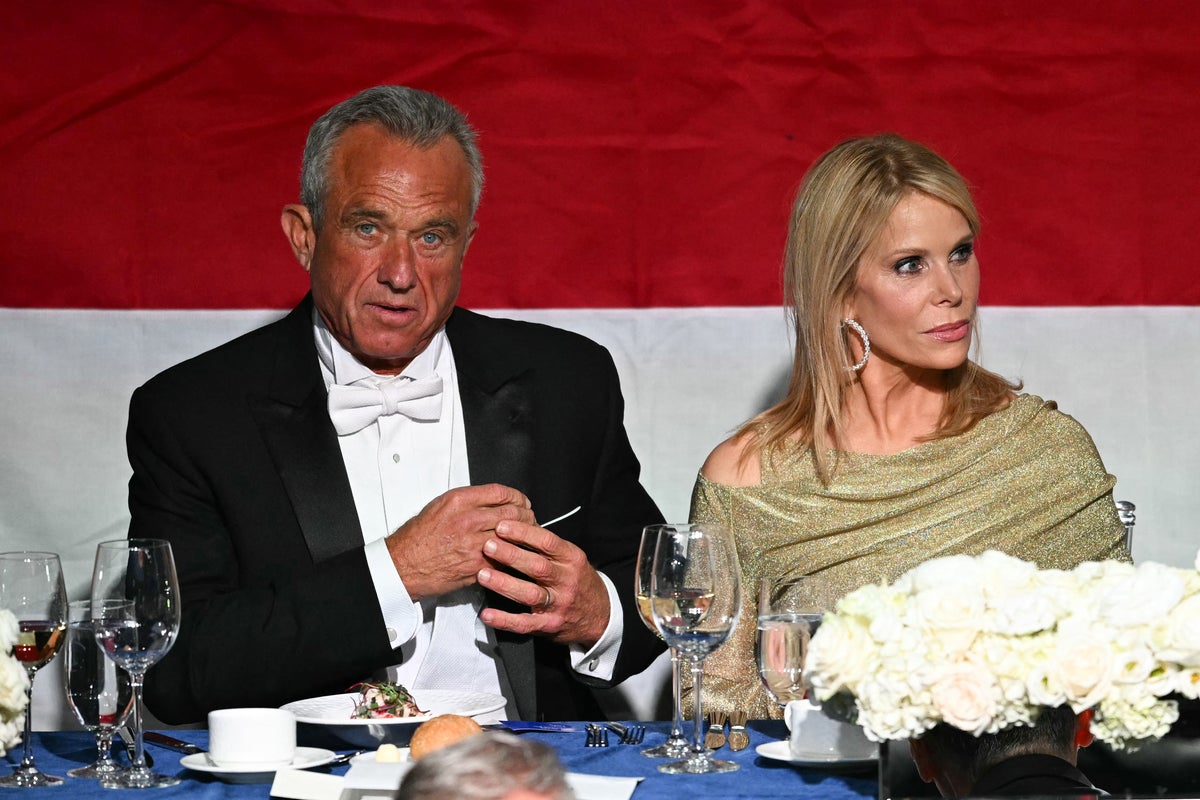
Despite the White House's ongoing efforts and support from "Make America Healthy Again" (MAHA) activists, the nomination remains stalled, reflecting deep-seated divisions over health policy. This situation complicates the agenda of Health Secretary Robert F. Kennedy Jr., who has faced two legal challenges recently.
At 38, Dr. Means, a Stanford-educated physician, opted out of completing her surgical residency, which has led to criticism regarding her experience and potential conflicts of interest. Her close ties to Secretary Kennedy, who advocates for a significant reduction in vaccine recommendations, further complicate her path to confirmation.
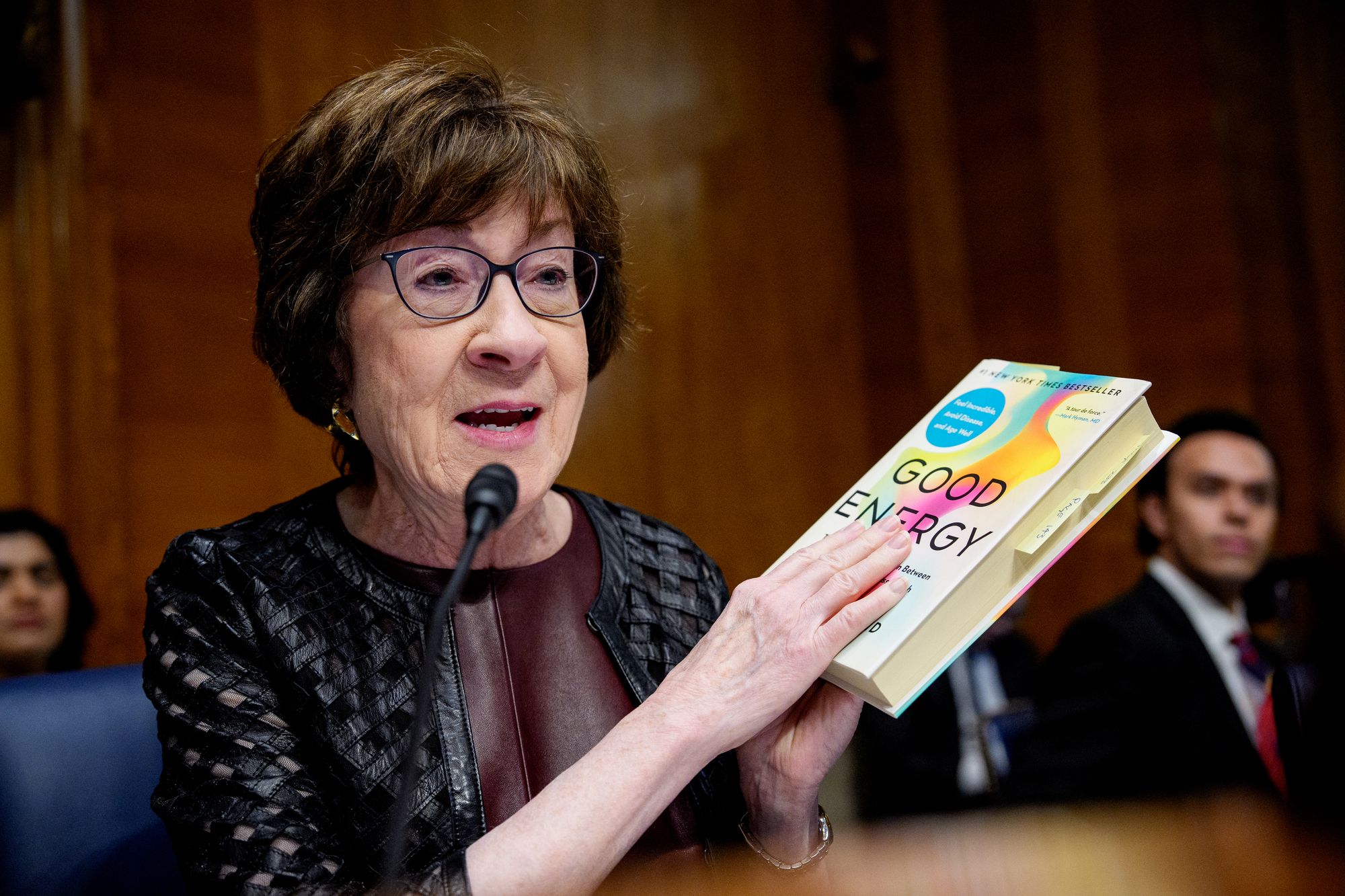
To move forward to a full Senate vote, Dr. Means needs unanimous support from Republican members of the Senate Health, Education, Labor and Pensions Committee. However, after last month’s hearing, key Republicans like Alaska Senator Lisa Murkowski and Maine Senator Susan Collins have expressed lingering doubts.
On Tuesday, Senator Murkowski reiterated her hesitations, stating she remains in "the same spot." Meanwhile, Senator Collins and committee chairman Senator Bill Cassidy, who rigorously questioned Dr. Means about vaccines during the hearing, did not respond to requests for comments regarding the delay.
White House spokesman Kush Desai emphasized that the Trump administration is engaged in "productive conversations with the Senate" to advance Dr. Means' nomination. He highlighted her "elite academic credentials" and advocacy for addressing America's chronic disease epidemic as vital assets for President Trump's health initiatives.
Andrew Nixon, a spokesperson for Kennedy, echoed this sentiment, praising Dr. Means for promoting healthier lifestyle choices over what he termed "sick care." The contentious nature of her confirmation hearing highlighted the challenges she faces; Dr. Means aligns with MAHA principles that suggest Americans are overmedicalized and that lifestyle changes are crucial in combating chronic diseases.
Critics have pointed out her inactive medical license and her occasional failure to disclose financial ties with brands she endorses. Additionally, her past comments on health issues have raised eyebrows.
During the hearing, senators pressed Dr. Means on her public communication strategies regarding vaccines. Senators Murkowski and Cassidy questioned her previous skepticism about the hepatitis B vaccine's birth dose. Although the CDC recently paused its recommendation for all children—a move later blocked by a federal judge—Dr. Means acknowledged the vaccine's significance while emphasizing parental discretion in consultation with healthcare providers.
Senator Cassidy also probed whether she would recommend vaccinations against flu and measles amid ongoing outbreaks. Dr. Means sidestepped a direct answer, instead underscoring the importance of informed consent. Senator Collins raised concerns about Dr. Means' previous advocacy for psychedelic mushrooms as a therapeutic option. While Dr. Means shared positive personal experiences, she clarified that she would not endorse psychedelics for the general public.
As Senators Murkowski and Collins remain undecided, MAHA activists have initiated a campaign urging supporters to contact these senators repeatedly. "Please call both of them. Call them time after time. Get your friends to call them," Tony Lyons, head of MAHA Action, instructed supporters earlier this month.
Conversely, opposition to Dr. Means' nomination has emerged from figures like Dr. Jerome Adams, who served as Surgeon General under President Trump. He has labeled her unqualified due to her inactive medical license and noted that some Republicans privately disapprove of her nomination but defer to Secretary Kennedy's authority.
"What I keep hearing from folks is, ‘This is what Bobby wants,’" Dr. Adams remarked.
While an active medical license is not legally required for the Surgeon General position, the U.S. Public Health Service Commissioned Corps expects its health professionals to maintain current licenses. Dr. Means testified that she voluntarily made her Oregon medical license inactive and that Adm. Brian Christine confirmed her eligibility for service.
Even if she clears the committee hurdle, gaining confirmation from the full Senate remains a daunting task. Republican Senator Thom Tillis of North Carolina indicated he is leaning against supporting her nomination.
"Her resume already puts me on alert — and then I don’t think she did herself any favors in the hearing," Senator Tillis commented.
The delay in Dr. Means’ confirmation process is notably prolonged; nearly 300 days have passed since her nomination in May—almost double the average duration for presidential nominees during Trump's second term. Data from the Partnership for Public Service shows that Trump's nominees typically took 157 days from nomination to confirmation within their first 400 days.
In contrast, some nominations have progressed swiftly; Markwayne Mullin was confirmed as the new Department of Homeland Security secretary within a week of his hearing.
One reason for Dr. Means' extended nomination timeline was the birth of her son last October, which coincided with her originally scheduled confirmation hearing. However, Chris Piper from the Partnership for Public Service noted that the length of time since her rescheduled hearing is also unusual, as candidates are often voted out of committee within a week post-hearing.
"A monthlong delay following a hearing is atypical for most nominations, particularly at this level," Piper concluded.