

Environmental Organizations File Lawsuit Against Trump Administration Over Gulf Drilling Project
On Monday, environmental organizations initiated legal action against the Trump administration, contesting its recent endorsement of BP's ultra deep-water drilling project in the Gulf of Mexico.
This lawsuit coincides with the 16th anniversary of the catastrophic Deepwater Horizon oil spill, which occurred 50 miles off Louisiana's coast, releasing 134 million gallons of crude oil into the ocean, resulting in 11 fatalities and extensive ecological damage.
In March, the administration greenlit BP's $5 billion Kaskida project, marking the company's first new oil field in the Gulf since 2010. BP claims the project could yield up to 80,000 barrels of crude oil daily.
Organizations including Healthy Gulf and the Center for Biological Diversity filed their complaint against the U.S. Interior Department and other officials, asserting that critical information was omitted from the approval process, raising doubts about BP's capability to conduct safe drilling at such depths.
“The Trump administration has teed up the entire Gulf region for a Deepwater Horizon sequel," stated Brettny Hardy, a senior attorney at Earthjustice, representing the plaintiffs.
Last year, several lawmakers urged the administration to reconsider its approval of the Kaskida project.
Interior spokesperson Charlotte Taylor refrained from commenting on the ongoing litigation but emphasized that “America sets the global standard for energy production,” asserting that the Kaskida project would unlock over 275 million barrels of previously unrecoverable oil.
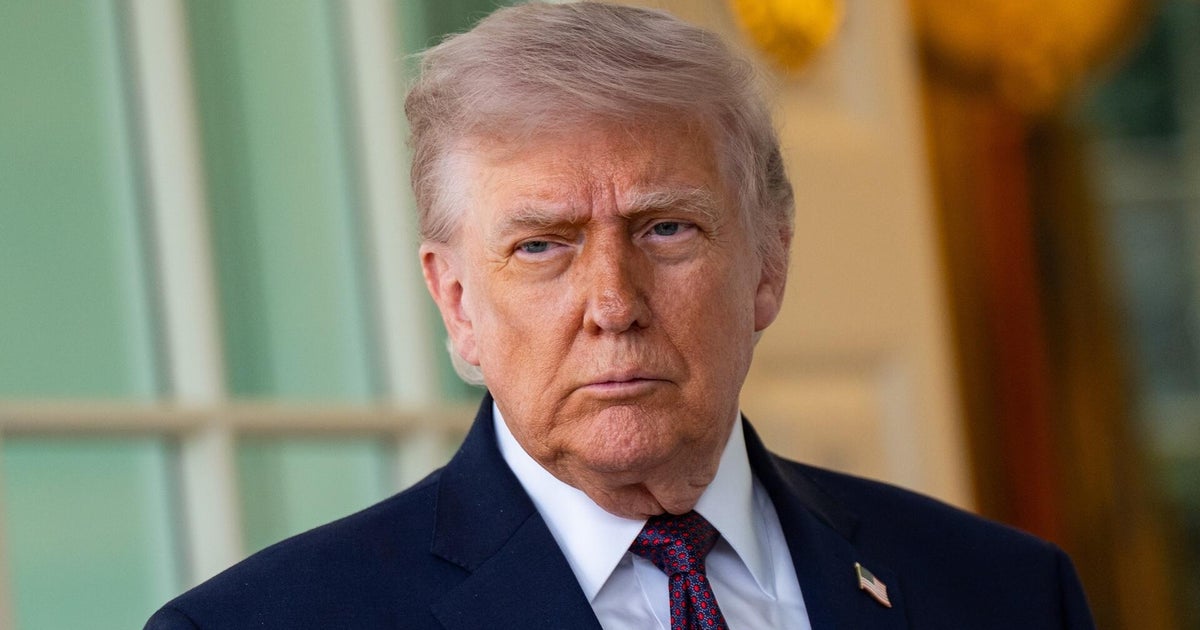
Increased fossil fuel production has been a hallmark of President Trump's second term, with his administration advocating for numerous rollbacks of regulations perceived as detrimental to the oil and gas sector.
The Gulf of Mexico is particularly significant to Trump, accounting for nearly 15% of U.S. crude oil production and approximately 2 million barrels daily.
Earlier this month, the administration announced a merger of the Bureau of Ocean Energy Management and Bureau of Safety and Environmental Enforcement into a new Marine Minerals Administration to streamline offshore drilling permits. This restructuring follows the separation of these agencies after the 2010 spill.
Additionally, last month, drilling in the Gulf was exempted from the Endangered Species Act due to national security considerations.
These regulatory changes come amid rising energy prices and global oil market instability linked to geopolitical tensions.
BP America spokesperson Paul Takahashi remarked that Deepwater Horizon profoundly impacted the company. He expressed confidence in their Kaskida development plan, asserting it adheres to U.S. regulations and industry standards.
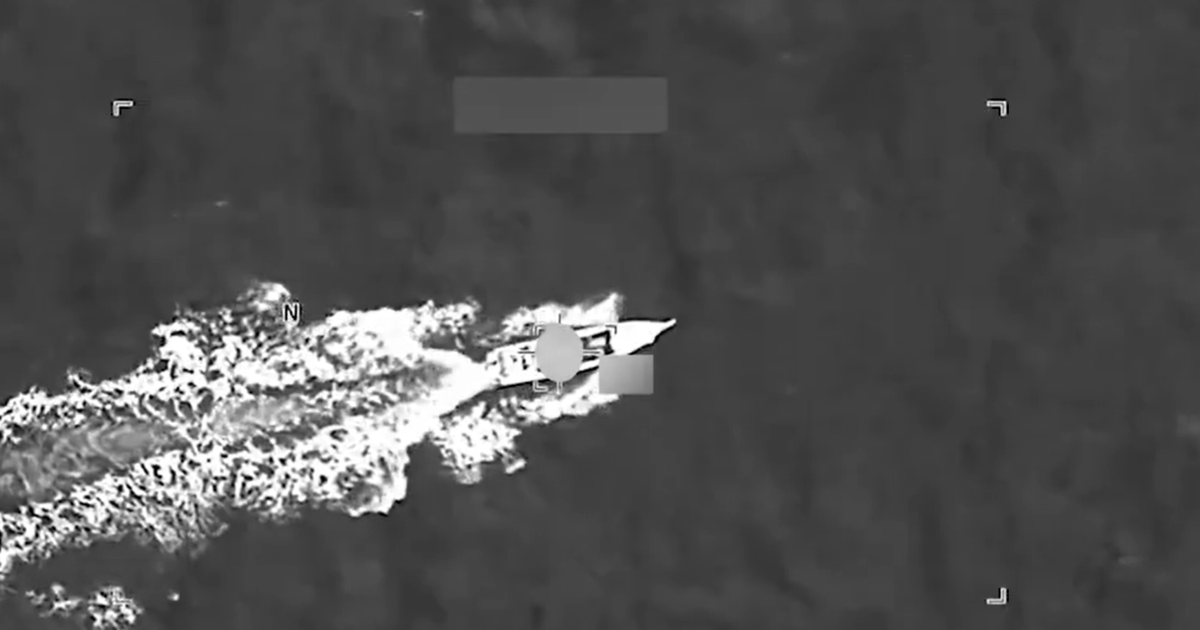
Just last month, a significant oil spill in the Gulf extended over 373 miles and affected seven nature reserves, contaminating multiple species and releasing 800 tons of hydrocarbon waste into marine environments.
Many of Trump's recent actions have reversed former President Biden's initiatives aimed at prohibiting new offshore drilling in most U.S. coastal waters.