

Eric Swalwell's Downfall Shakes Up California's Governor Race, Boosting Katie Porter
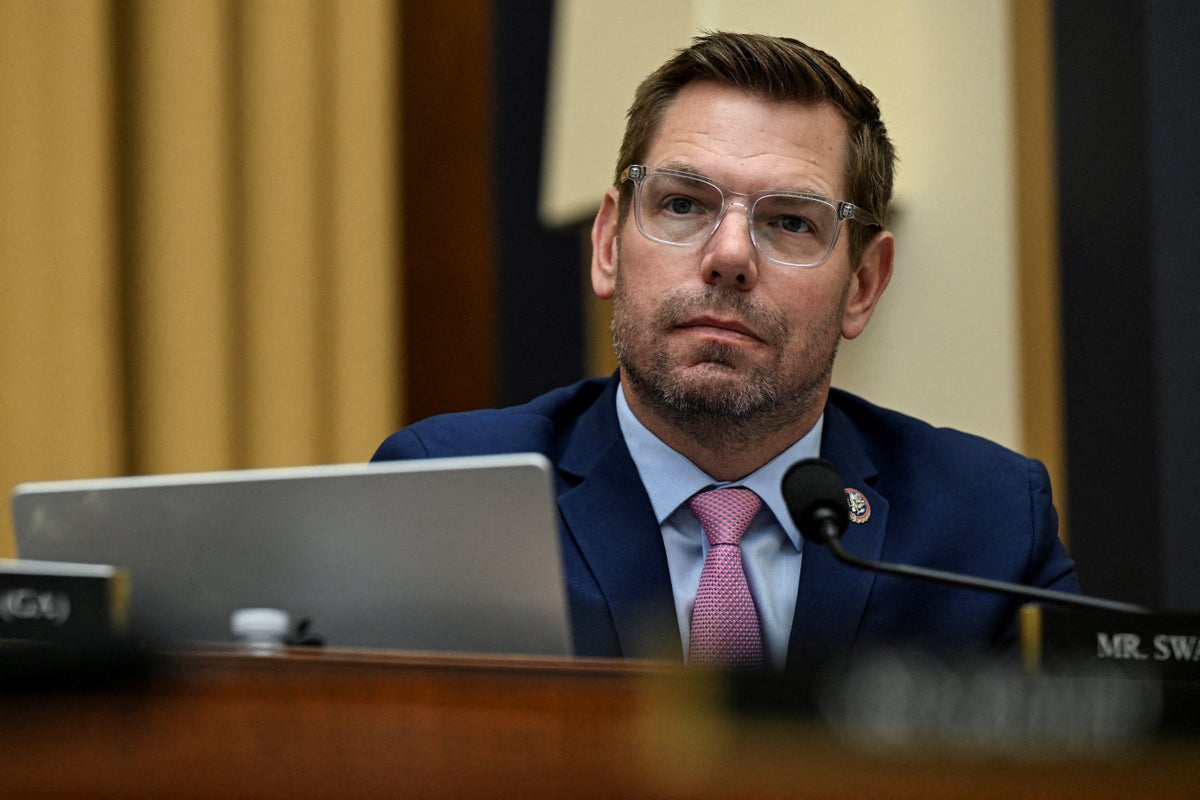
Eric Swalwell's abrupt departure from the gubernatorial race has sent shockwaves through California's political landscape, reshaping the 2026 governor's contest and igniting a scramble for his supporters. The fallout from allegations of sexual misconduct against Swalwell, including a serious claim of drugging and rape, has left the Democratic Party grappling with concerns over a potentially fragmented primary that could favor Republican candidates.
Swalwell suspended his campaign and resigned from Congress amid these serious accusations, which he has denied. The immediate aftermath has raised a pressing question among Democrats: who stands to gain from this upheaval?
Initial reports indicate that former Representative Katie Porter is poised to be the primary beneficiary. A recent survey highlighted that 39% of Swalwell's supporters view Porter as their second choice, significantly outpacing other Democratic contenders. Tom Steyer follows with 15%, positioning him as another potential winner as political operatives and donors seek new alliances.
However, Porter's path to success is not guaranteed. The race remains crowded and unpredictable, with over 50 candidates vying for attention and no clear frontrunner emerging. Key figures still in the running include Porter, Steyer, and Antonio Villaraigosa, while the Republican side is divided mainly between Steve Hilton and Riverside County Sheriff Chad Bianco. California's top-two primary system raises alarms among Democrats, who fear that a split vote on the center-left could allow two Republicans to advance to the general election.
In this context, the Republican field may inadvertently benefit from Swalwell's downfall. His exit not only removed a prominent Democrat but also highlighted an ongoing issue within the party: an overcrowded candidate pool lacking consensus on a leading figure. San Diego County Democratic Party Chair Will Rodriguez-Kennedy has publicly urged fellow Democrats to consider dropping out, cautioning that fragmentation could inadvertently aid GOP candidates.
Additionally, there are quieter shifts occurring within the race. Xavier Becerra's campaign is reportedly gaining momentum, while San Jose Mayor Matt Mahan has attracted new financial support as donors reassess their options following Swalwell's exit. Labor organizations and major endorsers that previously backed Swalwell are now reevaluating their commitments, suggesting that the dynamics of support could change rapidly.
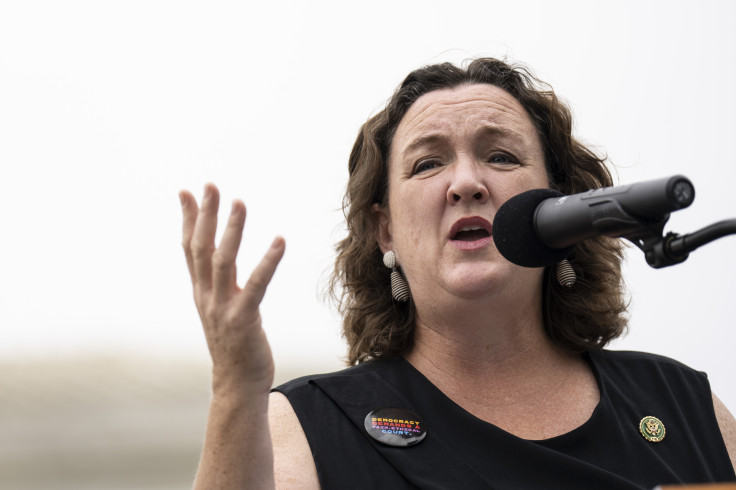
At this moment, Porter appears to be in the strongest position to leverage this political upheaval. With significant name recognition and a solid statewide profile, she currently holds the largest share of Swalwell's former supporters. Steyer may also benefit from this reshuffle, particularly among donors and officials seeking a candidate with substantial resources and organizational capabilities.
The landscape of the race has undoubtedly shifted, but not in a straightforward manner. Swalwell's fall has intensified competition rather than establishing a clear frontrunner. The emerging winners seem to be Porter, Steyer, and potentially Republican candidates who hope to capitalize on Democratic divisions. The identifiable losers include Swalwell himself and a California Democratic Party that now faces even greater challenges in maintaining unity.
© 2025 Latin Times. All rights reserved. Do not reproduce without permission.