


Florida Legislators Approve Redistricting Map That May Enable GOP to Seize 4 House Seats
TALLAHASSEE, Fla. — A new congressional map has been greenlit by Florida lawmakers, potentially paving the way for Republicans to capture four additional U.S. House seats in the forthcoming midterm elections.
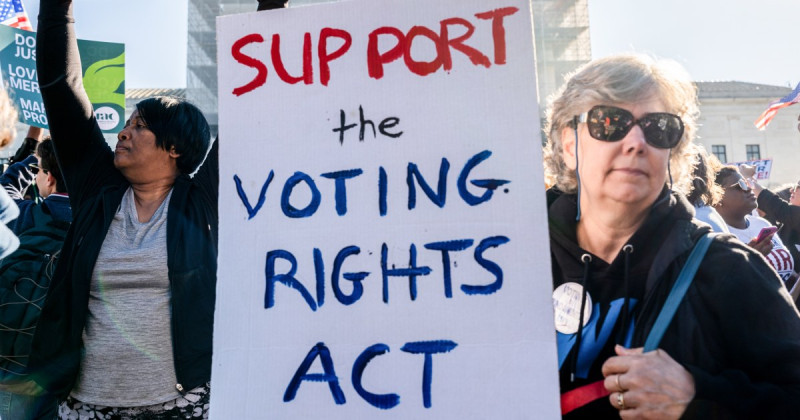
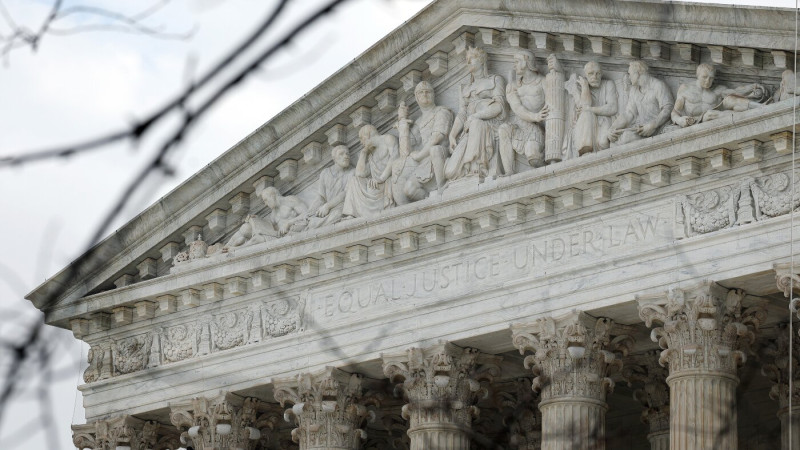
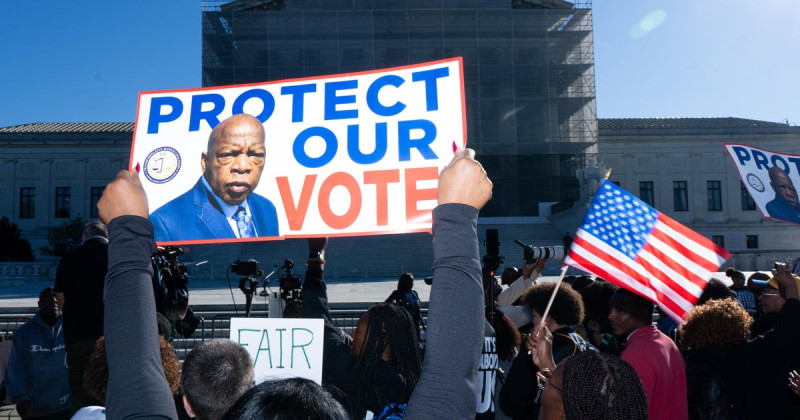
The Senate's final vote, which passed 21-17, occurred shortly after the U.S. Supreme Court's ruling that weakened the Voting Rights Act regarding a Louisiana congressional district.
This dual development aligns with President Trump's national strategy aimed at bolstering GOP prospects in the midterms. The redistricting in Florida is expected to provide Republicans with an edge, likely translating into two or three new seats as states led by the GOP respond to Trump's directives while Democratic states counteract.
However, the ultimate control of the House hinges on voter turnout in November. Democrats argue that the redrawn map makes several Republican-held seats more competitive, suggesting that strong Democratic performances in recent special elections could mitigate potential GOP gains.
The bill is now poised for Governor Ron DeSantis' signature. He contends that Florida's rapid population growth necessitates redistricting and has advocated for districts that consider the voting power of minority communities.
DeSantis had anticipated the Supreme Court's decision would facilitate redistricting efforts in Florida. Following the ruling, he remarked on social media that it "invalidates" a state constitutional ban on districts that undermine "the equal opportunity of racial or language minorities to participate in the political process."

His office has also unveiled a color-coded map illustrating the partisan implications of the new districts. Currently, Florida has 28 congressional districts, with 20 leaning Republican; the new configuration is projected to increase that number to 24.
Democrats have labeled the redistricting as politically motivated, claiming it violates a constitutional amendment passed by Florida voters in 2010 aimed at protecting minority access and prohibiting gerrymandering.
"Let's not pretend this is happening in a vacuum," stated state Senator Lavon Bracy Davis. "This is about power. This is about relinquishing our power and giving it to the president."
Florida Democratic Party Chair Nikki Fried announced plans to challenge the map legally. "We are ready to not only challenge these maps with support from all of our Democratic coalition partners here in the state of Florida; across the country, the nation is watching what has happened here in the state of Florida, that democracy has fallen here in our state," she asserted.
The new congressional map may remain intact for the midterms due to legal precedents that discourage altering election laws close to an election to avoid confusion. With Florida's primaries scheduled for August, timing is critical.
"You have to have the primary. You have to have the ballots printed. You have to know what candidates have qualified for the ballots. They have to have time to get signatures," explained Michael Morley, director of the Election Law Center at Florida State University. "Everybody needs to know what the districts actually are well in advance of both the primary and general elections for those elections to occur smoothly."

Typically, states engage in redistricting at the beginning of each decade following census results that determine their U.S. House seat allocations. However, Trump instigated a mid-decade redistricting initiative aimed at securing more seats by urging Republican-led states to redraw their maps ahead of the midterms.
In Texas, Republicans gained an advantage for five additional seats, prompting California Democrats to respond by facilitating five more seats for their party. Other states followed suit, and Virginia's recent voter-approved redistricting has allowed Democrats to catch up with or even surpass Trump's GOP initiative.
Florida's latest move could once again tilt the balance in favor of Republicans. Redistricting efforts across Republican-led states could yield advantages for their party in approximately 13 seats, while Democrats have gained an edge in about 10 seats nationwide.
Currently, Republicans hold a slim majority in the U.S. House over Democrats, and maintaining this control is crucial for advancing Trump's agenda and staving off Democratic-led investigations into his administration.