

Germany Dismisses Trump's Call for NATO Action in Strait of Hormuz
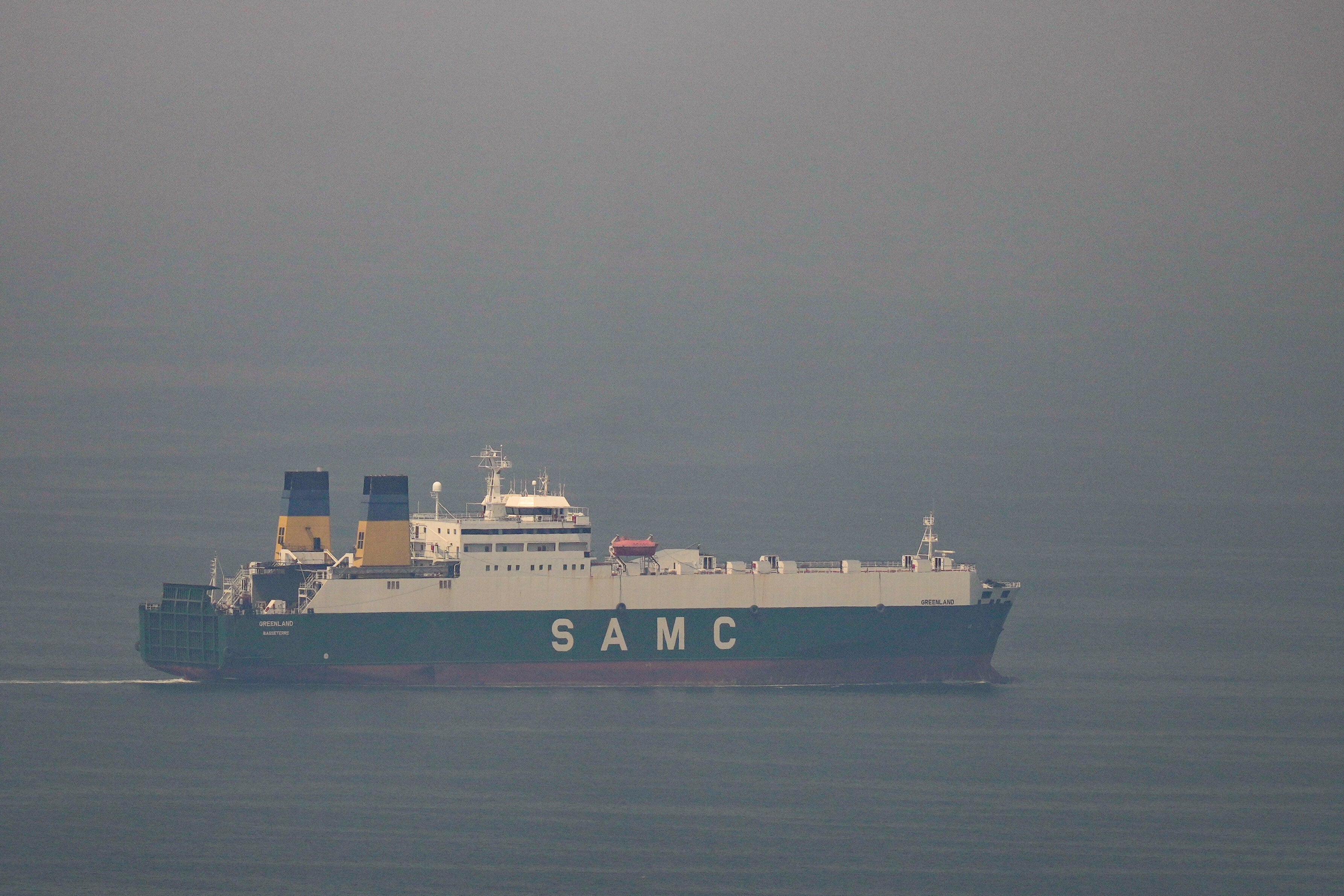
German Foreign Minister Johann Wadephul expressed skepticism regarding NATO's potential role in reopening the Strait of Hormuz, directly countering President Donald Trump's recent demands.
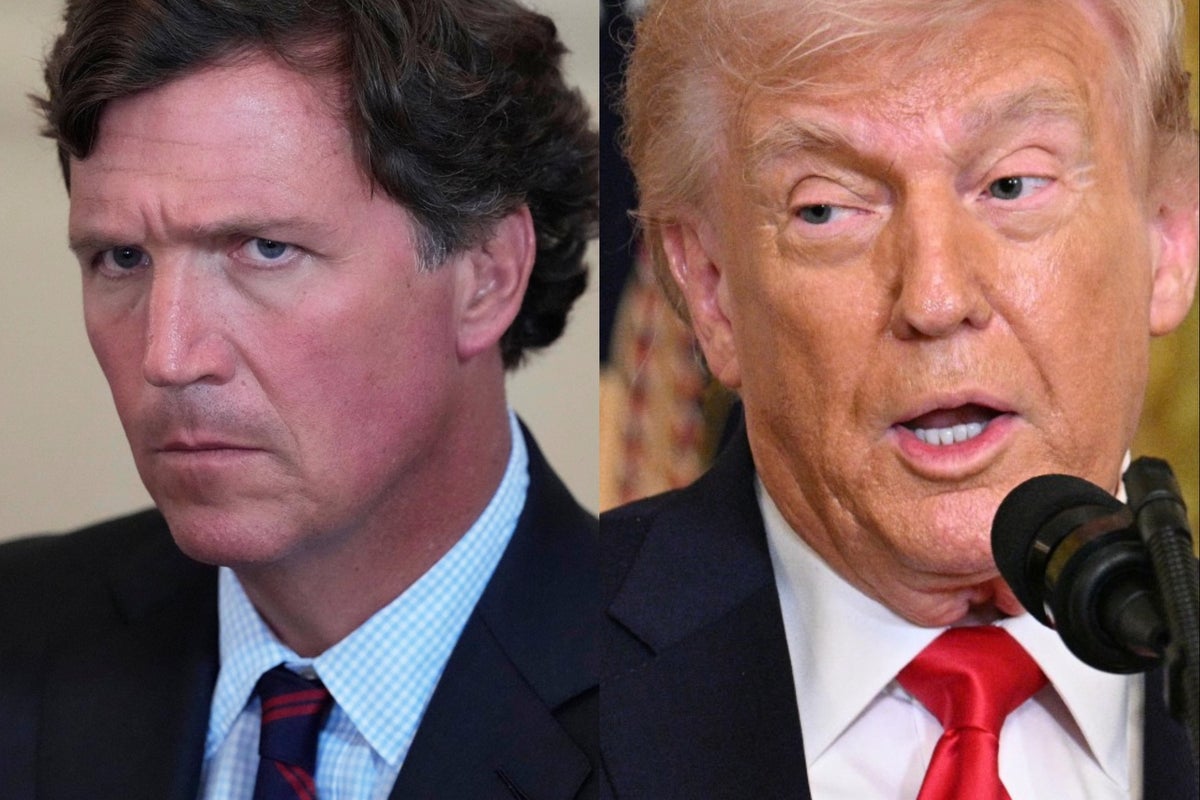
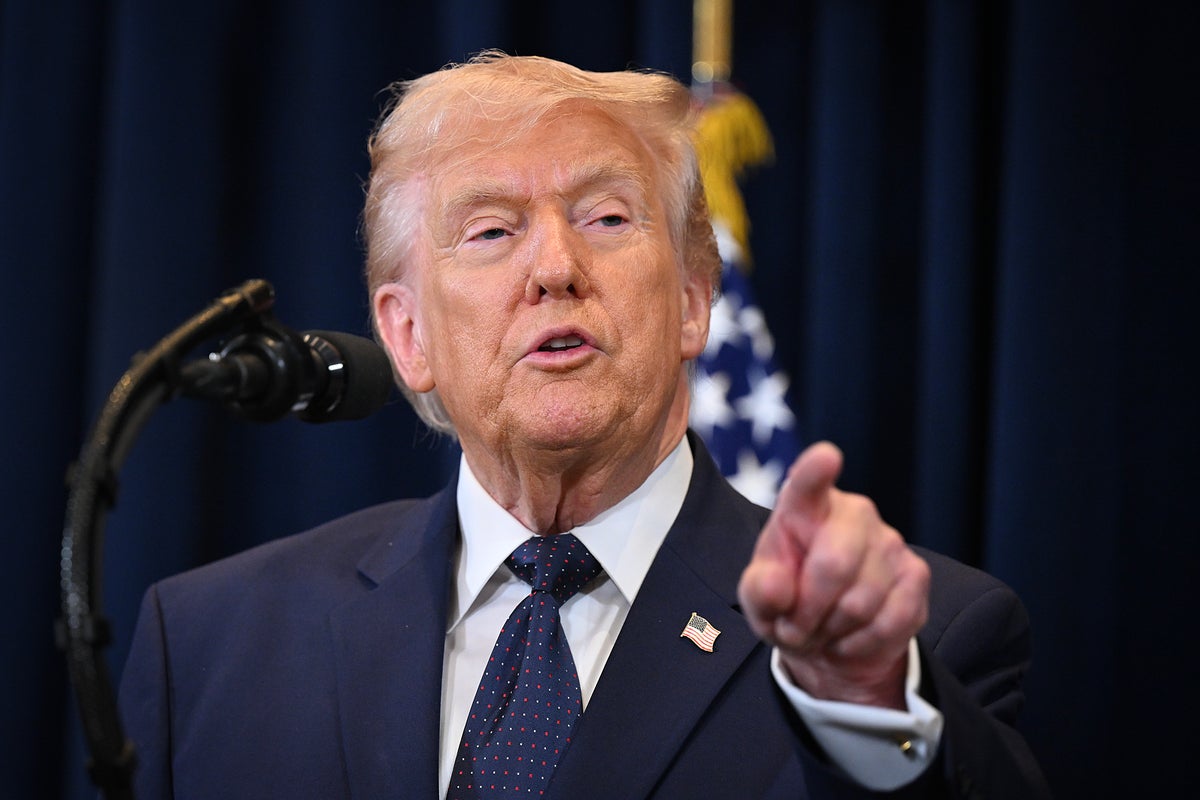
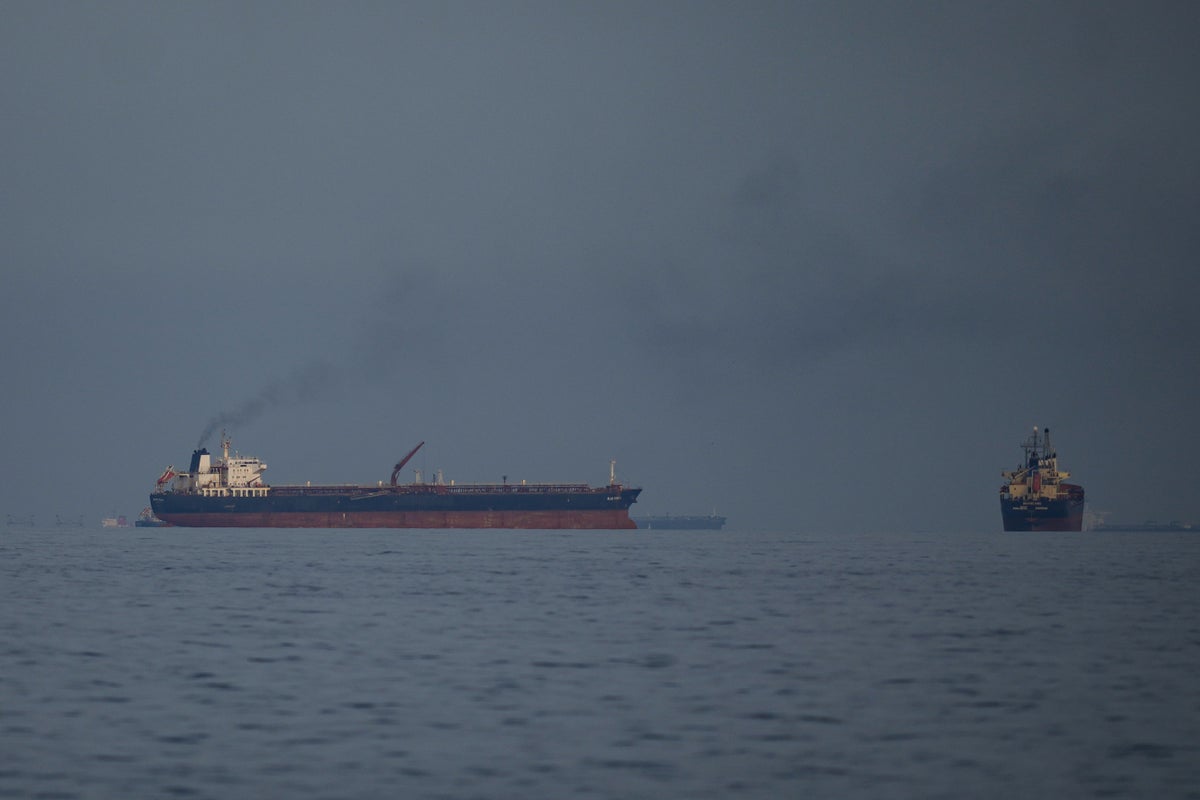
Trump had urged “about seven” nations to assist in reopening this critical maritime passage, warning that NATO could face dire consequences if allies do not support U.S. efforts to regain control over the strait, which has been under Iranian influence since the conflict escalated.
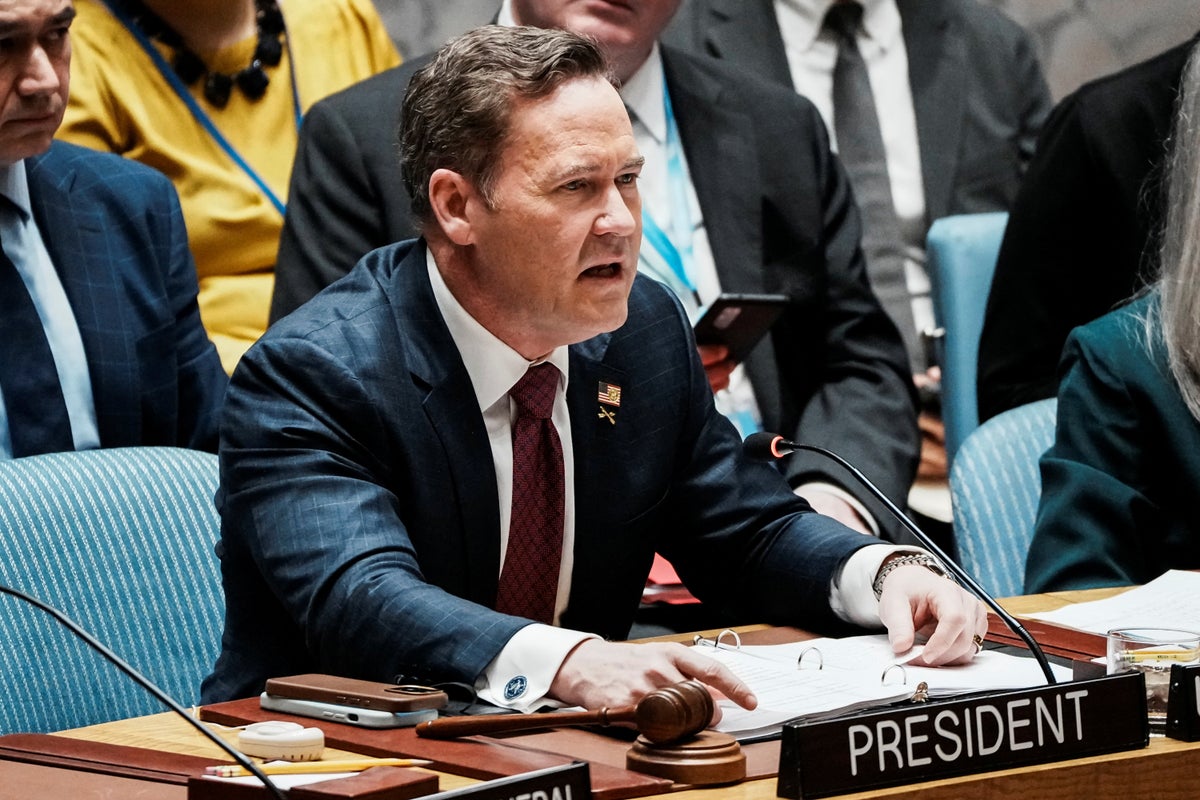
In Brussels on Monday, Wadephul stated, “I don’t see that NATO has made any decision in this direction or could assume responsibility for the Strait of Hormuz. If that were the case, then the NATO bodies would address it accordingly.”
The ongoing U.S. military actions against Iran have severely disrupted global aviation, leading to numerous flight cancellations and reroutes as airspace across the Middle East remains largely closed due to fears of missile and drone strikes. This turmoil has also contributed to soaring fuel prices.

In response to the escalating crisis, over 400 million barrels from the International Energy Agency's emergency reserves are set to be released to mitigate the significant rise in crude oil prices since the onset of hostilities.
Political correspondent reports that UK Labour leader Sir Keir Starmer has reiterated that Britain will “not be drawn into the wider war” as the conflict enters its third week. This statement comes amid increasing pressure from Trump for the UK and other allies to deploy warships to secure the Strait of Hormuz.
Despite these pressures, Starmer has maintained that UK ministers are focused on de-escalation efforts. Meanwhile, evacuations in parts of Doha were prompted by an Iranian missile reportedly launched toward a residential area, although it was intercepted, according to Qatar’s foreign ministry.
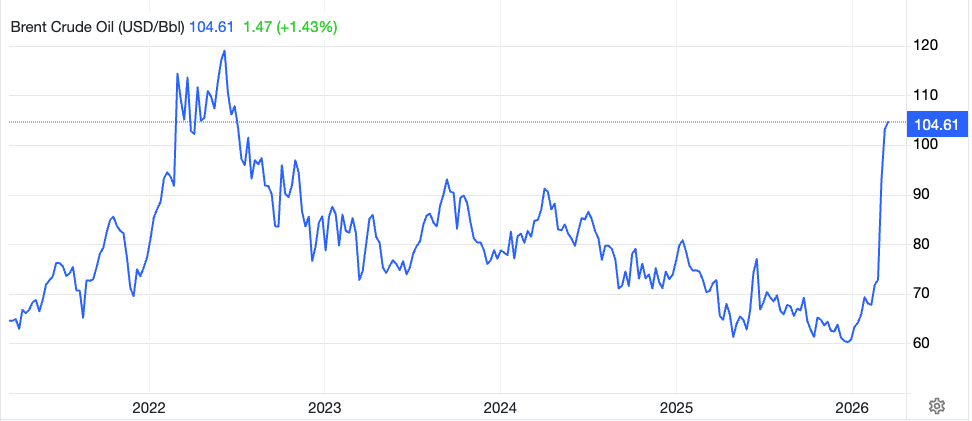
Brent Crude Oil prices have surged past $104 per barrel, marking their highest level since July 2022.
Travel correspondent Simon Calder reported that thousands of British travelers faced significant disruptions following an Iranian drone strike that temporarily shut down Dubai International Airport (DXB), the world’s busiest international airport.
The drone attack ignited a fire near the airport early Monday morning, prompting Dubai Airports to announce on social media at around 4 a.m. local time that all flights were suspended as a precautionary measure. Travelers were advised to check with their airlines for updates.
Six Emirates flights from various UK airports were en route to Dubai when the closure was announced. One flight from Heathrow diverted to Dubai World Central, while others returned to their departure points.
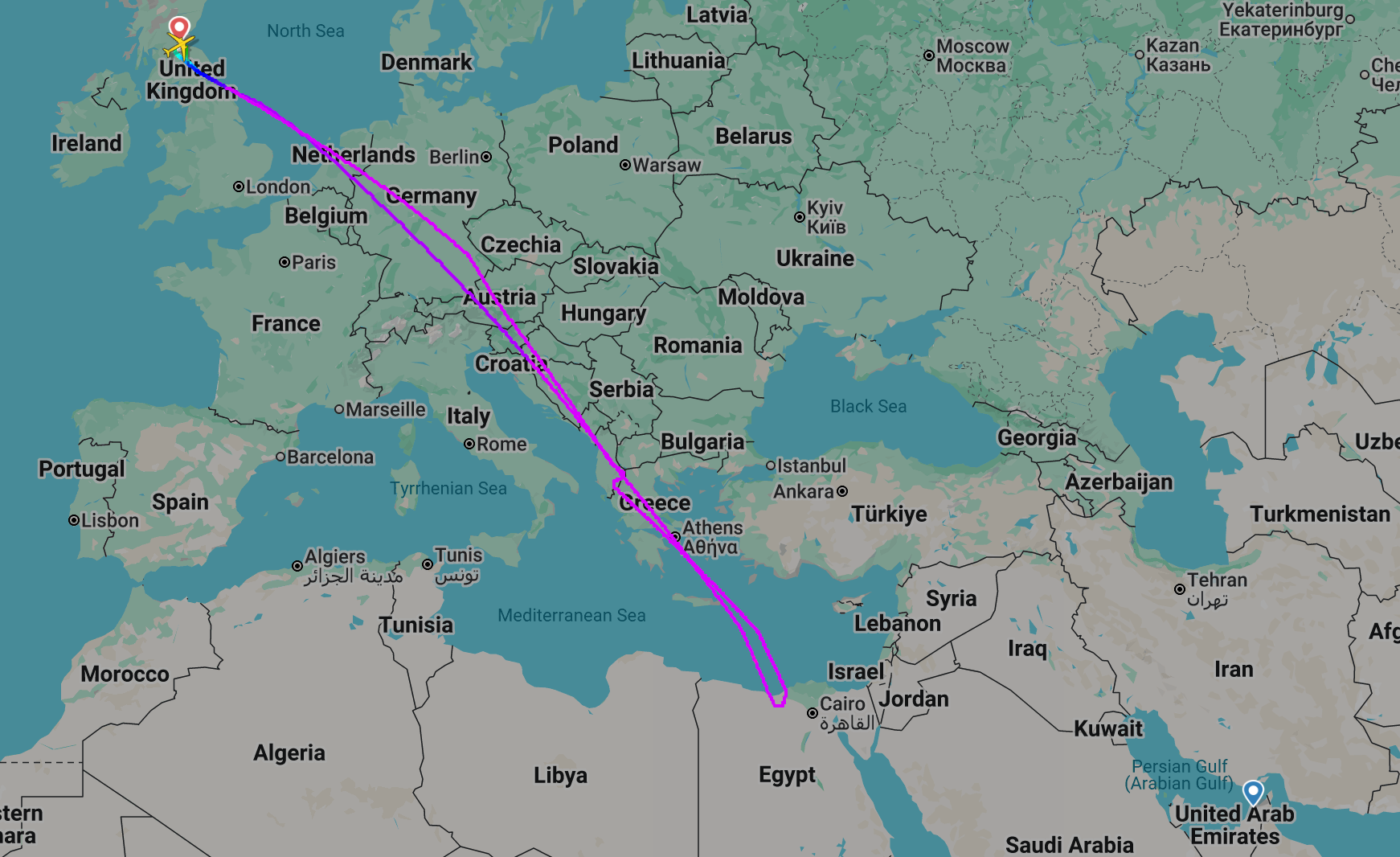
Notably, an Emirates flight from Edinburgh spent 11 hours in the air before being ordered back, having taken off shortly after 8 p.m. and reaching as far as Egypt before turning around.
Passengers on another Emirates flight from London Stansted experienced a similar ordeal, ending up in Vienna instead of Dubai after being turned back just before landing.
Wadephul’s comments underscore Germany’s reluctance to engage NATO in addressing the situation in the Strait of Hormuz. He emphasized that NATO has not made any decisions regarding this matter ahead of an EU Foreign Affairs Council meeting.
Trump's insistence on European allies stepping up their support highlights a growing tension within NATO, as he warned of a “very bad” future for the alliance if its members fail to assist Washington.
Nick Butler, former head of strategy at BP and an advisor to Gordon Brown, cautioned that government ministers should brace for a “significant shortfall of supply over the next two months,” potentially leading to rationing measures. He noted the critical importance of oil and gas supplies for economic stability and urged immediate attention to essential sectors like healthcare and food supply.
“In the short-term, we have to look at what supply we have and focus on protecting key elements that must be safeguarded,” Butler stated during an interview on BBC Radio 4’s Today program. “Beyond that, it is then for the government to decide how to ration what is left if we get to that situation.”