I’m a Specialist on Iran. Here’s What Might Unfold Following U.S. Strikes
U.S. and Israeli missiles targeted Iran’s nuclear facilities in June 2025, prompting a limited Iranian counterattack on an American airbase in Qatar.
Fast forward five years, a U.S. drone strike eliminated Qasem Soleimani, the commander of the Islamic Revolutionary Guard Corps Quds Force, leading to retaliatory strikes on two American bases in Iraq shortly thereafter.
However, the current situation is markedly different; Iran's leadership is unlikely to exhibit restraint following the latest military operations by the U.S. and Israel in the Gulf region.
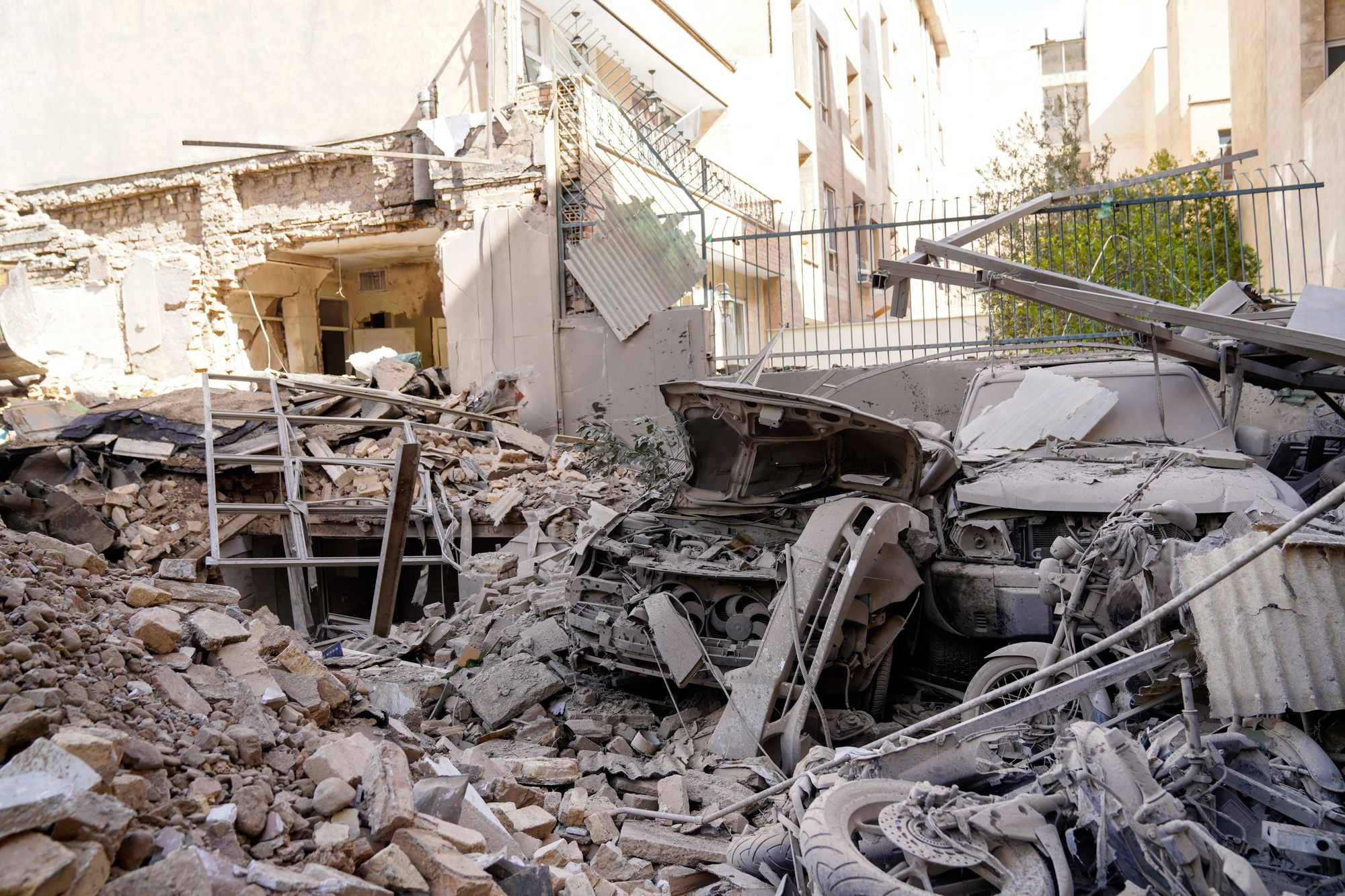
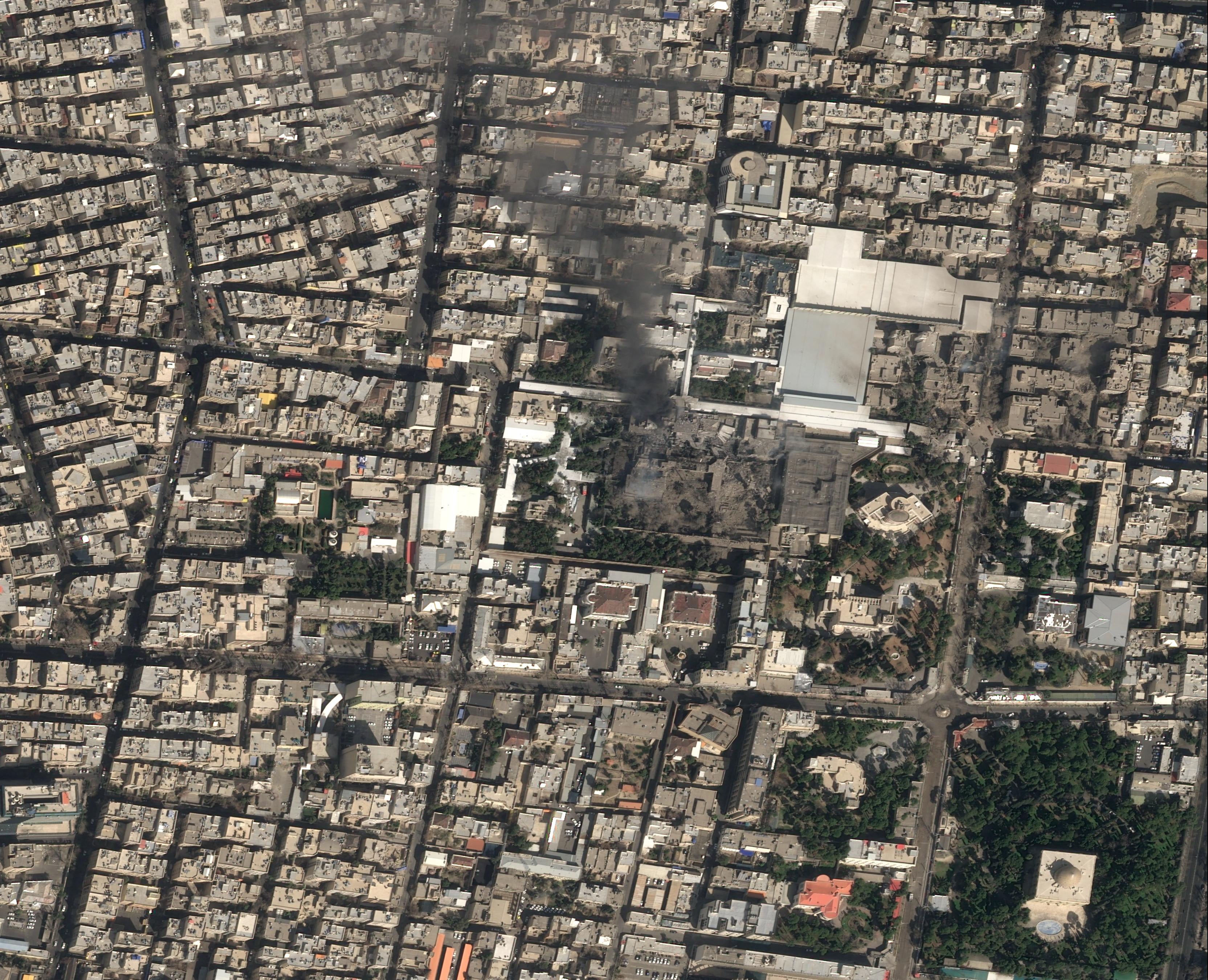
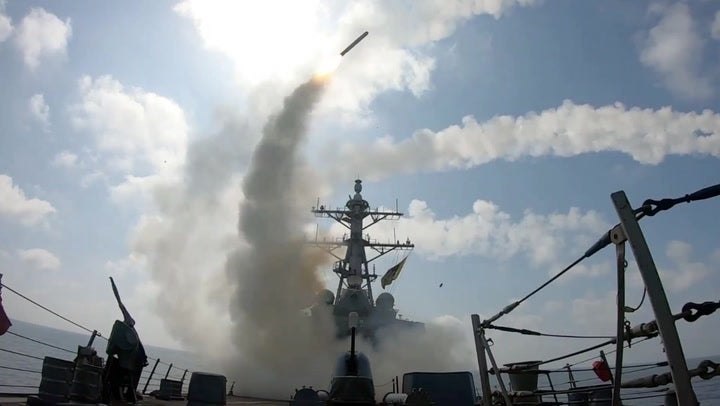
In the early hours of February 28, 2026, hundreds of missiles struck various sites across Iran as part of “Operation Epic Fury,” a significant escalation following months of military buildup in the area.
This military action follows failed diplomatic efforts, including nuclear negotiations in Oman and Geneva aimed at achieving a peaceful resolution.
Any hope for a diplomatic deal has likely evaporated. The scale of the U.S. and Israeli strikes far exceeds previous military engagements with Iran.
Iran has vowed to respond with “crushing” force. As a Middle East affairs expert and former senior official at the National Security Council during the Trump administration, I assert that the strategic calculations in both Washington and Tehran have shifted dramatically: Iranian leaders perceive this as an existential threat, especially in light of President Trump's statements and the ongoing military campaign. There appears to be no clear path to de-escalation.
Tehran's response will likely leverage all available capabilities, despite significant degradation over time. This poses a considerable concern for nations in the region and beyond.
As of February 28, it remains uncertain who among Iran’s leadership has been affected and how much damage has been inflicted on its ballistic missile capabilities. The launch of ballistic missiles at regional states hosting U.S. military bases indicates that Iran's military capabilities are not entirely neutralized.
Last June, Iran launched over 600 missiles against Israel during a 12-day conflict, and recent reports suggest that Iran has managed to replenish some of its missile stockpile.
The U.S. is clearly focused on dismantling Iran’s ballistic missile program, as this capability poses the most direct threat to regional stability.
A contentious point in negotiations was the insistence from U.S. officials that Iran's ballistic missile program and its support for proxy groups be included alongside demands for an end to uranium enrichment. Tehran has consistently resisted any limitations on its missile capabilities due to their significance in its national security strategy.
This context explains why some U.S. and Israeli strikes have targeted Iran’s missile launch sites, production facilities, and storage locations.
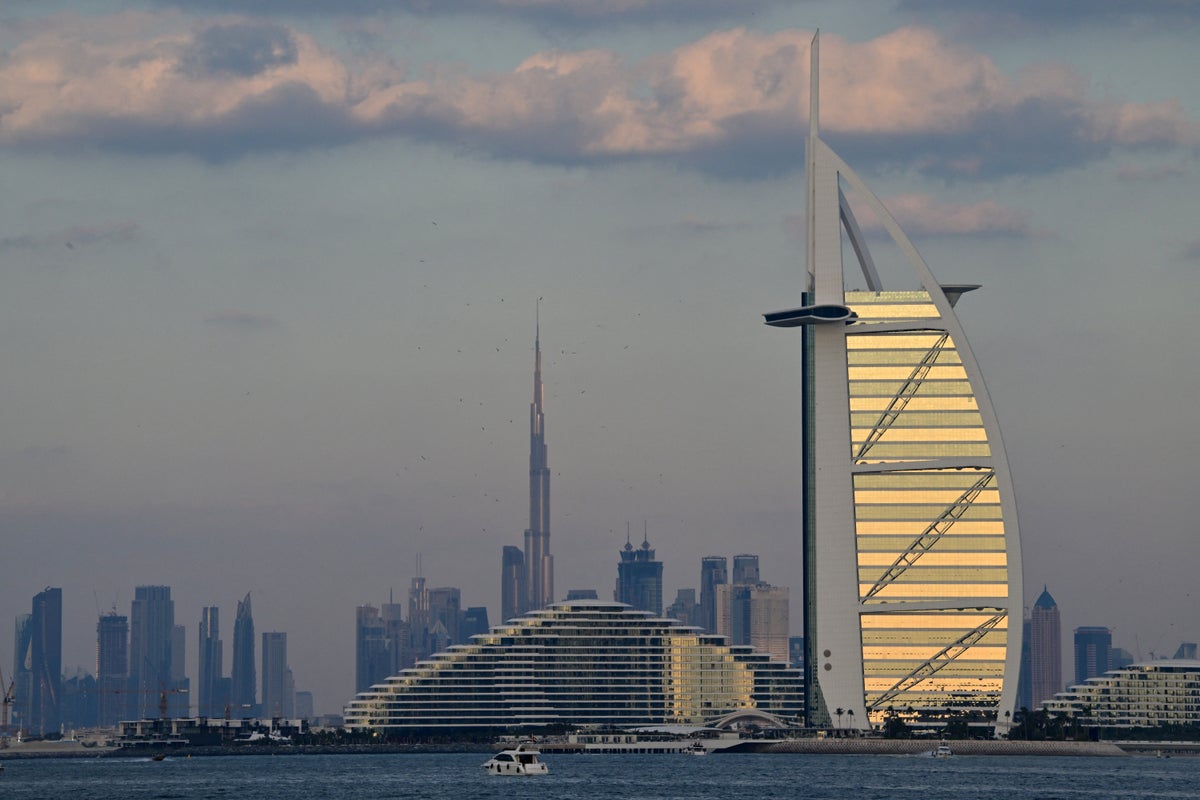
Without nuclear weapons, Iran relies heavily on its ballistic missiles as a primary means of responding to perceived threats. Thus far in this conflict, these missiles have been directed at nations such as the United Arab Emirates, Qatar, Kuwait, and Bahrain.
The Trump administration seems to have broadened its objectives beyond merely neutralizing Iran’s nuclear and military threats; recent strikes have also targeted leadership figures.
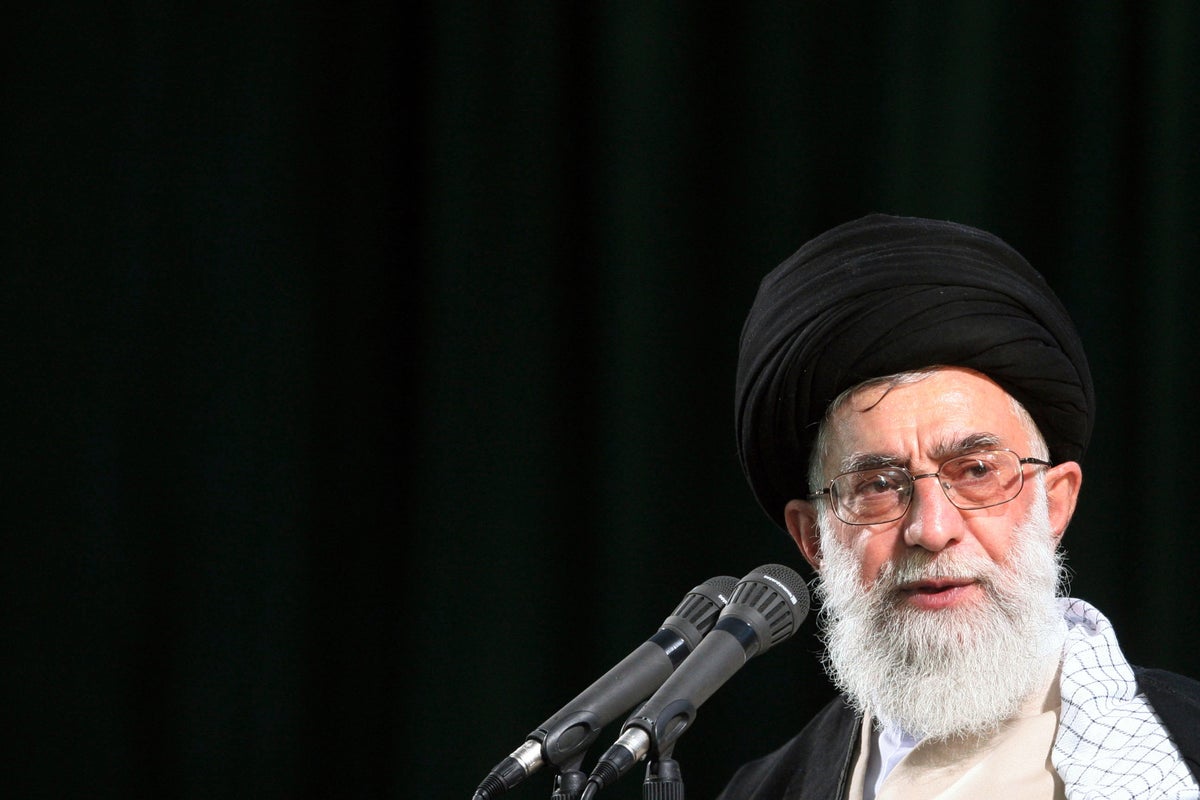
Among the initial targets was a compound in Tehran known to house Supreme Leader Ayatollah Ali Khamenei, with confirmation from Israel's prime minister that the 86-year-old leader was indeed a target.
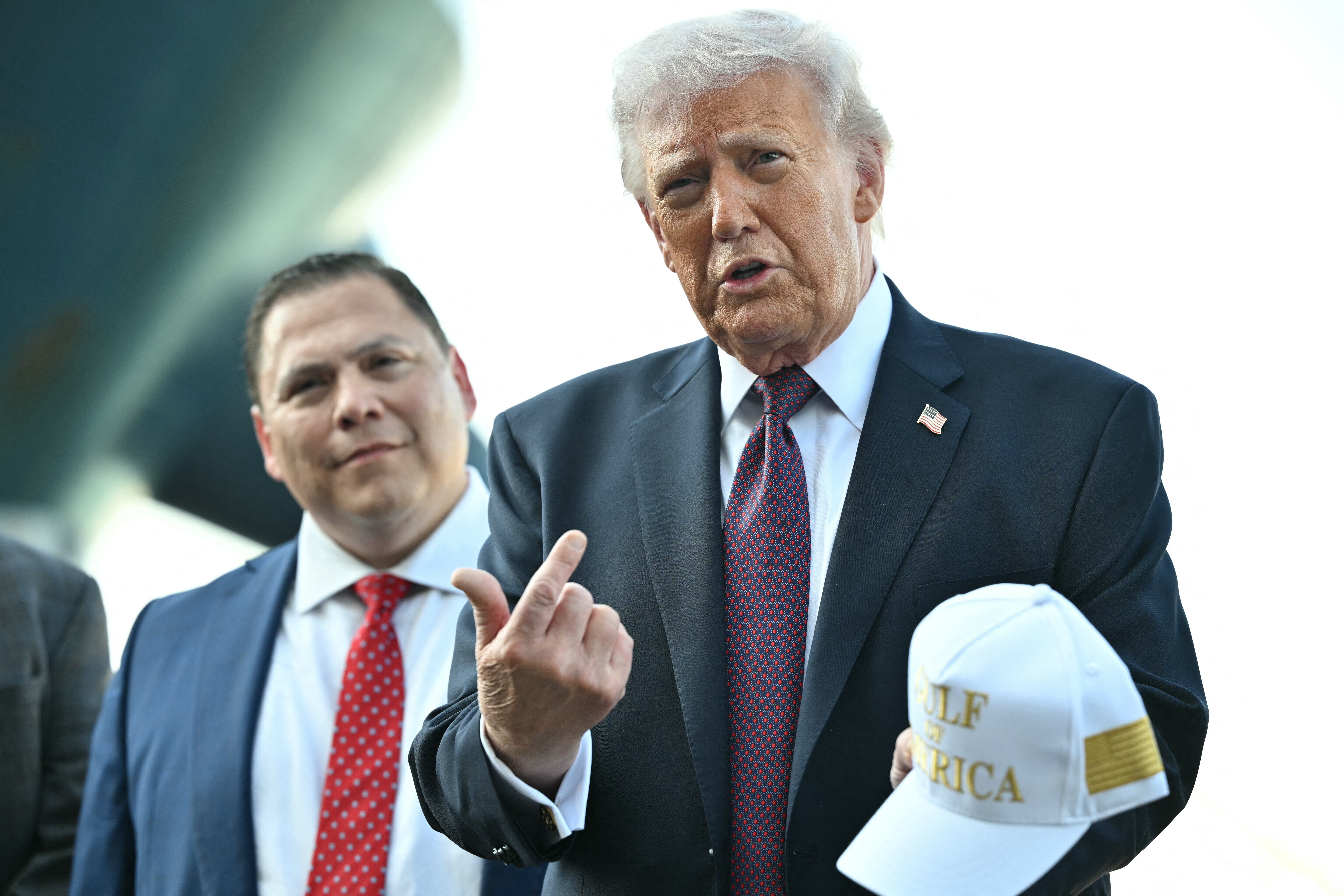
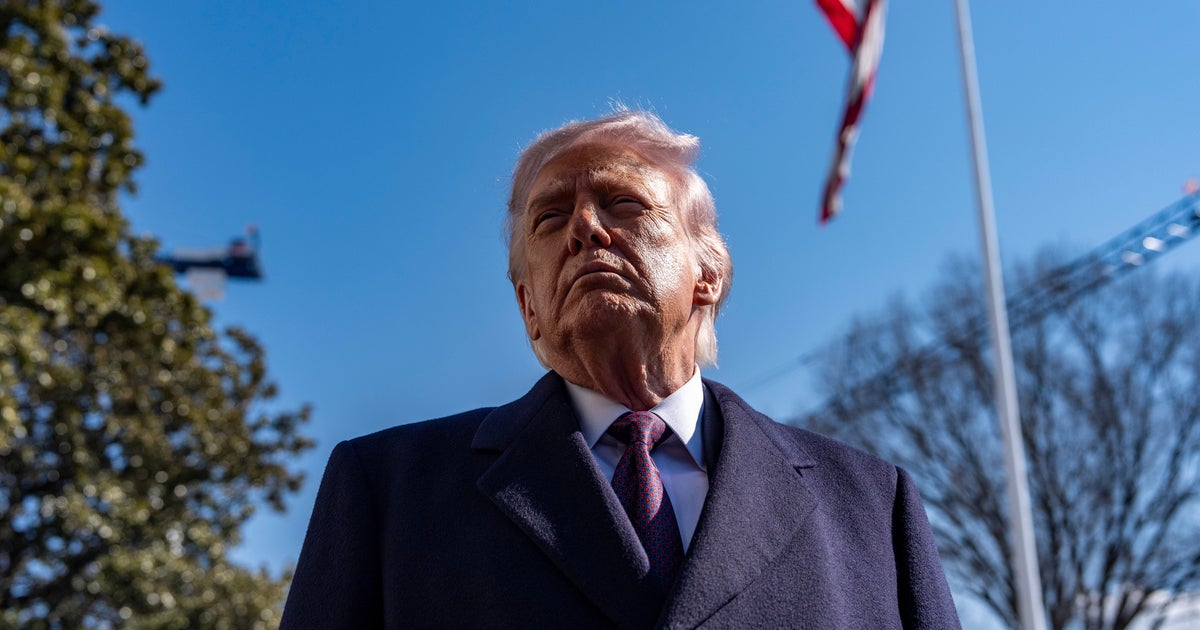
The fate of Khamenei and other key Iranian leaders remains uncertain at this point, but it is evident that the U.S. administration anticipates regime change following Operation Epic Fury. “When we are finished, take over your government. It will be yours to take,” Trump stated in a video message directed at Iranians during the early hours of the attack.
This suggestion of regime change may galvanize Iranians discontented with decades of oppressive governance and economic hardship to reignite protests similar to those seen in January when hundreds of thousands took to the streets.
However, this approach carries significant risks for U.S. interests. Iranian leaders are unlikely to feel restrained as they did after Soleimani's assassination or during the June 2025 conflict; their responses then were limited compared to their losses.
Javed Ali is an Associate Professor of Practice of Public Policy at the University of Michigan. This article is republished from The Conversation under a Creative Commons license. Read the original article.
Now that hostilities have escalated, both sides are poised to deliver decisive blows. But what does that entail? The U.S. administration appears committed to regime change while Iran's leadership will likely seek responses that exceed previous retaliatory measures—potentially resulting in American casualties, a scenario anticipated by Trump who warned of possible American losses.
Why is Trump willing to take such risks now? It seems he has grown impatient with diplomatic negotiations despite earlier claims of progress.
After the latest round of talks in Geneva on February 26, there was little communication from the U.S. side. Trump's assessment may be that Iran failed to grasp the seriousness of the situation—evidenced by the deployment of an additional carrier strike group alongside other warships and hundreds of fighter aircraft sent to the region recently—indicating Tehran had no choice but to comply with U.S. demands.
The uncertainty remains whether the U.S. strategy involves pausing to see if initial strikes compel Iran to seek peace or if these strikes are merely a precursor to further military action.
At present, it appears that diplomatic avenues have closed off. Trump seems disinterested in negotiating; his focus is solely on dismantling Iran’s regime.
To achieve this goal, he has made several calculated risks. First politically and legally: Trump did not seek Congressional approval before initiating Operation Epic Fury. Unlike two decades ago when President George W. Bush led the U.S. into Iraq, there is no war authorization providing cover for this action.
Instead, White House legal advisors must have concluded that Trump can execute this operation under his Article 2 powers as commander-in-chief. Nevertheless, under the 1973 War Powers Act, time is now limited; if attacks do not conclude within 60 days, the administration must either report completion or seek Congressional authorization for continued military action or a formal declaration of war.
The second risk involves whether Iranians will heed his call for regime change—a desire many have harbored for years. Given the regime's brutal crackdown on January protests that resulted in thousands of deaths, will Iranians confront their internal security forces to dismantle what remains of their government?
The third gamble assumes that even when faced with an existential threat, the Iranian regime lacks the capacity to draw the U.S. into a prolonged conflict inflicting substantial casualties.
This last point is critical; experts recognize Tehran does not possess nuclear weapons and has only a limited arsenal of drones and missiles.
However, it can resort to unconventional tactics; terrorism remains a genuine concern through entities like the Islamic Revolutionary Guard Corps’ Quds Force or partnerships with Hezbollah in Lebanon. Additionally, groups like the Houthis in Yemen or Shia militias in Iraq may conduct attacks against U.S. interests either in solidarity with Iran or under direct orders from its regime.
A mass casualty incident could exert political pressure on Trump; however, it is unlikely to lead to American ground troops being deployed in Iran given public sentiment against such actions and the necessity for Congressional approval which has not yet been secured.
No one possesses foresight into how this operation will unfold; it is still early days and likely to extend for several more days or longer. Yet one fact stands out: Iran’s regime faces an existential threat and should not be expected to exercise restraint.