

Iran Accuses US of 'Piracy' Following Seizure of Tanker in Gulf
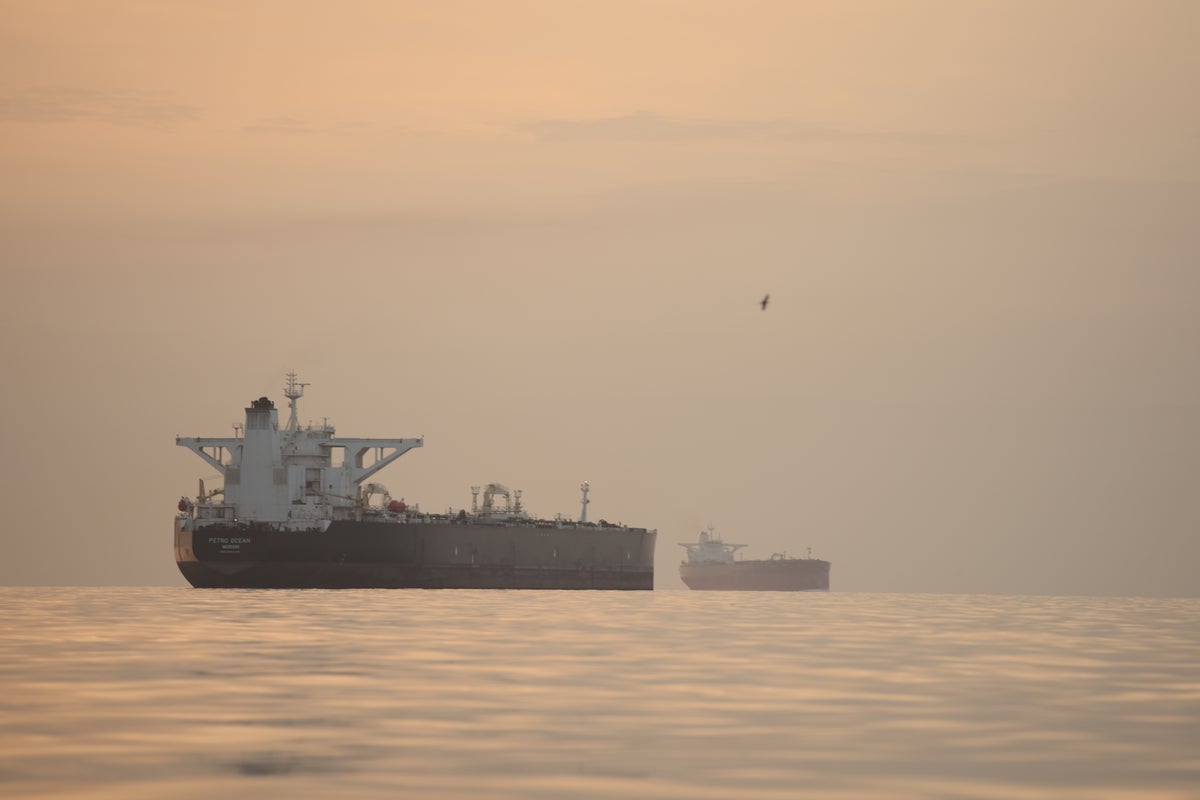
Iran's military has labeled the recent seizure of an Iranian-flagged tanker by US forces in the Gulf of Oman as “armed piracy,” promising a swift and decisive response. The incident unfolded as US President Donald Trump claimed the vessel was intercepted while attempting to breach an American blockade on Iranian ports.
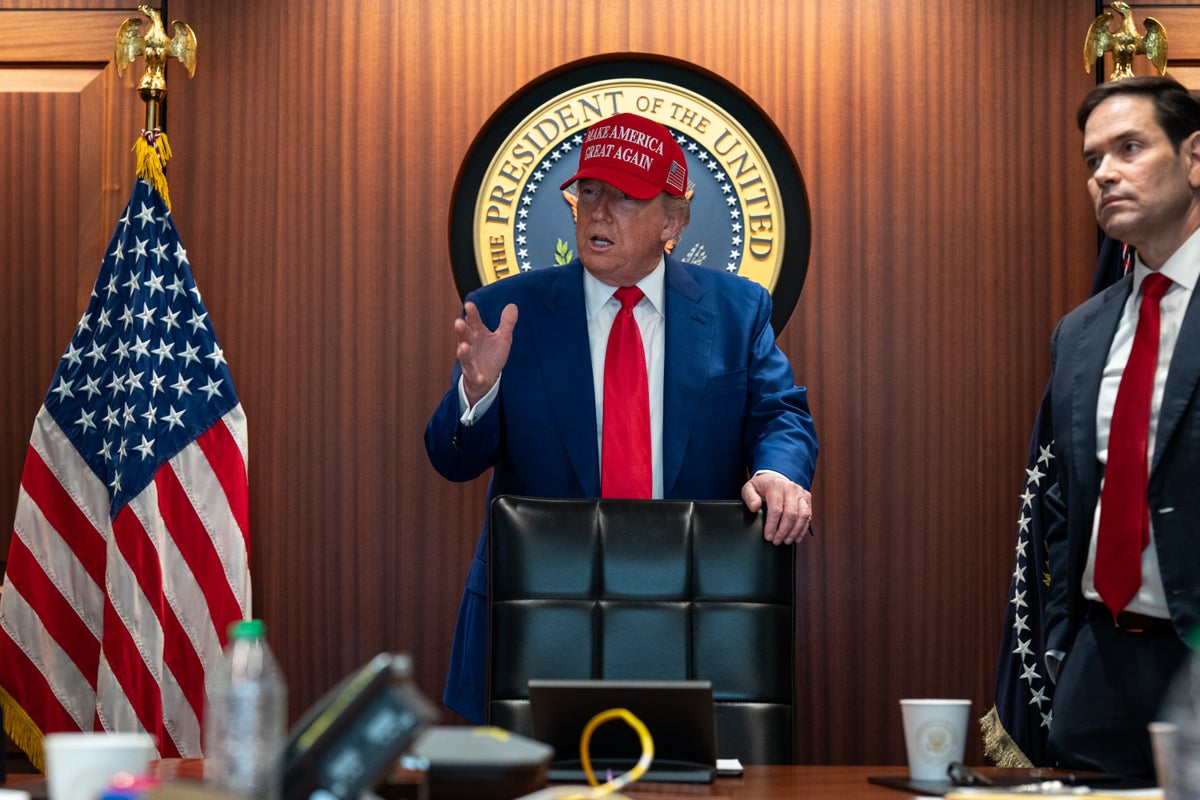
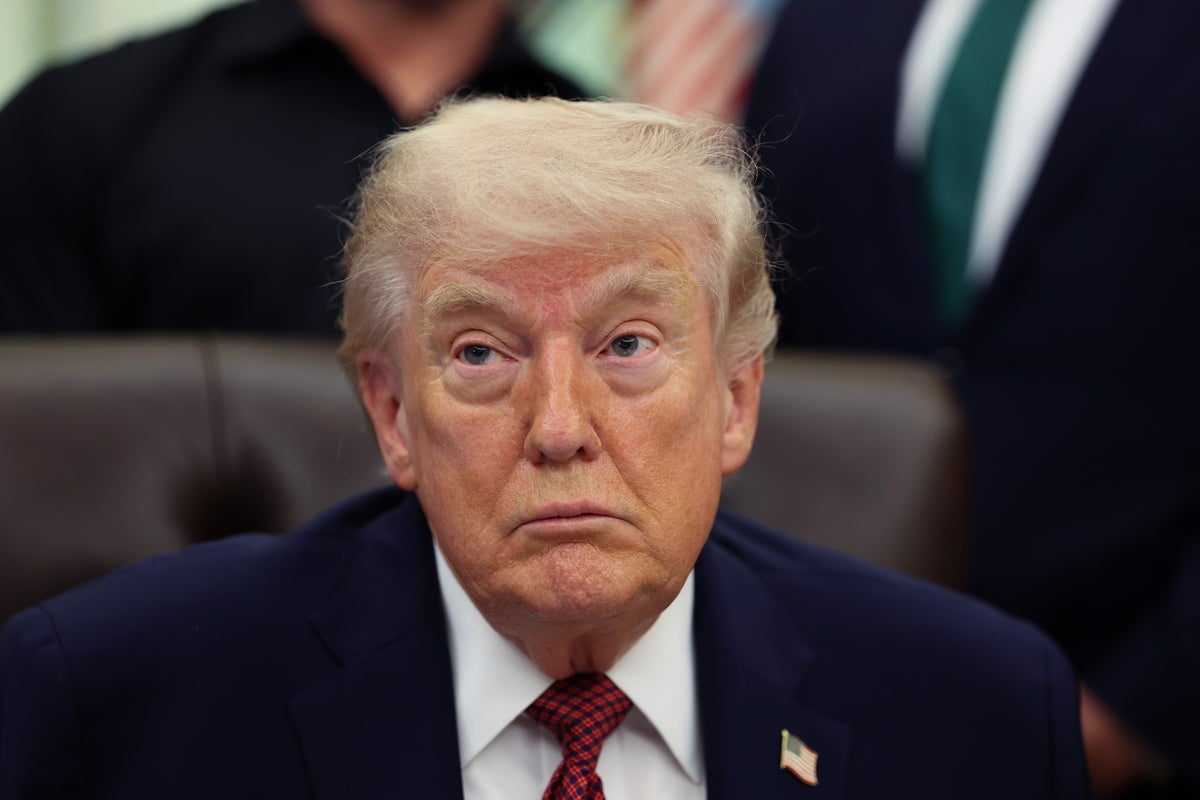
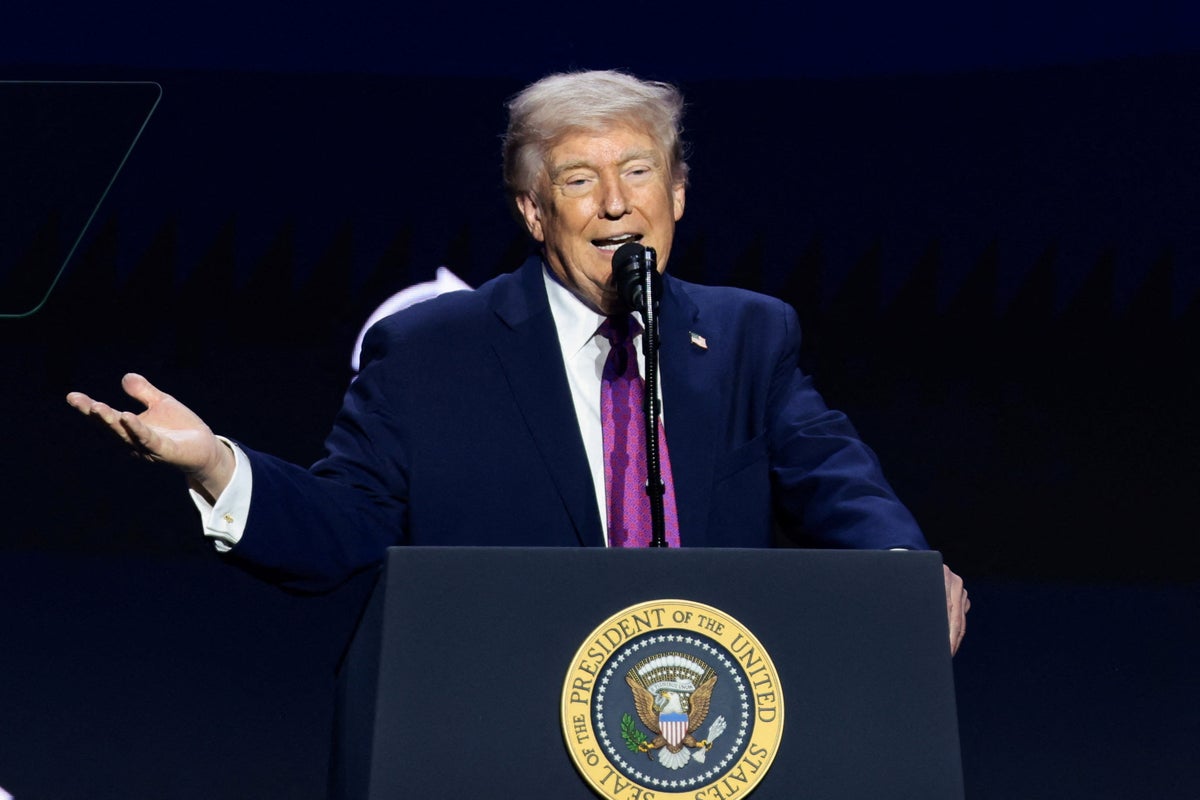
In a post on Truth Social, Trump detailed how US forces disabled the ship by creating a hole in its engine room, asserting that Marines now have “full custody” of the vessel and are investigating its contents. This escalation comes amid Tehran's reported refusal to engage in a second round of peace talks, following Trump's renewed threats against civilian infrastructure.
The Islamic Republic News Agency (IRNA) conveyed Iran's stance, stating that the nation would not participate in negotiations due to “excessive demands and unrealistic requests” from the US delegation, which had traveled to Pakistan for discussions.
In a related diplomatic incident, India summoned Iran’s ambassador after two Indian-flagged vessels were allegedly fired upon by the Iranian navy while navigating the Strait of Hormuz. India's foreign ministry expressed “deep concern” over the safety of its merchant ships, emphasizing Iran's previous role in ensuring safe passage for vessels bound for India.
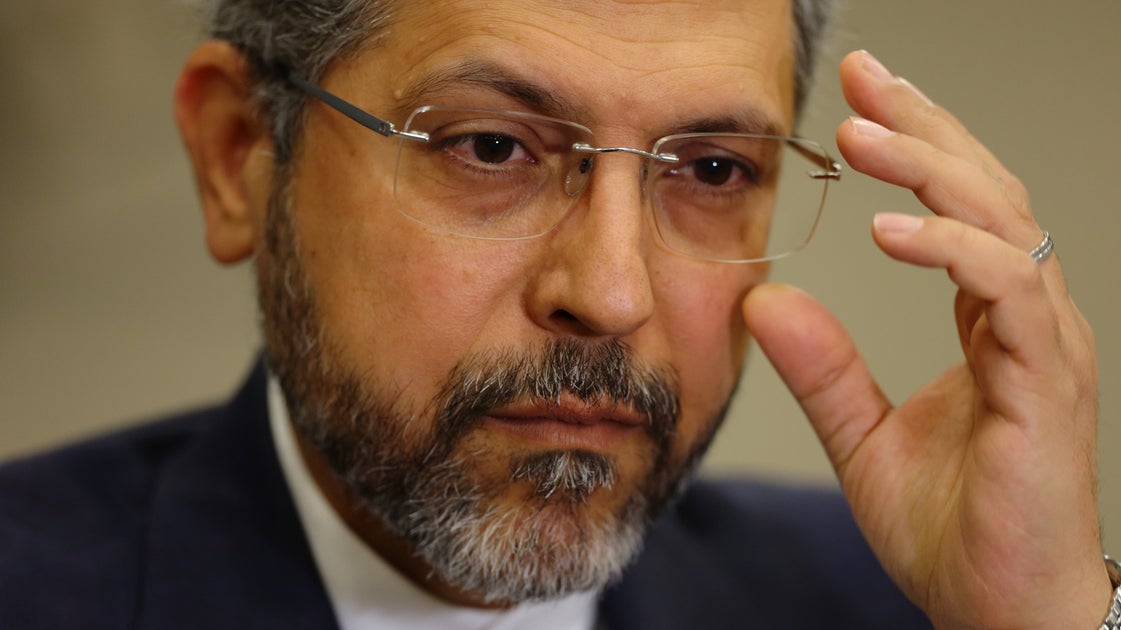
Iran’s first vice president, Mohammad Reza Aref, asserted that global fuel prices would stabilize only if economic and military pressures on Iranian oil exports ceased. He stated, “One cannot restrict Iran’s oil exports while expecting free security for others,” highlighting the interconnectedness of oil market stability and geopolitical tensions.
Iran's military reiterated its commitment to retaliate against what it termed “armed piracy” by US forces. A statement from military headquarters condemned the boarding of the tanker as a violation of ceasefire agreements, characterizing the US actions as akin to “highway robbery.”
“The aggressive America… attacked one of Iran’s commercial ships… and disabled its navigation system,” the statement warned, indicating that a response from Iran's Armed Forces is imminent.
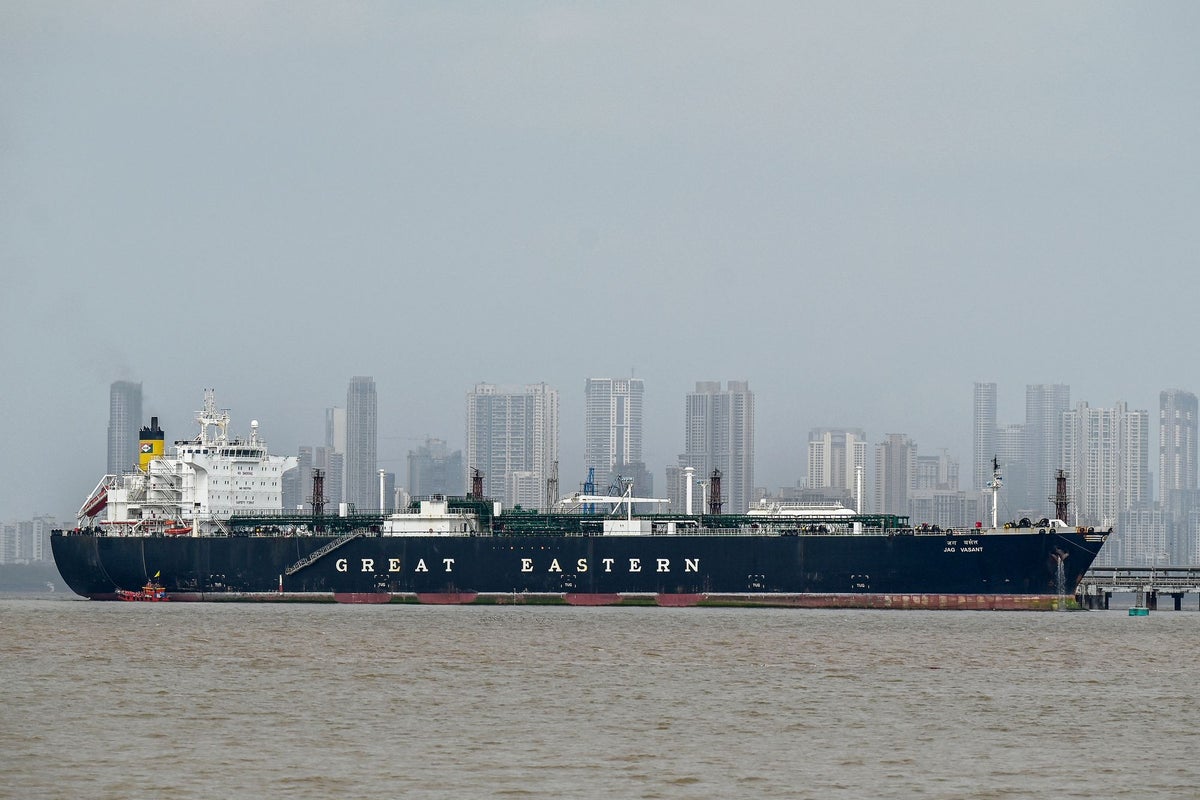
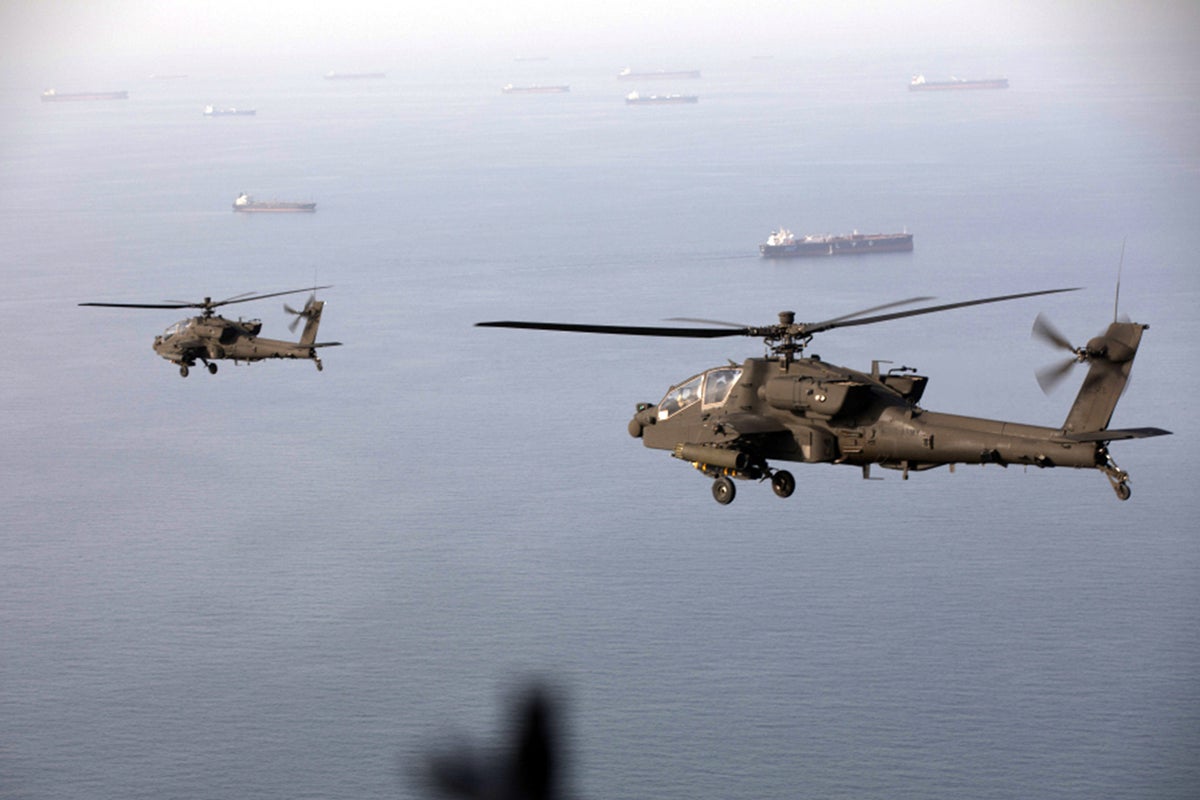
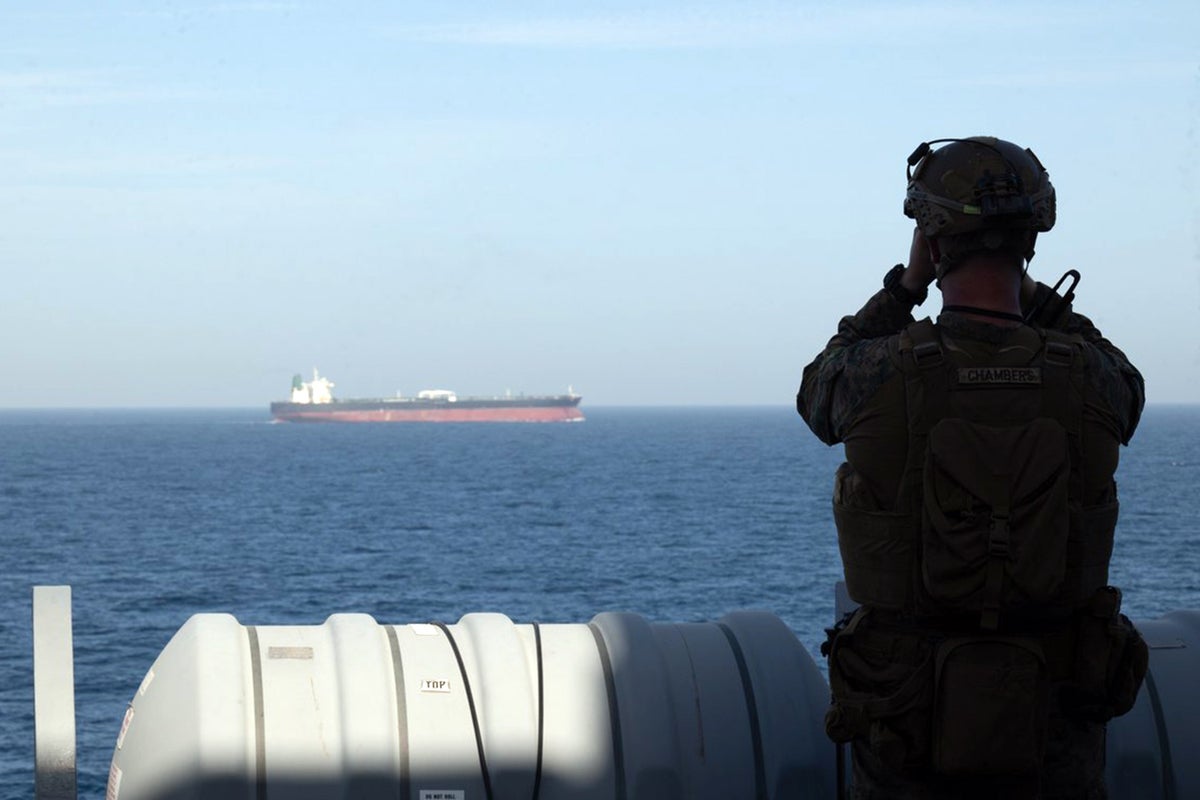
The US Navy defended its actions, claiming that the Iranian vessel attempted to evade a naval blockade near the Strait of Hormuz. According to US officials, the ship crossed a blockade line after ignoring multiple warnings, prompting military intervention.
Meanwhile, Iran's foreign minister, Abbas Aragchi, communicated with his Pakistani counterpart, labeling Washington's demands and threats as “clear signs” of insincerity in negotiations. The ongoing tensions have led to fluctuations in oil prices, with Brent crude futures rising over 6 percent following news of the Strait of Hormuz's closure.
As markets reacted to these developments, Brent crude surged by $6.11 to $96.49 per barrel, while US West Texas Intermediate rose by $6.53 to $90.38 per barrel. The volatility underscores the impact of geopolitical strife on global oil markets.
In light of these tensions, U.S. Central Command released footage showing a Navy ship firing upon the Iranian cargo vessel before Marines boarded and seized it. The Iranian military has since issued warnings of retaliation for this act.
In a social media post by IRIB, Iran’s state broadcaster, the military reiterated its stance against what it described as “highway robbery” by the United States. The post emphasized that Iran would respond decisively to this act of piracy.
Oil prices reacted sharply to Iran's announcement regarding the closure of the Strait of Hormuz in response to US actions. The price of Brent crude increased significantly, reflecting market concerns over potential disruptions in one of the world's most critical shipping lanes.
U.S. Energy Secretary Chris Wright indicated that gas prices could remain elevated, potentially exceeding $3 per gallon into next year. As of Sunday, the national average for gasoline stood at $4.05 per gallon.
Pakistan, acting as a mediator between the US and Iran, prepared for potential talks despite uncertainty surrounding their progression. Security measures were heightened in Islamabad as two C-17 cargo planes arrived carrying equipment for the US delegation.
Municipal authorities implemented restrictions on public transport and heavy traffic in anticipation of diplomatic discussions. Barbed wire was deployed near key venues, signaling heightened security measures ahead of potential negotiations.
The situation remains fluid as both nations accuse each other of violating ceasefire agreements amid escalating tensions in the region. UK foreign secretary Yvette Cooper emphasized that any future talks must ensure toll-free passage for vessels through the Strait of Hormuz, highlighting ongoing concerns about maritime security.
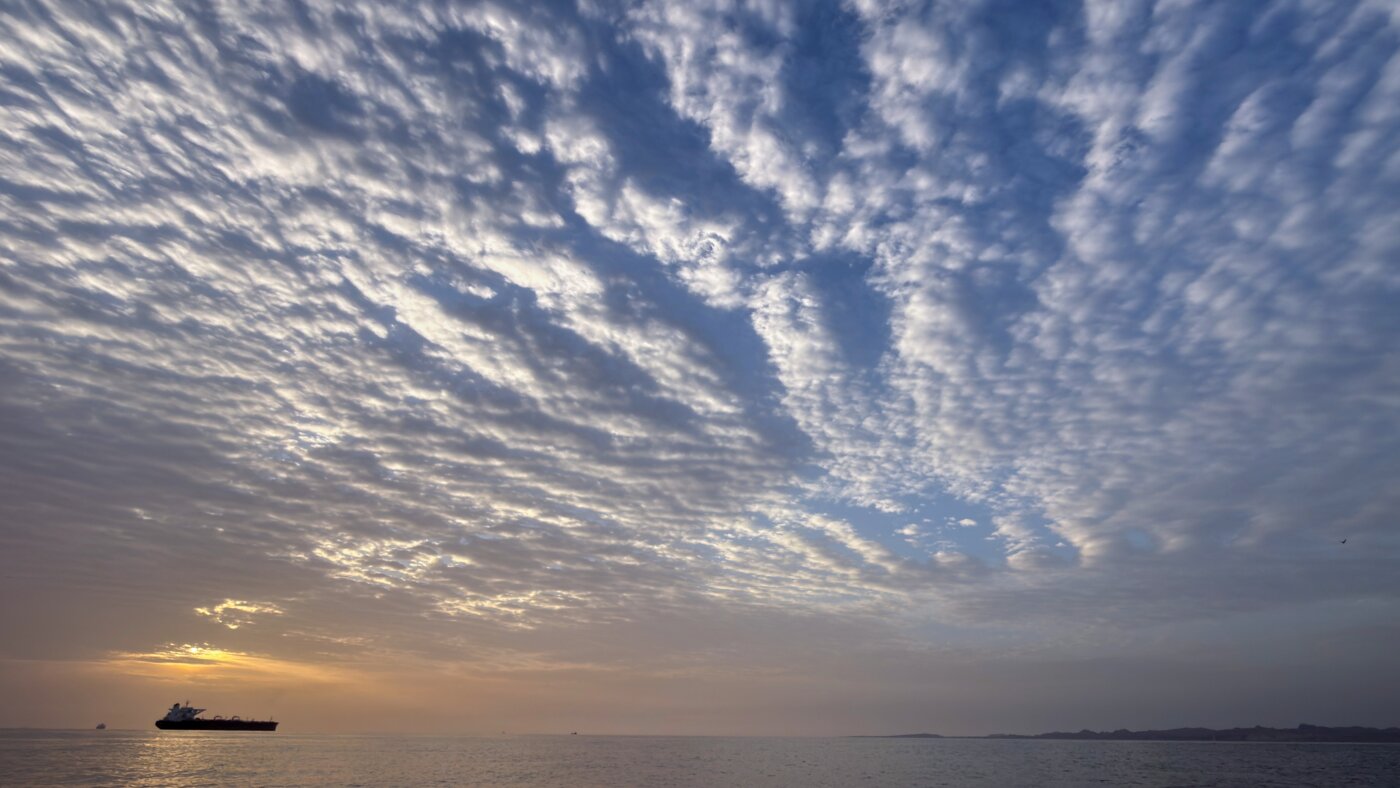
The Strait of Hormuz, through which a significant portion of global oil flows, has become a focal point for geopolitical conflict as both Iran and the US navigate their complex relationship amid rising tensions.
Trump's announcement regarding the seizure of the Iranian cargo ship TOUSKA—nearly 900 feet long—underscores the high stakes involved in this maritime standoff. He noted that the crew's refusal to comply with orders led to decisive action from US naval forces.
As these developments unfold, the international community watches closely, aware that any misstep could lead to further escalation in an already volatile region.