


Iranian Diplomat Claims U.S. 'Overreaching' Demands Hinder Direct Negotiations
ANTALYA, Turkey — A senior Iranian official declared Saturday that Iran is not prepared to initiate a new round of direct discussions with U.S. representatives, attributing this delay to Washington's insistence on "overreaching" demands regarding critical issues.
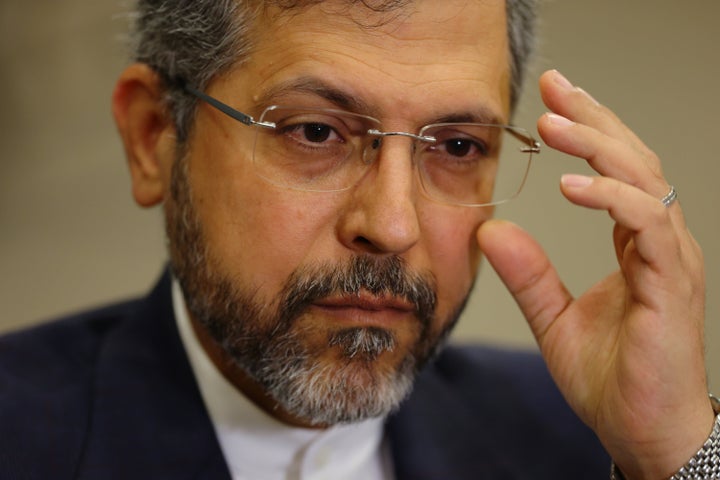
During an interview at a diplomatic forum in Turkey, Iranian Deputy Foreign Minister Saeed Khatibzadeh emphasized that Iran will not transfer its enriched uranium to the United States, countering assertions made by President Trump.
“I can assure you that no enriched material is going to be shipped to the United States,” Khatibzadeh stated firmly. “This is a non-starter, and while we are open to addressing our concerns, we will not accept conditions that are unacceptable.”
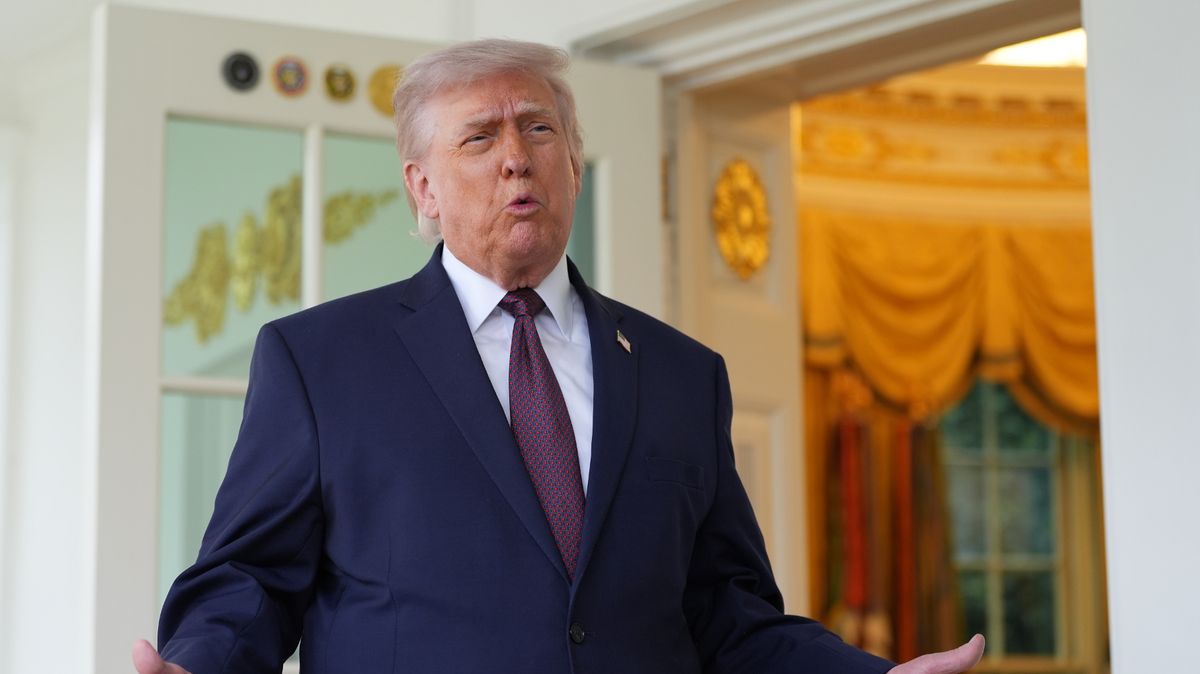
On Friday, Trump claimed that the U.S. would enter Iran to “retrieve all the nuclear dust,” referencing the 970 pounds (440 kilograms) of enriched uranium believed to be concealed beneath nuclear sites damaged by U.S. military actions last year.
Khatibzadeh noted that there have been numerous exchanges of messages between the two nations but accused the U.S. of maintaining demands that Iran considers excessive.
“We are still not ready to proceed to an actual meeting because the Americans have yet to abandon their overreaching position,” Khatibzadeh remarked. He added that Iran seeks to finalize a “framework agreement” prior to any in-person discussions.
The Iranian official refrained from detailing specific negotiation points or unresolved issues but urged Washington to address Iran’s primary concerns, particularly the sanctions imposed on the nation.
“The other parties must recognize and respond to our main concerns, which include the illegal unilateral sanctions imposed by the U.S. that constitute economic terrorism aimed at suffocating the Iranian populace and inciting unrest against our political system,” Khatibzadeh asserted.
When questioned about Iran's potential response to renewed Israeli attacks on Lebanon despite a ceasefire, Khatibzadeh stated: “Iran has no choice but to confront aggressors decisively.”
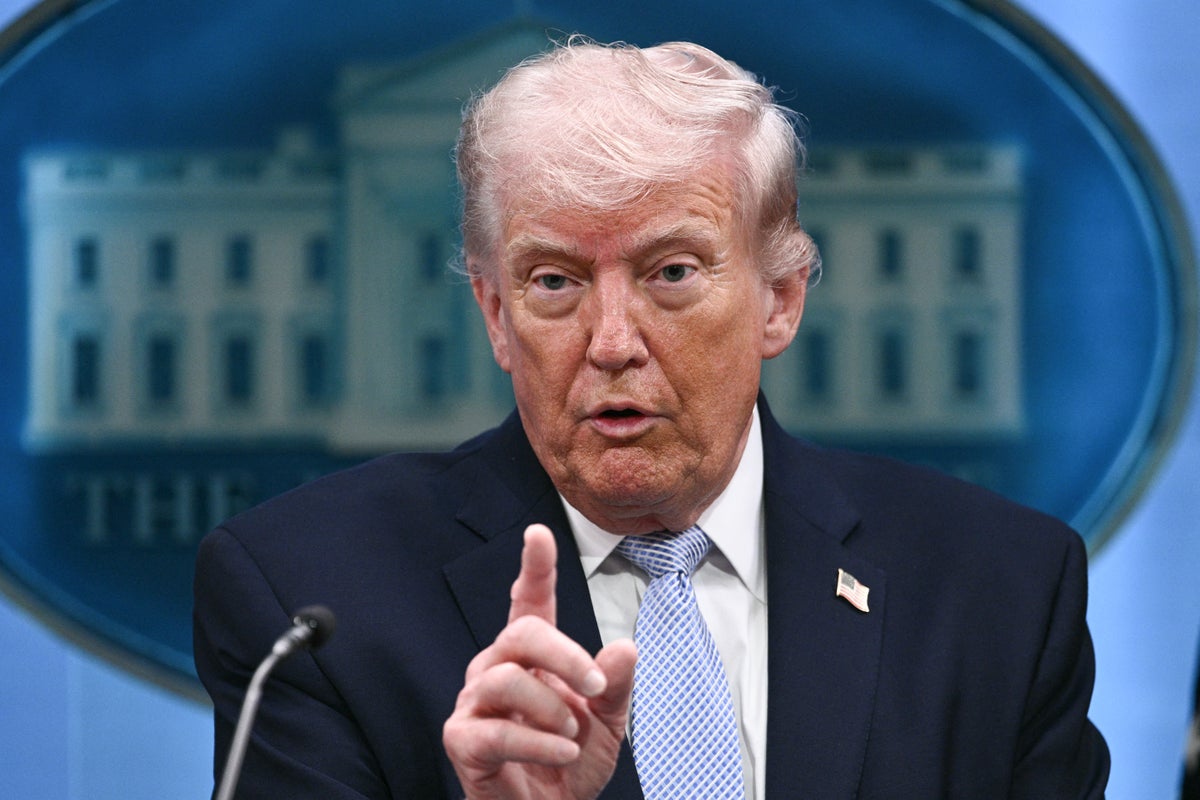
Trump indicated that Israel is “prohibited” by the U.S. from conducting further strikes on Lebanon, asserting that “enough is enough” regarding the Israel-Hezbollah conflict.
The State Department clarified that this prohibition pertains only to offensive actions, not those taken in self-defense.
Khatibzadeh reiterated Iran’s stance that its actions are defensive, responding to unprovoked aggression amid ongoing negotiations.
He also reaffirmed Iran’s position that any ceasefire must encompass Lebanon, where Israel has been engaged in conflict with Hezbollah, an Iran-backed militant group.
Following a temporary truce declared last week between the U.S. and Iran, both Pakistan and Iran stated it extended to Lebanon; however, Israel and subsequently the U.S. denied this claim. Israel then conducted a series of airstrikes on central Beirut, prompting Iran to announce a temporary closure of the Strait of Hormuz. After implementing a ceasefire in Lebanon on Friday, Iran declared the strait had reopened.
“Iran engaged in good faith negotiations, accepted a ceasefire, and communicated that this ceasefire should include all nations, including Lebanon,” Khatibzadeh explained. “However, the other side indicated it would not adhere to this commitment and subsequently initiated atrocities.”
Khatibzadeh mentioned that a “new protocol” would be established for the Strait of Hormuz as part of negotiations with the U.S., ensuring it remains open and safe for all civilian passage.
Trump has stated that a U.S. blockade of the Strait of Hormuz will persist and military actions will resume if an agreement with Iran is not reached.