Iran Promises Retribution Following Death of Supreme Leader Amid Escalating Conflict with Israel
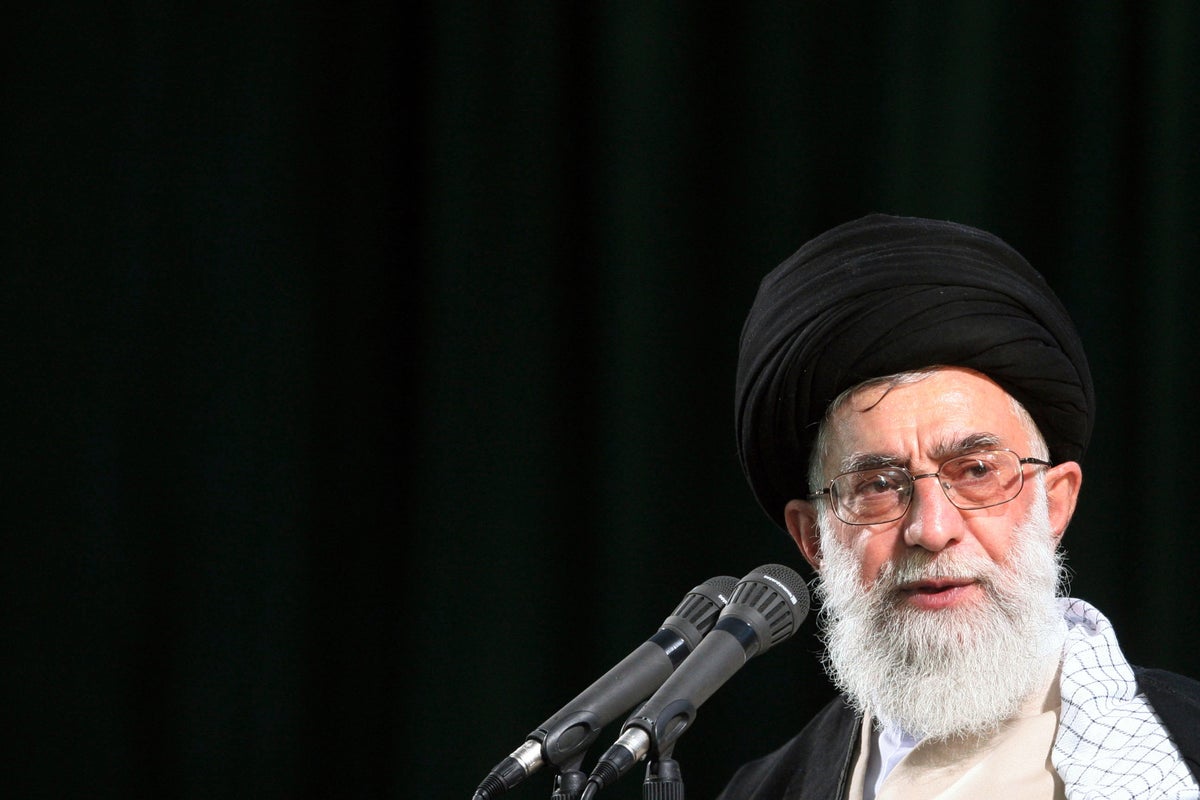
DUBAI, United Arab Emirates — In a fierce response to the assassination of Ayatollah Ali Khamenei, Iran has vowed to retaliate, igniting a series of military exchanges with Israel. This escalation follows a surprise bombardment by U.S. and Israeli forces that has already claimed the lives of three American service members, marking the first known U.S. casualties in this ongoing conflict.
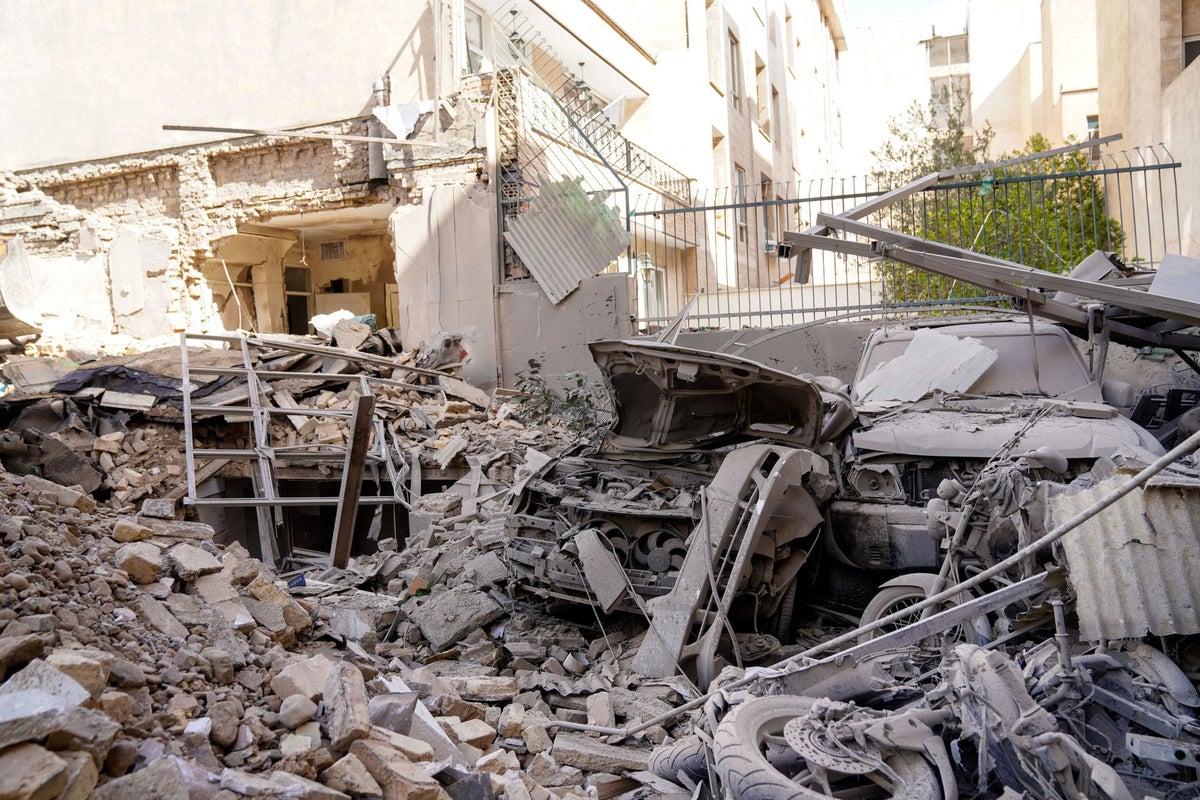
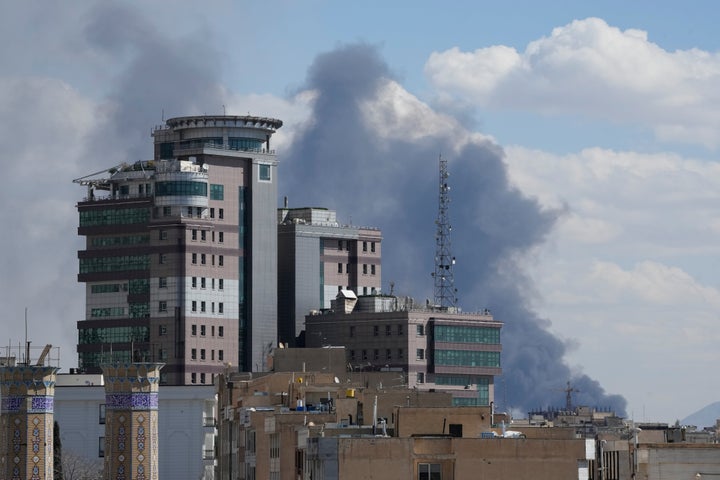
Explosions rocked Tehran, sending thick smoke billowing into the air near government buildings. Iranian officials report that over 200 individuals have died since the strikes commenced, which targeted Khamenei and other high-ranking leaders. In retaliation, Iran launched missiles at Israel and Gulf Arab nations, while Israel committed to relentless strikes aimed at Iran’s military and leadership.
In Tel Aviv, the sound of explosions echoed as missile impacts or interceptions rattled the city. Reports indicate that nine people were killed and 28 injured when a missile struck a synagogue in Beit Shemesh, raising the death toll in Israel to 11. Rescue operations are ongoing, with authorities searching through debris for 11 individuals still unaccounted for.
Meanwhile, U.S. B-2 stealth bombers targeted Iran’s ballistic missile facilities with precision strikes using 2,000-pound bombs. President Trump announced via social media that nine Iranian warships had been “destroyed” and that significant damage had been inflicted on the Iranian navy’s headquarters.
The ramifications of Khamenei's death and Trump's calls for regime change in Iran could lead to a protracted conflict that threatens to engulf the Middle East. This situation presents a stark contrast to Trump’s previous “America First” stance, which emphasized avoiding entanglements in foreign wars.
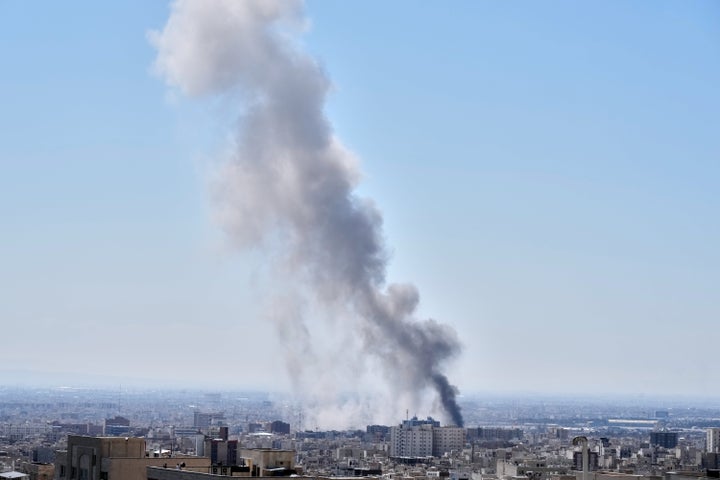
Despite Trump’s urging for an uprising against the Iranian government, Tehran showed little sign of dissent. Witnesses reported deserted streets as residents sheltered from heavy airstrikes. The Basij paramilitary forces established checkpoints throughout the city, intensifying their presence.
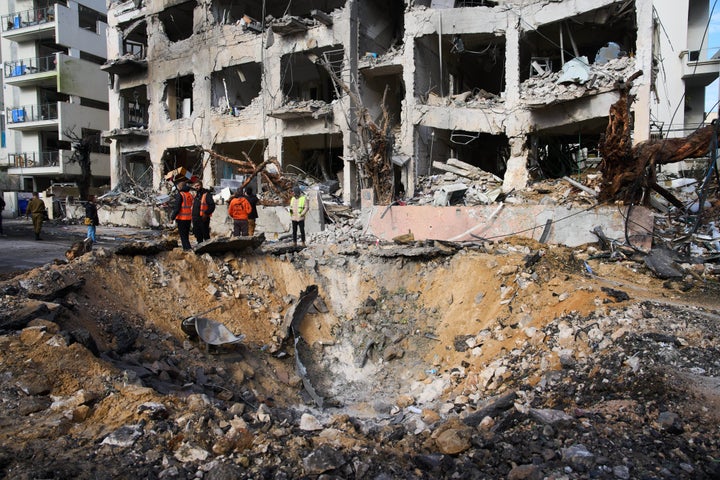
In southern Iran, a devastating strike on a girls’ school resulted in at least 165 fatalities, with many more injured, according to state-run IRNA news agency. The Israeli military claimed no knowledge of such strikes in that region, while the U.S. military is investigating these reports.
The U.S. military confirmed three service members were killed and five others seriously injured during the conflict, with additional personnel suffering minor injuries and concussions.
Last June, a 12-day conflict severely weakened Iran’s military capabilities and nuclear program due to Israeli and American strikes. However, Khamenei's assassination has created a leadership void that could destabilize the region further.
Intelligence sources revealed that the CIA had been monitoring Khamenei and other senior Iranian leaders for months prior to the strikes. This intelligence was shared with Israeli officials, influencing the timing of the attacks.
Iranian President Masoud Pezeshkian announced that a new leadership council has been established, with Foreign Minister Abbas Araghchi stating that a new supreme leader would be appointed within days.
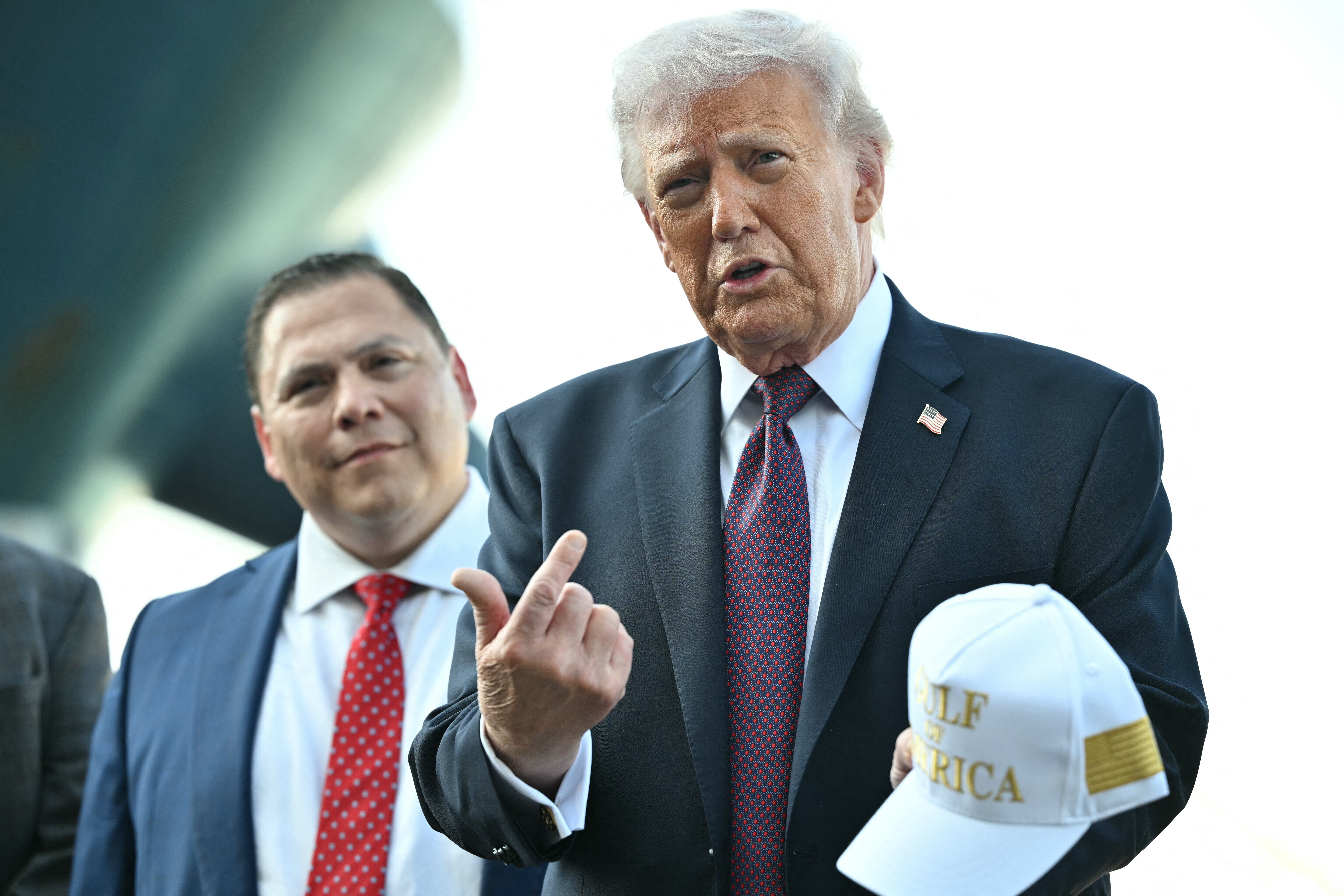
Trump indicated his willingness to engage with Iran’s new leadership, stating, “They want to talk, and I have agreed to talk.” However, he refrained from disclosing any specifics regarding timing.
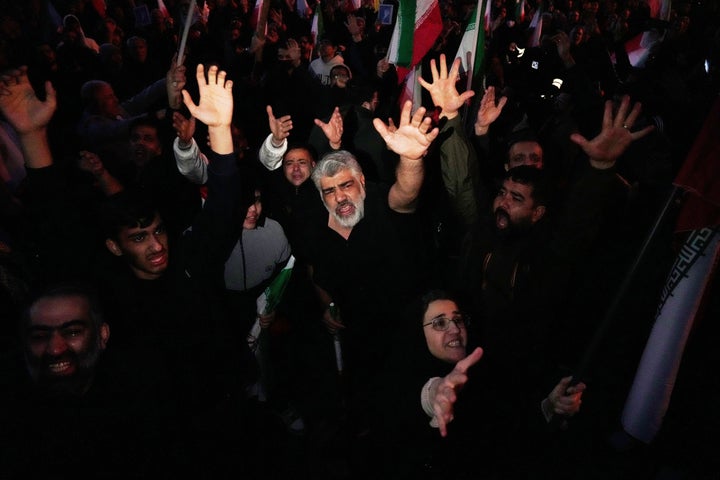
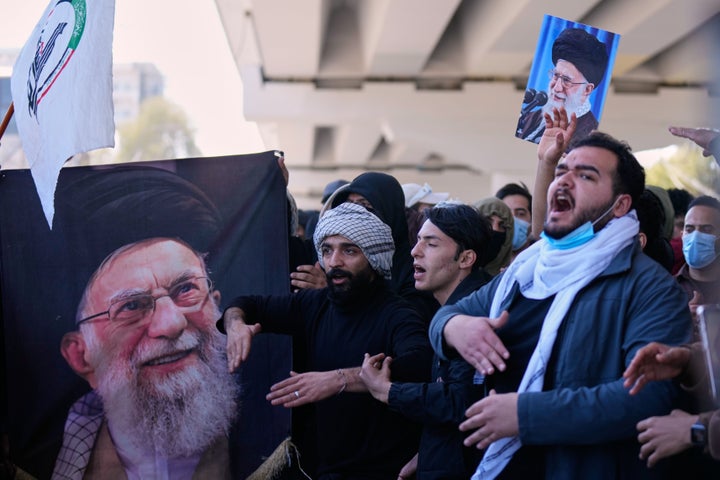
As news of Khamenei's death spread, reactions varied; some celebrated from rooftops while others mourned, as evidenced by a black flag raised over the Imam Reza shrine in Mashhad.
“You have crossed our red line and must pay the price,” declared Mohammad Bagher Qalibaf, Iran’s parliamentary speaker. “We will deliver such devastating blows that you yourselves will be driven to beg.”
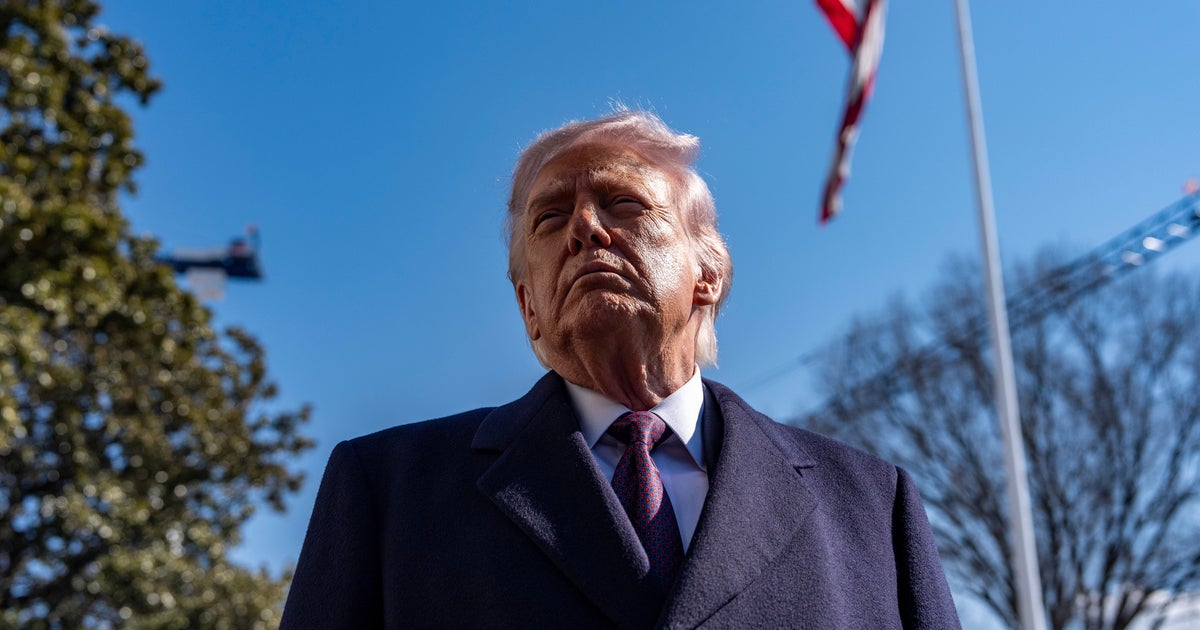
Trump issued a stern warning against any Iranian retaliation: “THEY BETTER NOT DO THAT. IF THEY DO, WE WILL HIT THEM WITH A FORCE THAT HAS NEVER BEEN SEEN BEFORE!”
Khamenei had held ultimate authority over Iran’s policies since 1989, leading both the clerical establishment and the Revolutionary Guard.
An anonymous medical professional in northern Iran described how he and colleagues celebrated Khamenei's death indoors due to heavy security presence. “It was one of the best nights... I didn’t even feel tired,” he shared in a voice message from Rasht.
As U.S. and Israeli forces continue their bombardment of Iran, the Islamic Republic has retaliated with missile and drone strikes targeting Israel and Gulf nations hosting U.S. troops.
The ongoing air war poses risks to global markets, particularly if Iran disrupts shipping through the Strait of Hormuz, a critical passage for approximately 20% of the world’s oil trade.
Iran has targeted U.S. bases in Bahrain and the UAE but has also struck civilian areas, including a hotel in Dubai and Kuwait’s international airport, resulting in at least four fatalities in Gulf nations.
Araghchi attributed these strikes to U.S. and Israeli provocations and urged Gulf leaders to pressure them for an end to hostilities.
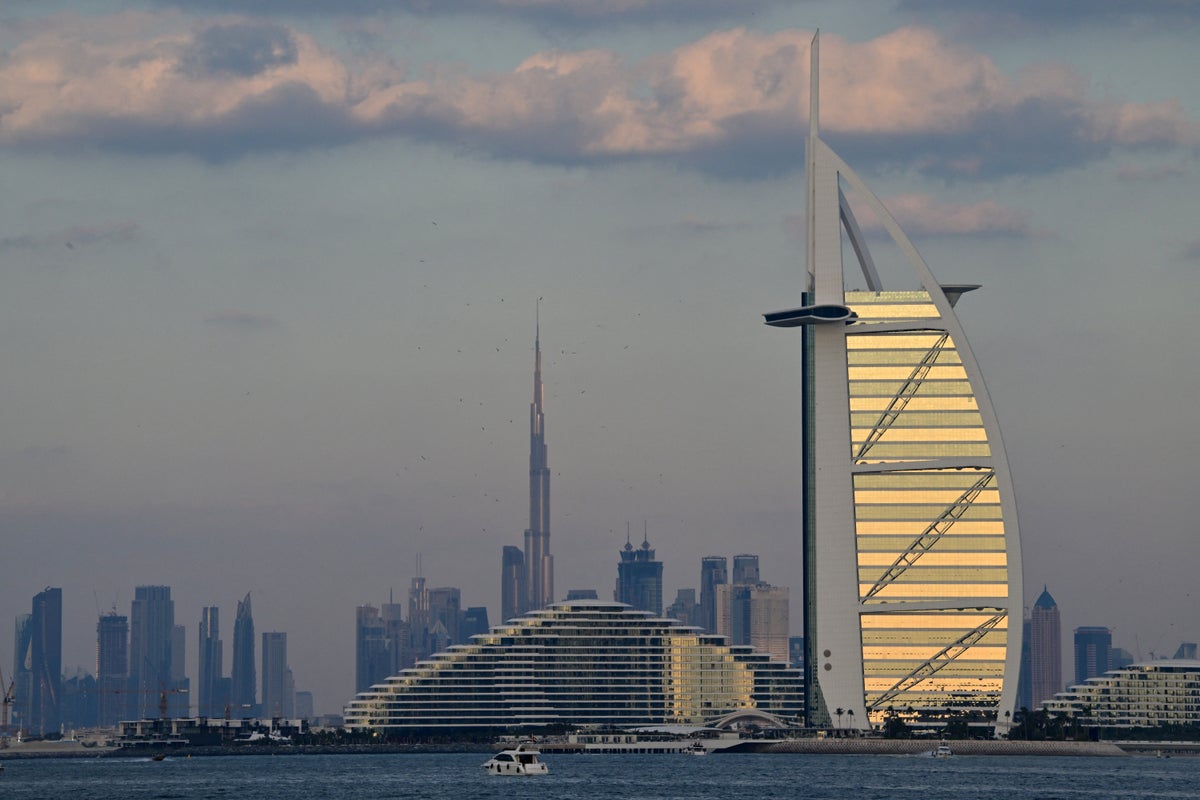
Israel’s Defense Minister Israel Katz announced plans for continuous airstrikes against Iranian military targets. Flights across the Middle East faced disruptions as air defense systems activated over Dubai, which has long been considered a safe haven in a tumultuous region.
Tensions have surged recently as the Trump administration deployed an unprecedented number of American warships and aircraft to the Middle East. While Trump seeks a deal to limit Iran’s nuclear ambitions, dissent within Iran has been growing following widespread protests.
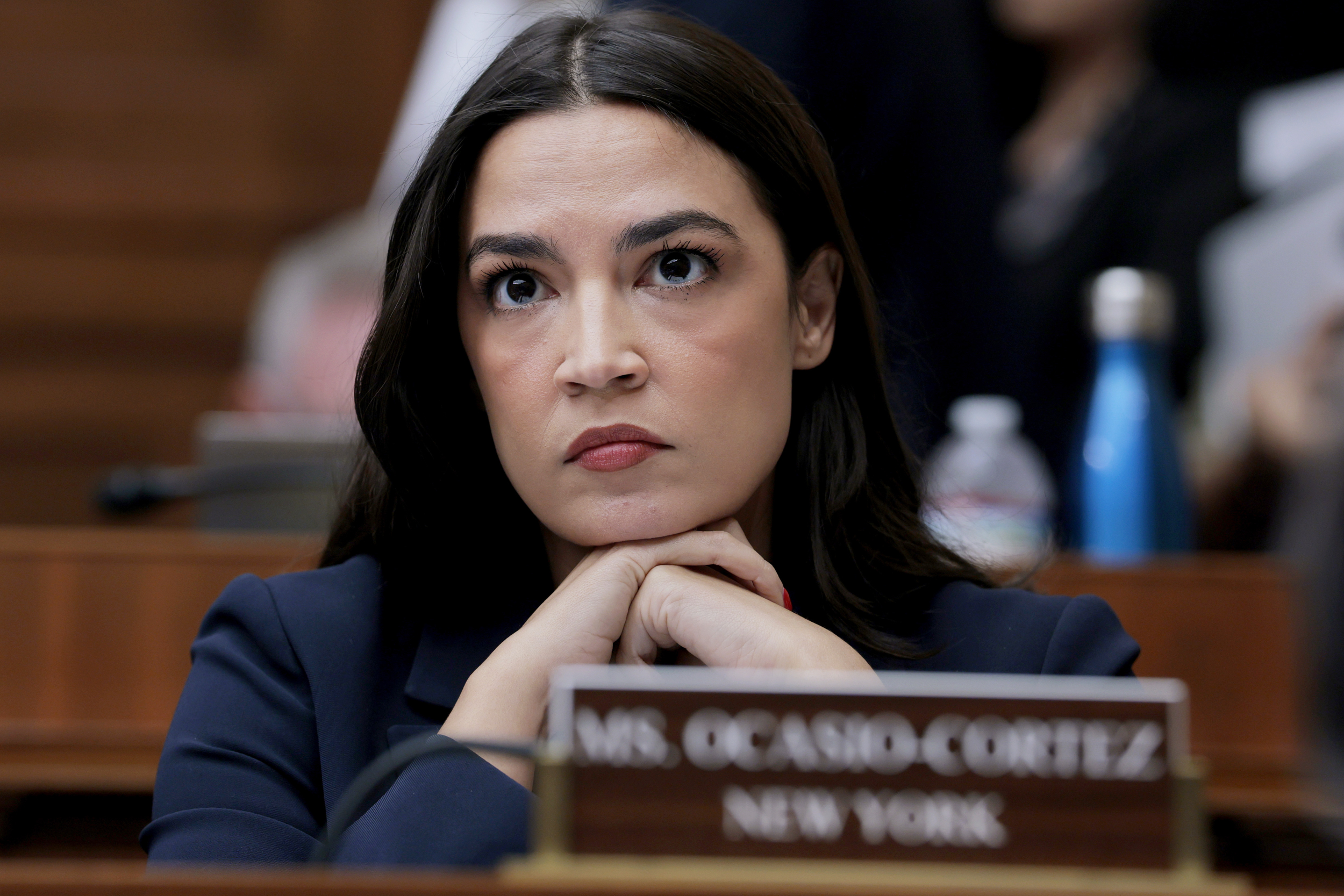
Democrats criticized Trump for acting without congressional approval; however, the White House claimed it had briefed bipartisan congressional leaders beforehand.
Despite Trump’s assertions last year that Iran’s nuclear program had been obliterated, intelligence indicates that Iran is rebuilding its capabilities. A senior U.S. official noted that Iran has developed advanced centrifuge technology necessary for producing weapons-grade uranium.
Iran maintains it has not enriched uranium since June but insists on its right to do so while claiming its nuclear program is peaceful. The country has also restricted access for international inspectors to sites targeted by U.S. bombings. Recent satellite imagery suggests renewed activity at these locations.