
JB Pritzker Showcases Political Clout: Insights from the Politics Desk
From the heart of political strategy, the latest insights reveal a significant moment for Illinois Governor JB Pritzker as he eyes a third term. Unopposed in his nomination, Pritzker is set to face Republican Darren Bailey in the upcoming election.
Last night’s Illinois primaries have sparked discussions about Pritzker’s ambitions beyond state politics, particularly his potential presidential aspirations. The victory of Lt. Gov. Juliana Stratton in her Senate primary against Rep. Raja Krishnamoorthi, who had a substantial financial advantage, highlights Pritzker’s influence in shaping the Democratic landscape.
“It was a crucial test for him,” remarked Jim Durkin, former Republican leader of the Illinois House. “Had he faltered, it could have posed a significant obstacle to his presidential plans. Now, doubts about his political strength are likely to dissipate.”
Pritzker, a billionaire, invested over $5 million into a super PAC supporting Stratton, which collectively spent nearly $15 million on campaign ads. Despite this hefty sum, it still fell short of Krishnamoorthi’s expenditures.
A source close to Stratton’s campaign noted that Pritzker recognized early on that Democratic voters were eager for leaders willing to confront President Trump directly. “JB understood that standing up to Trump would resonate with voters,” the source explained. “It wasn’t just about money; it was about the message.”
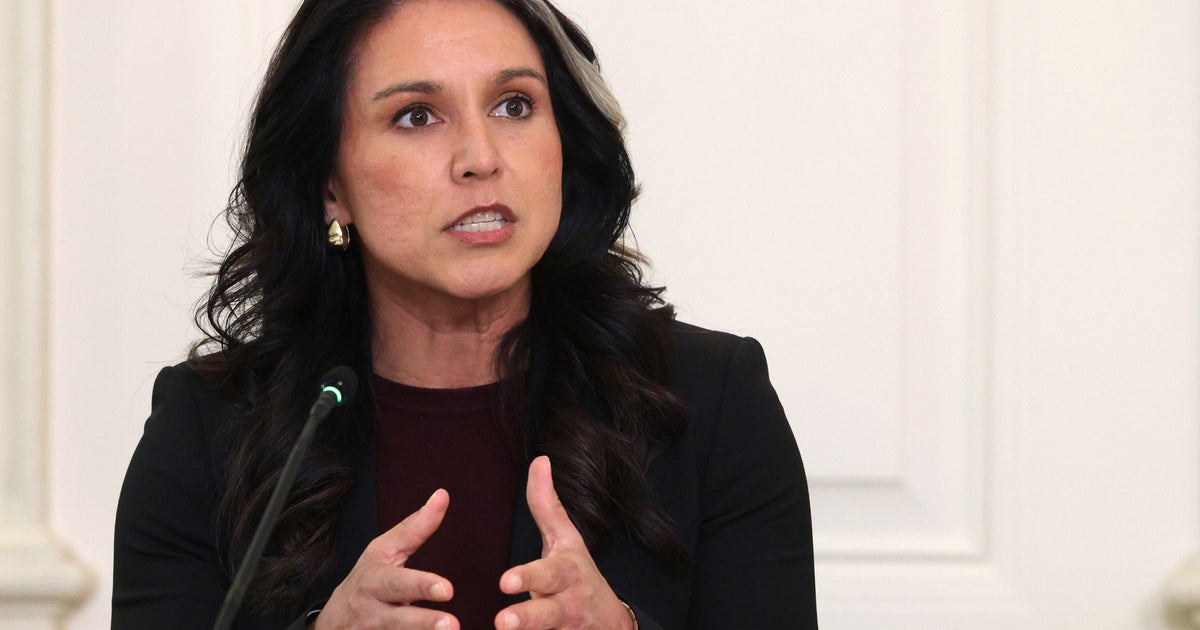
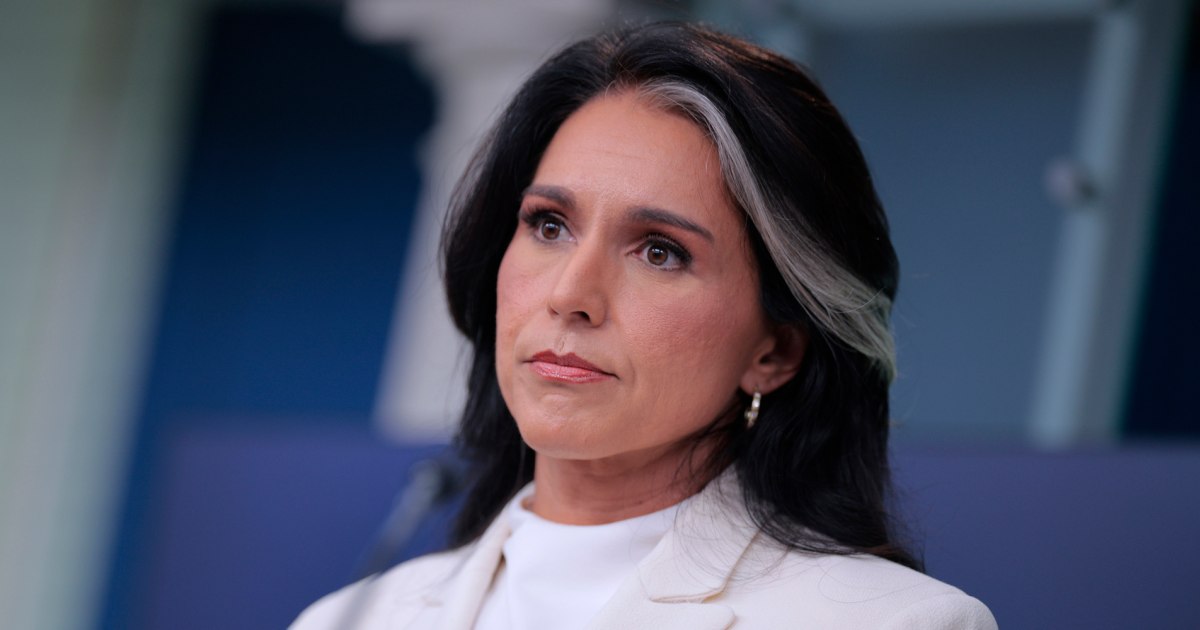
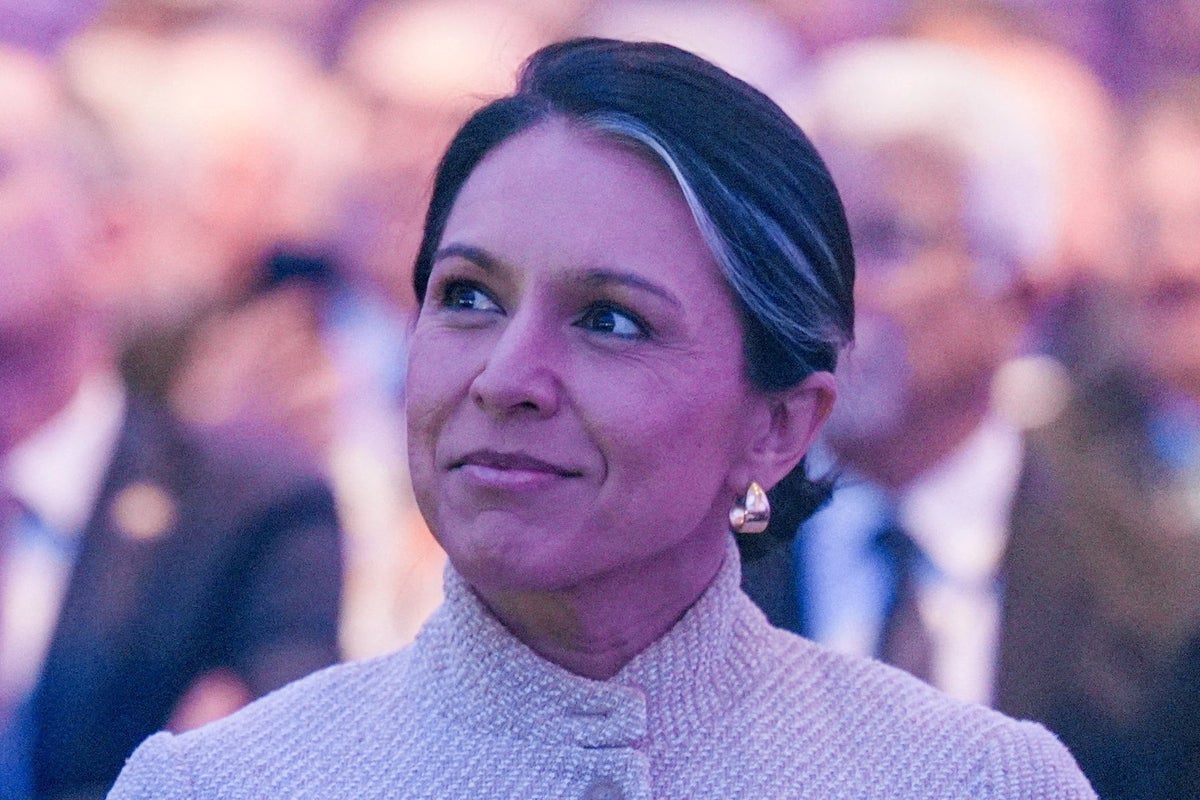
Meanwhile, on Capitol Hill, Director of National Intelligence Tulsi Gabbard faced scrutiny during her testimony before the Senate Intelligence Committee. Her reluctance to take responsibility for President Trump’s claims regarding Iran’s nuclear threat raised eyebrows among committee members.
Senator Jon Ossoff pressed Gabbard on whether the intelligence community assessed an imminent threat from Iran, to which she deflected responsibility back to the president. “Only the president can determine what constitutes an imminent threat,” she stated.
Ossoff countered, emphasizing that it is indeed her duty to assess threats to national security. “Your evasion suggests a reluctance to contradict the White House,” he asserted.
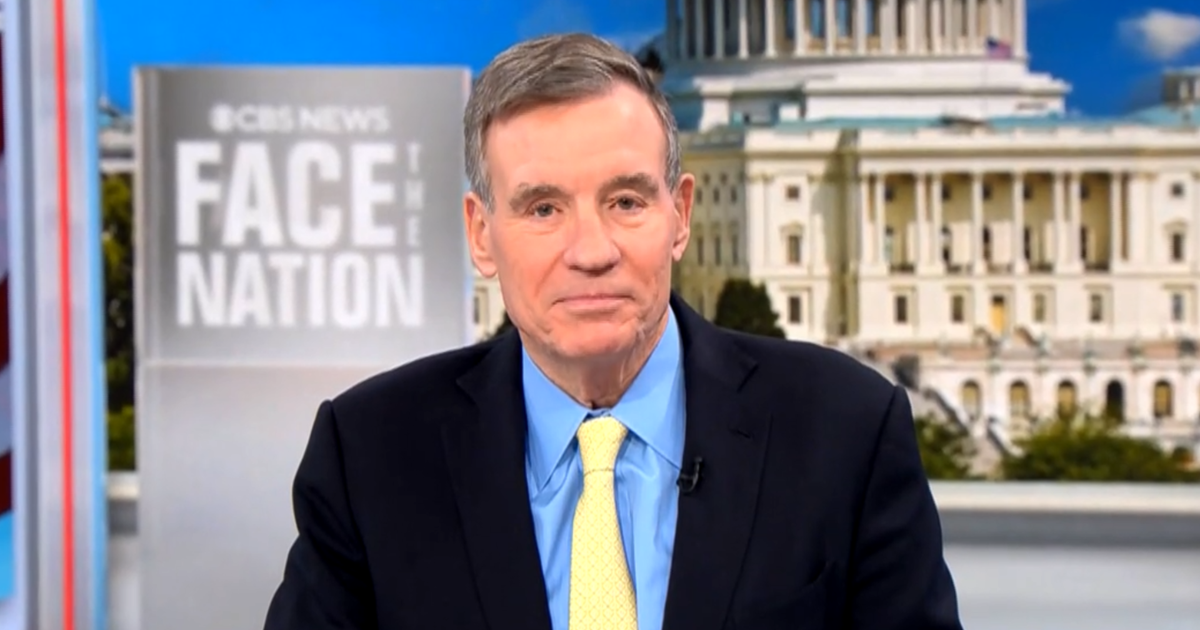
Concerns were further amplified when Senator Mark Warner pointed out discrepancies in Gabbard’s prepared testimony regarding U.S. military actions against Iran. He questioned her omission of critical details during her opening statement.
Gabbard’s performance has led to speculation about her future in the role, especially following the resignation of National Counterterrorism Center Director Joe Kent in protest of the administration's military decisions.
As political dynamics shift, both Pritzker and Gabbard find themselves at pivotal crossroads in their careers, navigating the complexities of power and public perception.
Stay tuned for more updates from the Politics Desk as we continue to track these unfolding stories and their implications for the future.
For feedback or inquiries, reach out at [email protected]. If you enjoy our coverage, share it widely and encourage others to subscribe.