


Jewish Community in Britain Faces Rising Threats Amidst Escalating Violence
LONDON — In 2026, Jack Hur hesitates to wear his Star of David pendant openly. Jewish mothers caution their sons to remove kippot before boarding public transport. Conversations about leaving the country have shifted from hypothetical to urgent.
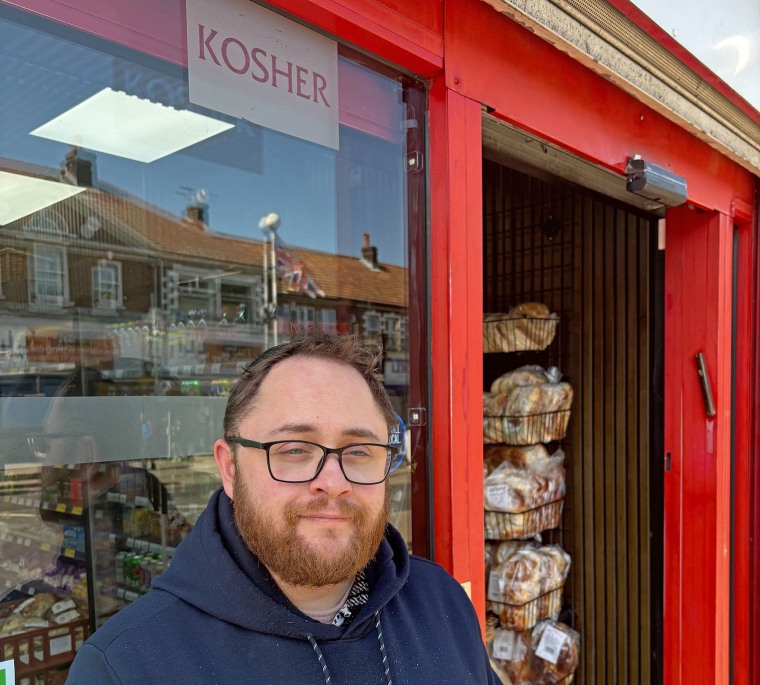
Behind the counter of Sulam’s Kosher Food Store, Hur, 32, reveals his Star of David necklace from beneath his sweatshirt and pulls a kippah from his back pocket. “I only wear this sometimes,” he admits, unfolding the small black skullcap. “It depends where I am.”
“Ultimately for Jews, Britain just isn’t safe,” he states bluntly.
Golders Green, a focal point for the UK’s Jewish community, feels increasingly like a besieged enclave. Antisemitism has surged since the Hamas-led attack on Israel on October 7, 2023, and the subsequent military response in Gaza.
According to the Community Security Trust, a charity monitoring antisemitic incidents, there were 3,700 reported cases last year—more than double that of 2022. Recent attacks on synagogues and Jewish sites have intensified fears.

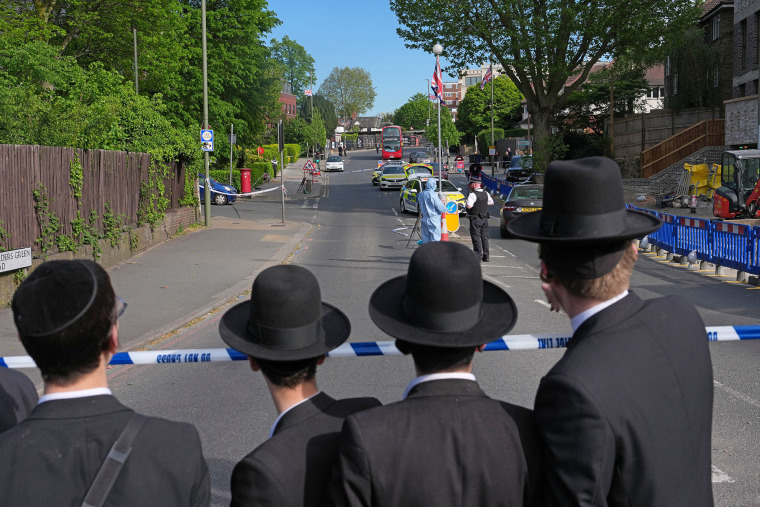
This week, two individuals were stabbed in Golders Green. A Somali-born man, Essa Suleiman, 45, has been charged with attempted murder. He had previously been referred to a government counterterrorism program in 2020, which was closed later that year. Suleiman appeared in court but did not enter a plea.
The Metropolitan Police have classified the incident as a terrorist attack, raising the national threat level from “substantial” to “severe,” indicating an attack is highly likely within the next six months.
“The U.K. has been experiencing a gradual increase in terrorist threats for some time,” said Laurence Taylor, assistant commissioner and head of counterterrorism at the Metropolitan Police. “We are seeing an elevated threat to Jewish and Israeli individuals and institutions in the UK.”
Britain’s chief rabbi, Ephraim Mirvis, echoes Hur’s sentiments: “If you are visibly Jewish, you’re not safe,” he remarked during a recent interview.
Some attacks have been claimed by a group known as Harakat Ashab al-Yamin al-Islamia (HAYI), which analysts suggest has ties to Iran’s Islamic Revolutionary Guard Corps. The extent of HAYI's involvement remains unclear.

This situation is alarming for many of Britain’s 290,000 Jews, who have historically integrated into British society. Despite facing antisemitism, they have contributed significantly to the nation’s fabric, with figures like Prime Minister Benjamin Disraeli and the Kindertransport program saving thousands during World War II.
On a warm Friday morning along Golders Green Road, just blocks from where the stabbings occurred, anger permeates the air more than fear.
Police cars pass frequently, officers stationed outside local transport hubs. For many residents, this heightened presence feels like too little too late.
He converses with friends beneath a Union Flag hanging from a lamppost on this bustling street lined with shops and postwar homes. “In a week’s time, the police presence will be back to what it was,” another local remarked, expressing distrust towards media portrayals of their plight.
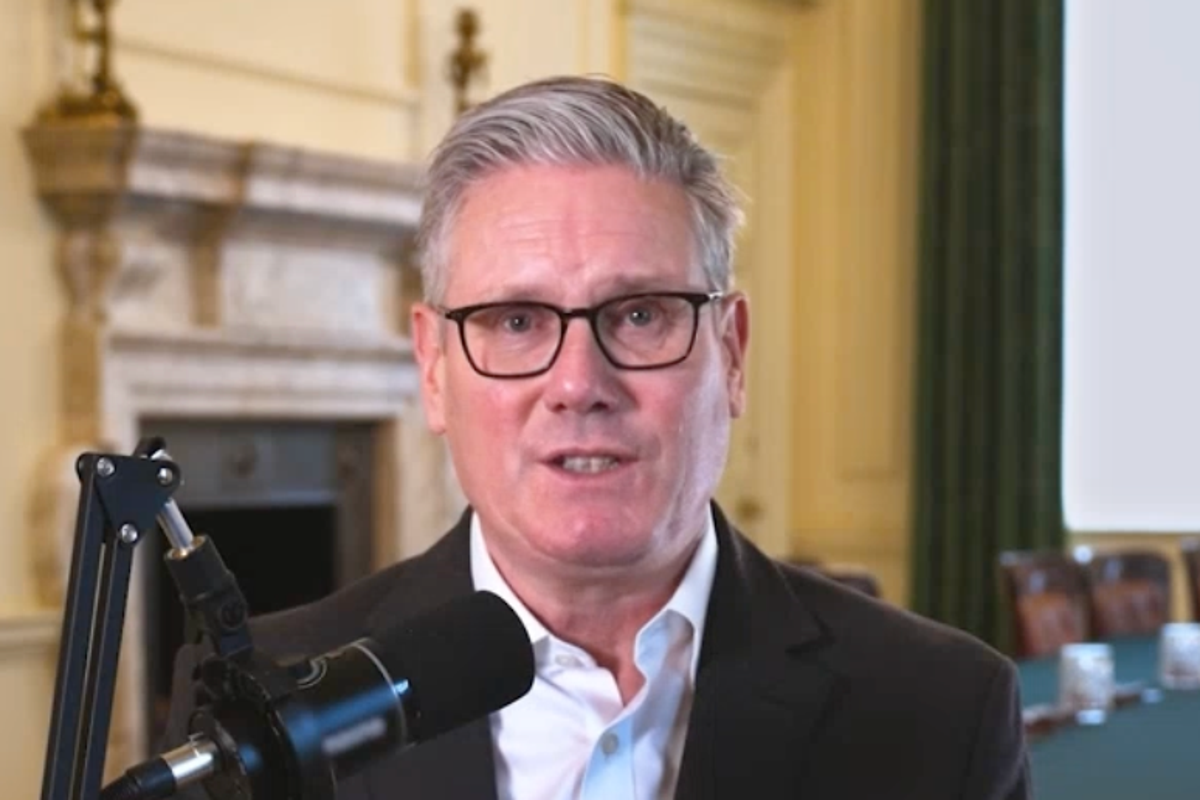
Much of the community's ire is directed at Prime Minister Keir Starmer. During his visit to Golders Green this week, he faced heckling from crowds chanting “Keir Starmer, Jew-harmer.”
In response to community concerns, Starmer acknowledged their fears and condemned the “extreme racism” that has left many feeling scared and unwelcome.
Critics argue that Starmer’s handling of pro-Palestinian marches—often labeled as “hate marches”—has exacerbated tensions. Some demonstrators have expressed antisemitic sentiments, while organizers insist their focus is solely on the Israeli government.
Conversations in Golders Green reveal an undercurrent of animosity towards Muslims. One man in a dark suit and kippah expressed fears of an impending takeover by newcomers. “We are all refugees,” said Ezra Kahn, 88. “But there’s a difference between us and those coming in now.”
While some Jewish individuals express these sentiments, many community leaders advocate for interfaith solidarity. The Board of Deputies of British Jews emphasizes its commitment to fighting anti-Muslim hatred alongside other communities.

As shopkeepers prepare for Shabbat on this sunny Friday, they note an unsettling shift in societal attitudes. The recent stabbings and arson attacks against synagogues have made antisemitic language more visible than ever before.
Nigel Farage faces allegations of past antisemitism from former classmates, while two Green Party candidates were arrested for posting antisemitic content online ahead of local elections.
A casual scroll through social media reveals violent rhetoric against Jews that would have been unthinkable just years ago.
The result? A growing sense of insecurity among Jewish Britons. A poll by the Campaign Against Antisemitism found that 61% of respondents considered leaving Britain altogether.
“You cannot be Jewish in Britain today,” lamented one woman in designer sunglasses. “My friends tell their sons to take off their kippot before getting on the tube.”
Outside Beth Shmuel Synagogue, two men guard the premises in casual attire except for their kippot. This level of security has become a grim necessity in contemporary Britain.
“Jewish people will be fine,” one man said. “We may have to move to another country; we may eat less sushi, but it’s nothing we haven’t done before.” He added, “It’s the regular Brits who will suffer long-term from what’s happening.”