

Justice Department Set to Transfer Sensitive Voter Data to Homeland Security
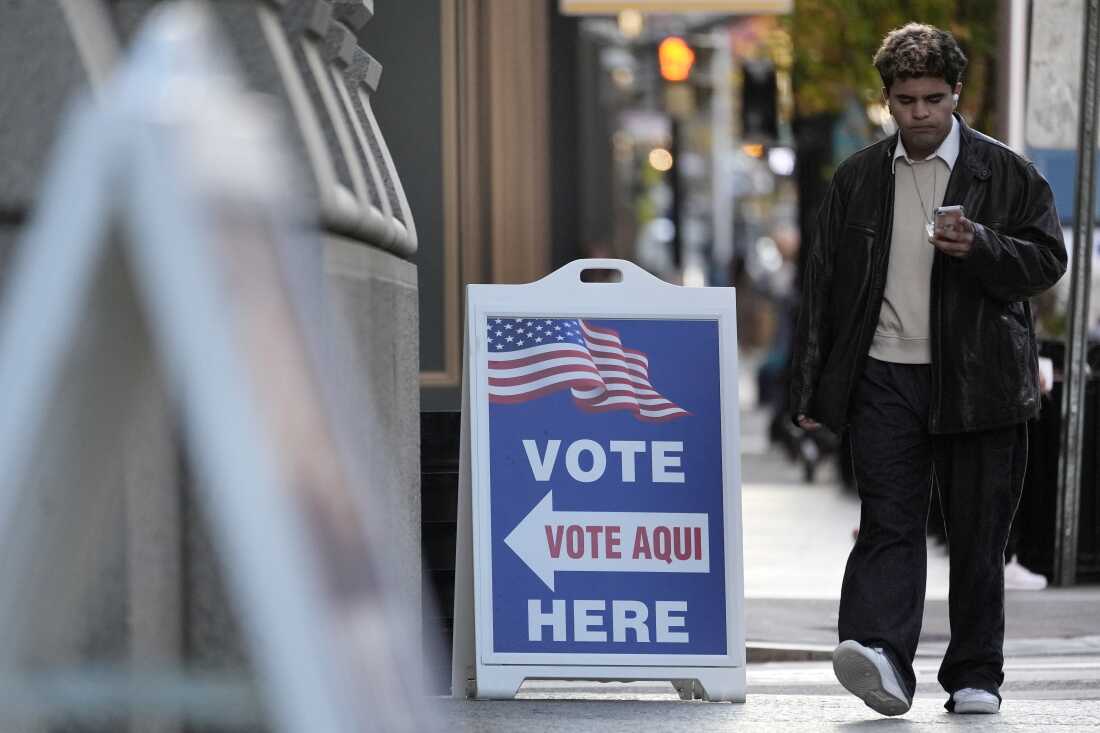
On November 5, 2024, a man strolled past a polling place at City Hall in Providence, R.I., as significant developments unfolded in the realm of voter data management.
During a federal court hearing in Rhode Island, the Department of Justice revealed its intention to share voter registration information obtained from states with the Department of Homeland Security. This data will undergo scrutiny through a U.S. citizenship verification system maintained by DHS.
This disclosure emerged amidst ongoing legal battles, with Rhode Island being one of over two dozen states facing lawsuits from the DOJ for declining to provide sensitive voter data. The Rhode Island secretary of state's office confirmed the DOJ's statement but refrained from further comments, leaving many questions unanswered.
Last year, the Trump administration revamped a DHS data system known as SAVE, transforming it into a contentious tool for citizenship verification. This system utilizes an individual's name, date of birth, and Social Security number to ascertain citizenship status. Federal officials have been advocating for states to utilize this upgraded SAVE system to identify any noncitizens on their voter rolls.
States like Texas and Louisiana have already processed their entire voting lists through SAVE, uncovering minimal instances of potential noncitizens—aligning with state-level assessments. However, the system has also misidentified some U.S. citizens, intensifying concerns among voting rights advocates about the risk of disenfranchising eligible voters.
In its legal actions against various states, the DOJ has referenced federal laws aimed at ensuring proper maintenance of voter rolls. Yet, federal judges in California, Oregon, and Michigan have dismissed these lawsuits, with one California judge labeling the government's request as "unprecedented and illegal."
For months, state officials and voting rights advocates have speculated whether part of the DOJ's motivation for acquiring voter roll data was to facilitate sharing with DHS and running checks through SAVE. Previous statements from federal officials regarding this intent have lacked clarity.
In November, ten Democratic secretaries of state urged leaders from both agencies to clarify what they termed "contradictory" statements regarding the sharing of voter data.
"The DOJ's admission during the Rhode Island hearing seems to validate arguments made by the Campaign Legal Center and others in courts nationwide—that the federal government's pursuit of voter rolls is part of a broader initiative to undermine states' constitutional authority over elections and voter roll maintenance," stated Dan Lenz, senior legal counsel for strategic litigation at the Campaign Legal Center.
He further expressed that this concession raises significant concerns about compliance with the Privacy Act and other data protection regulations.
As of now, the Justice Department has not issued any public statements regarding a data-sharing agreement with DHS or provided an avenue for public commentary on this plan, which is mandated under the Privacy Act prior to any data sharing.