Kilmar Abrego Garcia Demands Judge to Quash 'Retaliatory' Human Smuggling Charges
Attorneys representing Kilmar Abrego Garcia are urging a federal judge to dismiss human smuggling charges against him, asserting that the prosecution is rooted in vindictiveness.
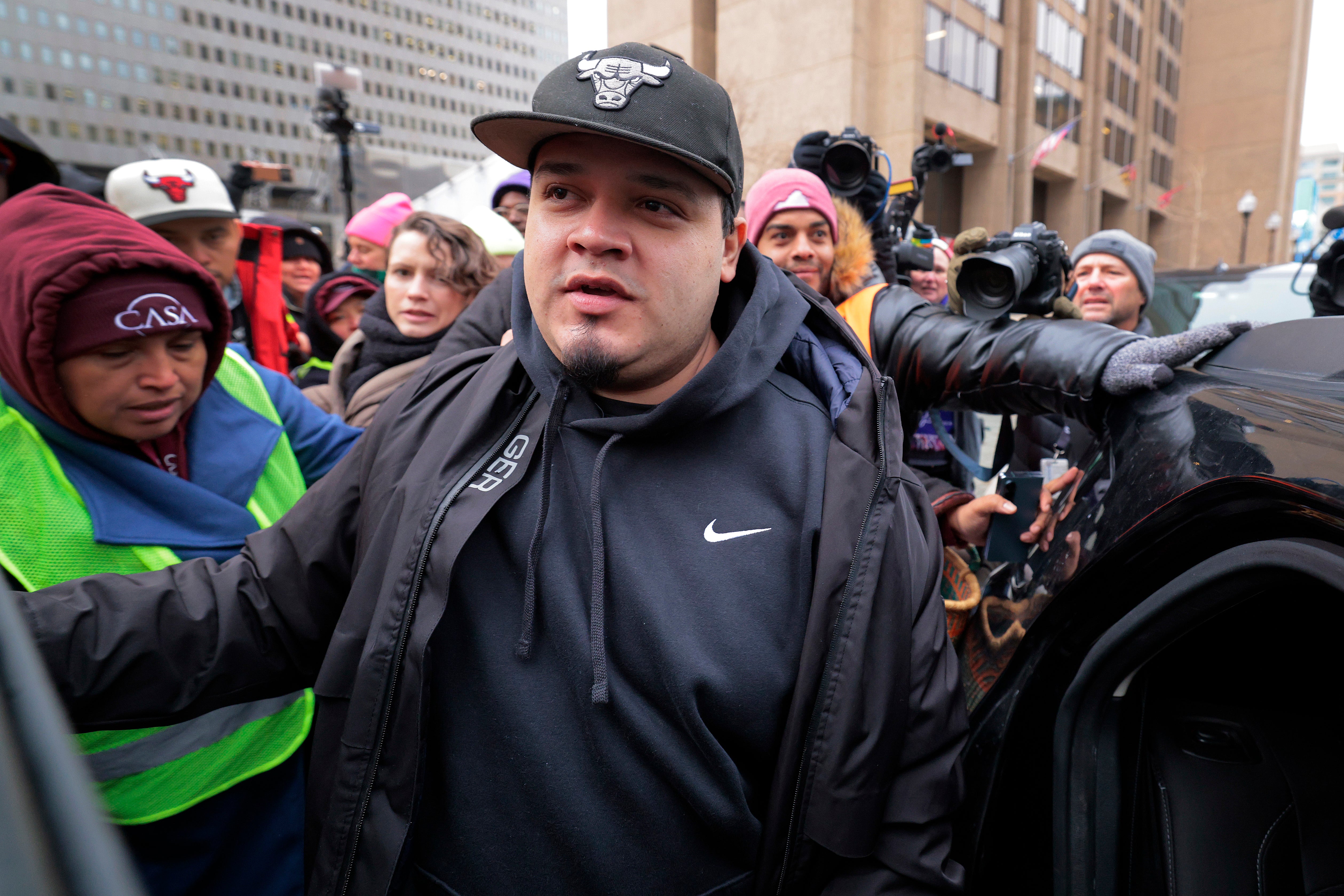
Abrego Garcia, whose wrongful deportation has sparked significant discussion in immigration circles, contends that his legal troubles are a retaliatory measure orchestrated by officials from the Trump administration. He claims this action was taken as punishment after they were compelled to facilitate his return to the United States.
At 30 years old, Abrego Garcia entered the U.S. illegally as a minor. He has since built a life in Maryland, where he is married to an American citizen and has a child. For years, he lived under the watchful eye of U.S. Immigration and Customs Enforcement.
Despite being a citizen of El Salvador, an immigration judge ruled in 2019 that he faced threats from gangs in his home country, which led to a court order preventing his deportation.
However, after being deported to El Salvador last year, the U.S. Supreme Court mandated that the Trump administration must take steps to return him to the U.S.
Upon his return, Abrego Garcia was confronted with criminal charges stemming from a traffic stop in Tennessee in 2022. Body camera footage captured a composed interaction between him and a Tennessee Highway Patrol officer after he was pulled over for speeding.
During the stop, there were nine passengers in the vehicle, and officers expressed their suspicions regarding potential smuggling. Ultimately, Abrego Garcia was permitted to continue driving with just a warning.
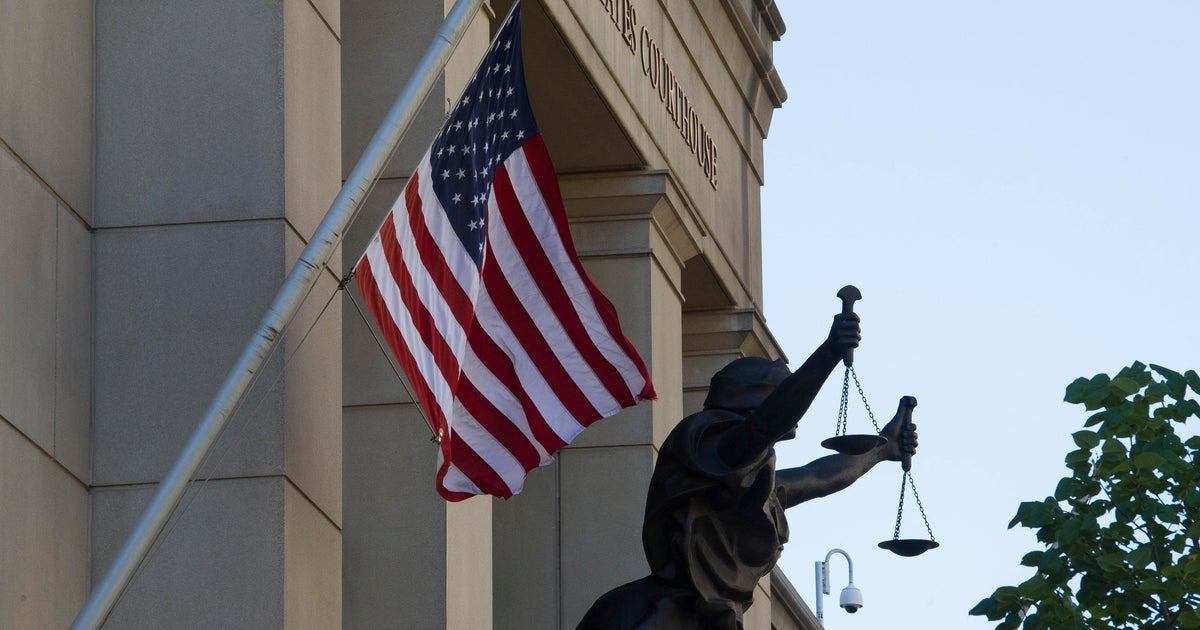
U.S. District Judge Waverly Crenshaw previously noted that there is evidence suggesting the prosecution against Abrego Garcia “may be vindictive.” He highlighted statements from Trump administration officials that raised concerns about the motivations behind the charges. Notably, Deputy Attorney General Todd Blanche's comments implied that the Justice Department's decision to charge Abrego Garcia was influenced by his success in contesting his wrongful deportation.
For months, Abrego Garcia's legal team has been engaged in disputes with prosecutors regarding whether officials like Blanche should testify at an upcoming hearing and what emails from Justice Department officials must be disclosed. First Assistant U.S. Attorney for the Middle District of Tennessee Rob McGuire maintains that he independently decided to pursue prosecution, rendering the motivations of other officials irrelevant.
Judge Crenshaw has personally examined numerous contested documents. In an order unsealed in late December, he remarked that some documents indicate McGuire was not acting alone; rather, he reported to others within the Department of Justice, suggesting that the decision to prosecute Abrego Garcia may have been a collective one.