


Lebanon's Dire Warning: Hezbollah's Threat of War with Israel Looms Large
Lebanese Foreign Minister Youssef Raggi has issued a chilling warning: Hezbollah could plunge Lebanon into another catastrophic war with Israel, this time under direct orders from Tehran. This threat comes as a fragile diplomatic process, initiated in June, shows little sign of progress.
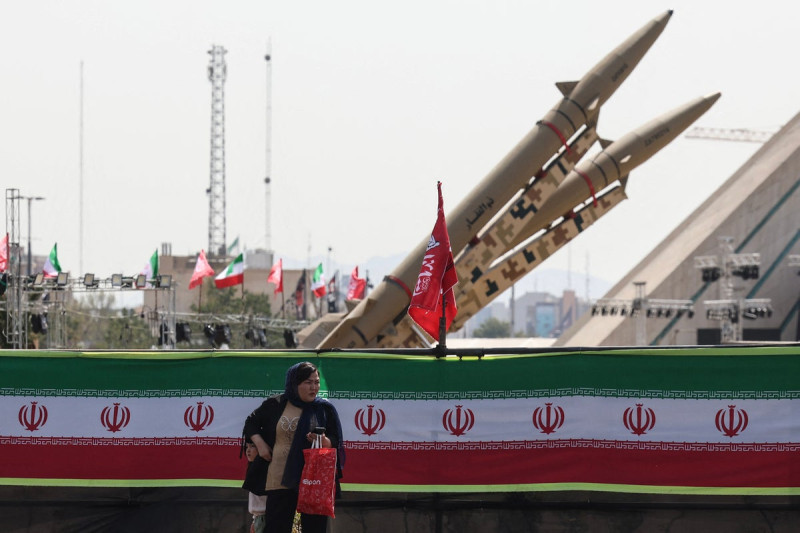
Raggi's concerns stem from Iran's tight grip on Hezbollah's strategic decisions. He has emerged as a fierce critic of Tehran, accusing it of using its proxy to embroil Lebanon in conflicts that serve Iranian interests while jeopardizing Lebanon's stability.
At an Arab foreign ministers meeting in Cairo last month, Raggi condemned Hezbollah for dragging Lebanon into two devastating wars with Israel—one in October 2023 and another in March 2026. He demanded that Iran cease its supply of weapons and funding to Hezbollah and stop interfering in Lebanese sovereignty.
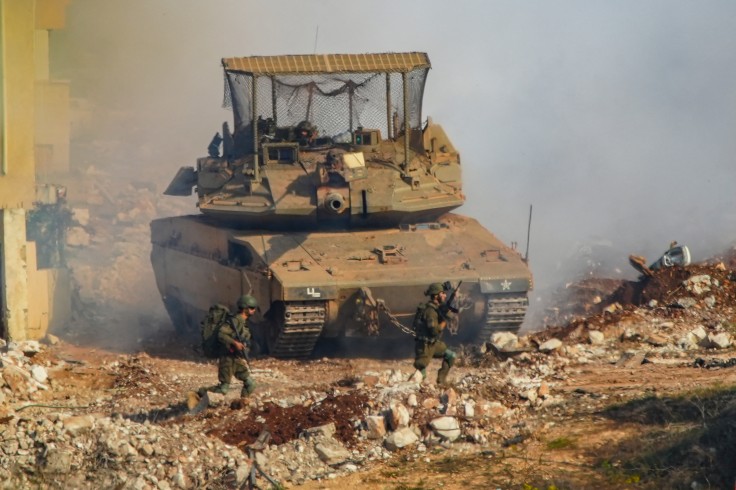
Raggi reiterated the Lebanese government's demand for Israeli forces to halt operations and withdraw from Lebanese territory occupied since the 2026 war. This stance puts Beirut in a precarious position, confronting both its internal armed faction and a neighboring state conducting military operations on its soil.
In August 2025, the Lebanese government made a formal decision to place weapons solely in the hands of legitimate security forces, aiming to extend state authority across its territory. This policy has long been advocated by Western governments and the United Nations, setting Lebanon on a collision course with Hezbollah.
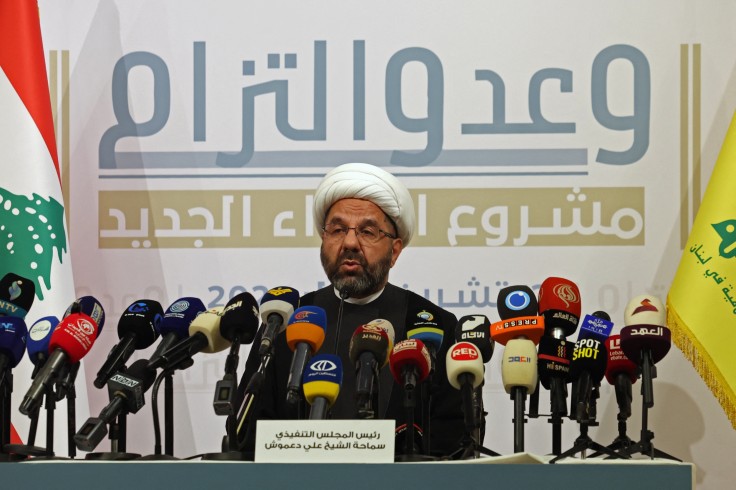
Prime Minister Nawaf Salam has consistently asserted that the state is regaining control over decisions regarding war and peace. He claims the Lebanese Army has "full operational control over the south," a statement he first made in February 2026 before Israel's March reinvasion. However, Hezbollah has refused to comply with this assertion. Group leader Naim Qassem warned that attempts to disarm the group would leave Lebanon with "no life," hinting at potential internal destabilization while acknowledging Iran's military and financial support.
Raggi has resisted Iranian pressure, declining an invitation from his Iranian counterpart to visit Tehran in December 2025. Instead, he proposed a meeting in a neutral country, symbolizing Lebanon's desire for independence from Tehran's influence.
During the meeting with Ireland's Foreign Affairs Minister Helen McEntee, both emphasized the critical role of the Lebanese Armed Forces in stabilizing the south. They discussed the importance of maintaining an international military presence in the region, particularly post-UNIFIL security arrangements following the planned conclusion of the UN peacekeeping mission at year's end.
Raggi urged for a more proactive European role, leveraging Ireland's EU Council Presidency through December 2026. Beirut seeks EU engagement that extends beyond mere statements, specifically coordinated pressure on Israel for a complete withdrawal from Lebanese territory and on Hezbollah's backers to restrain the group from further military actions.

The backdrop is one of diplomatic stagnation. A trilateral framework agreement was signed by Lebanon, Israel, and the United States on June 26, 2026, after five rounds of U.S.-mediated talks. This agreement outlined a phased Israeli withdrawal linked to Hezbollah's disarmament. Secretary of State Marco Rubio labeled it "a first step toward peace." However, implementation has proven fraught with challenges: Israel maintains an occupied security zone in southern Lebanon while limiting withdrawals to specific pilot areas, Hezbollah outright rejects disarmament, and subsequent negotiations at the U.S. Embassy in Rome yielded no significant progress.
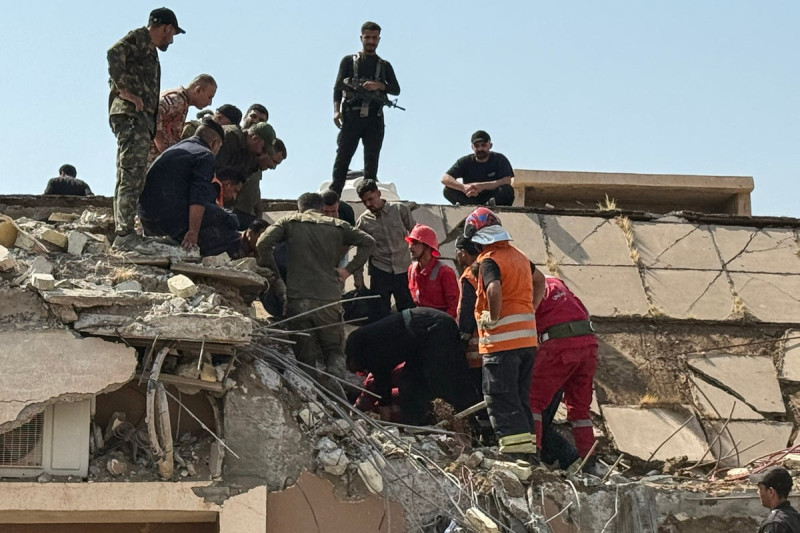
Lebanese civilians have suffered immensely due to this stagnation. Over 4,000 people were killed in Israeli strikes between March and the signing of the June framework. Ongoing mass displacement from conflicts in 2023 and 2026 exacerbates pressures on a nation already grappling with severe economic turmoil.
For Raggi, the situation is clear: Lebanon has taken significant steps toward sovereignty and exclusive state control over weapons as demanded by the international community. Meanwhile, forces opposing this project operate without accountability. The pressing question remains whether the EU, the United States, and their allies can transform diplomatic frameworks into tangible outcomes before Hezbollah, acting under Tehran's direction, ignites another wave of destruction.