Markwayne Mullin's Disturbing Remarks on Renee Good Spark Outrage Among Experts
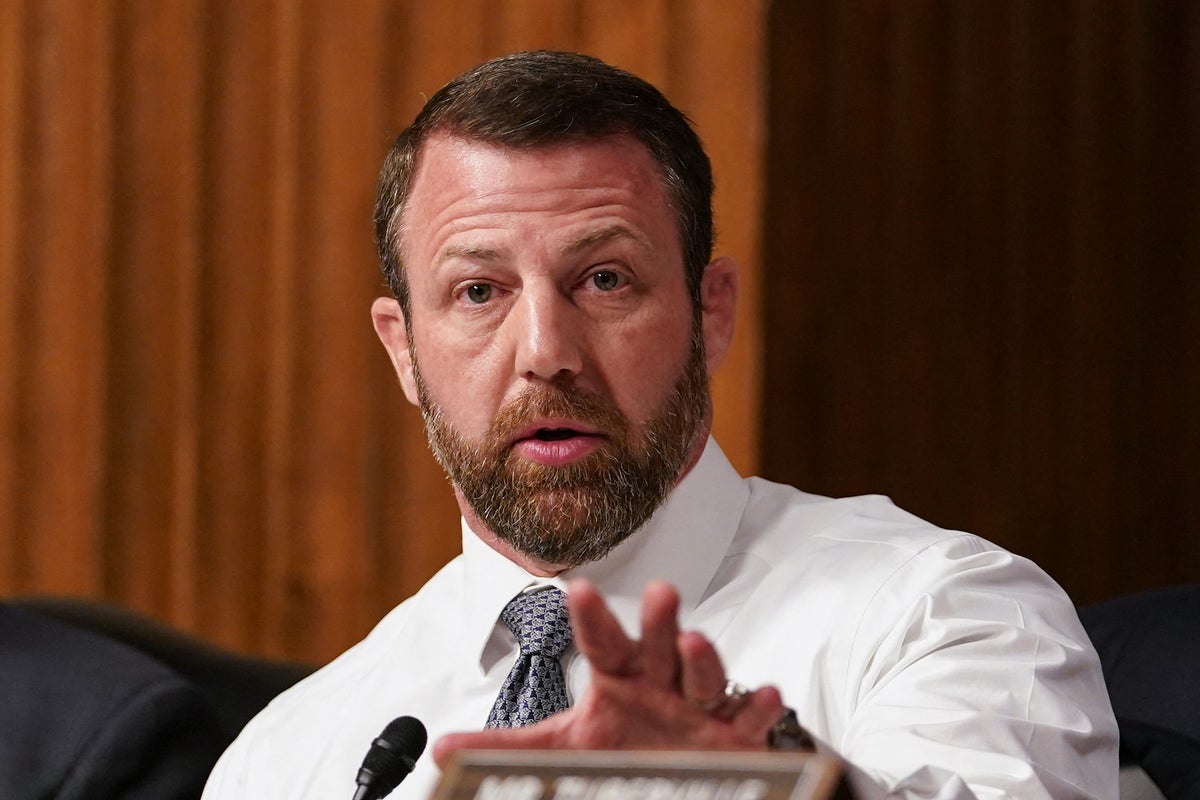
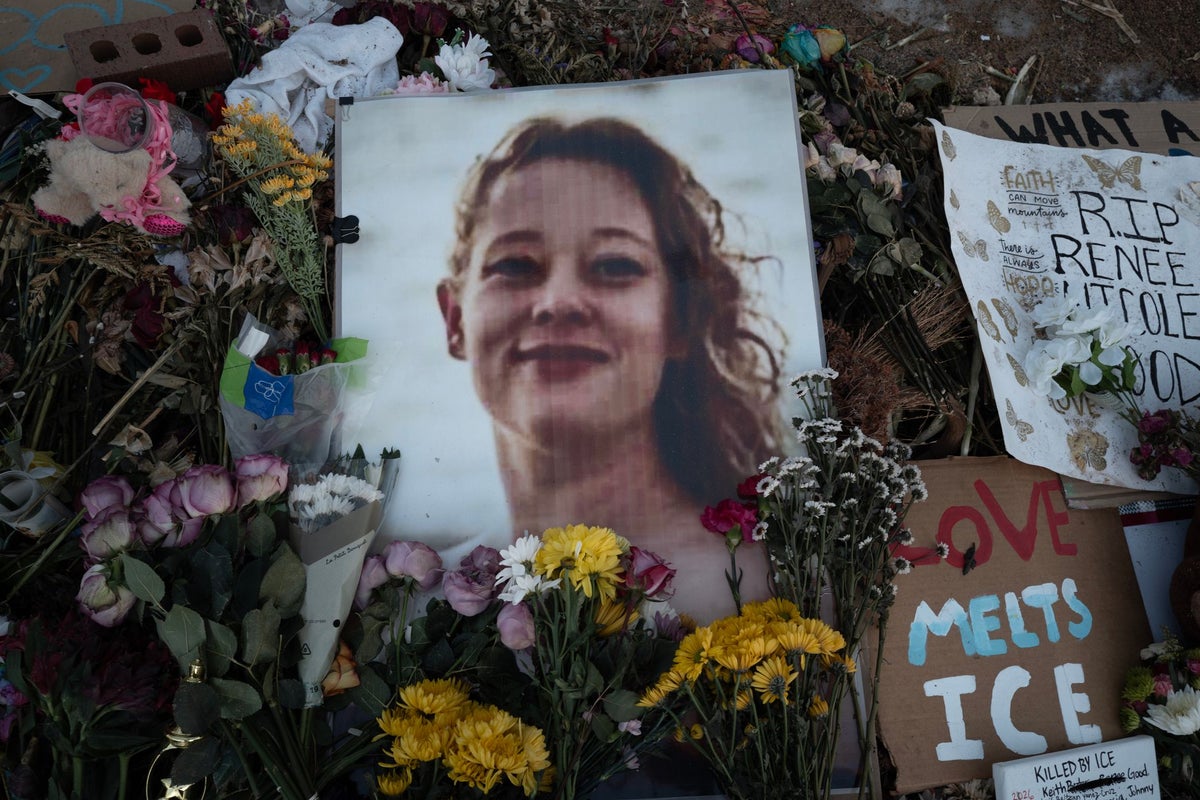
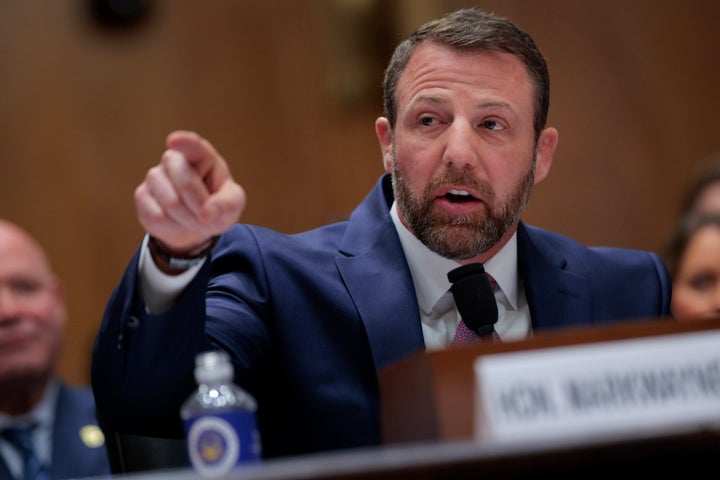
During a Senate confirmation hearing on Wednesday, Sen. Markwayne Mullin (R-Okla.) faced intense scrutiny over his previous remarks about Renee Good, a Minneapolis resident fatally shot by federal immigration agents. Experts in American studies and civil rights expressed alarm at Mullin's responses, which many deemed troubling.
Mullin, nominated by former President Donald Trump to lead the Department of Homeland Security, was questioned about his public statements following the deaths of Good and Alex Pretti. Both individuals were killed in January by federal agents, and Mullin's comments immediately after the incidents have drawn criticism.
When pressed by Sen. Gary Peters (D-Mich.) about his description of Pretti as a “deranged individual that came in to cause max damage,” Mullin acknowledged he “shouldn’t have said that” but stopped short of apologizing to Pretti’s family, citing an ongoing investigation.
As for his remarks regarding Good, Mullin refused to retract his previous statements. He reiterated his belief that the shooting was “absolutely” justified, claiming that an officer had to make a split-second decision when a car was approaching. “At that point, the car becomes a lethal weapon,” he stated.
Sen. Richard Blumenthal (D-Conn.) pressed Mullin further, questioning whether he regretted his earlier comments. “I’m saying the investigation is going on,” Mullin replied, despite Blumenthal pointing out that no such investigation was currently taking place.
Blumenthal highlighted that state and local officials in Minnesota had been barred from participating in investigations into the deaths of Good and Pretti. The Deputy Attorney General had previously stated there was “currently no basis for a criminal civil rights investigation” into Good’s shooting.
Mullin claimed during the hearing that the FBI was “looking into” Good’s case. However, his past comments about Good and Pretti have raised eyebrows, particularly after he defended former Homeland Security Secretary Kristi Noem’s assertion that Good had committed an “act of domestic terrorism.”
Experts like civil rights attorney Alexa Van Brunt criticized Mullin’s refusal to retract his statements about Good, expressing concern over his lack of engagement with evidence. “He made statements that didn’t accord with the evidence,” she noted, emphasizing the need for an objective inquiry into the shooting.
Kari J. Winter, a professor of American studies, pointed out that genuine leaders in law enforcement should be impartial and deliberative—qualities she believes Mullin lacks. “In January, seeing no need to investigate, he immediately declared Renee Good and Alex Pretti deserving of death,” she remarked.
Van Brunt also expressed dismay at Mullin’s continued defense of the officer involved in Good’s shooting, noting discrepancies between his statements and available video evidence. “All the footage does not show him being hit by a car,” she stated, highlighting the factual inaccuracies in Mullin’s claims.
Winter questioned why Mullin retracted his statement about Pretti while maintaining his harsh judgment of Good. She pointed to his history of controversial positions on various social issues, including abortion and violence against women, suggesting a pattern of behavior that raises concerns about his suitability for leadership.
“Does he really not know that DOJ blocked investigations into Renee Good’s shooting?” Winter asked, reflecting on the broader implications of Mullin’s statements and actions. She warned that such behavior could undermine trust in law enforcement agencies.
During the hearing, Sen. Rand Paul (R-Ky.) also called attention to Mullin’s “anger issues,” suggesting that a lack of professional ethics could pave the way for more authoritarian practices within law enforcement. “The first rule of law enforcement is to build trust and legitimacy within the community,” Winter concluded, casting doubt on Mullin’s ability to restore faith in ICE under his leadership.
Mullin’s testimony suggested that under his guidance, ICE agents would violate constitutional rights less frequently than they did under Noem. However, Winter countered this notion by asserting that many believe the federal government should be upholding rights rather than infringing upon them.