

Missouri's Election Chaos: A Legal Minefield Ahead of Midterms
The Supreme Court's recent ruling has thrown Missouri's elections into chaos, with a new congressional map stalled in the courts and millions of voters caught in the crossfire. The state’s election integrity hangs by a thread as doubts swirl just days before Election Day.
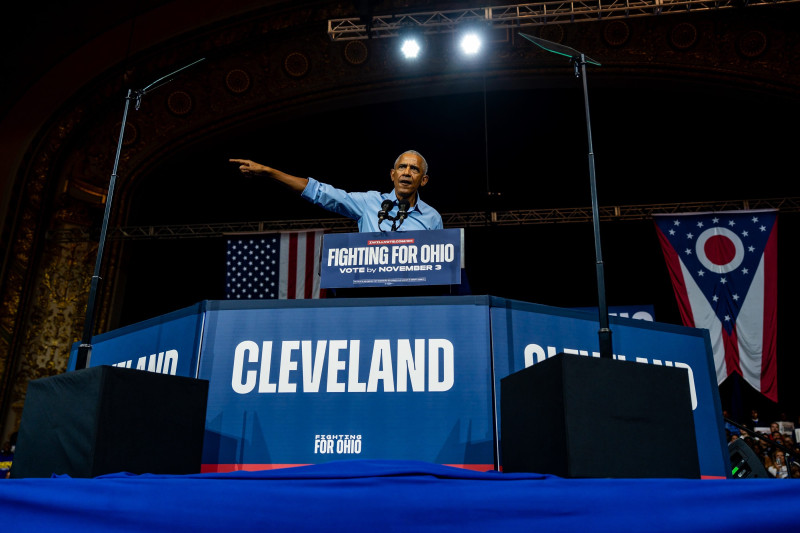
Last year, a push from President Donald Trump urged Republicans nationwide to redraw congressional maps to benefit the GOP. Missouri's Republican-led legislature joined forces with historically red states like Texas and North Carolina, as well as Democrat strongholds like California, to implement drastic changes, particularly impacting the Kansas City area.
Missouri’s secretary of state dismissed calls to delay the map changes for the August primary. The Eighth Circuit ruled that switching maps for the general election would violate federal law and the Constitution. However, the Supreme Court intervened, allowing the midterm elections to proceed under the 2022 map, despite candidates being selected based on the 2025 version.
"Regardless of what this court does," stated Lou Capozzi, Missouri’s Solicitor General, "Missouri will not be able to run an orderly 2026 general election."
The Supreme Court clarified that the 2025 map had not taken effect due to Missouri’s referendum process. Voting was already underway under the older map, which governed the election.
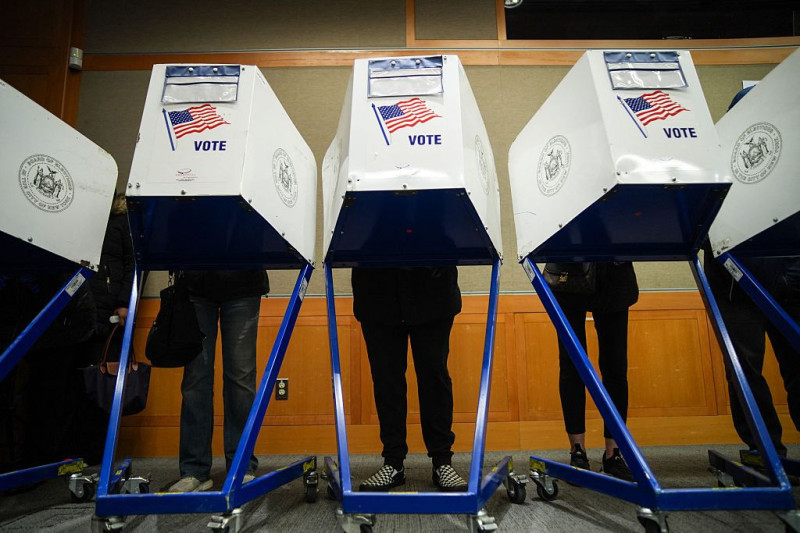
"The election is not merely upcoming; it has already started," the ruling emphasized. "Ballots using the 2022 map have been printed and mailed. Absentee voting has already begun, as has military and overseas voting."
Estimates during court proceedings revealed that approximately 1.4 million Missourians have been shifted into different districts due to the conflicting maps. Around 284,000 primary voters now find themselves voting in a different district.
According to reports, voters across 28 counties are affected by this situation. However, experts suggest that this will likely only influence results in the Kansas City-based Fifth District, potentially benefiting Democrats.

"The likeliest outcome therefore shifts from a possible 7-1 Republican delegation to the existing 6-2 split," an expert noted, highlighting its significance if House control is tight.
The Supreme Court's decision settled which map would govern the 2026 election but left unresolved legal disputes simmering beneath the surface.
Close election results or contested outcomes from the redistricting referendum on November 3 could reignite legal battles.
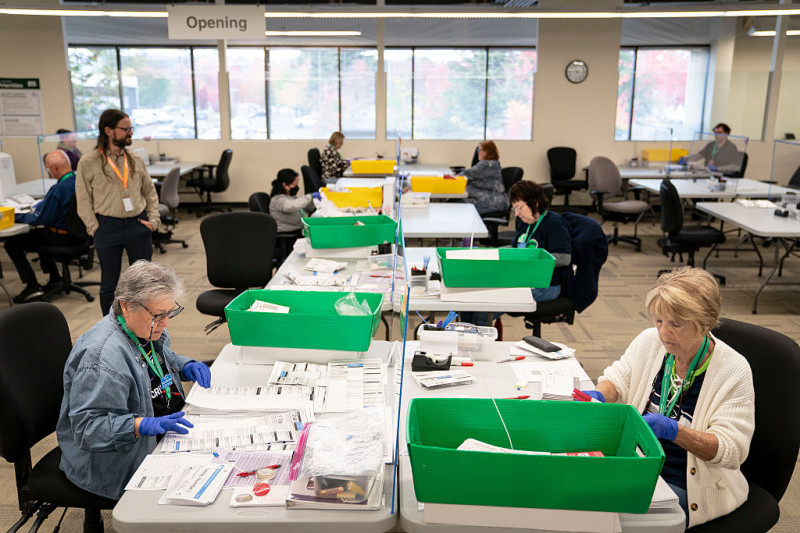
Concerns about administering the upcoming general election have surfaced. In September, Kansas City’s election board issued an "urgent notice," warning that voters casting ballots under a map later changed by the courts would be unable to vote again.
Election workers expressed frustration over five map changes within three weeks during ongoing litigation.
Despite this turmoil, Shawn Kieffer, Republican director for the Kansas City Election Board, claimed he had "no concerns at this point." He stated that ballots had been reviewed and voters had been using them without issues.
Kieffer indicated that any potential postelection challenges would likely be handled by the court system, assuring that their attorneys are prepared for any arising questions.
"There is a viable legal argument against using different maps for the primary and general election," an expert remarked.

This expert pointed out that some voters selecting candidates they did not help choose could violate the 14th Amendment’s Equal Protection Clause, which mandates equal treatment for similarly situated voters.
"The Eighth Circuit accepted that argument before the U.S. Supreme Court intervened," he added, suggesting that a postelection challenge would not be frivolous.
Another expert noted that results in the Fifth District would likely be significantly impacted.
However, no candidates have yet indicated plans to contest results from the November 3 election, including Rick Brattin, the Republican nominee who won his August primary in the redrawn Fifth District.
This expert also stated that the map switch "doesn’t leave any viable postelection challenges for the general."
"At this point, those with grievances have had those grievances addressed by the courts," he concluded.
While there remains a possibility of a postelection challenge due to ballot errors capable of altering close results, such a challenge would not halt certification. The likelihood of success appears low.
"There’s no magic legal switch to affect certification," another expert stated. "Voters will vote, and their preferences will be recorded, tallied, and certified. That’s it."