



‘Morale Plummets as Troops Face Dire Food Shortages in Iran Conflict’
U.S. troops stationed in the Middle East amid the ongoing Iran conflict are grappling with alarming food shortages, leading many to ration their limited meals and endure hunger, a recent report reveals.
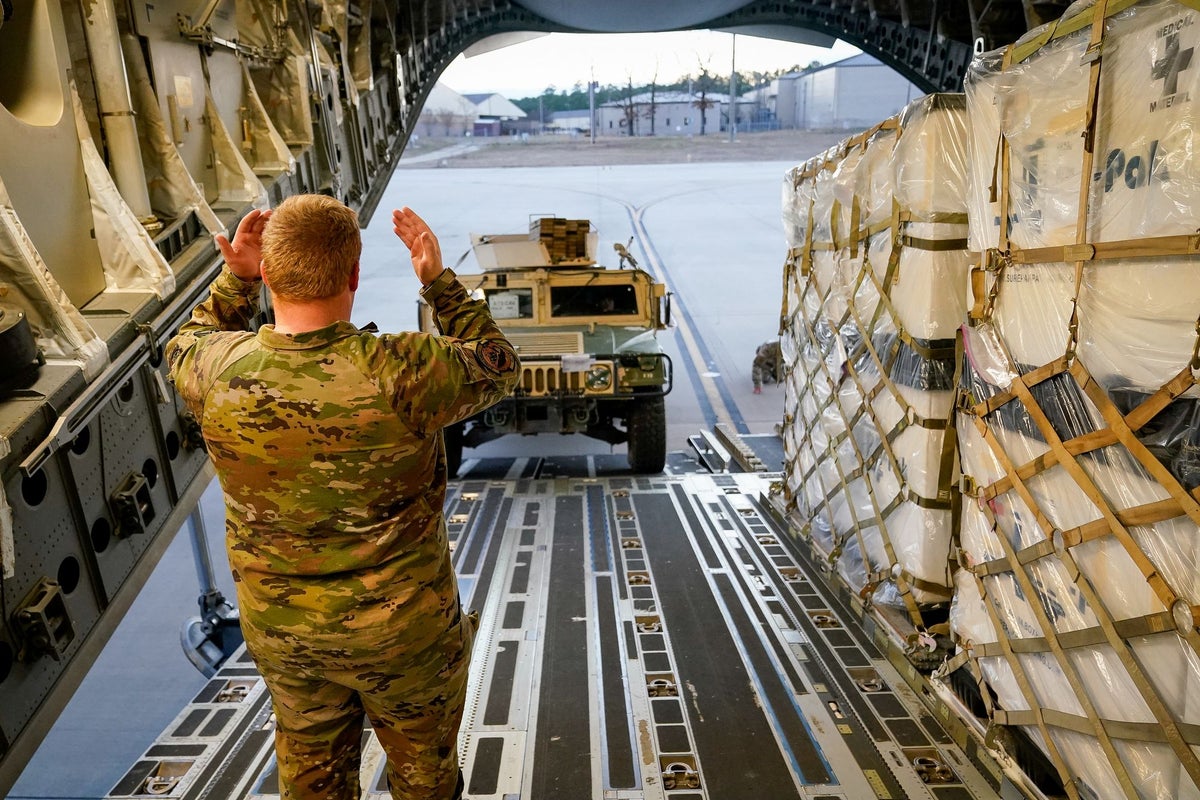
Families, deeply concerned about their loved ones' well-being, have invested considerable amounts in care packages filled with home-cooked meals and snacks. However, these efforts have been thwarted as U.S. Postal Service deliveries to the region have been halted, leaving countless boxes stranded.
“Supplies are going to get really low,” a sailor aboard the USS Tripoli texted his mother last month. “Morale is going to be at an all-time low.”
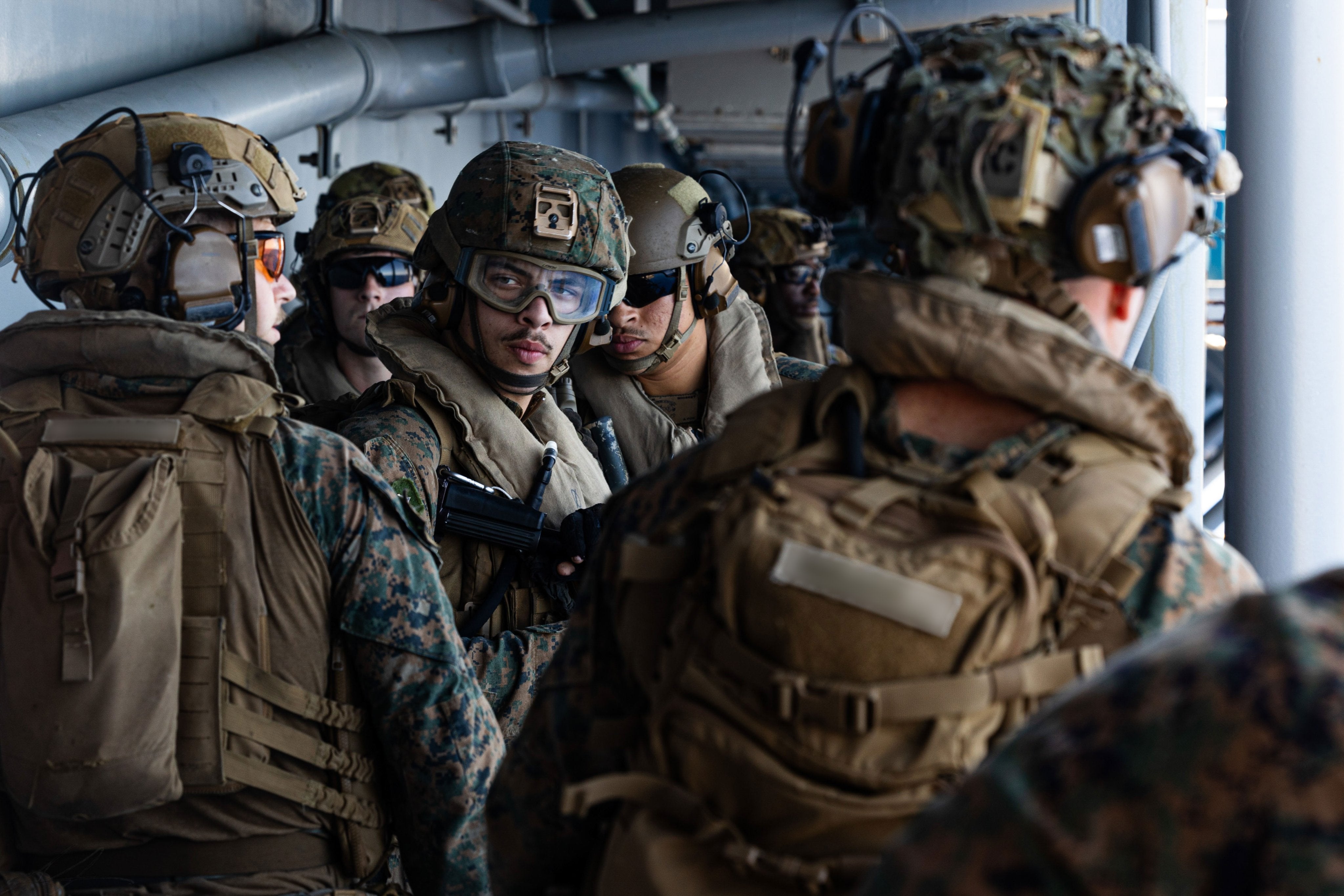
Currently, over 50,000 American service members are deployed in the Middle East, including thousands of Marines and sailors aboard warships patrolling critical waterways. Many vessels have not docked since hostilities escalated in late February.
A two-week ceasefire was announced last Tuesday, allowing for peace negotiations, though no significant progress has been made. President Trump remarked on Thursday that the situation is “going along swimmingly” and hinted at a potential resolution soon.
Public sentiment appears to be against the war, with recent polls showing a majority of Americans disapproving of the conflict that has claimed thousands of lives, including 13 U.S. service members, and driven gas prices up.
Dan F., a concerned father, expressed his distress after receiving a photo from his daughter aboard the USS Tripoli. The image depicted a meager meal consisting of a small portion of meat and a single tortilla, with most of the tray empty.
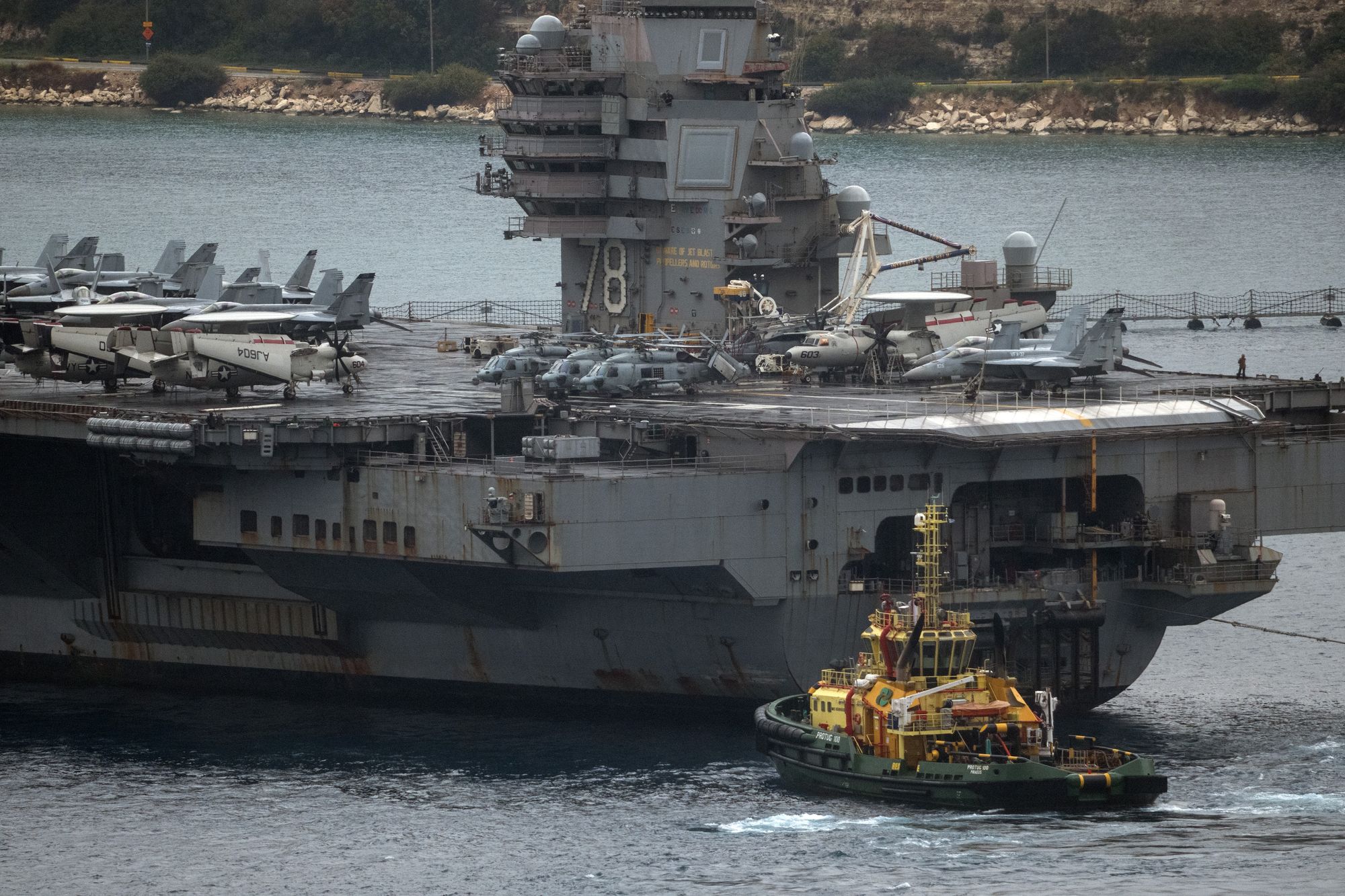
Another photo from the USS Abraham Lincoln showcased similarly unappetizing fare: a small clump of carrots alongside a hamburger and a thin slice of meat.
His daughter reported that crew members were rationing food, lacking fresh produce, and dealing with a broken coffee machine.
“We have the strongest military in the world. You shouldn’t be running out of food,” Dan, a Marine veteran, stated.
Karen Erskine-Valentine, a pastor from West Virginia, shared her concern after learning that her son on the USS Abraham Lincoln was facing inadequate rations. “The food is tasteless and there’s not nearly enough; they’re hungry all the time,” she lamented. “That kind of breaks your heart.”
The Pentagon has yet to respond to inquiries regarding these troubling conditions.
General Dan Caine, chairman of the Joint Chiefs of Staff, noted earlier this month that U.S. troops have consumed over six million meals and vast quantities of coffee and energy drinks during the conflict.
Caine humorously acknowledged that service members have also turned to nicotine to cope with stress. “I’m not saying we have a problem,” he chuckled.
In an effort to alleviate the dire situation, families have packed boxes with treats like Girl Scout cookies and homemade fudge, attempting to send them overseas. A community in West Virginia sent 22 boxes to a sailor on the USS Abraham Lincoln, while a Texas woman reported spending over $2,000 on care packages for her son.
Unfortunately, none of these shipments have reached their destinations due to the indefinite suspension of mail services to military ZIP codes in the region.
This suspension is attributed to airspace closures and logistical challenges stemming from the ongoing conflict, according to an Army spokesperson.
“Resumption of mail service is contingent upon the reopening of airspace by civil authorities,” the spokesperson explained.
Steve Kochersperger, a Postal Service historian, noted that such wartime logistical issues are not new. “Interruptions and delays in mail service have been part of every American conflict since the Revolutionary War,” he remarked.
Some family members are still holding onto their packages after being informed they cannot be sent. Dawn Penrod from Maryland attempted to mail a package to her nephew in Bahrain but was told by postal workers that deliveries were not possible. “It's sitting in my living room, waiting,” she said.