

Netanyahu's Grip on Power Hangs by a Thread as Election Chaos Unfolds
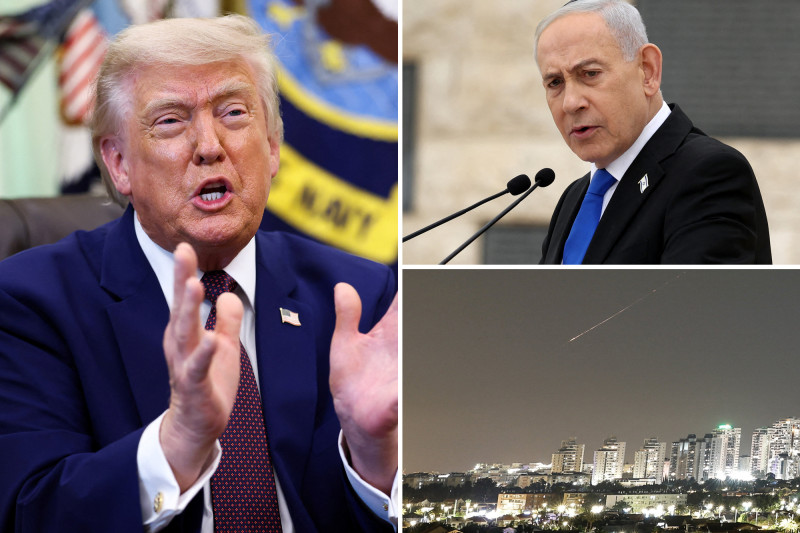
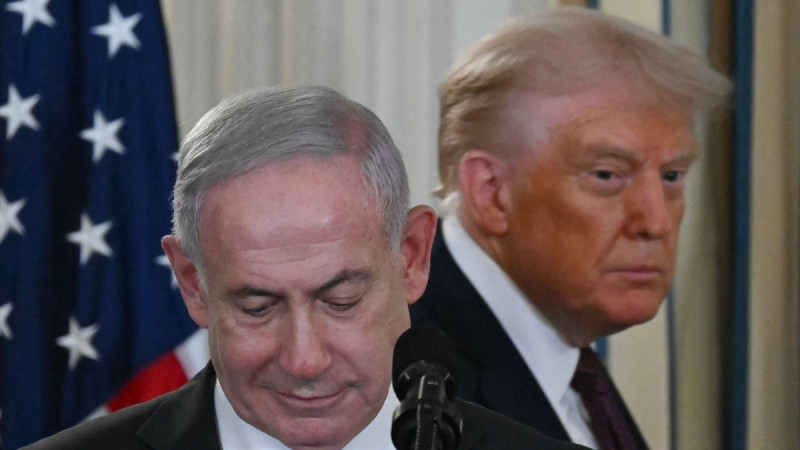
No declared winner in what many Israelis deem the most critical election ever leaves current Prime Minister Benjamin Netanyahu clinging to power, his political fate teetering on the edge. Experts outlined four potential outcomes.
With 85 percent of votes counted, Netanyahu's faction has secured 53 seats, while Gadi Eisenkot's coalition has garnered 48 seats, according to Israeli election officials.
A majority in the Knesset demands at least 61 seats. Israeli Arab parties achieved a historic high of 19 seats, positioning them as pivotal players in coalition negotiations.
This election saw the highest voter turnout in decades, viewed as a referendum on Netanyahu's handling of the Gaza conflict post-October 7 attacks, the U.S.-led confrontation with Iran, and Israel's deteriorating global standing.
Observers anticipated a razor-thin contest between Netanyahu's right-wing bloc and Eisenkot's supporters. Both leaders expressed intentions to form a government, which could lead to weeks of political wrangling, with Netanyahu remaining as caretaker leader until a new coalition emerges.
Opposition figures celebrated exit polls indicating a significant setback for Netanyahu, yet analysts warn that the prime minister, with nearly two decades in power, has a knack for surviving crises that seem career-ending.
As experts debate the next steps, what options lie ahead for those vying for control in Israel?
President Isaac Herzog urged all parties to avoid another election and approach coalition talks with an open mind.
Herzog oversees the power struggle, tasked with nominating one candidate to form a government. This candidate has up to 42 days to assemble a ruling coalition.
Herzog is likely to pressure Netanyahu into offering Eisenkot a coalition deal, though experts suggest the odds are heavily against this happening.
If coalition negotiations fail, a second round of elections would ensue, mirroring Tuesday's vote pattern, but candidates may alter their positions to secure enough support for governance.

A fresh election appears to be the most likely scenario, according to Yaakov Katz, former editor-in-chief of The Jerusalem Post. He stated that "nobody budges, nobody breaks a promise," resulting in neither bloc achieving the necessary 61 seats.
However, if Netanyahu's bloc inches closer to half of the Knesset's 120 seats, he might seek "individual defectors" from opposition ranks.
Currently, Netanyahu's camp, including United Torah Judaism and Religious Zionism parties, remains 8 seats shy of the majority needed.
"Netanyahu knows how to manipulate the system to maintain power; he can scrape together enough seats for a majority," argued Rachel Nelson from the Middle East Policy Council. Yet defections from the opposition are deemed "highly unlikely."
Theoretically, Netanyahu could acquire the remaining seats from Eisenkot's Yashar party or other opposition factions instead of traditional right-wing allies. However, he has vowed not to abandon his usual partners.
In an extreme scenario, Netanyahu might align with renewed U.S. military actions against Iran, potentially pressuring Israeli opposition figures to support him.
"Such a government would be unstable and likely lead to new elections once military operations against Iran conclude," she added.
Alternatively, Netanyahu could attempt to persuade B’Yachad—led by former prime ministers Naftali Bennett and Yair Lapid—or Avigdor Liberman's Yisrael Beytenu party to join him.
This would necessitate negotiations on critical issues like ultra-Orthodox military service, risking alienation of far-right allies such as Itamar Ben-Gvir and Bezalel Smotrich.
Katz remarked that "it is difficult to imagine" this strategy succeeding.
Eisenkot has ruled out joining any coalition led by Netanyahu. Bennett is also unlikely to abandon his opposition allies for Netanyahu.
A more unlikely scenario involves Eisenkot collaborating with Likud without Netanyahu at the helm.

For Eisenkot's opposition bloc to govern, cooperation with Arab parties would be essential. Aligning with Arab factions could swiftly remove Netanyahu from power.
However, Eisenkot has stated that he will not include the United Arab List party (Ra’am) in any government due to fundamental disagreements regarding Hamas and other coalition partner requirements.
Eisenkot insists he can only form a government with parties that recognize Israel as a democratic Jewish state and support universal conscription.
This stance effectively excludes both Israeli Arab parties and Haredi ultra-Orthodox factions. Analysts suggest that these groups are unlikely to meet Eisenkot's four criteria.
Yair Golan, leader of Israel's major left-wing party within Eisenkot's bloc, has called for an alliance with Arab parties.
If Democrats gain ground in the upcoming U.S. midterms, such an arrangement might gain traction in Israel as a means of preserving bilateral relations.
Nonetheless, Eisenkot's camp must navigate an Israeli electorate that was assured by several aligned parties they would not collaborate with Arab factions.
Yousef Jabareen, chairman of the Arab-majority Joint List party, stated that any bloc seeking "a genuine alternative to Netanyahu’s government of bloodshed will have to engage with us."
Even if Eisenkot were to ally with Ra’am, it would not surpass the 61-seat threshold necessary for governance. The influence of Arab parties is significant; forming a coalition without major compromises is increasingly challenging for either side.
An alternative for Eisenkot could involve Arab parties voting alongside his bloc or abstaining without joining the ruling coalition.
"This scenario carries political risks and could lead to a swift vote of no confidence, resulting in another election," Nelson warned. However, it might become more appealing if Netanyahu endorses Israel participating in new American strikes against Iran.
Liberman's commitment not to engage in a minority government reliant on Arab party votes complicates matters further.