


Peru's Cabinet Divided as Wage Suspension Looms Amid El Niño Crisis
Peru's Labor Ministry is contemplating a drastic wage suspension for workers in fishing, agriculture, and construction as El Niño wreaks havoc, threatening the livelihoods of countless families. This proposal has already sparked a rift within President Keiko Fujimori's cabinet.
The measure, known as suspensión perfecta de labores, would permit companies to halt salary payments for up to 90 calendar days without terminating employment. Labor Minister Juan Sheput hinted at this during a tour of Arequipa, indicating the government is bracing for an unprecedented storm season.
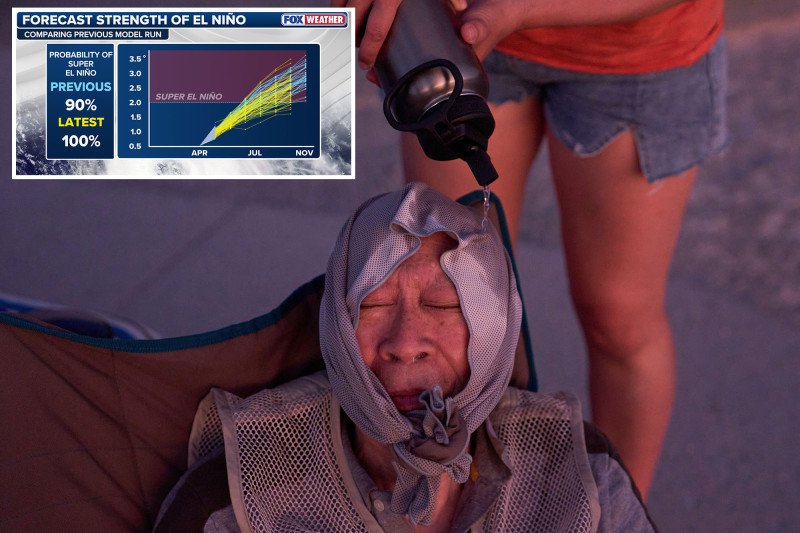
Peru's climate panel, ENFEN, has issued a coastal El Niño alert, predicting a 62% chance of extraordinary conditions between September 2026 and January 2027. This marks a significant increase from previous forecasts, with the highest risk occurring in November and December.
The Bank of Peru has slashed its growth forecast for 2026 from 3.4% to 3.2%, attributing this downward revision to escalating damage in primary sectors. Central Bank president Julio Velarde stated that El Niño is expected to drag down output by 0.9 percentage points this year.
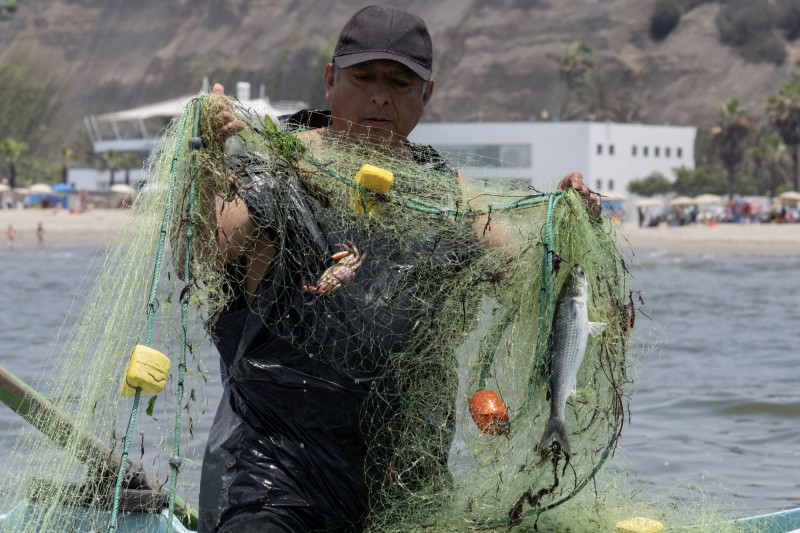
The fishing sector has already taken a massive hit, plummeting 51.94% in June 2026—the steepest monthly decline in recent history—after the government canceled the anchovy season due to warming waters. Cumulative losses for the first half of the year reached 33.15%, putting over 78,000 jobs at risk.
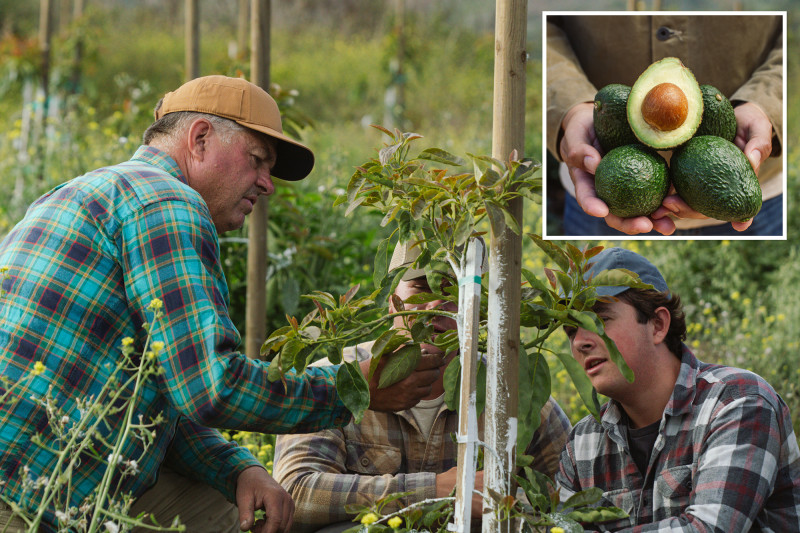
Agriculture is also suffering, contracting 8.1% in June 2026 as crops were affected by unusually high temperatures before the rainy season. Construction and transport sectors face additional disruptions as flood risks threaten vital roadways across northern Peru.
BBVA Research predicts that El Niño will reduce Peru's GDP by 0.9 percentage points in 2026 and another 1.3 points in 2027, with the most significant impact expected next year when peak warming coincides with heavy rains from December to April. Credicorp Capital Asset Management estimates cumulative losses could reach 16 billion soles—approximately $4.3 billion—focused on northern coastal infrastructure through next year.
The wage suspension proposal has ignited visible discord within the Fujimori administration. The Ministry of Economy and Finance has labeled the suspension mechanism a last resort rather than an active policy, advocating instead for a broader fiscal package as the primary defense strategy.
Economy Minister Elmer Cuba has proposed a program that includes S/2 billion for preventive maintenance of schools, health clinics, police stations, and national roads; a one-time cash transfer of about S/200 to approximately 800,000 pension beneficiaries; and an expanded fiscal deficit ceiling of 2.4% of GDP for 2027 to fund emergency responses. No formal regulatory framework for the wage suspension has been established.
Under Article 15 of Peru's Ley de Productividad y Competitividad Laboral, a suspensión perfecta already exists, allowing employers facing genuine force majeure to implement it for up to 90 calendar days without prior authorization from the Labor Ministry.
Sheput's proposal seeks to tighten these regulations. Companies would need to prove that all alternatives—such as remote work or shift restructuring—have been exhausted before implementing a wage freeze. SUNAFIL, Peru's labor inspection authority, would verify that conditions genuinely render operations impossible before any suspension takes effect.
This climate crisis compounds financial pressures on U.S.-based Peruvian households. The Central Reserve Bank had projected record remittances of $5.515 billion for 2026, building on $5.368 billion sent home in 2025. However, analysts warn that this momentum is fading as families face simultaneous shocks: suppressed wages in Peru, rising food prices from damaged crops, and diminished purchasing power in the U.S.
For relatives in the U.S., this situation likely means larger and more urgent wire transfers just as economic stress escalates in both countries. The government's decision on whether to formalize the wage suspension mechanism or bolster infrastructure and cash-transfer packages will significantly impact how many families are left to navigate these challenges alone.