

Poll Reveals 75% of Americans Point Fingers at Trump for Soaring Prices
Gas prices are through the roof, mortgage rates are climbing, and consumer costs are hitting record highs. Who do most Americans hold responsible? President Donald Trump, according to a fresh poll that’s sending shockwaves through the political landscape.
In a survey conducted between late April and early May, a jaw-dropping 77 percent of participants in a CNN/SSRS poll laid the blame for rising living costs squarely at Trump's feet. The culprits? His aggressive stance on Iran and the imposition of tariffs that have sent prices spiraling.
Trump's campaign was all about economic prosperity, promising to crush inflation, slash energy prices, and make everyday items like groceries more affordable. While he managed to deliver on some of those promises initially, his decision to engage in conflict with Iran has unleashed a wave of economic fallout that’s hitting average Americans hard.
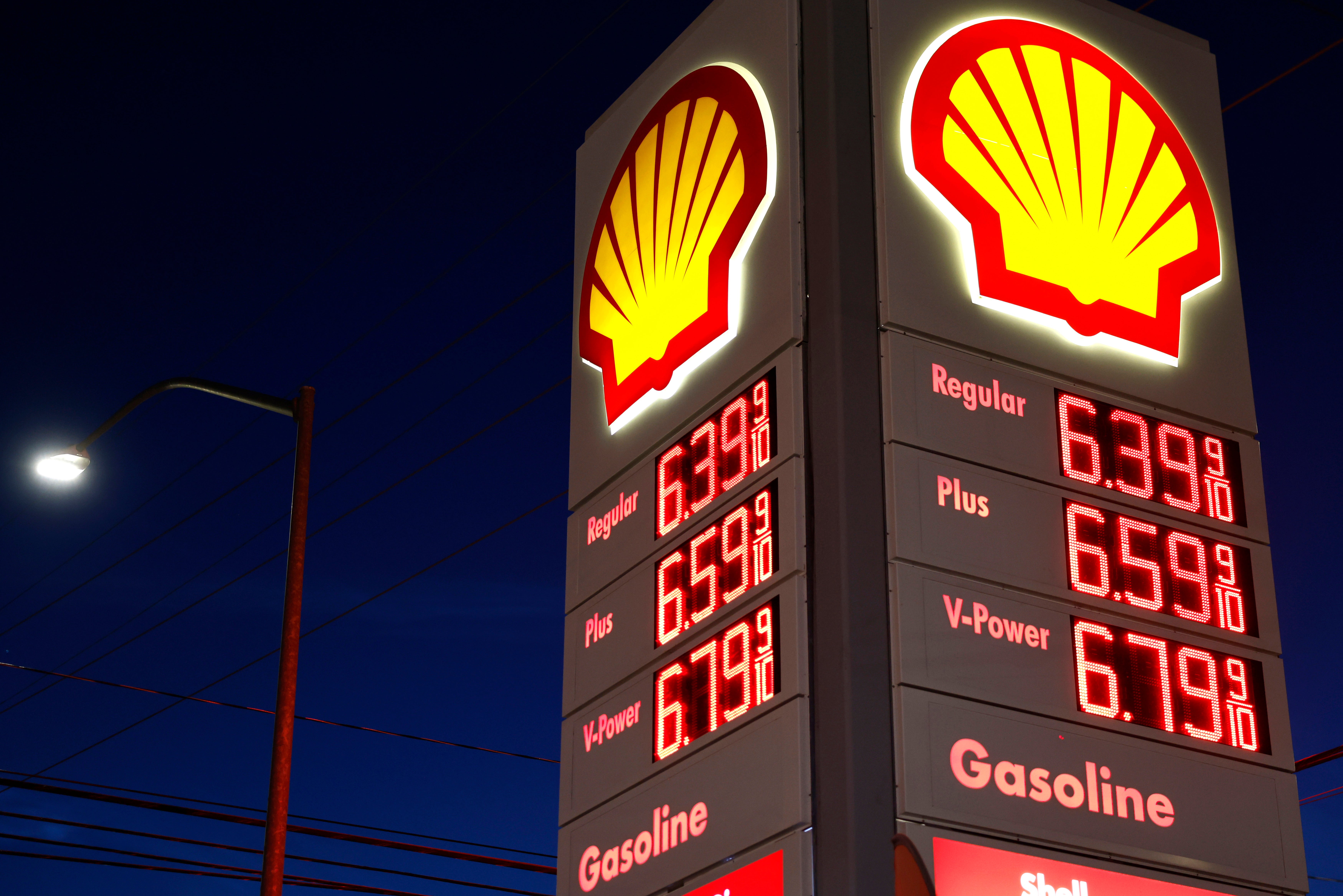
As of May 12, AAA reported that the national average for a gallon of regular gas soared to $4.50—up from just $3.13 a year ago. The Consumer Price Index, a key inflation indicator, showed consumer prices continued their upward trajectory in April, climbing 3.8 percent compared to last year.
Public sentiment regarding Trump's economic management is plummeting. The CNN/SSRS poll reveals that around 70 percent of respondents disapprove of how he’s handling the economy.
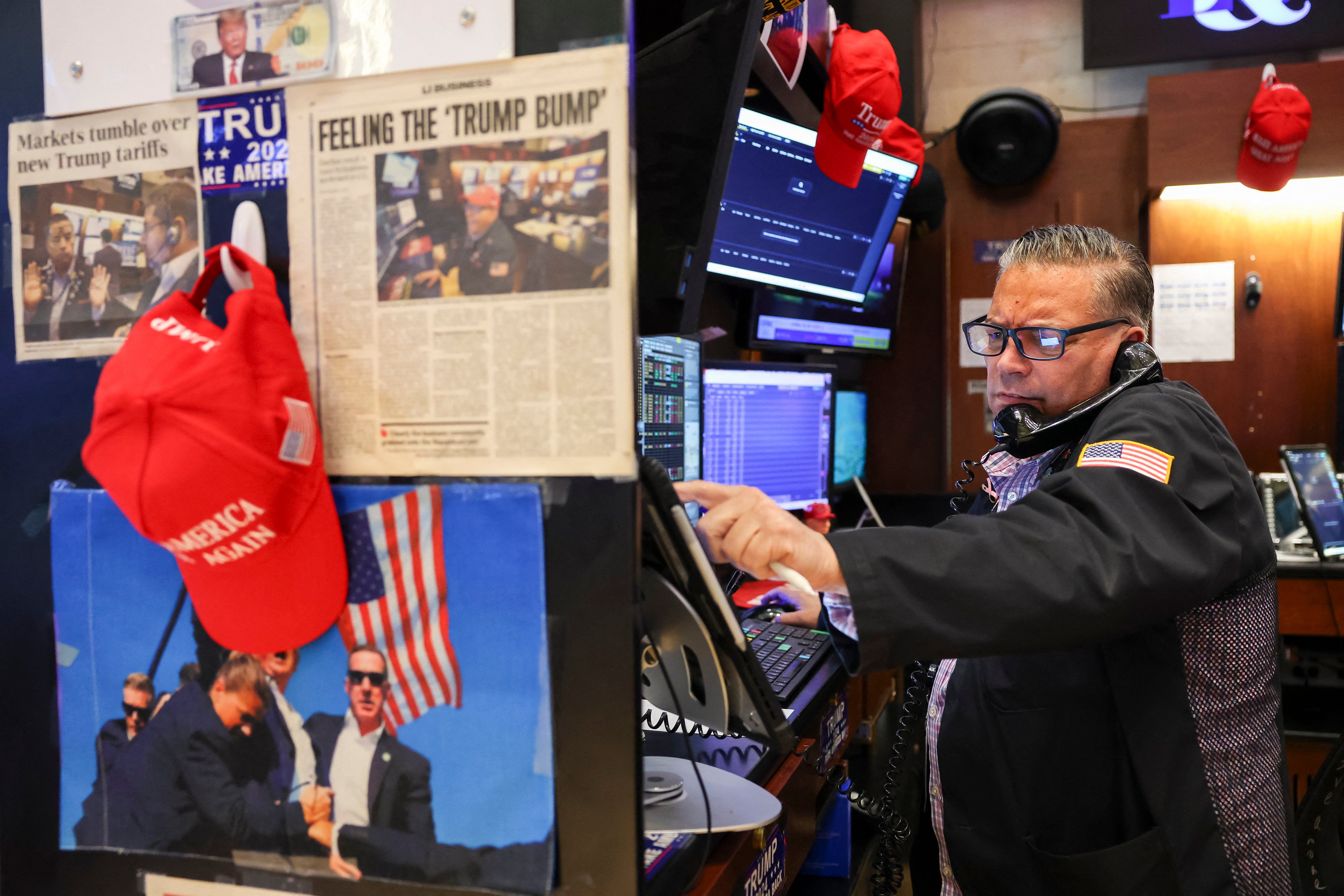
“While the President has acknowledged short-term disruptions due to Operation Epic Fury, the Administration remains committed to the tried-and-true Trump agenda of tax cuts, deregulation, and energy independence to keep America thriving,” White House Spokesperson Kush Desai stated.
Desai added, “As traffic in the Strait of Hormuz stabilizes, Americans can expect gas prices to drop, real wages to rise, inflation to ease, and trillions in investments to keep flowing.”
Cost of living and economic stability are top concerns for most Americans, and these issues are likely to influence voter decisions in the upcoming November midterms.
Historically, Republicans have been viewed as better stewards of economic policy than Democrats. However, the CNN/SSRS poll shows registered voters are now split on which party can better manage the economy.
Yet, a significant number of voters express distrust toward both parties when it comes to economic solutions.
In the blame game, many Americans are convinced that Trump's policies have directly contributed to rising everyday expenses.
Gas prices crossed the $4 mark in March for the first time since 2022 due to disruptions in oil transport through the Strait of Hormuz.
Grocery bills are also feeling the pinch, with prices climbing 2.9 percent over the past year.
Housing remains a critical issue for many Americans, particularly younger generations. Mortgage rates have been on an upward trend since 2022, with Freddie Mac data indicating another spike following the onset of the Iran conflict.
About 10 percent of CNN/SSRS survey respondents identified housing costs as their family's biggest concern.
Trump has called on Congress to pass a housing bill aimed at curbing costs by limiting large investors from purchasing single-family homes. However, this proposal has faced resistance from lawmakers across party lines.
High healthcare costs are also raising alarms among families. A Pew Research Center survey found that 73 percent of adults view healthcare affordability as a growing problem—up six percentage points from last year.
The Trump administration has attempted to tackle prescription drug prices through TrumpRX, a platform offering discounted medications and imposing tariffs on foreign drug manufacturers.
However, Democrats have slammed Trump's One Big Beautiful Bill Act for exacerbating healthcare costs by slashing Medicaid funding and tightening eligibility for patients.
The findings from CNN/SSRS echo similar results from a Reuters/Ipsos poll showing that 63 percent disapprove of Trump's economic management and about 70 percent disapprove of his handling of living costs as of late April.
A Gallup poll conducted in April revealed that nearly half of U.S. adults characterize economic conditions as “poor.”