
Revoking Birthright Citizenship: A Potential Nightmare for Parents
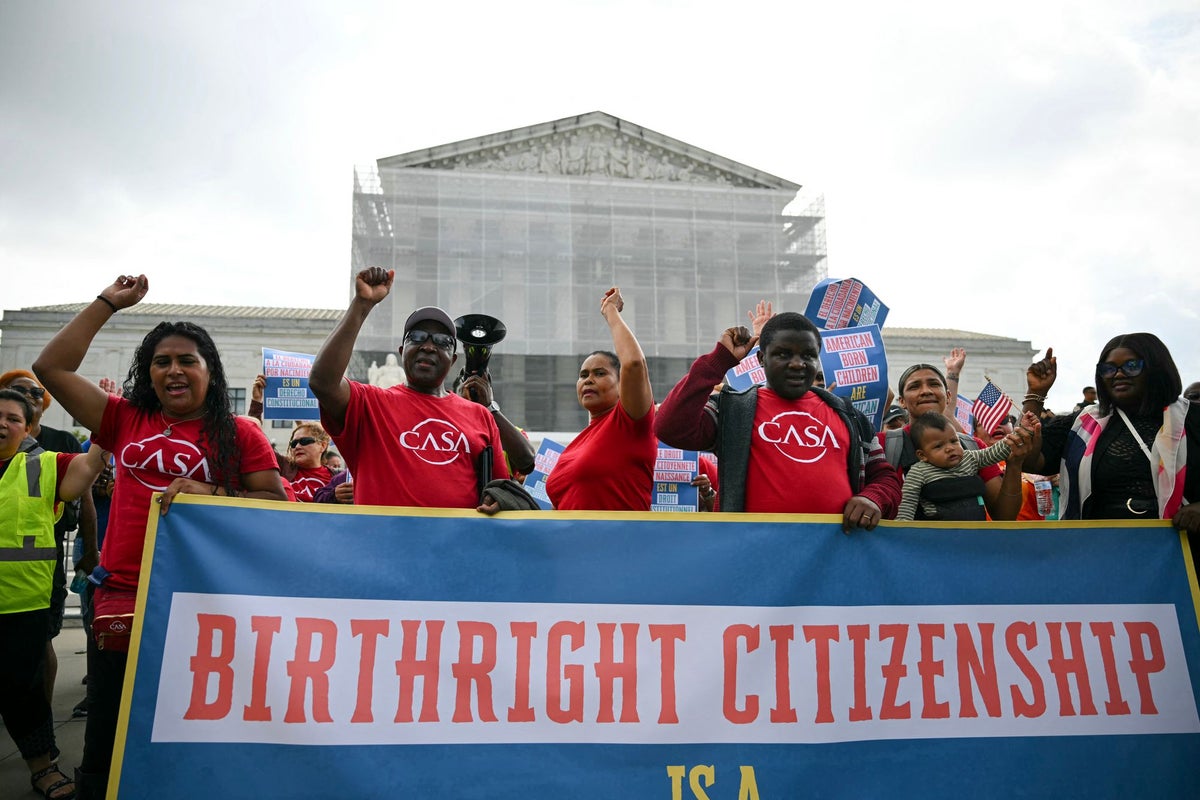
The Supreme Court's deliberation on President Trump's executive order regarding birthright citizenship has raised alarms among legal experts and advocates. If upheld, this order could leave countless children stateless, compelling parents to validate their citizenship to secure essential services like healthcare and education for their offspring.
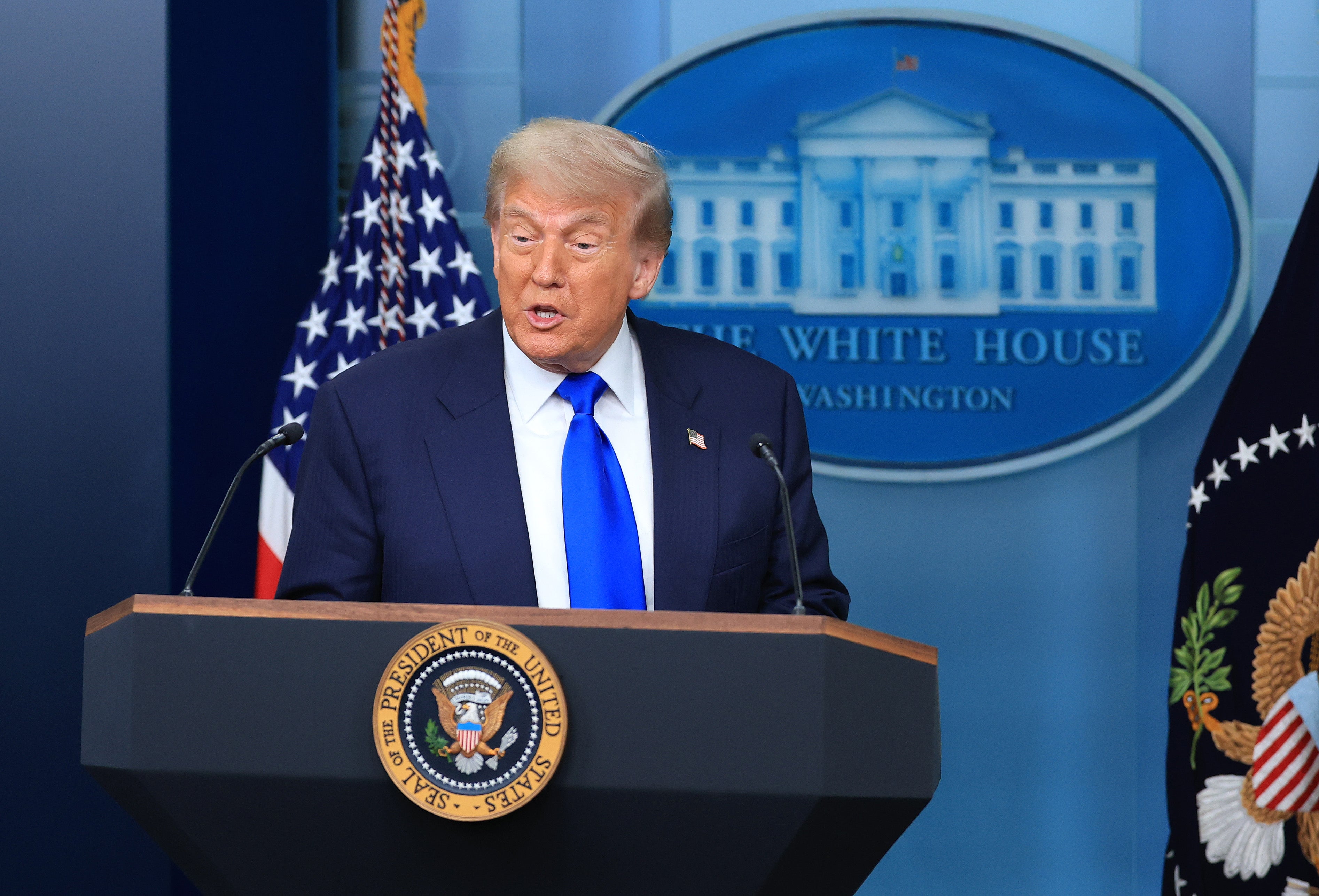
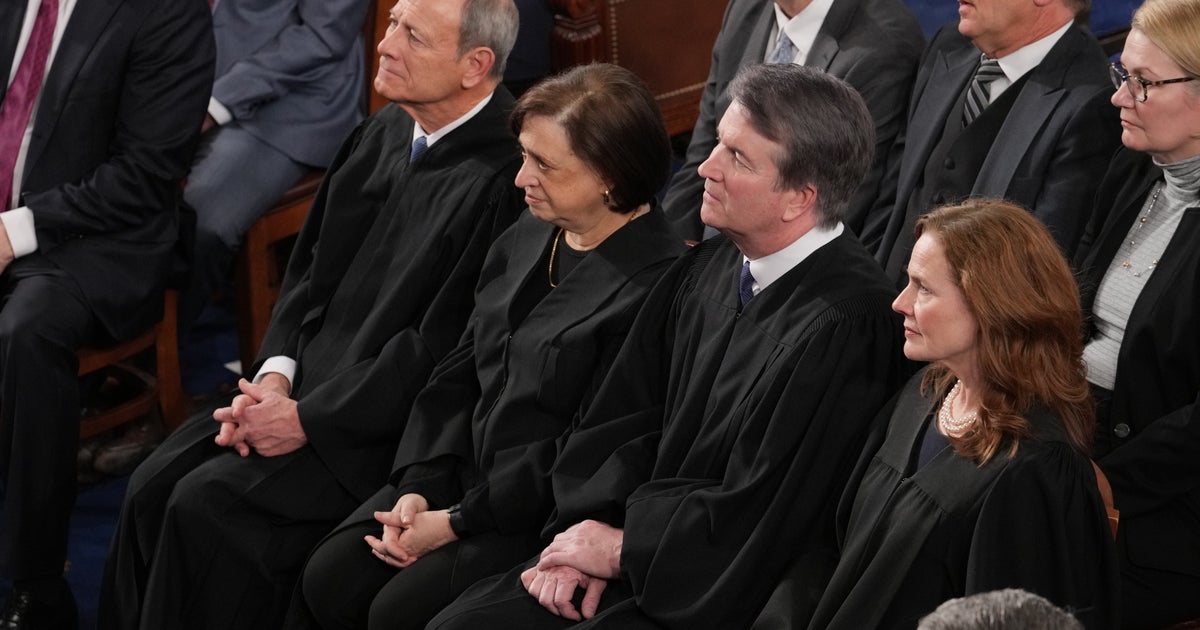
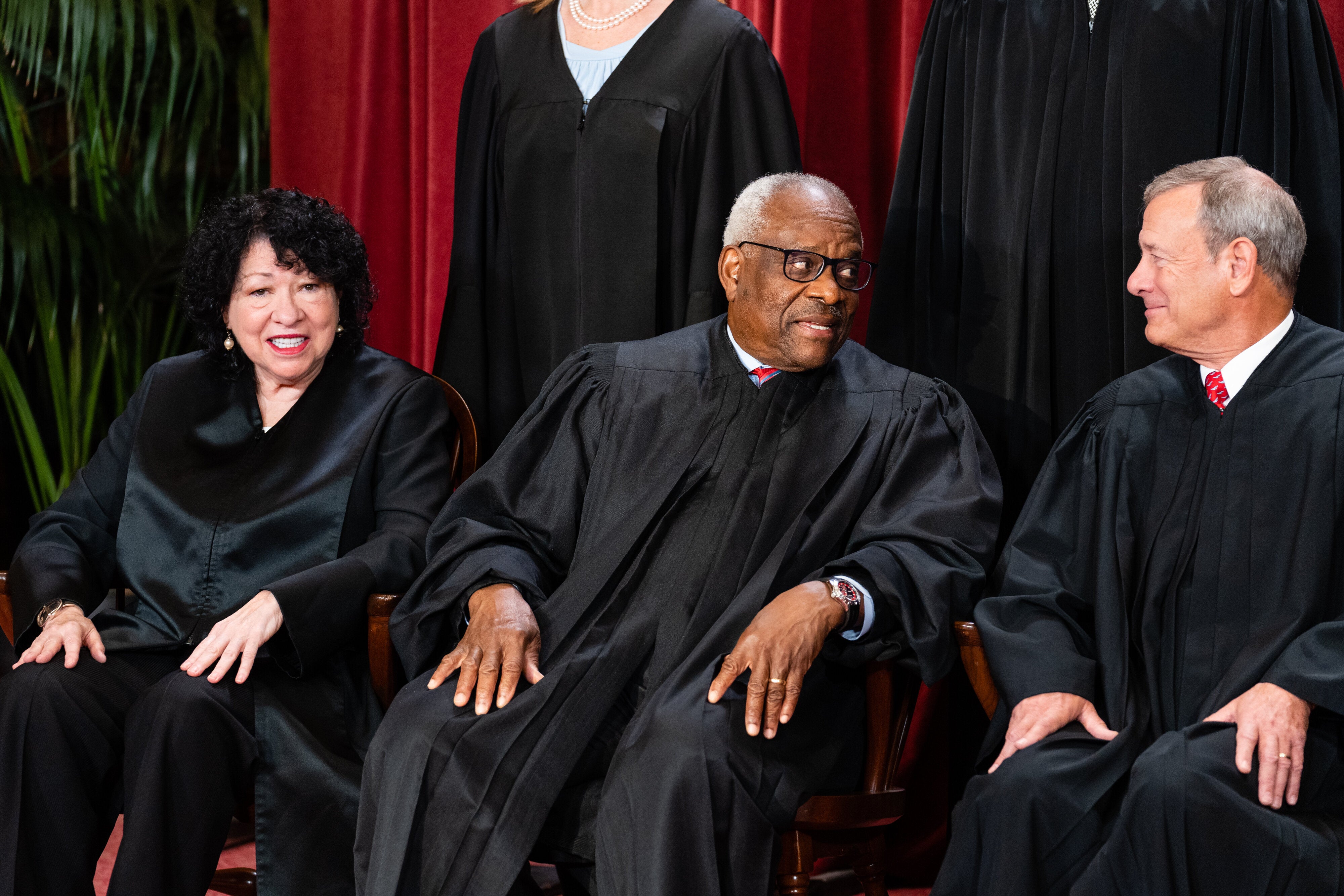
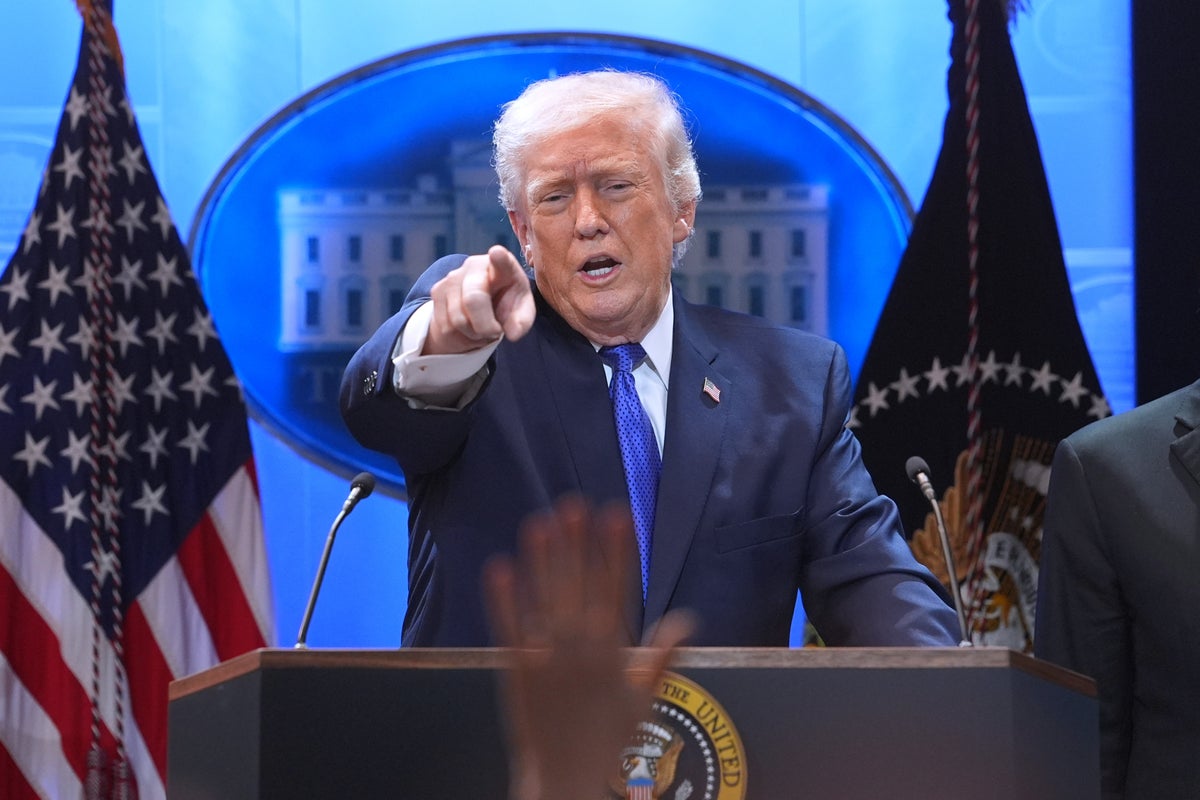
During the court session on Wednesday, Trump was present as arguments unfolded about the constitutionality of his directive to eliminate birthright citizenship—a long-standing policy that grants citizenship to anyone born on U.S. soil, regardless of their parents' immigration status.
Experts warn that a ruling in favor of Trump would not only affect immigrants but also U.S. citizens, creating a bureaucratic nightmare where individuals must provide documentation, such as their parents' birth certificates, to access basic services. “It would mean, essentially, the creation of second-class residents of the United States,” stated Noah Baron, assistant director of litigation at Asian Americans Advancing Justice.
Aziz Huq, a constitutional law professor at the University of Chicago, expressed concerns about the long-term implications of such a ruling. “The long-term effect would be to give the government kind of a free-ranging power to strip people of their citizenship,” he noted, emphasizing the potential for widespread disenfranchisement.
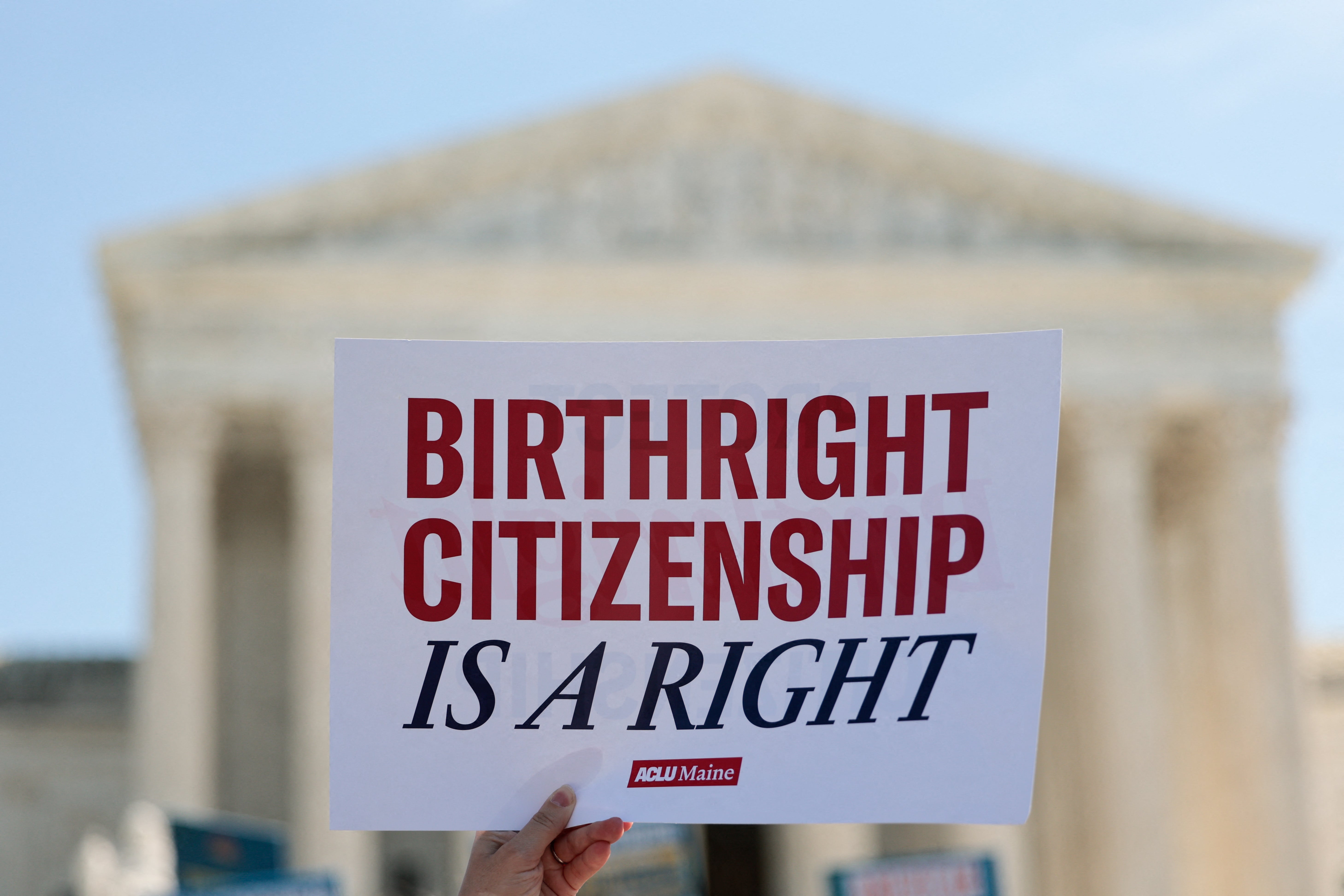
For over 150 years, the 14th Amendment has guaranteed automatic citizenship to those born in the U.S. However, lower courts have consistently ruled against Trump's executive order, with many legal analysts deeming its rationale as fringe.
Despite this, the conservative-majority court may still side with the president, potentially leading to chaos within governmental systems. Aarti Kohli, executive director of the Asian Law Caucus, highlighted how current hospital procedures simplify obtaining a Social Security number for newborns. “The executive order would end that and create chaos for us all,” she warned.
Under the proposed changes, all parents—regardless of immigration status—would face new hurdles. Questions arise about the status of foundlings, or abandoned children. “Does every foundling suddenly become a non-citizen?” Huq questioned, pointing out the complexities surrounding proof of citizenship.
Baron further elaborated on potential voter disenfranchisement stemming from these changes. He referenced the SAVE America Act, which mandates proof of citizenship for federal voting. If birth certificates are no longer accepted as valid proof, voters may struggle to provide alternative identification.
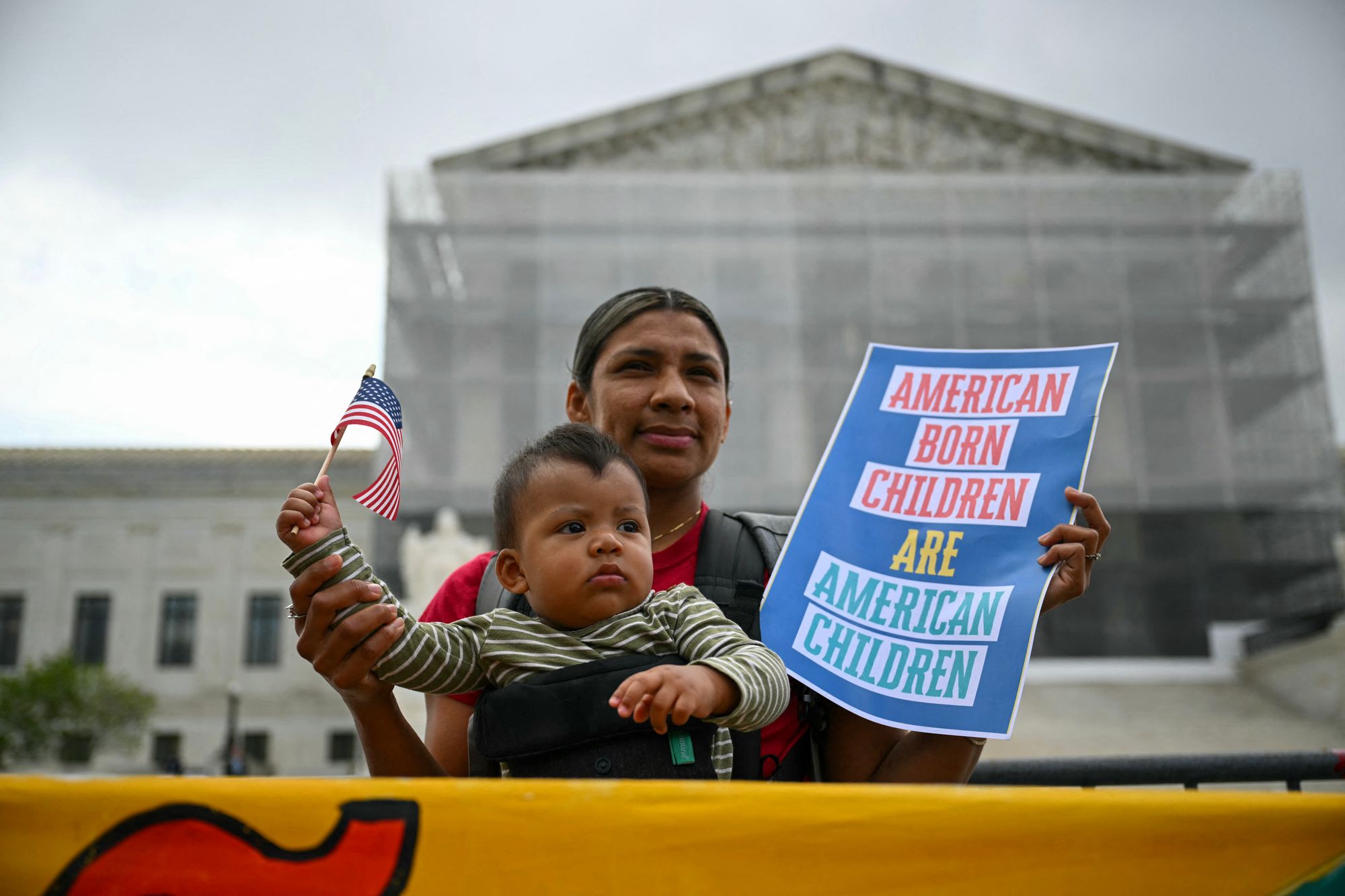
Kohli emphasized that a birth certificate is crucial for obtaining passports and driver's licenses—documents often required for accessing various services. “For children born after this order takes effect, it would no longer be sufficient proof of citizenship on its own,” she stated.
The Trump administration's push to redefine citizenship aligns with its broader agenda to curb illegal immigration. However, critics express concern that allowing such revocations could set a precedent for future citizenship regulations. “Setting aside the implications of undermining the 14th Amendment, it provides the executive branch a terrifying amount of discretion,” Baron remarked.
While the executive order targets children born post-implementation, Huq cautioned that it could serve as a precedent for stripping citizenship from others. “There’s no reason that they couldn’t say ‘We’re not going to be looking at your parents; we’re going to be looking at your grandparents,’” he explained.
“Once you open the door, it’s not clear how the citizenship-stripping power that the Trump administration is claiming can be limited or countered,” Huq concluded.