


Sierra Leone's Teenage Pregnancy Crisis: Aid Cuts Threaten Lifeline
In Sierra Leone, adolescent girls cram into a small room in Tonkolili District, discussing menstruation, contraception, and consent—topics their mothers were never allowed to address. These girls trek miles to attend the Adolescent Friendly Centre (AFC), a rare sanctuary where they can voice their concerns.
Many hail from communities that still expect them to marry young, abandon education, and remain silent about their bodies. The AFC offers a lifeline. “If this centre didn’t exist, it would be a problem for girls,” states 21-year-old Mamah, who is now studying mass communications and training as a journalist through the centre.
“Growing up, all I knew is that when someone said, ‘let’s do this’, I’d say, ’OK,’” she reveals. “Most parents don’t have time to sit with their daughters and tell them what to avoid.”
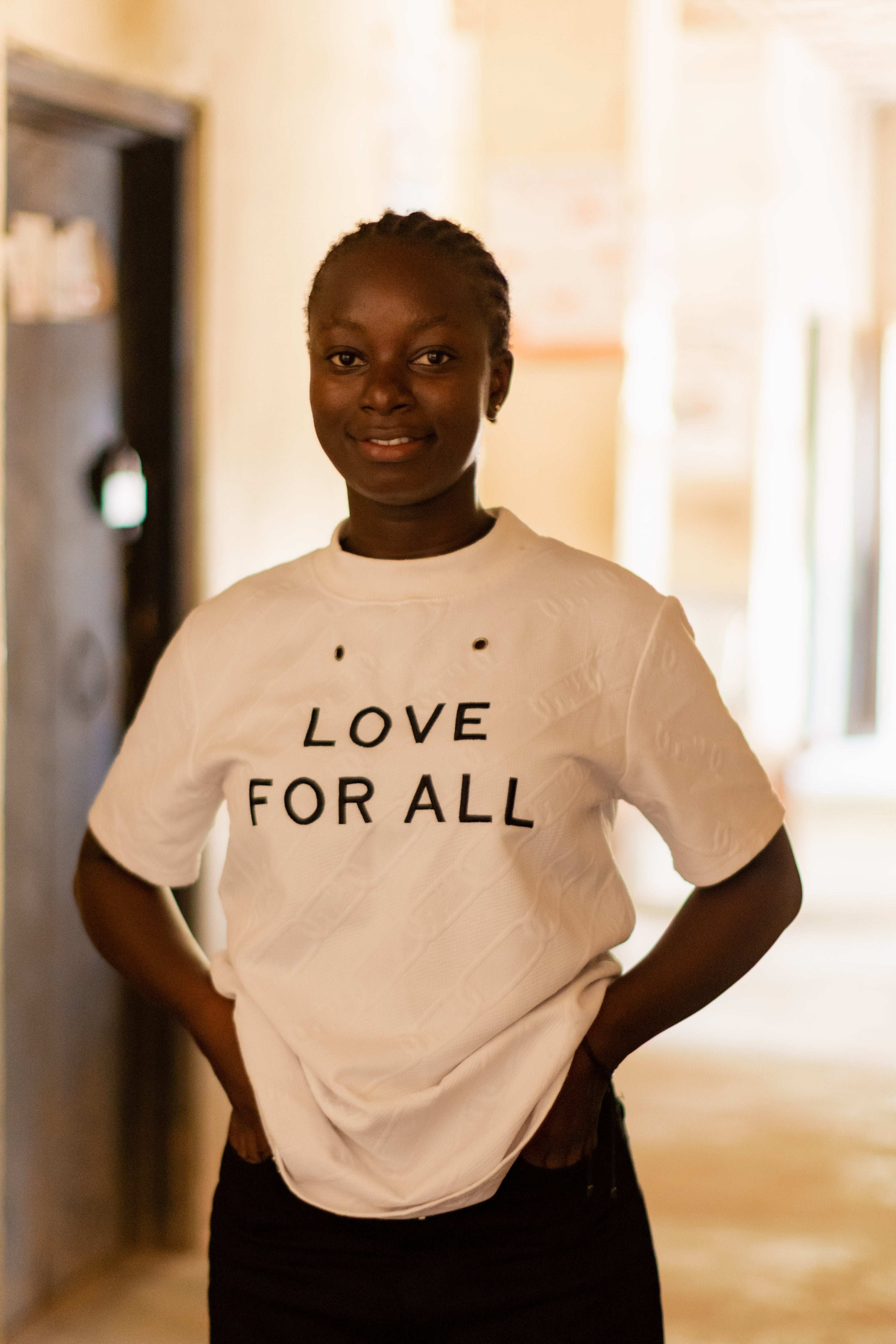
Without the AFC, Mamah warns of a surge in school dropouts, early pregnancies, forced marriages, and ignorance about rights and consent. Child marriage and teenage pregnancy are rampant across Sierra Leone, with 30% of girls entering unions before age 18.
Teenagers face staggering maternal health risks; up to 40% of maternal deaths occur among this demographic. Over one-third of women aged 20 to 24 gave birth before turning 18, while 10% had their first child before age 16. The lifetime risk of maternal death stands at one in 52, with adolescents facing even higher risks.
More than two-thirds of maternal deaths stem from complications like hemorrhage, hypertension, and sepsis. Unsafe abortions account for roughly a third of these fatalities, particularly among young women. The government has attempted to combat these statistics with the Prohibition of Child Marriage Act passed in 2024 and programs aimed at reducing teenage pregnancy.
Another act introduced in 2021 allows pregnant girls to return to school. Yet, severe barriers to education persist, especially in rural areas where poverty and social pressure for early marriage dominate.
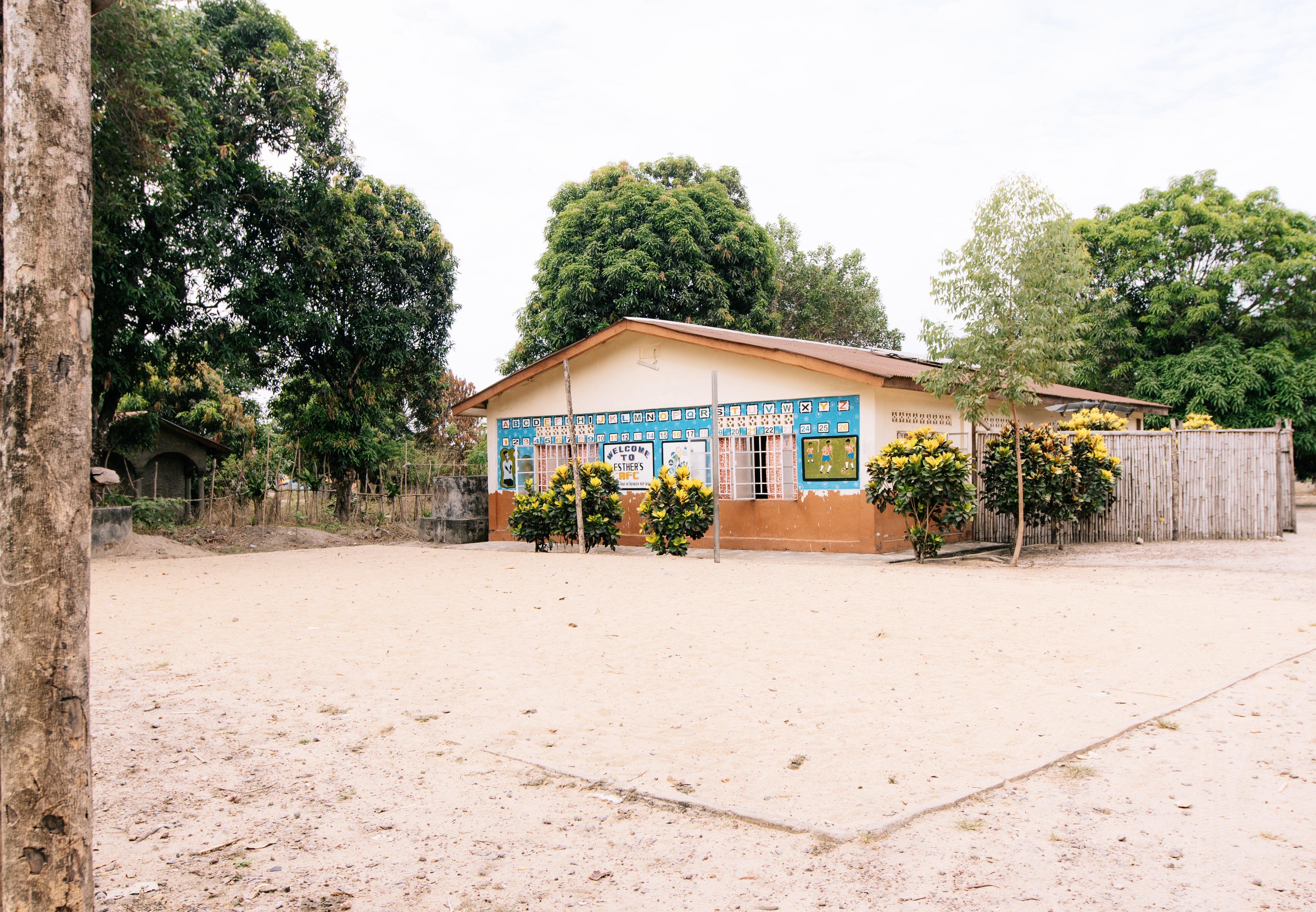
Medecins Sans Frontiere (MSF) Holland opened the AFC in 2019 to address rising teenage pregnancy and unsafe abortion rates. However, in early 2025, as US aid budgets were slashed under Donald Trump, MSF withdrew from Sierra Leone entirely.
This decision coincided with global crises including wars in Gaza and Ukraine and widespread hunger across Africa. MSF handed the centre over to Plan International in March 2025, but full services did not resume until September—six months during which adolescents in Tonkolili had no access to reproductive health support.
Funding for the centre is secured only until spring 2028, while the overall health aid landscape in Sierra Leone deteriorates. The UK government’s Equalities Impact Assessment indicates that Britain may cease all health-related aid programs in Sierra Leone. Staff and activists assert that the Ministry of Health cannot sustain the centre alone.
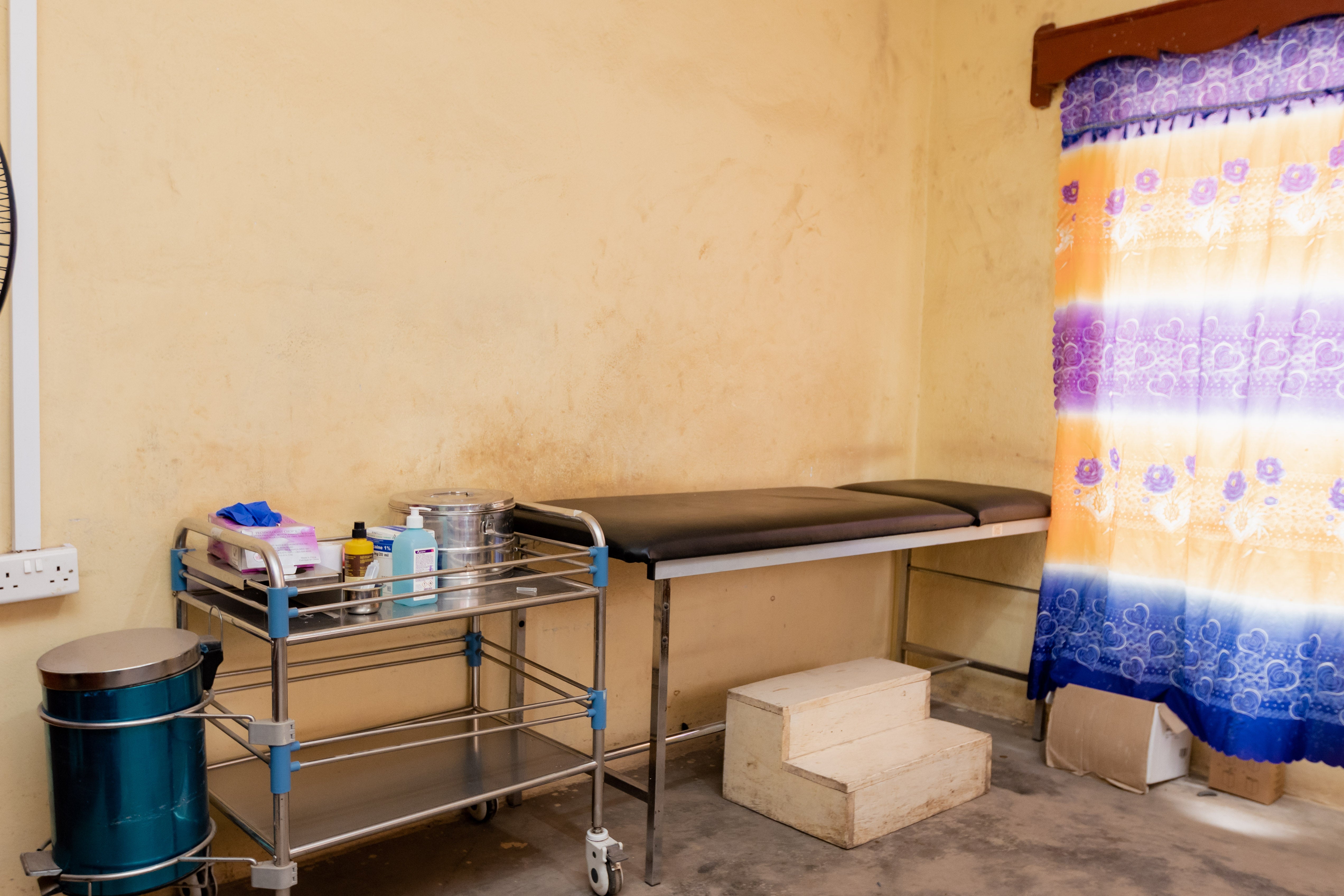
Inside the cramped AFC, adolescents crowd around three aging computers, often sharing while others wait for lessons on sexual health and life skills. Staff report that the influx of young people seeking help has overwhelmed the facility, which has only one shared toilet.
Mariatu Fofanah, a 59-year-old pastor and teacher, is one of only 30 school principals in her district—and the only woman. At meetings, she asserts her presence by saying: “I am here.”
Fofanah recalls being pressured to marry at age 14 but resisted. She understands the heavy toll this pressure takes on most girls. “Here, parents don’t guide their children about their bodies,” she explains. Menstruation is often treated as taboo; some girls are considered unclean during their periods and stop attending school altogether.
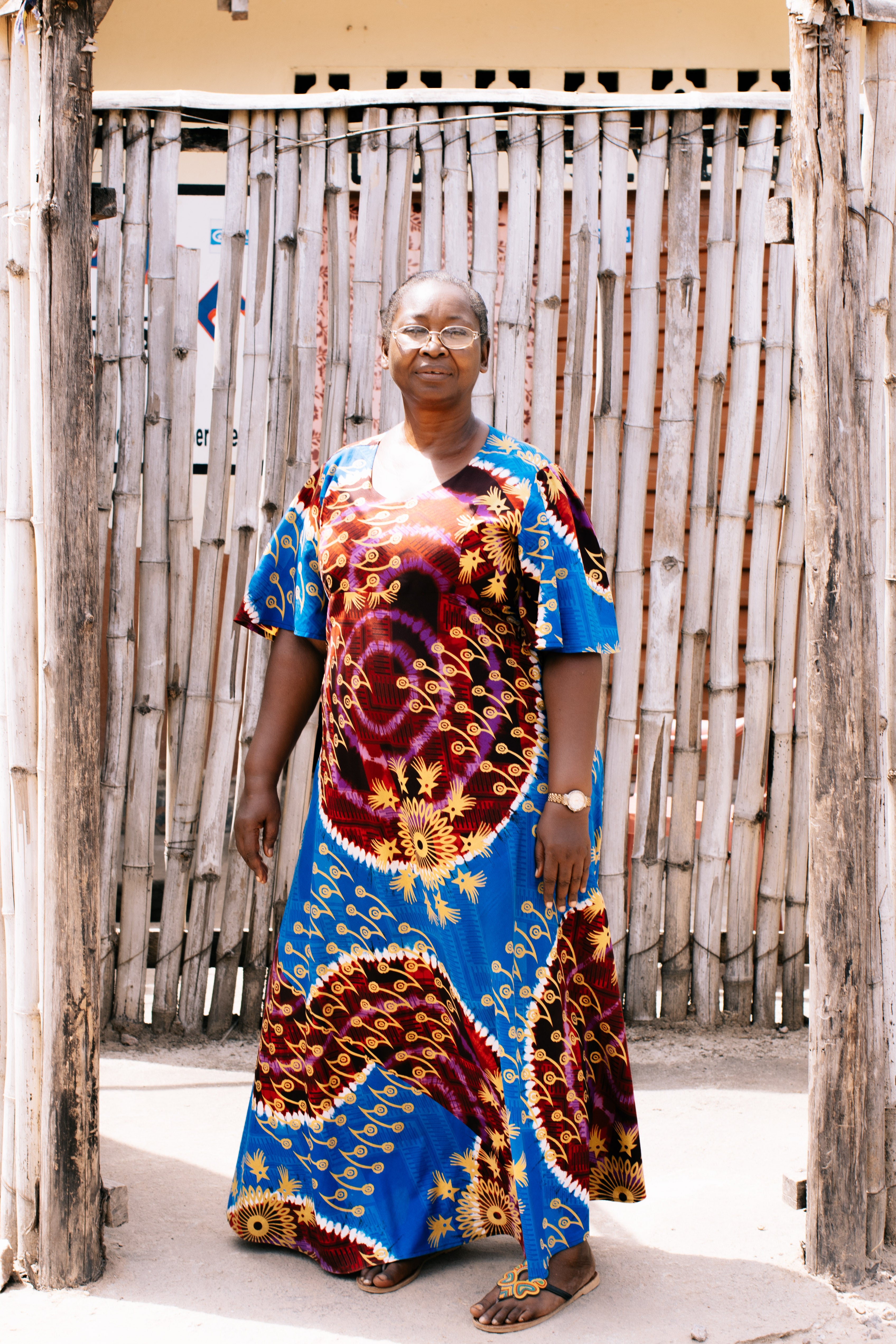
Fofanah remembers asking her mother if babies came from the belly button; her mother laughed and offered a proverb instead. This knowledge gap is what the AFC aims to bridge. Abdulai Tunkara, who runs the centre for Plan International, notes that many adolescents arrive with dangerous misconceptions about sexual health.
Young people often lack funds for menstrual products or family planning services and hesitate to seek help from formal health facilities due to costs. At the AFC, counseling, STI treatment, and family planning advice are provided free of charge. Young people increasingly bring friends and younger siblings for support.
Amida*, a 13-year-old girl attending the centre after school, shares that girls in her community were once expected to stay home while boys received an education. “Now, both boys and girls can go to school,” she asserts. “A girl has a right to choose her partner for herself.”
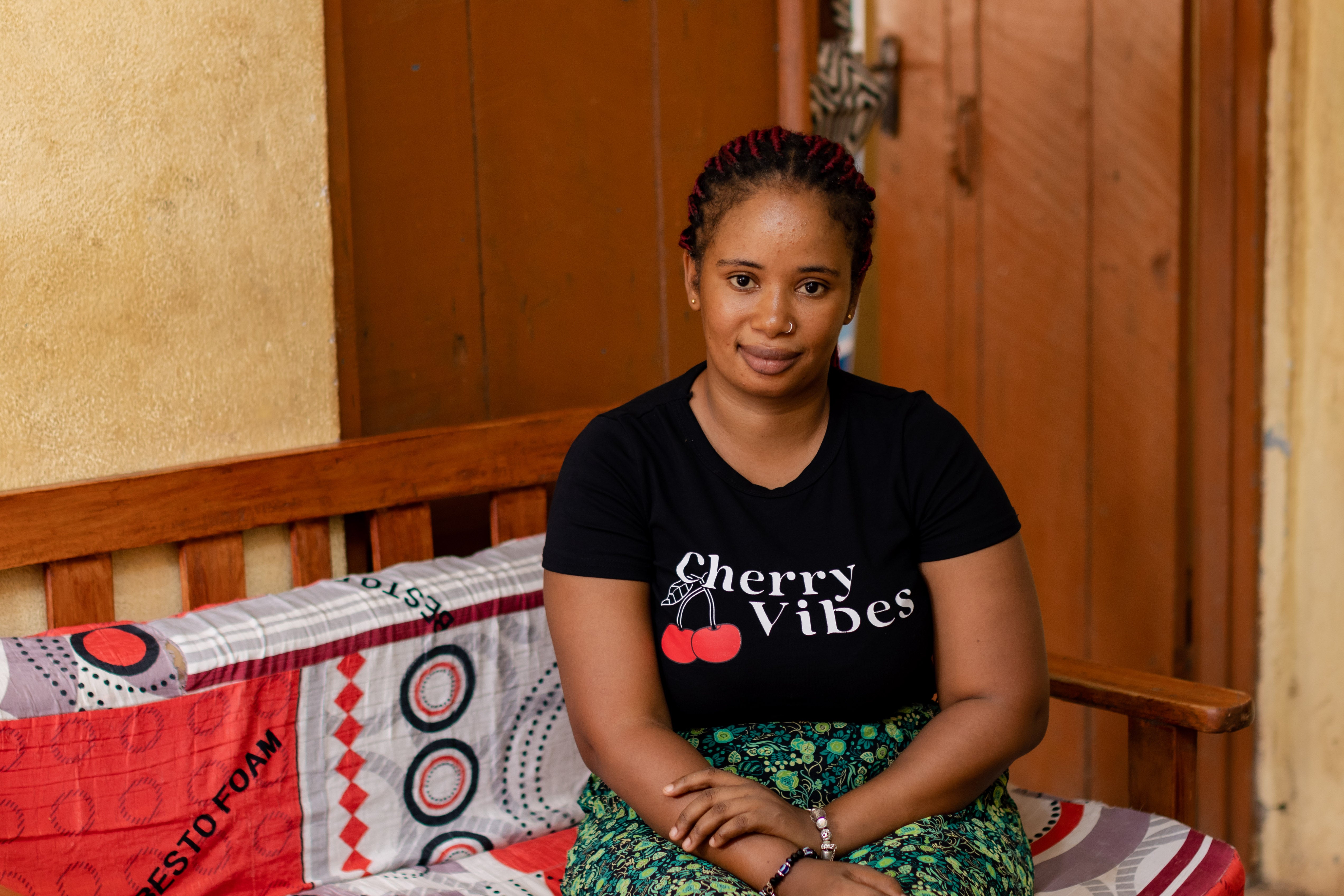
Amida dreams of becoming a teacher due to the scarcity of female educators in her community. Fatmata, 29, who collaborates with a community organization linked to the centre, recognizes how rare such aspirations are. Her elder sister married at 15; another sister wed at 17.
Fatmata states: “In my community, they believe that for girls, marriage is better than education.” Despite this belief, she pursued university education with her mother selling goods to fund her fees. Now studying business administration, she aims for a master’s degree afterward.
Tunkara fears that without funding, the centre could become a relic of what once was rather than a beacon of hope for the future. He questions: “What if we reach a point where there is no funding to run free family planning and free STI treatment? What would be the fate of the adolescents? Where can they get the money to afford this?”
*Name changed to protect identity