
Starmer's Exit: A Political Bloodbath as Trump Dismisses Him as "Not Winston Churchill"
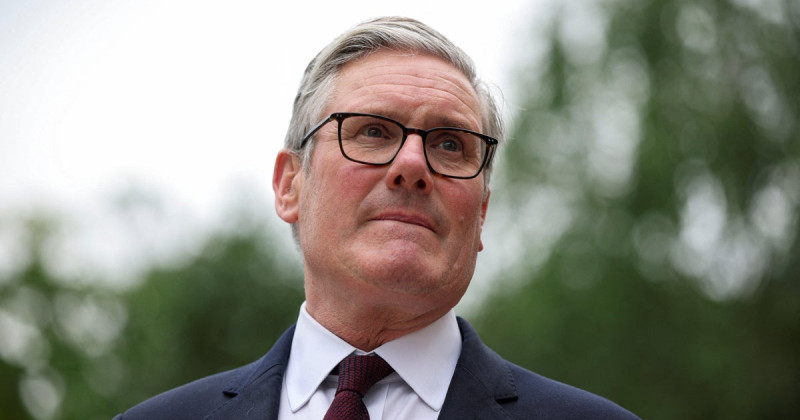
Keir Starmer's resignation marks a seismic shift in British politics, paving the way for the U.K. to welcome its seventh prime minister since the Brexit referendum in 2016.
Starmer, who led Labour to a staggering 174-seat majority in July 2024, initially vowed to complete his mandate. However, he ultimately bowed to pressure, acknowledging that his party demanded his departure.
Months of mounting pressure over immigration, welfare, and defense spending culminated in his resignation. Labour's support has dwindled in traditional working-class areas, where Nigel Farage’s Reform U.K. has positioned itself as the voice of disillusioned voters.
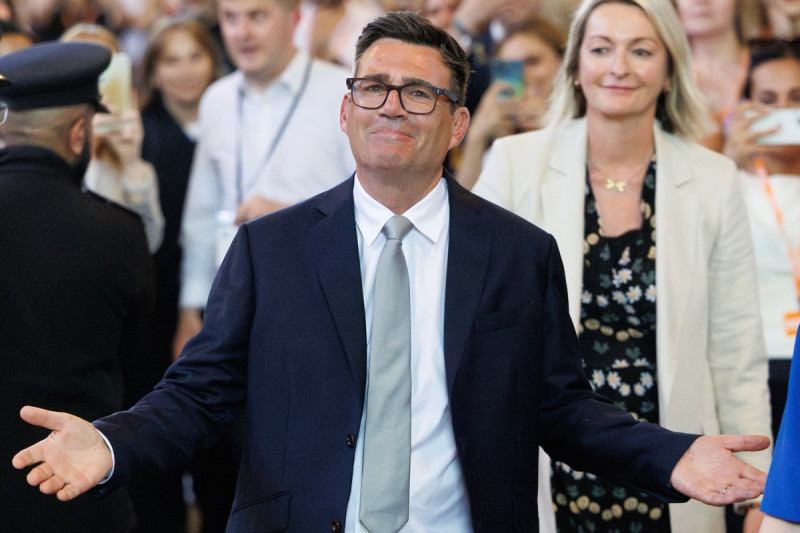
Andy Burnham, the former Greater Manchester mayor, emerges as the frontrunner to succeed Starmer. Labour leadership nominations open on July 9, with Burnham poised to take Downing Street swiftly if he faces no serious opposition.
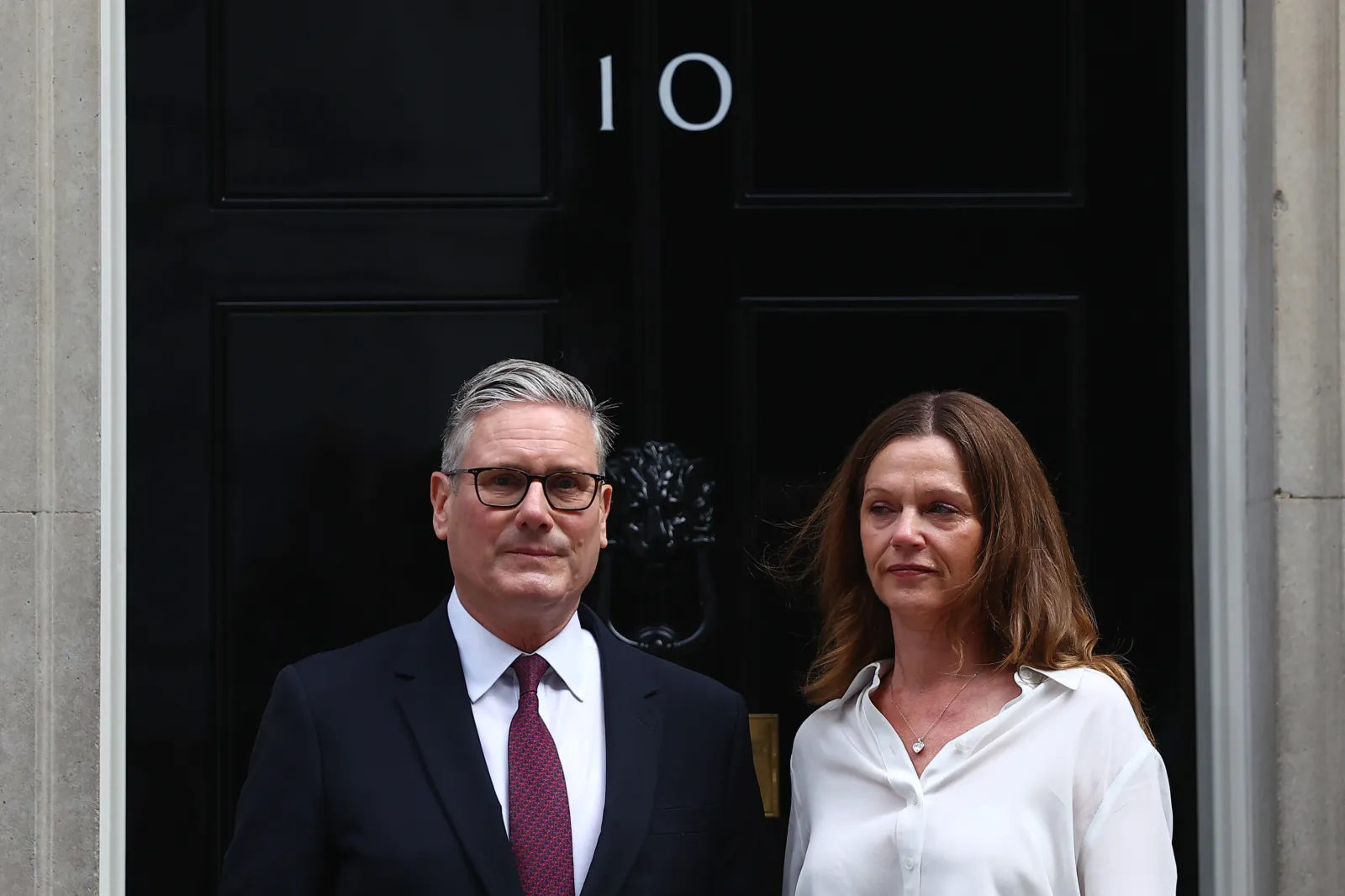
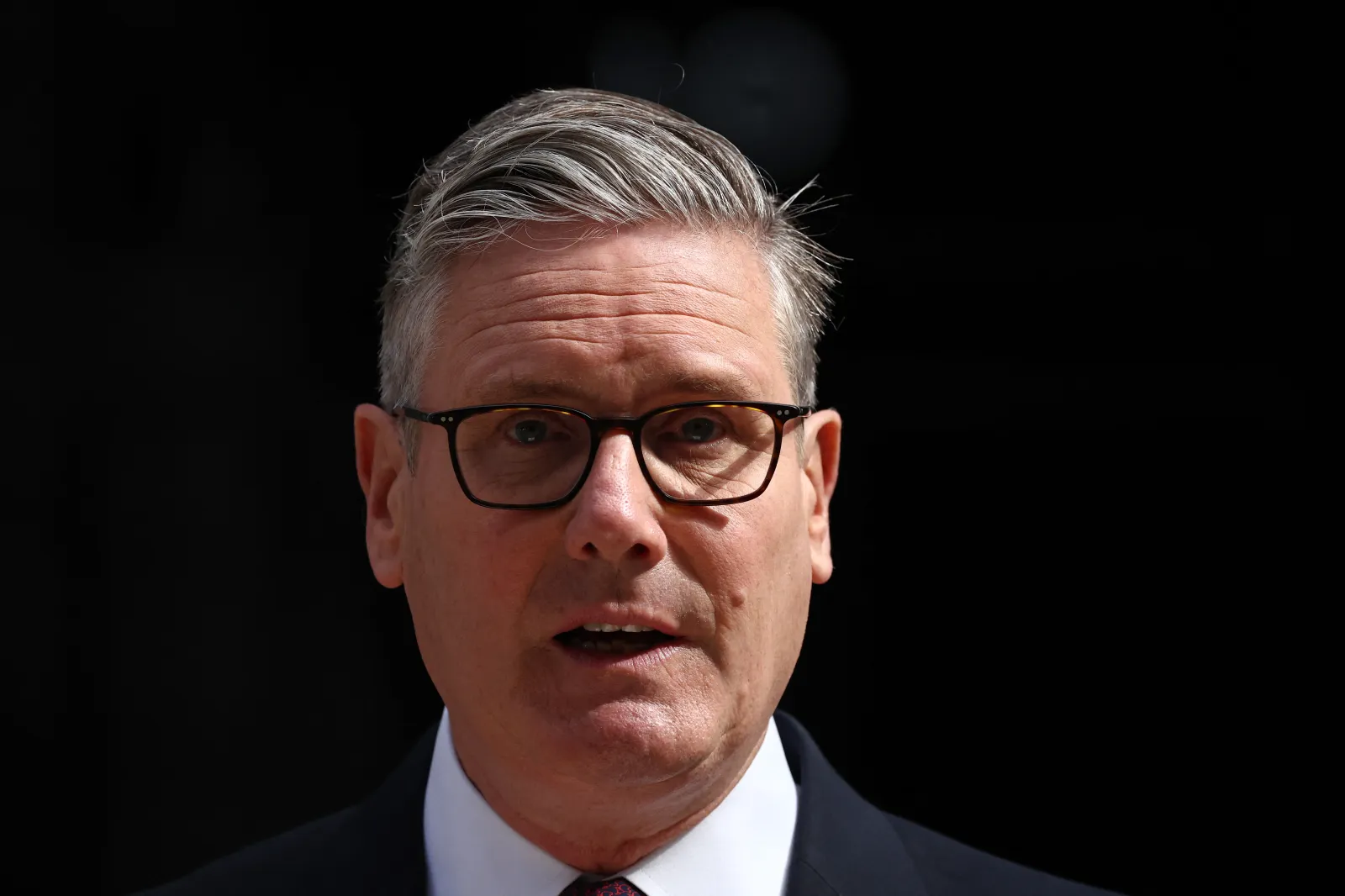
In an emotional address outside 10 Downing Street, Starmer stated, "the question my party is asking now is whether I am best placed to lead us into the next general election."
He accepted the parliamentary party's verdict gracefully, declaring, "that is why I will resign as leader of the Labour Party."
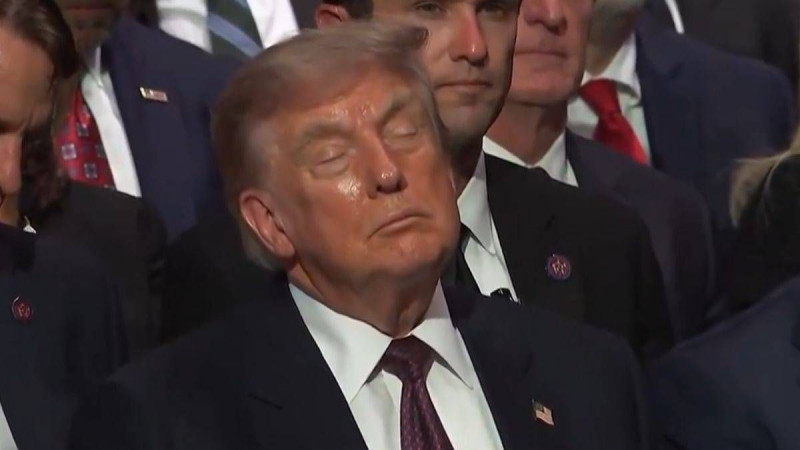
Donald Trump weighed in on Starmer's resignation, offering mixed remarks. He called Starmer a “lovely man” and “sort of a friend of mine,” but did not hold back on criticizing his policies.
Trump expressed concerns about the U.K.'s energy strategy, stating, “You’re really messing up energy. You have windmills all over the place.” His long-standing disdain for wind turbines as inefficient and landscape-destroying was evident.
Immigration also drew Trump's ire, labeling it a significant weakness in Starmer’s leadership. He remarked, "He's got two problems, energy and immigration ... and crime."
Trump further criticized Starmer for his reluctance to support U.S. and Israeli efforts during the Iran war. He recounted a conversation where he told Starmer, "We don't need you when we win."
Trump quipped, "This is not Winston Churchill we're dealing with, that I can tell you."
The U.K.'s political framework allows for a prime ministerial change between elections if the premier resigns or is ousted. Starmer's successor will be the seventh prime minister in a decade—a level of political turnover unseen in modern British history.
Since the Brexit vote, Britain has cycled through David Cameron, Theresa May, Boris Johnson, Liz Truss, Rishi Sunak, and now Starmer, with another leader set to follow.
During his resignation speech, Starmer highlighted Labour's achievements: an improving economy relative to Europe, rising wages, reduced public hospital waiting lists, and increased defense spending—an area Trump had previously criticized.
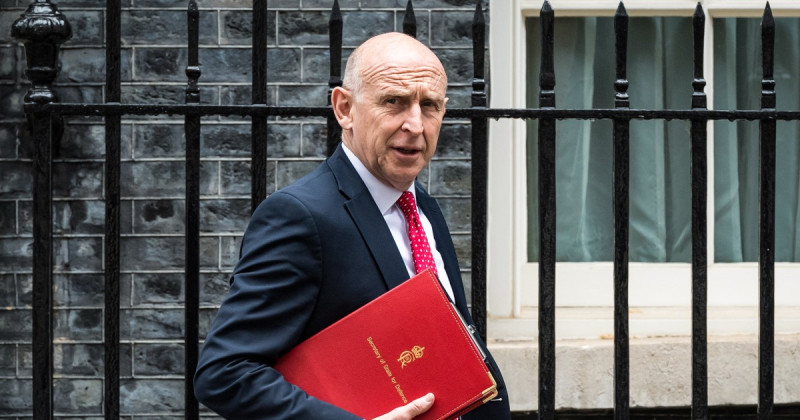
Despite these claims, Starmer faced backlash for failing to deliver on key promises while grappling with immigration and welfare reform issues. The resignation of Defense Secretary John Healey over military funding plans was a significant blow.
Darren Reid from Coventry University noted that Starmer's centrist approach alienated both right-leaning and progressive voters. The next prime minister must navigate this fractured political landscape to rebuild Labour's coalition.
Starmer's appointment of Peter Mandelson as UK ambassador to the U.S. backfired amid revelations about Mandelson’s ties to convicted sex offender Jeffrey Epstein. This controversy raised questions about Starmer’s judgment and vetting processes.
Starmer’s exit reflects deeper anxieties within Labour regarding Reform U.K.'s rise as it capitalizes on immigration and cultural dislocation issues threatening Labour's traditional base.
Reform has gained traction by asserting that both major parties have failed to manage immigration and protect public services. This message resonates in post-industrial areas crucial for Labour's survival.
Starmer's government attempted to counter this threat with tougher immigration policies but left him vulnerable on both sides—facing criticism from Reform for not controlling borders and from progressives for adopting Conservative rhetoric.
Burnham’s supporters argue that his recent victory against Reform demonstrates his potential to halt their momentum. His success in Makerfield showcases a politician who can address working-class concerns without mimicking Reform’s agenda.
Since the Brexit referendum, the U.K. has experienced three general elections, one governing party change, and six prime ministers—soon to be seven. This period includes Liz Truss’ record-breaking 49-day premiership.
The upcoming seventh prime minister signals ongoing political upheaval but does not set an all-time record for the U.K. Reid noted that Brexit has unleashed instability in British politics, with numerous leaders struggling to gain traction.
Historically, rapid government turnover occurred between 1827 and 1835 when seven governments emerged in eight years. Between 1852 and 1868, eight governments formed over 16 years.
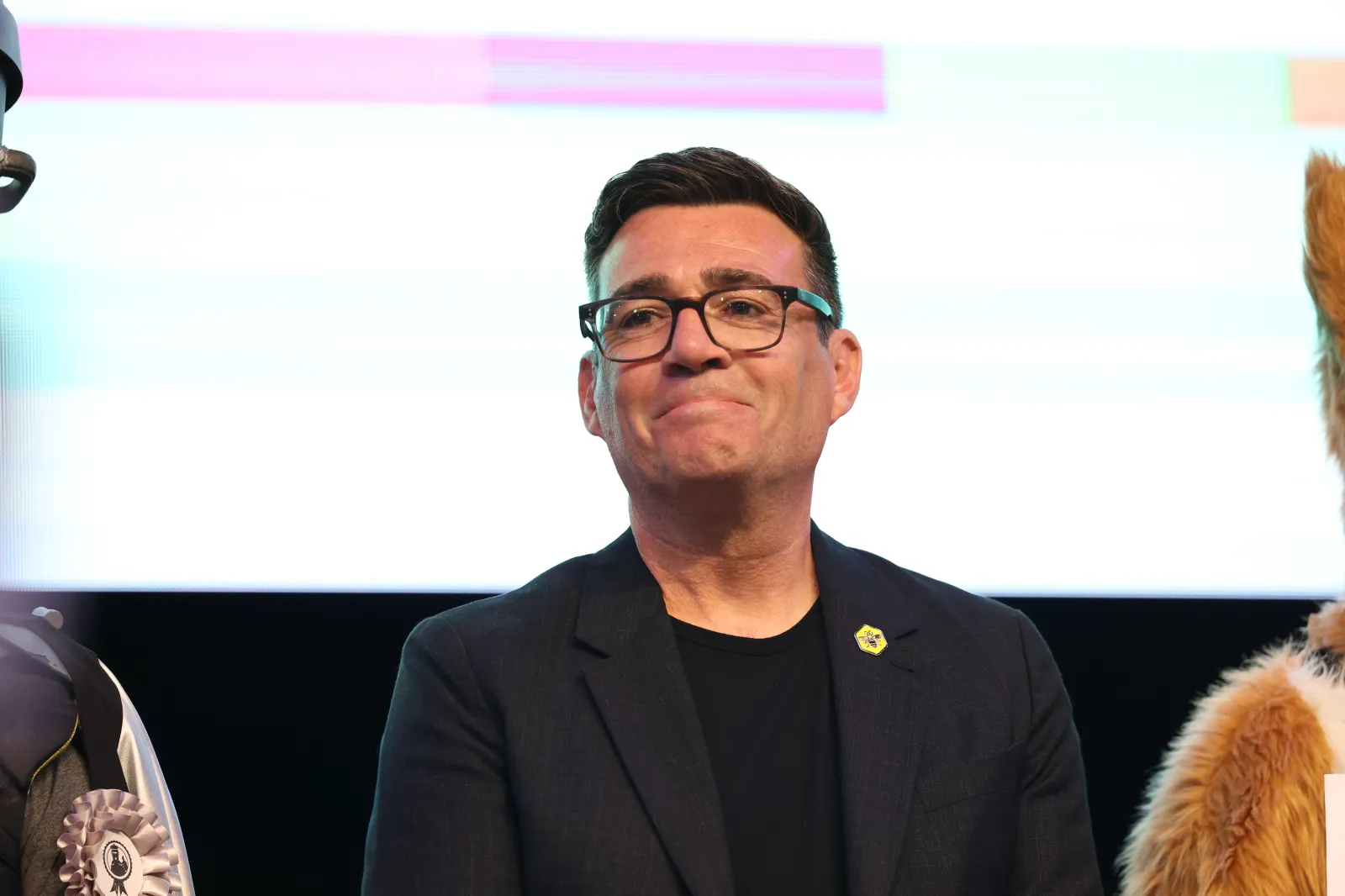
Pressure on Starmer intensified after Burnham won the Makerfield by-election. The previous MP stepped down to clear a path for Burnham’s leadership ambitions.
Born in Liverpool in 1970 and raised in Cheshire, Burnham presents himself as a relatable Labour figure compared to many Westminster politicians.
He first entered Parliament in 2001 and served under Tony Blair before becoming mayor of Greater Manchester with over 60 percent of the vote—a margin he increased in 2021.
Burnham has positioned himself as a champion for neglected regions and is favored to replace Starmer. Reid stated he commands overwhelming support in Parliament, making his ascension nearly inevitable.
His tenure as mayor solidified his reputation as the "King of the North," advocating for regional investment and governance while challenging Conservative ministers during the pandemic.
His allies describe his approach as ‘Manchesterism,’ focusing on devolving power from Westminster and revitalizing regions overlooked by London.

Burnham arrives in Westminster with Greater Manchester's success story behind him. His underdog mentality has fueled his appeal throughout his career.
Trump and Starmer initially maintained a cordial relationship that soured over time. Starmer could reference a trade deal in 2025 that granted the U.K. favorable tariff levels amid Trump's trade war.
However, tensions escalated when Starmer declined to support U.S. actions in Iran, which Trump criticized as detrimental to U.K. interests. The Trump administration cited this as evidence of NATO members not fulfilling their obligations.
The day before his resignation, Trump predicted Starmer would step down due to failures on immigration and energy issues while wishing him well.
If Burnham ascends to prime ministership, he will inherit diplomatic challenges with the U.S., likely leading to tensions due to Trump's foreign policy approach.
Contact Newsweek editors on this story: Frances Mao and Mike Hirst.