Trump Accuses Iran of School Strike as U.S. Investigators Point to American Involvement
Donald Trump asserted that an airstrike on a girls' school in southern Iran, which resulted in the deaths of at least 175 individuals, including children, was executed by Tehran. This claim stands in stark contrast to analyses indicating that the U.S. military may be accountable.
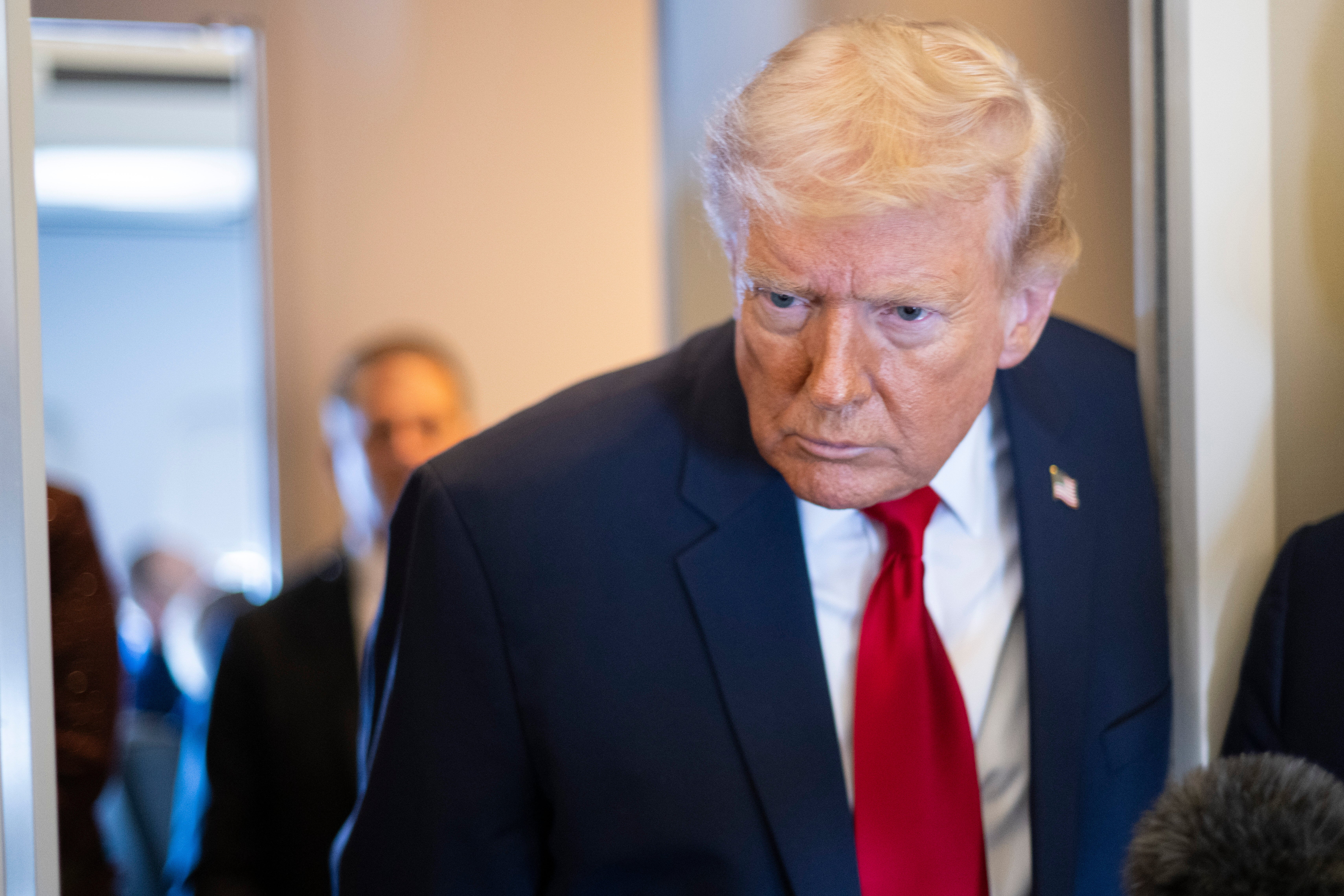
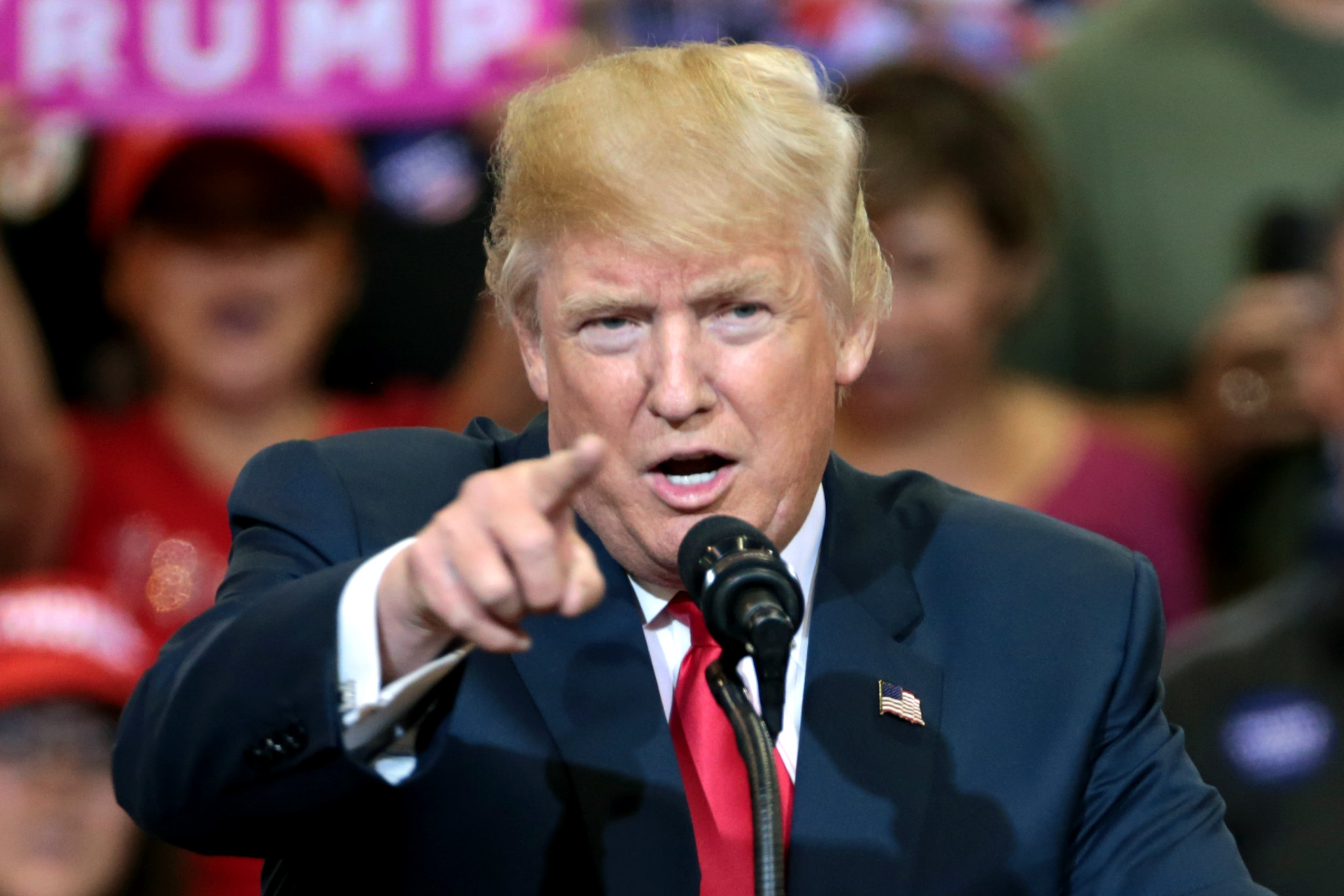
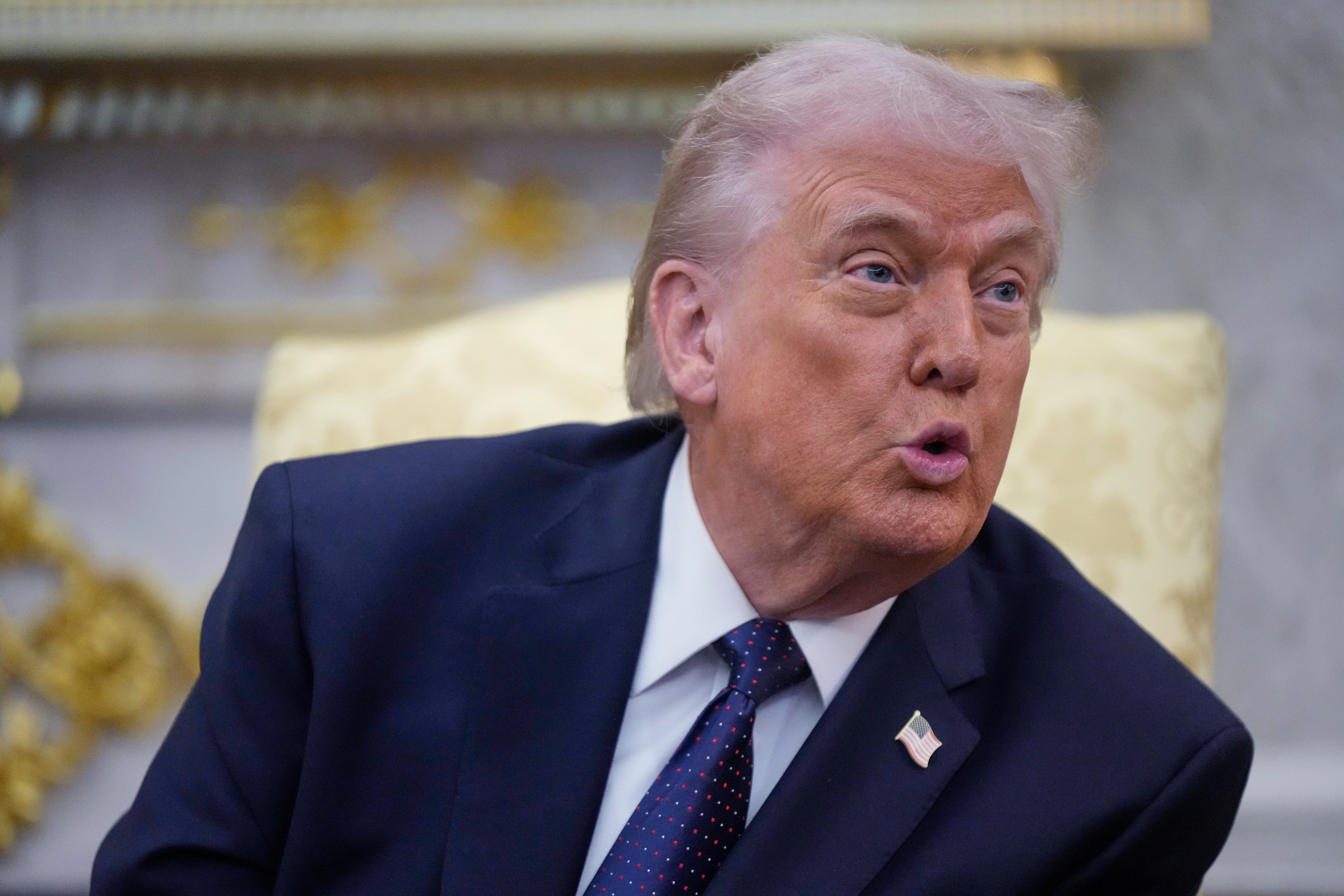
“No. In my opinion, based on what I’ve seen, that was done by Iran,” Trump stated emphatically to reporters aboard Air Force One on Saturday. “We think it was done by Iran because they’re very inaccurate as you know with their munitions. They have no accuracy whatsoever.”
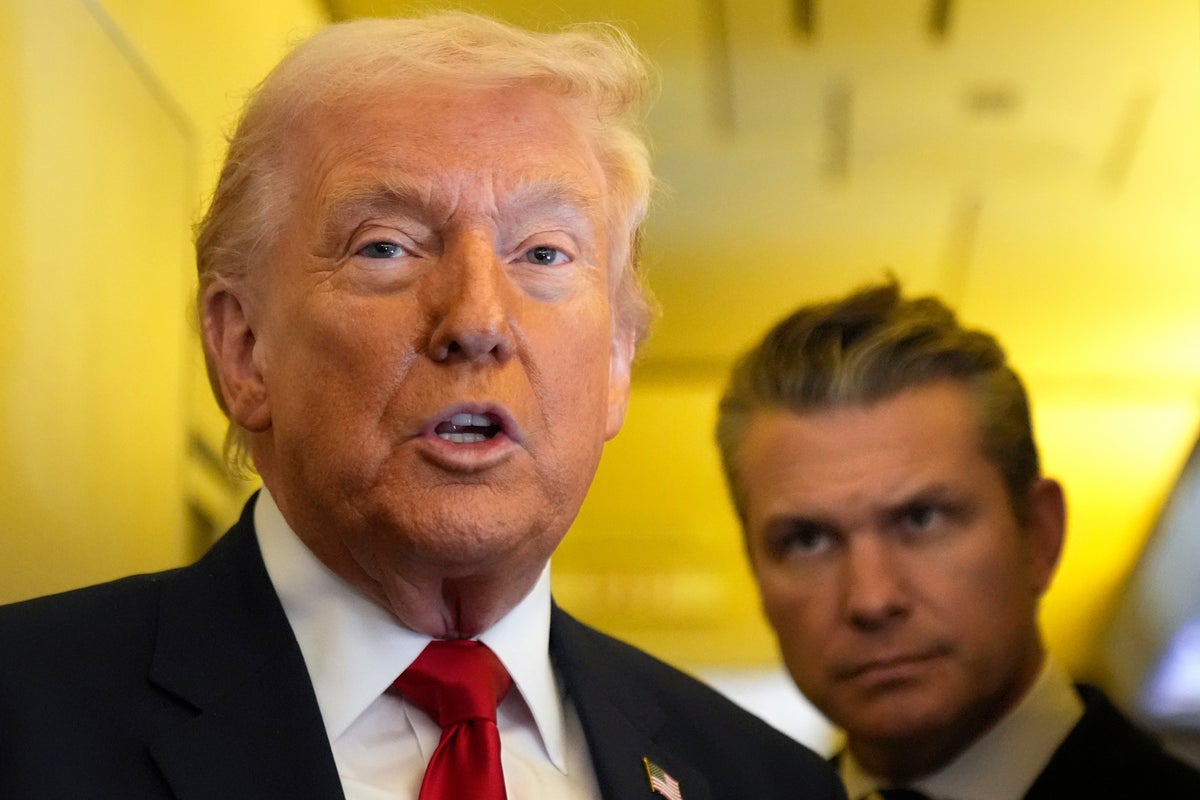
Defense Secretary Pete Hegseth, positioned behind the president, noted that investigations into the strike's origin were ongoing but emphasized, “The only side that targets civilians is Iran.”
Trump reiterated his stance with increased confidence, declaring, “It was done by Iran.” Yet, neither party has claimed responsibility for the tragic incident that occurred on February 28 in Minab.
The White House has maintained a vague and defensive posture regarding the school strike, despite rising speculation about its authorship. When questioned on Wednesday about U.S. involvement, Karoline Leavitt responded, “not that I know of.”
On Sunday, however, Michael Waltz, the U.S. ambassador to the United Nations, refrained from fully endorsing Trump’s assertion of Iranian culpability. He told ABC’s “This Week,” “I’ll leave that to the investigators to determine.”

“As Secretary Hegseth said, it’s under investigation,” Waltz continued. “I can tell you, as a veteran, in no uncertain terms, the United States does everything it can to avoid civilian casualties. Sometimes, of course, tragic mistakes occur.”
Evidence compiled by The New York Times—including satellite imagery and verified social media posts—indicates that the school was struck during simultaneous U.S. attacks on nearby targets.
Official Pentagon statements confirmed ongoing strikes against a naval base operated by the Islamic Revolutionary Guards Corps adjacent to the school.
Determining the exact perpetrator of the attack has been complicated by the absence of visible weapon fragments in satellite images and the inability of independent journalists to access the site.
The strikes were reported around 11:30 a.m. local time, with social media posts featuring photos and videos of the damaged school verified to have been taken shortly thereafter.
Utilizing geolocation experts, The Times confirmed that large plumes of smoke observed in videos at that time originated from both the naval base and the school.

Additionally, satellite images corroborated the timeline and illustrated how both locations were subjected to multiple precision airstrikes.
Wes J. Bryant, a national security analyst and former U.S. Air Force member who advised on civilian harm at the Pentagon, suggested to The Times that the destruction likely stemmed from “target misidentification,” indicating that those conducting the strikes may not have realized civilians were present in the building.
Theories proposing that a faulty Iranian missile caused the devastation have been dismissed due to the improbability of a single munition inflicting such extensive damage.