

Trump Acknowledges High Gas Prices May Persist Until Midterm Elections
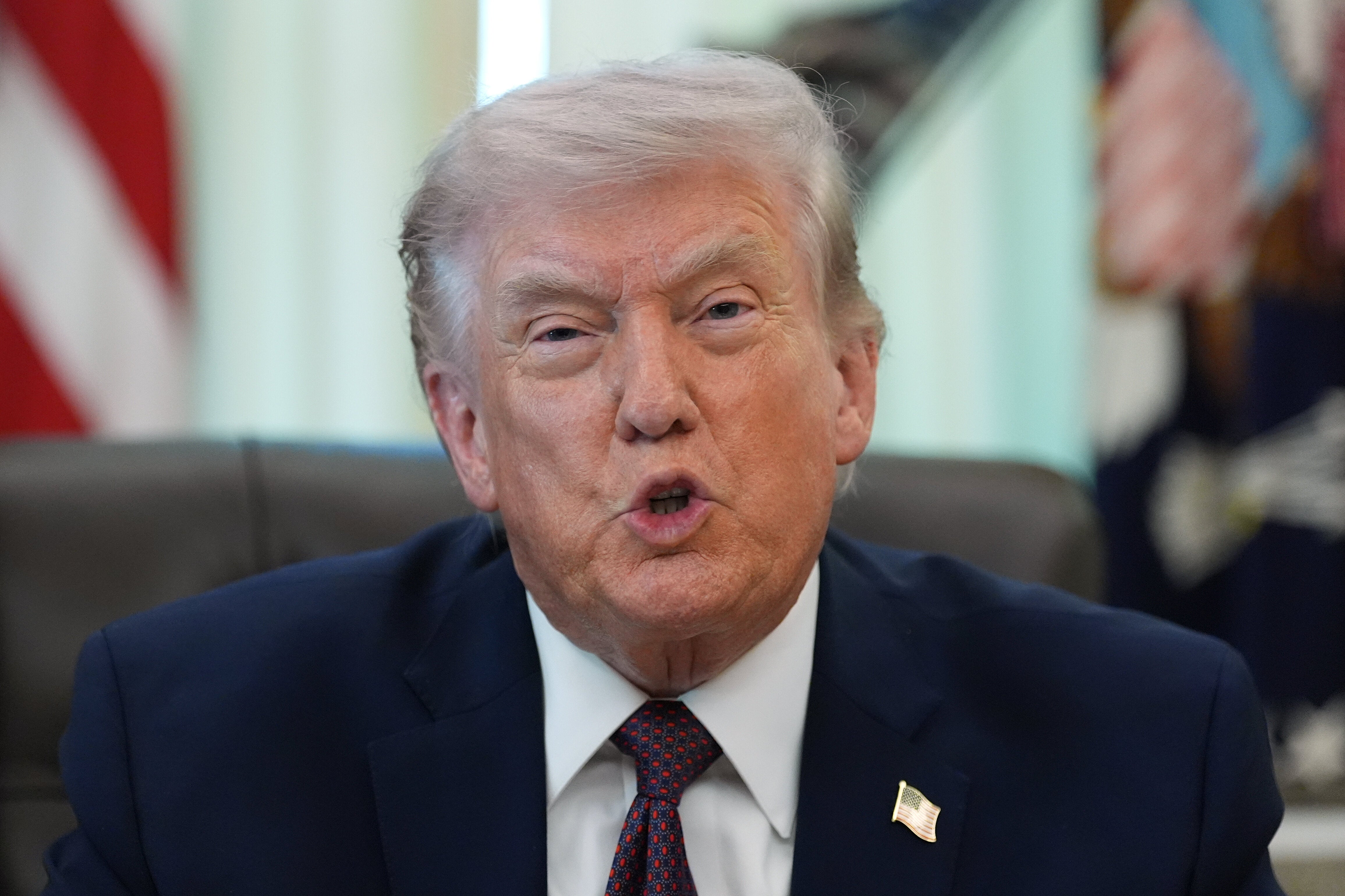
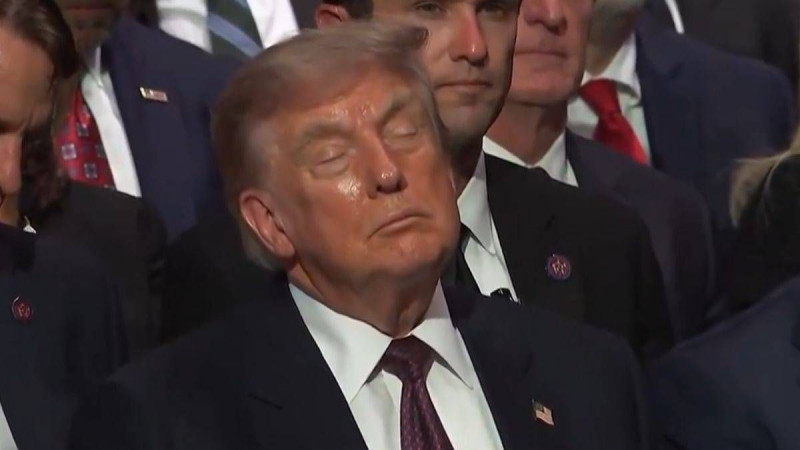
Donald Trump has acknowledged that elevated oil and gas prices might linger until the midterm elections in November, a notable admission regarding the political ramifications of his administration's approach to Iran.
During an interview on Fox News' "Sunday Morning Futures With Maria Bartiromo" from Miami, Trump was queried about the likelihood of a decrease in oil and gas prices by autumn.
His response was noncommittal: "It could be, or the same, or maybe a little bit higher, but it should be around the same."
This statement follows weeks of the president maintaining that the surge in prices was merely a temporary issue, despite reports indicating that his senior advisors were aware of the economic repercussions stemming from the ongoing conflict.
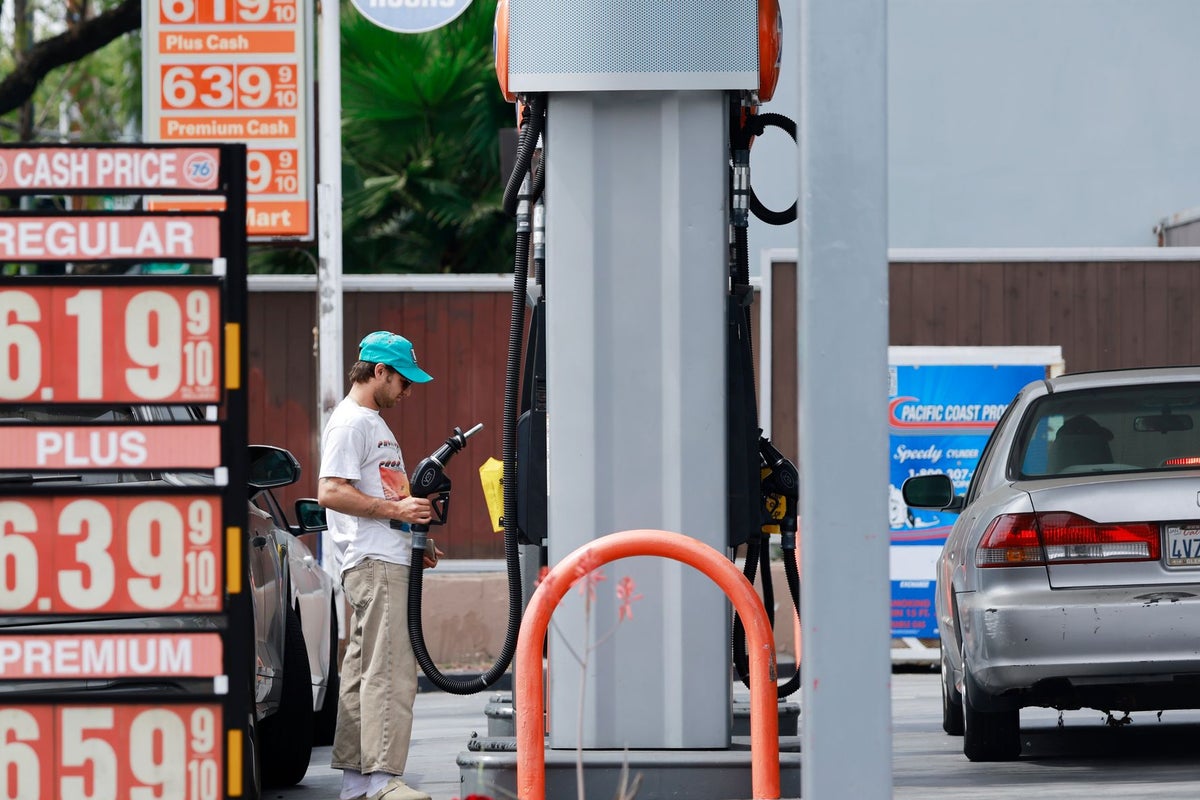
According to data from GasBuddy, the average price at U.S. gas stations has surpassed $4 per gallon for most of April, reflecting a significant financial strain on consumers.
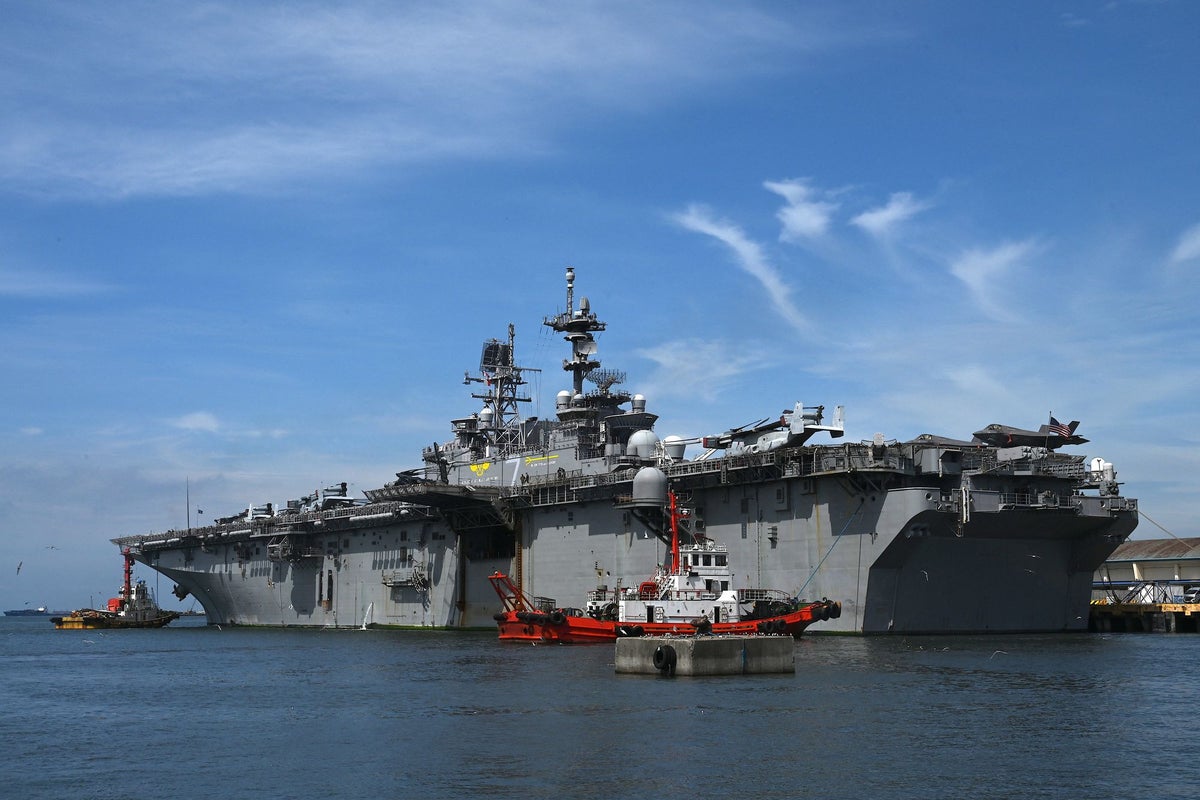
Earlier on Sunday, Trump took to social media to announce a blockade by the U.S. Navy at the Strait of Hormuz, declaring that any vessel paying a toll to Iran would be intercepted.
On Truth Social, he wrote: "No one who pays an illegal toll will have safe passage on the high seas."
This strategy follows extensive discussions between U.S. and Iranian officials in Pakistan over the weekend, which ultimately failed to produce a peace agreement. The blockade is framed as a countermeasure to Iran's closure of critical shipping lanes, an action that has contributed to a staggering 50 percent increase in global oil prices.
The conflict ignited on February 28 with a joint U.S.-Israel bombing campaign against Iran, quickly escalating as Iran and its allies retaliated against neighboring nations while Israel launched significant strikes against Hezbollah in Lebanon. The war has severely impacted global financial markets and resulted in thousands of civilian casualties, primarily in Iran and Lebanon.
Domestically, Trump's political fortunes have waned, with polls revealing widespread discontent among Americans regarding the war and rising fuel costs. His approval rating has plummeted to its lowest point during his second term, raising alarms among Republicans about potential losses in Congress during the upcoming midterm elections.
.png)
A Democratic majority in either chamber could lead to investigations into Trump's administration and hinder much of his legislative agenda.
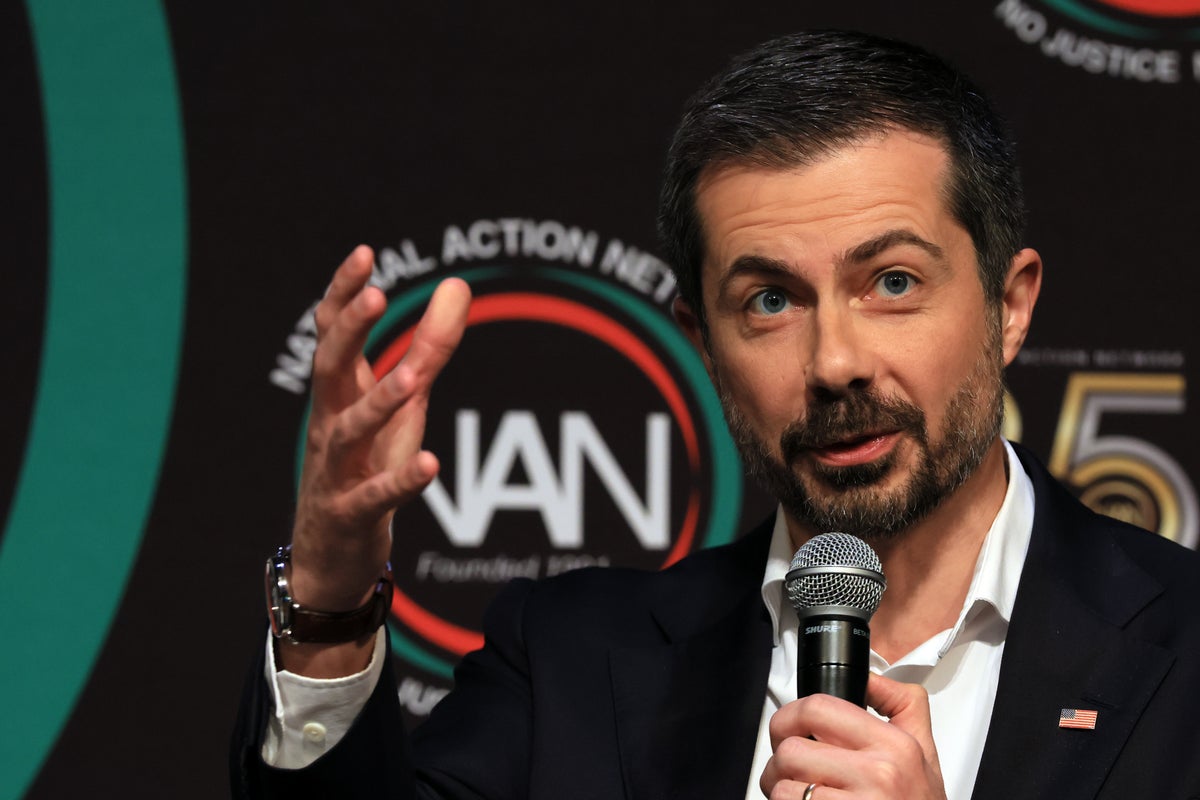
U.S. Senator Mark Warner of Virginia, the leading Democrat on the Senate Intelligence Committee, expressed skepticism about the strategic logic behind Trump's proposed blockade.
In an interview on CNN's "State of the Union," he stated: "I don't understand how blockading the strait is going to somehow push the Iranians into opening it."
In a separate discussion on CBS's "Face the Nation," Senator Warner further contended that the blockade would not diminish Iranian control over the waterway.
"The Iranians have hundreds of speedboats where they can still mine the strait or put bombs against tankers in closing the strait," he noted. "How is that going to ever bring down gas prices?"
While Trump has consistently suggested that the war would end quickly, Republican Senator Ron Johnson of Wisconsin remarked on ABC News' "This Week" that achieving U.S. objectives in Iran "could take a long time."
He added: "It's going to be a long-term project. I never thought this would be easy."