


Trump Advocates for Continued Military Action in Iran, Promises Swift Resolution
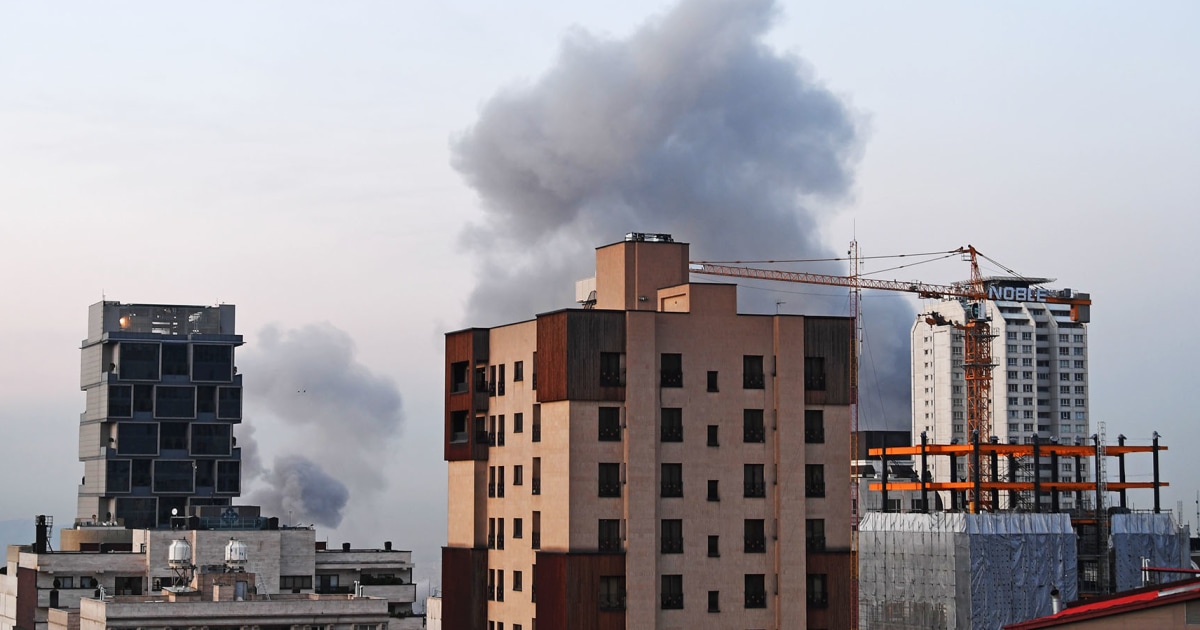
President Trump delivered a bold assertion regarding the U.S. military's capabilities in the ongoing conflict with Iran during a prime-time address Wednesday night. He stated that the war, now in its second month, would conclude “shortly,” though he refrained from providing a specific timeline.
On Day 32 of the conflict, Trump framed his speech as an operational update, presenting what he described as a compelling rationale for the military engagement. He emphasized its necessity for global security and outlined metrics for measuring American success.
“Thanks to the progress we’ve made, I can say tonight that we are on track and the country has been eviscerated and essentially is really no longer a threat,” Trump declared. “This is a true investment in your children and your grandchildren’s future. The whole world is watching,” he added, underscoring the stakes involved.
Despite his optimistic tone, Trump indicated that military operations would persist until all objectives were “fully achieved.” He warned, “We’re going to hit them extremely hard over the next two to three weeks,” asserting intentions to revert Iran to a primitive state. “In the meantime, discussions are ongoing,” he noted.
Trump also threatened significant strikes against Iran’s electric generating plants if negotiations falter, stating, “we are going to hit each and every one of their electric generating plants very hard and probably simultaneously.”
"Everyone has said that Iran cannot have nuclear weapons, but in the end, those are just words if you’re not willing to take action when the time comes," he asserted, claiming that the U.S. was on the verge of neutralizing Iran’s threat.

He drew comparisons to historical conflicts, noting that World War I lasted “one year, seven months and five days,” while the Korean War extended “three years, one month and two days.” He emphasized the importance of perspective regarding the current situation.
However, several claims made during his address were misleading. For instance, he suggested that Iran was "close" to developing a missile capable of striking the U.S., despite intelligence assessments indicating such capabilities would not materialize until 2035.
The economic ramifications of the conflict have been significant; oil and gas prices have surged while stock markets have reacted negatively since hostilities began. Trump acknowledged rising gas prices have caused concern among Americans but attributed this to Iranian actions.
In a candid moment earlier in the day, Trump discussed the potential for seizing Iranian oil but expressed doubts about American patience for such an operation. This remark highlighted a disconnect between White House optimism and public sentiment regarding the war.
Throughout his address, Trump reiterated themes from previous speeches, characterizing the military action as a brief excursion rather than a prolonged engagement. He reminded viewers of the stakes involved as thousands of additional troops were deployed to the Middle East amid ongoing Iranian attacks on regional allies.
While Trump has not ruled out ground troop deployment, he has maintained that all military options remain on the table. His private discussions have hinted at interest in securing Iran’s enriched uranium and oil through limited ground operations.
Public opinion remains divided; surveys indicate significant opposition to deploying U.S. ground troops, even among some Republicans. However, support for military action is robust within Trump's core base, with 90% of self-identified MAGA voters backing his approach.

Trump has frequently stated that the war would conclude “pretty quickly” or “very soon,” yet his timelines have varied widely. At one point, he remarked that he would know when it was time to end hostilities “when I feel it in my bones.”
Regarding the strategic Strait of Hormuz, through which a substantial portion of global oil flows, Trump urged nations reliant on it to “cherish” their access while promising U.S. assistance in safeguarding these routes.
Military experts have noted tactical successes in degrading Iran’s capabilities but question the long-term strategy if remnants of its regime persist. “You’d have to ask yourself, exactly what was this all about?” posed one analyst.
Retired military officials echoed similar sentiments, suggesting that while tactical achievements are evident, strategic success remains elusive if Iran retains its nuclear capabilities and regional influence.