


Trump Approves Executive Order to Propel Psychedelic Research, Including Ibogaine, for Mental Health Solutions

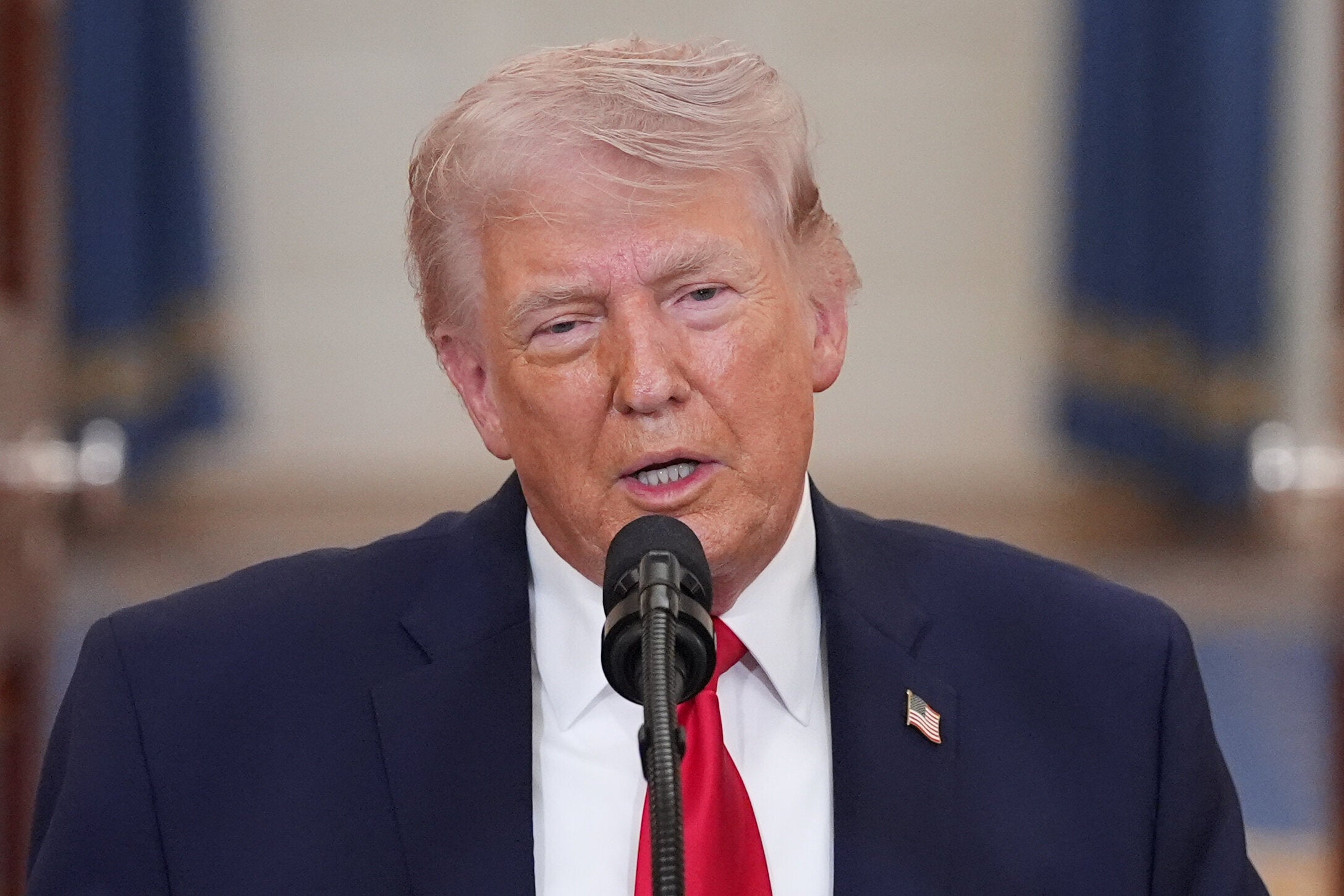
President Trump took decisive action by signing an executive order aimed at loosening research restrictions on psychedelics, particularly focusing on ibogaine, a substance utilized in various countries for treating post-traumatic stress disorder.
In a notable gathering at the Oval Office, Health and Human Services Secretary Robert F. Kennedy Jr. and prominent podcaster Joe Rogan were present alongside Mr. Trump during the signing ceremony on Saturday.
“This order will dramatically accelerate access to new medical research and treatments based on psychedelic drugs,” Mr. Trump stated, emphasizing their “life-changing potential.”
The federal government is set to invest $50 million into psychedelic research, with plans to create a pathway for administering ibogaine to “desperately ill patients” under the FDA's Right To Try rule.
“Everybody is so strongly in favor of this. It's for a lot of people, but it's for our veterans in particular,” Mr. Trump remarked, drawing attention to the alarming rates of veteran suicides.
He further noted, “If these turn out to be as good as people are saying, it’s going to have a tremendous impact on this country and in other countries too.”
FDA Commissioner Marty Makary announced that three psychedelics would be included in the National Priority Voucher pilot program, designed to expedite review times for drugs that align with U.S. health priorities. He also indicated that the FDA would initiate processes allowing researchers to conduct human trials on ibogaine.
“This is an unmet public health need and there are potentially promising treatments,” Makary explained. “That’s why there is a sense of urgency around this.”
Earlier this week, reports surfaced indicating that Mr. Trump was poised to sign the order.
Ibogaine, derived from a shrub native to Africa, has been explored for its potential in treating depression, anxiety, addiction, PTSD, and brain trauma. Researchers believe ibogaine could address gaps in addiction treatment, especially concerning opioid dependence; however, extensive clinical trials are necessary before it can be deemed safe or effective.
The current scientific backing for ibogaine primarily consists of small observational studies and open-label trials, with only one double-blind, placebo-controlled randomized clinical trial completed thus far. Recently initiated advanced trials have emerged, and Texas Governor Greg Abbott previously approved $50 million for research last year. The specifics of how the federal government will facilitate further research remain unclear as discussions continue internally.
As a Schedule I substance, ibogaine is classified by the Drug Enforcement Administration alongside drugs like heroin and ecstasy. Many Americans have sought treatment at unregulated clinics in locations such as Mexico or the Caribbean. However, studies indicate that ibogaine can lead to dangerous heart rhythm disturbances, which may be fatal. A 2023 review encompassing 24 studies with 705 participants highlighted the concerning risk of death from heart complications, revealing that at least 27 individuals have died following ibogaine use.