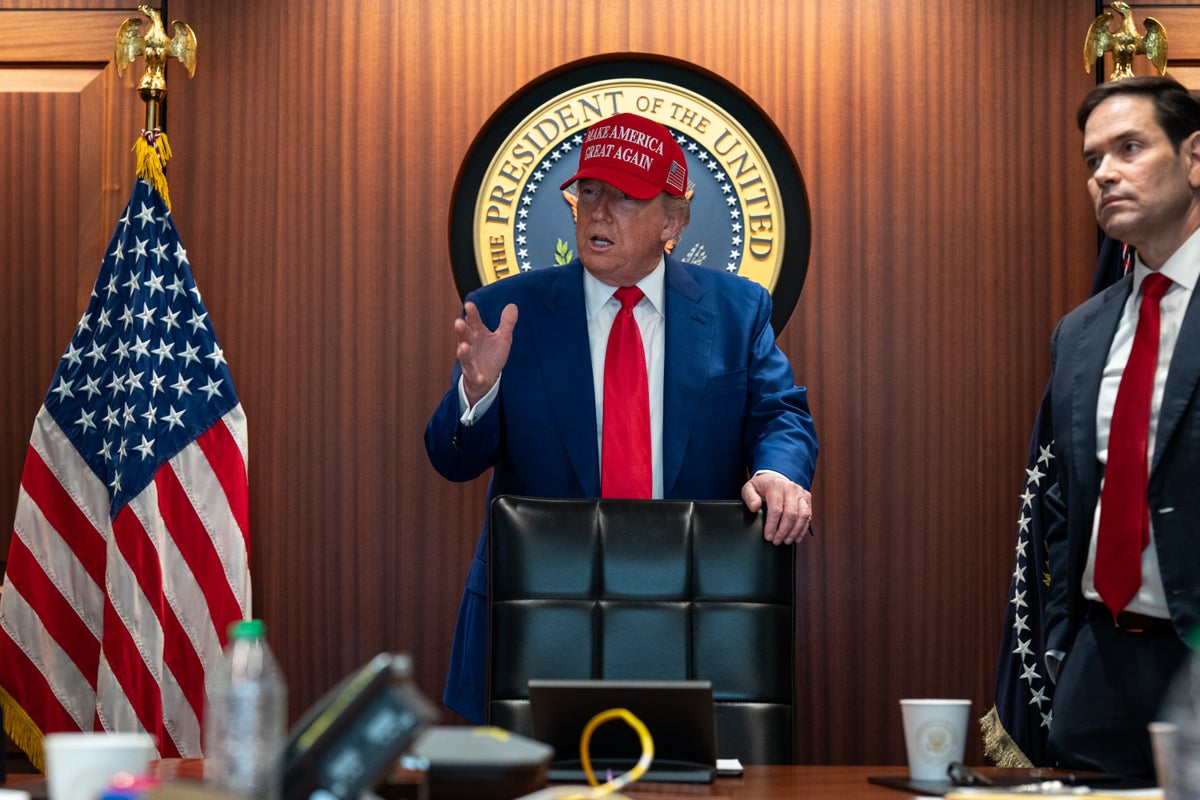

WASHINGTON — President Donald Trump, amid his ongoing military engagement with Iran, has expressed frustration over unfavorable polling regarding the conflict, labeling them as “rigged.” As the two-week ceasefire he announced on April 7 approaches its expiration, negotiations appear to be steering towards a framework strikingly similar to the 2015 nuclear agreement orchestrated by former President Barack Obama, which Trump dismantled in 2018.
The impending end of the ceasefire raises questions about the rationale behind Trump's earlier decision to withdraw from the deal. Jim Townsend, who served as deputy assistant secretary of defense during the Obama administration, questioned the cost of this reversal: “How many people had to die to gain what we already had?”
Casualties have mounted during this conflict, with thirteen U.S. service members and at least 1,500 Iranian civilians reported dead. Robert Kagan, a former State Department official under Ronald Reagan, criticized Trump’s approach, suggesting it has inadvertently empowered Iran more than ever before.
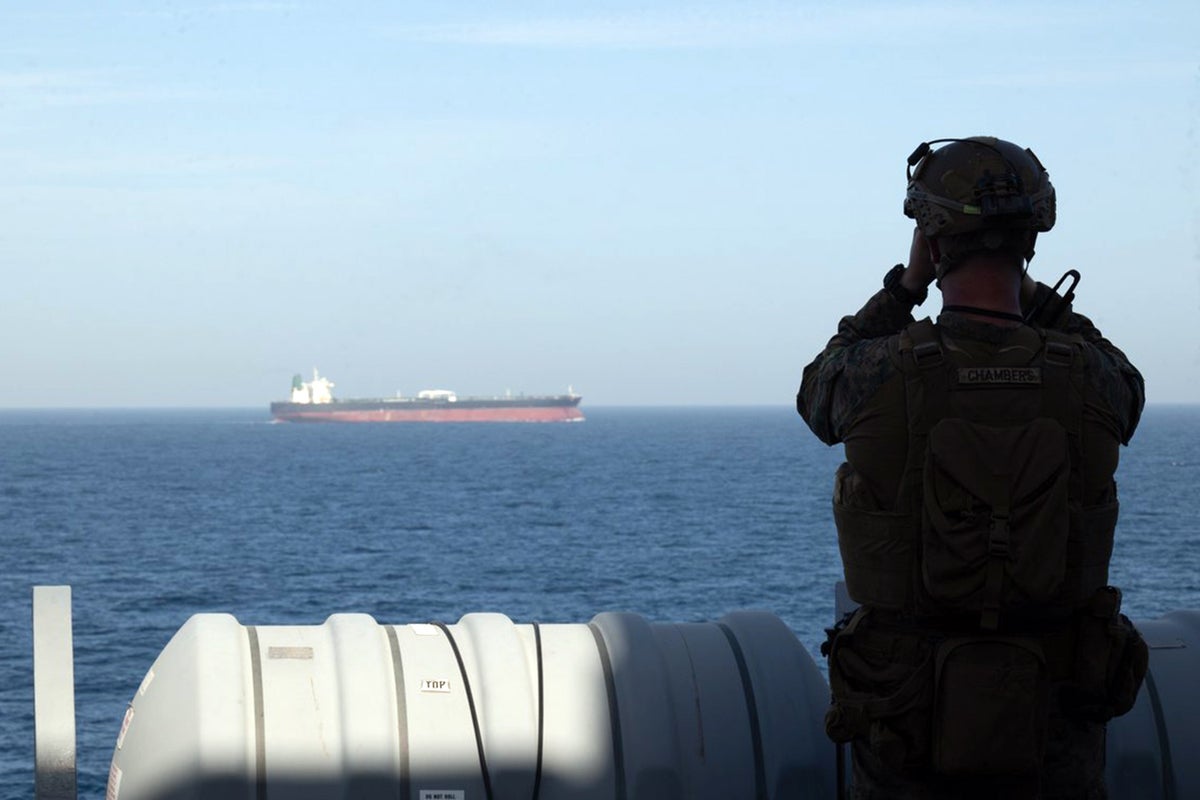
“Taking what had been an entirely open Strait of Hormuz and placing it in Iran’s control going forward is a strategic disaster,” Kagan stated. “Any deal that leaves Iran in effective control of the strait will elevate its status as a global power.”
One significant factor complicating Trump’s negotiations is Iran's acquisition of highly enriched uranium since the U.S. exited the nuclear deal. Initially compliant with the agreement, Iran began enriching uranium after the withdrawal, creating a new leverage point in discussions.
Some advisors within Trump’s own administration had cautioned against abandoning the deal, citing its effectiveness. Trita Parsi, an analyst at the Quincy Institute, remarked, “This war has been disastrous; the U.S. would have been in a better position had Trump never walked out of the JCPOA.”
Trump's recent comments suggest an awareness of the contradictions in his stance. He claimed that any new agreement would surpass the previous one, which he often disparaged. “The DEAL that we are making with Iran will be FAR BETTER than the JCPOA,” he asserted on social media.
Despite his claims, Trump continues to misrepresent the original agreement's intent, which was designed to limit Iran’s nuclear capabilities rather than facilitate weapon development. Under Obama, some Iranian assets were unfrozen, but current circumstances have allowed Iran to benefit significantly from rising oil prices due to ongoing conflict.
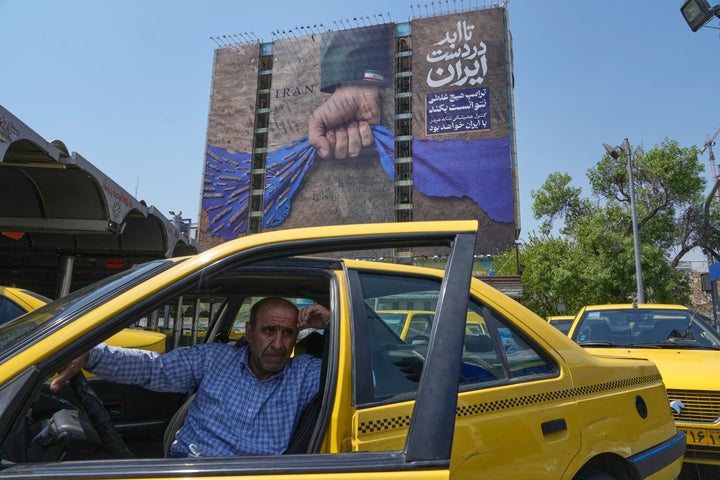
David Axelrod, a former aide to Obama, expressed skepticism about Trump’s motivations for revisiting the deal: “I’ve always felt the principal motivation for ripping up the JCPOA was that it was an Obama achievement.”
On Monday, Trump’s communications reflected confusion regarding ongoing events. He claimed Vice President JD Vance was en route to Pakistan for further talks with Iran, despite Vance being present in Washington at that time.
Trump later indicated that the ceasefire would conclude “Wednesday evening Washington time,” despite having initially set it for Tuesday. His comments raise questions about his grasp on timelines and details.
In recent weeks, Trump has favored phone interviews with reporters, likely due to their limited scope for follow-up questions. He continues to assert victory in the conflict, claiming significant damage to Iran’s military capabilities while simultaneously declaring this as “regime change,” despite the continuity of Iran's government.
“If Iran’s new leaders (Regime Change!) are smart, Iran can have a great and prosperous future!” Trump concluded in a recent post.