Trump Blasts Allies, Declares Strait of Hormuz Security 'Not Our Responsibility'
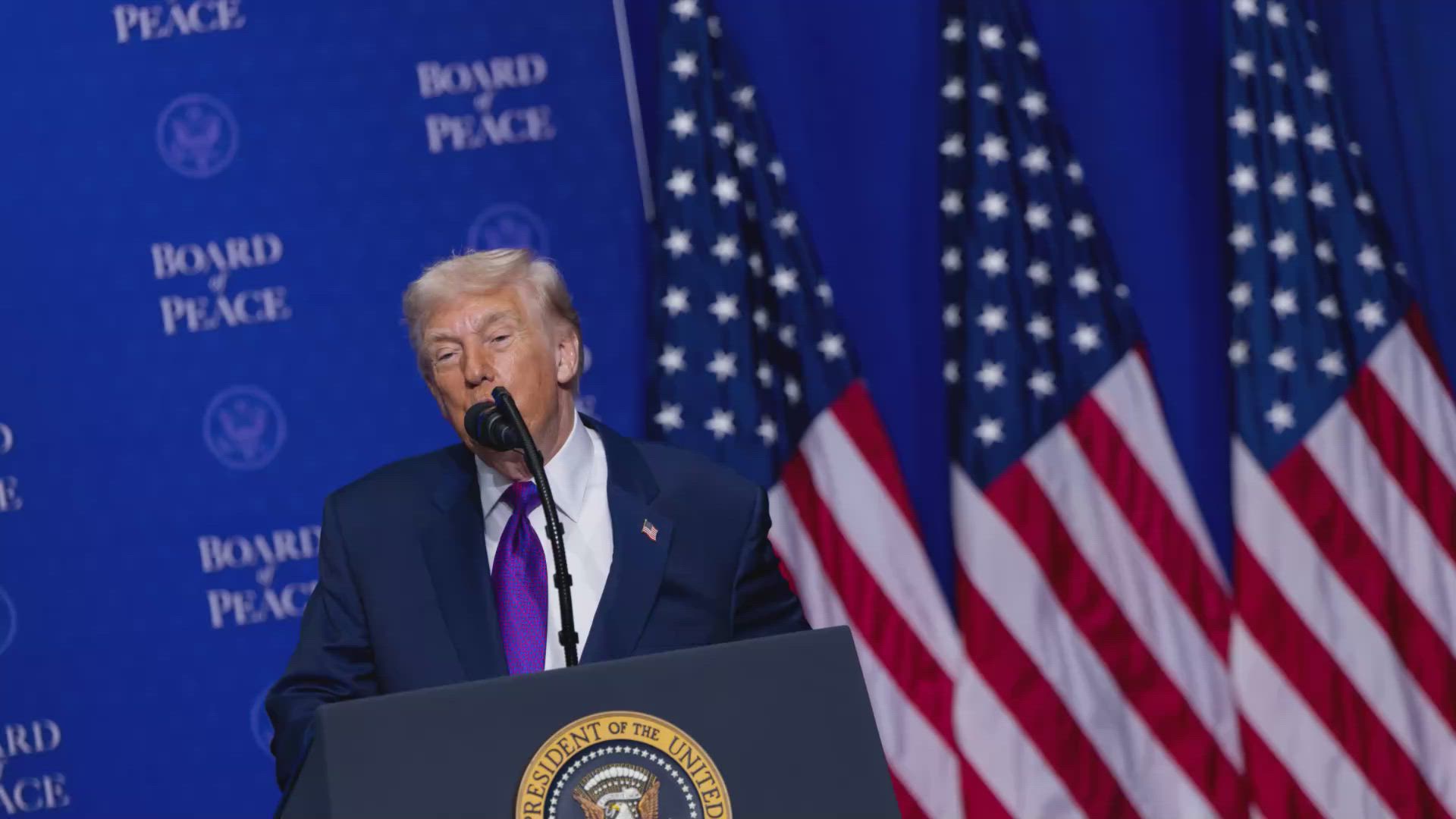
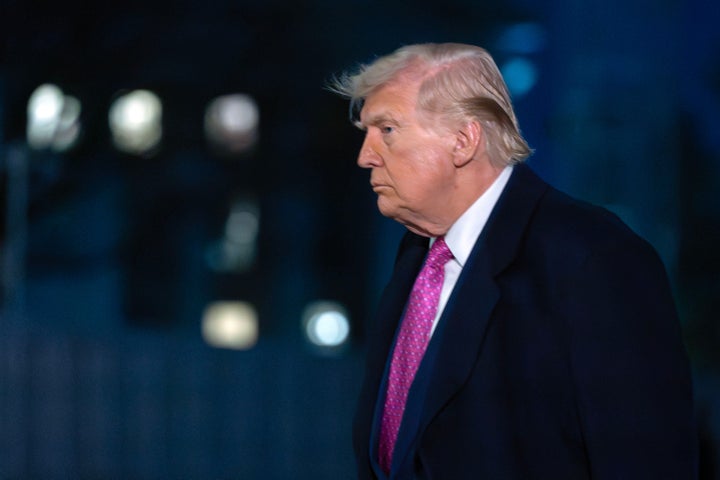
DUBAI, United Arab Emirates — President Trump issued a stark warning to U.S. allies on Tuesday, demanding they take responsibility for their own oil security amid escalating tensions with Iran. “Go get your own oil,” he stated, emphasizing that the U.S. would not be tasked with securing the vital Strait of Hormuz.
In a bold assertion, Trump claimed that U.S. military operations could conclude within weeks, distancing America from future developments in the strait, which has been impacted by Iranian actions. “That’s not for us,” he remarked, suggesting that nations dependent on the waterway should bear the burden of its security.
As gas prices surged past $4 a gallon in the U.S., the conflict intensified with U.S. airstrikes targeting Isfahan, resulting in a significant explosion. Iran retaliated by attacking a Kuwaiti oil tanker, highlighting the war's escalating violence and its impact on global oil supplies.
Trump's rhetoric has fluctuated between diplomatic overtures and aggressive posturing. He shared footage of the Isfahan attack on social media, directing criticism at allies like the United Kingdom and France for their hesitance to engage in a conflict without a clear resolution.
“You’ll have to start learning how to fight for yourself,” he wrote, underscoring a sentiment of abandonment towards allies who have not supported U.S. military efforts. He specifically called out France for restricting U.S. military flights over its territory.
Despite France allowing U.S. operations from its Istres base under certain conditions, Spain has taken a firmer stance, closing its airspace to U.S. military aircraft involved in the conflict. Italy also denied access to its Sigonella air base for related operations, although its Defense Minister insisted relations with the U.S. remain strong.
In Baghdad, an American journalist was kidnapped, prompting Iraqi security forces to pursue her captors. The incident has been linked to Iranian-backed militias, raising concerns about safety in the region.
The USS George H.W. Bush aircraft carrier departed from Norfolk, Virginia, heading towards the Middle East as part of a military buildup in response to the ongoing conflict. This marks the third carrier deployed to support operations against Iran.
Trump warned that if a ceasefire is not achieved soon and if the Strait remains closed, the U.S. may escalate its military actions, potentially targeting key Iranian infrastructure.
Defense Secretary Pete Hegseth refrained from confirming whether ground troops would be deployed, emphasizing a desire to limit military engagement. A ground invasion could provoke backlash among Iranians who oppose their government.
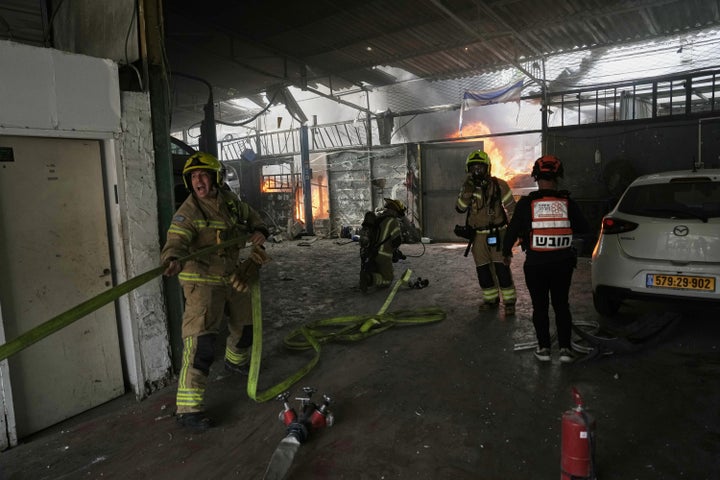
Since the onset of hostilities, U.S. casualties have mounted, with 13 service members reported dead and hundreds wounded. Meanwhile, Israel has intensified its military operations against Hezbollah in Lebanon, further complicating the regional landscape.
As the conflict continues to unfold, the United Arab Emirates has barred Iranians from entering or transiting through its territory, reflecting growing regional tensions. Reports indicate significant casualties across Iran and Lebanon, with thousands displaced amid ongoing violence.
The situation remains fluid as international responses evolve and military strategies are reassessed in light of escalating hostilities.