

Trump Claims Iran Open to Ceasefire, But He’s Not Ready to Strike a Deal
“The terms aren’t good enough yet,” President Trump stated during a Saturday interview, revealing his hesitance to finalize a ceasefire with Iran, despite the nation’s readiness to negotiate. He refrained from detailing what those terms might entail.
In a nearly 30-minute phone conversation, Trump elaborated on U.S. military strategies in the region, particularly regarding the Strait of Hormuz, where he is collaborating with other nations to address rising global oil prices. He dismissed concerns about increasing gas prices following the U.S.-Israel military operations initiated two weeks prior.
Amidst these discussions, Trump raised doubts about the status of Iran’s new supreme leader, questioning whether he is “even alive.”
Surprised by Iran's aggressive actions against other Middle Eastern nations in retaliation for U.S. strikes, Trump remarked that recent attacks on Kharg Island “totally demolished” much of the area, suggesting further strikes might occur “just for fun.”
He also criticized Ukrainian President Volodymyr Zelenskyy, labeling him “far more difficult to make a deal with” than Russian President Vladimir Putin regarding the ongoing conflict in Ukraine. This comment follows backlash from international leaders after the U.S. eased sanctions on Russian oil to combat soaring global prices.
Trump reiterated his unwillingness to negotiate a ceasefire at this time, stating, “Iran wants to make a deal, and I don’t want to make it because the terms aren’t good enough yet.” He emphasized that any agreement would need to be “very solid.” When pressed for specifics, he declined to elaborate but acknowledged that Iran’s commitment to abandon nuclear ambitions would be essential.
His remarks come in light of reports indicating that the Trump administration has largely ignored proposals aimed at advancing peace talks.
As the military operation continues, which began last month with joint strikes from U.S. and Israeli forces, Trump noted that 13 U.S. service members have lost their lives since hostilities escalated, including six crew members from a refueling plane that crashed in Iraq.
Mixed messages have emerged from Trump administration officials regarding military objectives in Iran, with Trump oscillating between suggesting the conflict could extend for months and asserting that “we are way ahead of the timetable.”
On Saturday, he stated that Iran’s capabilities could be swiftly neutralized: “The only power they have... is the power of dropping a mine or shooting a relatively short-range missile. But when we get finished with the shoreline, they’re not going to have that power either.”
Trump claimed significant progress has been made against Iranian military assets: “We’ve knocked out most of their missiles. We’ve knocked out most of their drones... Within two days, it’ll be totally decimated.”
He called upon “numerous countries affected by the thuggery of Iran” to assist in securing the Strait of Hormuz, a vital route for oil transport, as global oil prices continue to rise amid the conflict.
Iranian leaders have vowed to keep the strait closed and demand higher oil prices as tensions escalate. Trump mentioned that several nations have pledged support but withheld their identities.
In a post on Truth Social, he stated: “Many Countries... will be sending War Ships... to keep the Strait open and safe,” expressing hope that nations like China and France would contribute.
Uncertainty looms over whether Iran has deployed mines in the strait. Trump indicated plans for extensive sweeps of the area, anticipating cooperation from other nations affected by Iranian actions.
When asked about potential U.S. Navy escorts for ships traversing the strait, he was noncommittal but acknowledged it was “possible.”
Confirming U.S. strikes on Kharg Island—an oil terminal crucial for Iranian exports—Trump claimed that while precision strikes targeted military assets, they intentionally spared energy infrastructure due to its long-term implications.
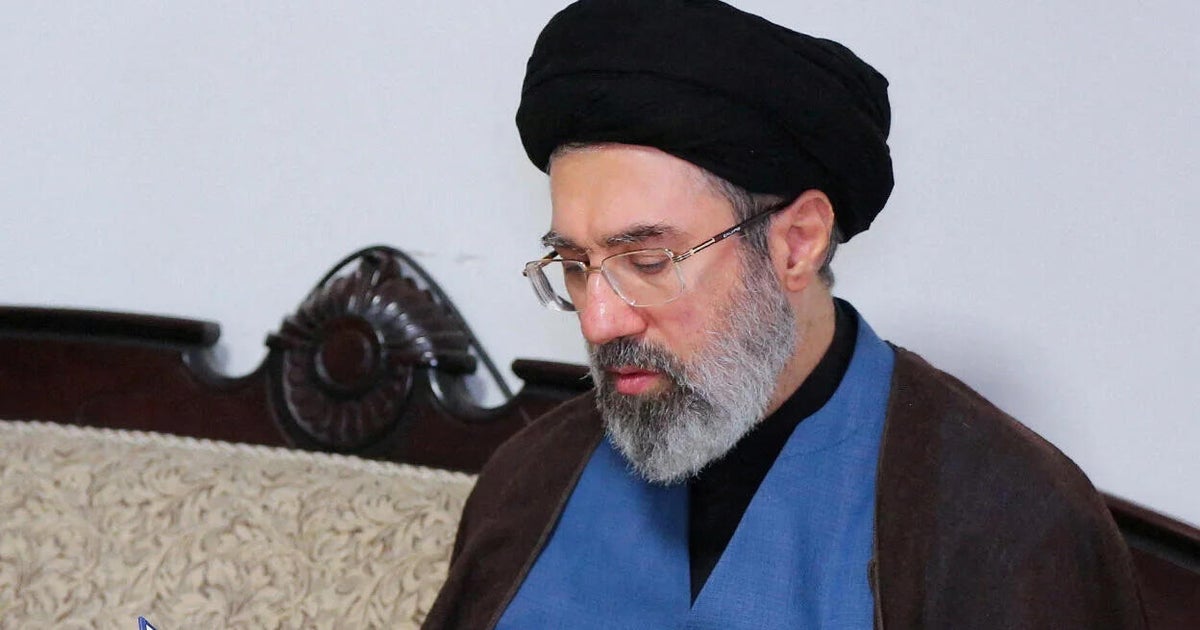
He expressed skepticism regarding the health of Iran’s supreme leader, Mojtaba Khamenei, who has not appeared publicly since taking office. “I don’t know if he’s even alive,” Trump remarked, adding that if Khamenei is alive, he should consider surrendering.
Defense Secretary Pete Hegseth commented on Khamenei’s situation, suggesting he may be injured or lacking legitimacy following his father’s death during U.S. and Israeli strikes.
Trump refrained from naming any preferred successors for Khamenei but hinted at potential leaders who could guide Iran positively in the future.
He praised U.S. allies in the Middle East for their support and expressed surprise at Iran's attacks on neighboring countries, calling it “the biggest surprise I had of this whole thing.”
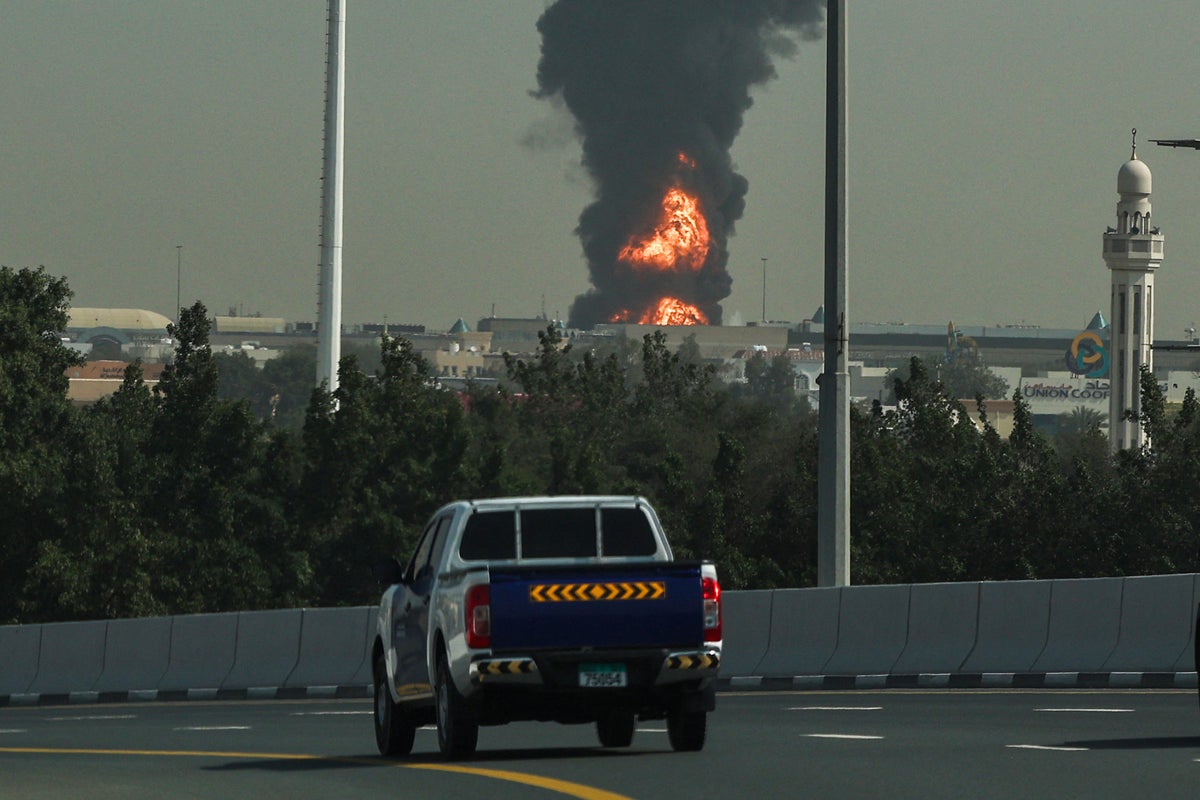
Reports indicate that Iran has targeted various Middle Eastern nations with drone strikes, including Bahrain and Kuwait. An analysis revealed that 1,475 drones had been launched at the UAE alone as of early March.
On Saturday, Iraqi officials reported an Iranian strike on a U.S. Embassy compound in Baghdad. In response to U.S. actions against Kharg Island, Iran threatened retaliation against regional oil infrastructure.
Despite rising gas prices in the U.S., Trump dismissed concerns about their impact on upcoming elections, asserting they would decrease once hostilities cease. He noted that gas prices had risen from $2.94 to $3.66 per gallon since military actions began.
“There’s so much oil... it’ll be unclogged very soon,” he assured. When asked about potential electoral repercussions from high gas prices, he remained unconcerned.
Trump reiterated his primary goal: ensuring Iran cannot dominate the Middle East again. He addressed criticism regarding lifted sanctions on Russian oil by emphasizing his desire for global oil availability while promising sanctions would resume post-crisis.
In response to foreign leaders’ critiques about sanction adjustments, he redirected focus onto Zelenskyy, urging him to negotiate with Putin instead of complicating matters further.
“Zelenskyy is far more difficult to make a deal with,” Trump concluded, dismissing any need for Ukrainian assistance in intercepting Iranian drones despite Zelenskyy’s offer of support based on their experience with Russian drones.
As tensions rise, an Iranian politician labeled Ukraine a “legitimate target” due to its cooperation against Iranian drone threats.
When asked about reports of Russian intelligence sharing with Iran regarding U.S. forces' locations, Trump acknowledged the possibility but emphasized ongoing U.S. efforts to provide information to Ukraine while seeking peace between conflicting nations.