Trump Claims Oil Price Surge is a “Minimal Cost” for Global Stability
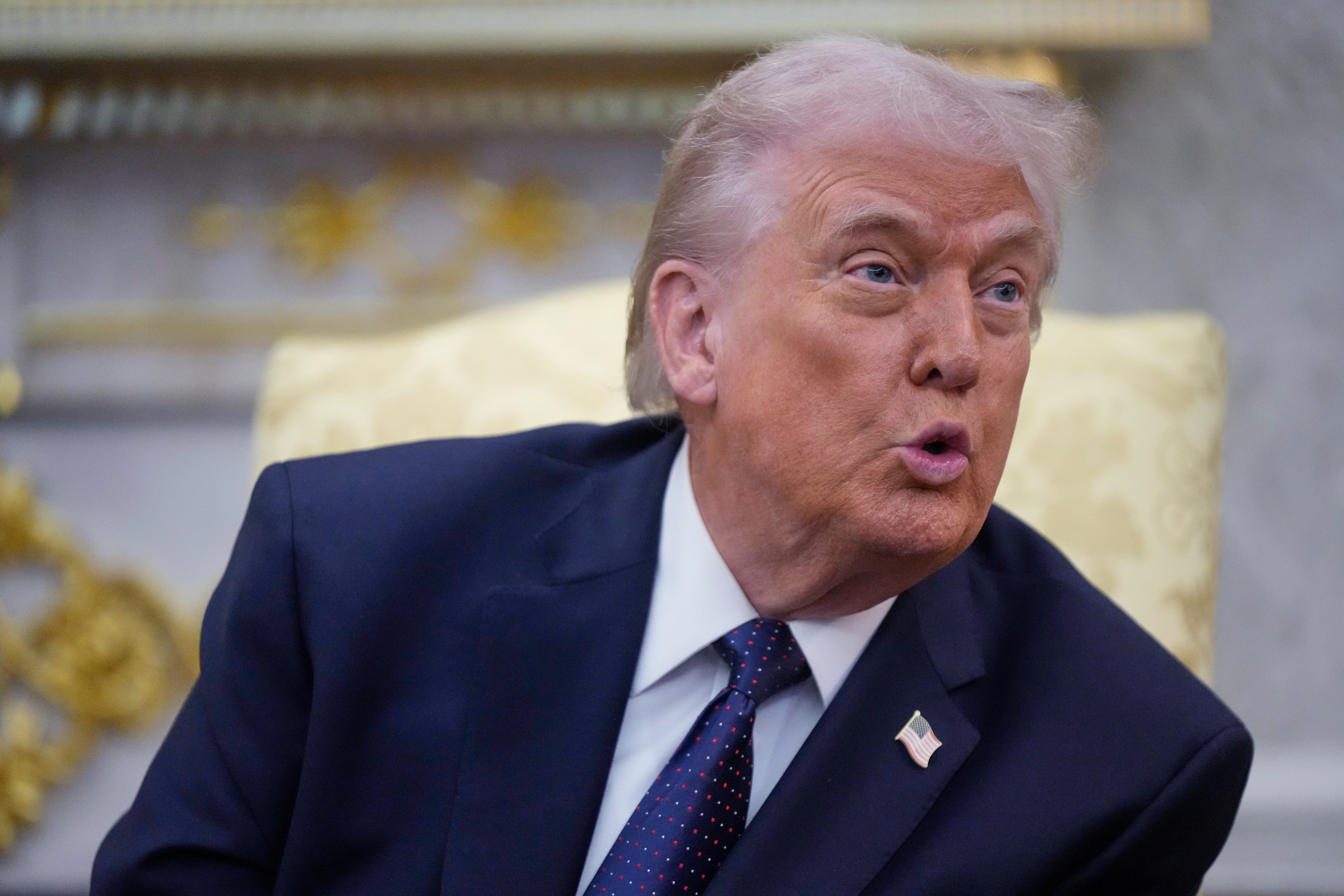
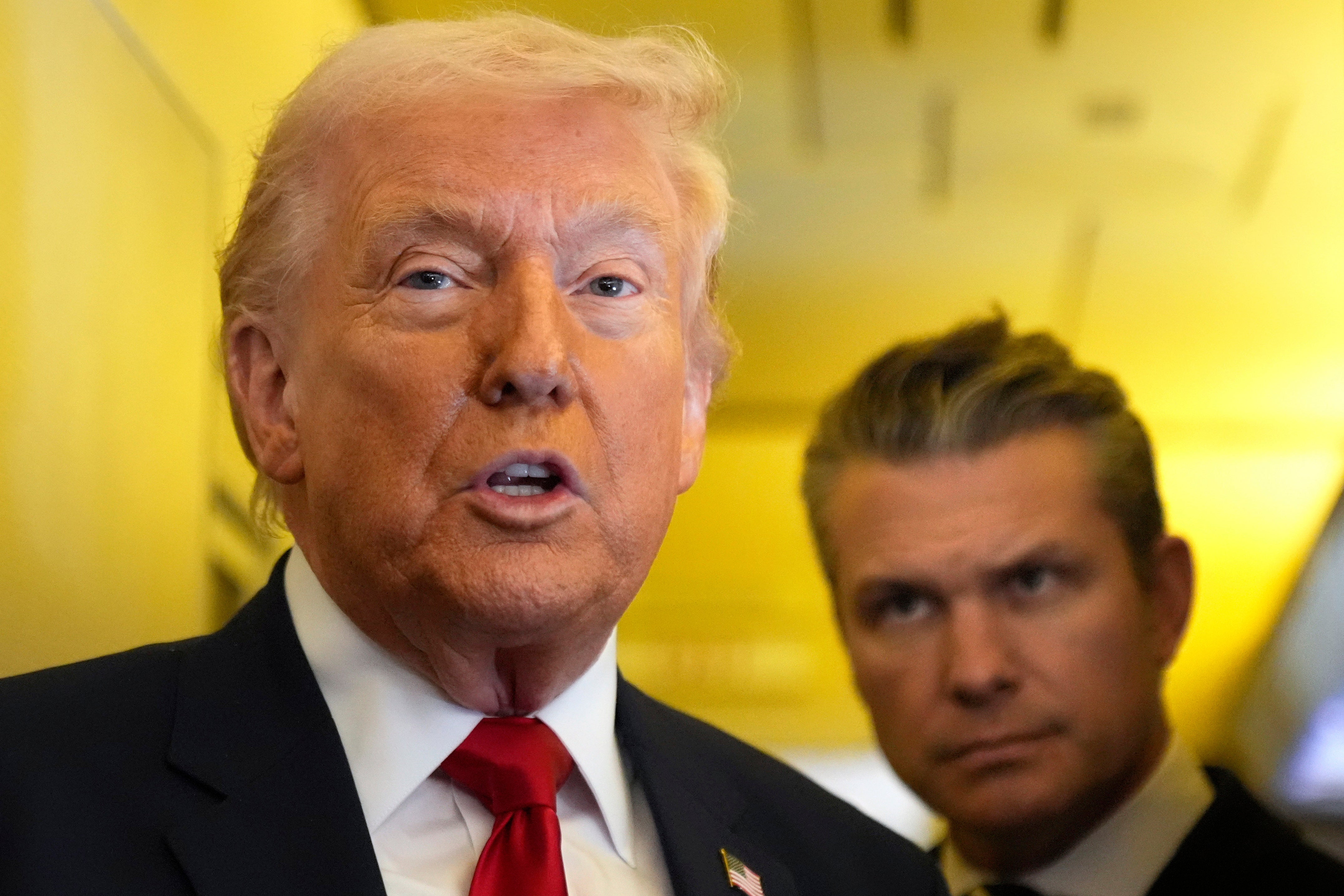
President Trump asserted that the recent spike in oil prices is merely a “minimal cost” for ensuring global “safety and peace” as military actions against Iran escalate.
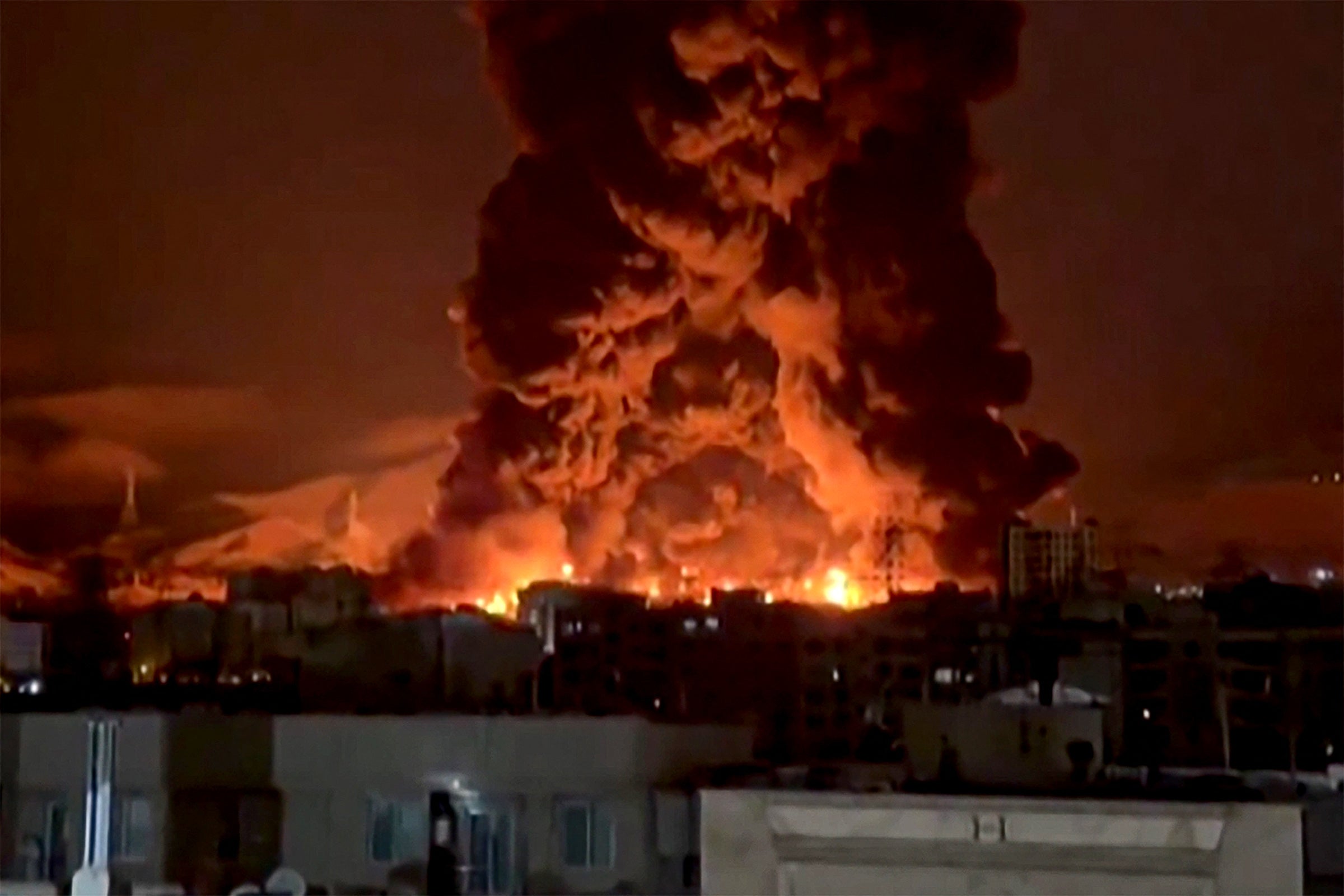
Since the U.S. and Israel initiated coordinated strikes on Iran over a week ago, oil prices have skyrocketed, marking the largest weekly increase since March 1983.
On Sunday, prices surged past the $100-a-barrel threshold for the first time in over three years, driven by disruptions in production and shipping caused by the ongoing conflict.
“Short-term oil prices, which will drop rapidly when the destruction of the Iran nuclear threat is over, is a very small price to pay for U.S.A., and World, Safety and Peace,” Trump posted on Truth Social.
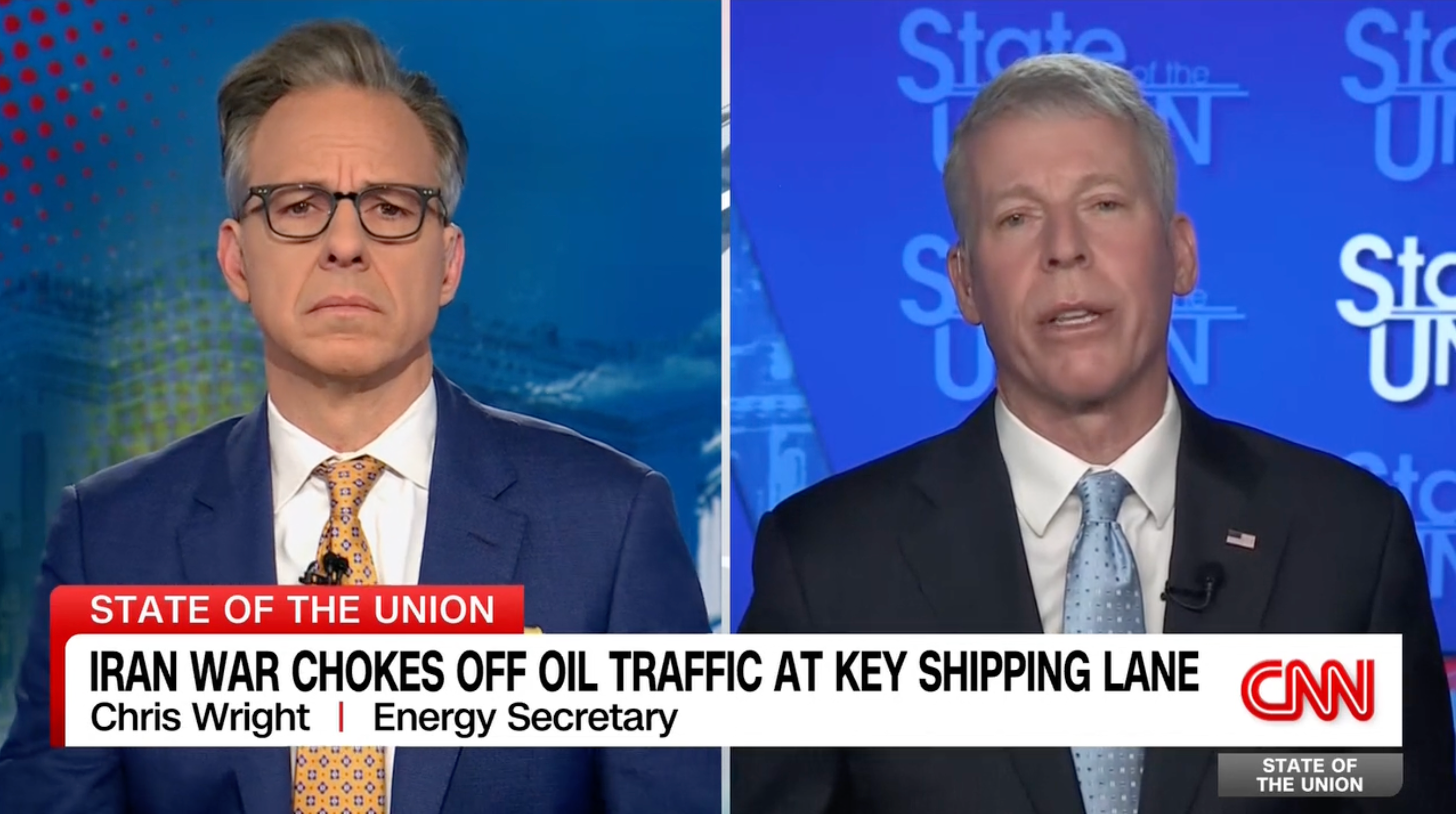
U.S. Energy Secretary Chris Wright acknowledged that consumers might experience elevated gas prices “for weeks.”
“Gasoline today is still $1.50 a gallon cheaper than it was in the middle of the Biden administration,” Wright stated during an interview. However, he recognized that current prices are burdensome for many Americans. “We want it back below $3 a gallon. And it will be again before too long,” he added.
“What do you mean by too long?” CNN anchor Jake Tapper pressed. “How much longer?”
“You never know exactly the time frame of this, but, in the worst case, this is a weeks, this is not a months thing,” Wright responded.
Wright, who previously led fracking company Liberty Energy, suggested that market fears may be overstated. “You’re seeing a little bit of fear premium in the marketplace, but the world is not short of oil today or natural gas,” he explained.
Trump has remained relatively unconcerned about rising gas prices since the conflict began. He acknowledged on Tuesday that prices would be higher “for a little while.” By Thursday, his tone shifted as he told Reuters: “If they rise, they rise.”
Behind closed doors, the Trump administration is reportedly exploring various strategies to alleviate energy costs, according to an unnamed industry executive. The executive noted that Wright and Interior Secretary Doug Burgum had faced intense pressure to deliver “good news.” The White House dismissed these claims as “unverified gossip.”
A recent Marist poll indicated that 56 percent of Americans oppose military intervention in Iran. Concurrently, many voters express significant concerns about affordability; over half describe essentials like healthcare and vacations as unaffordable, according to an Ipsos survey from late February.
On Sunday, Brent crude—the global benchmark—traded at $101.19 per barrel shortly after markets reopened on the Chicago Mercantile Exchange, reflecting a 9.2 percent increase from Friday.
West Texas Intermediate, produced in the U.S., hovered around $107.06 per barrel, climbing more than 16 percent since Friday. This follows a staggering 36 percent surge in U.S. crude prices last week.
Experts and foreign officials have cautioned that prices may continue to rise.
Patrick De Haan, head of petroleum analysis for GasBuddy, estimated an 80 percent likelihood that the national average gasoline price will hit $4 within the next month. Currently, the U.S. average stands at $3.45, according to AAA.
Goldman Sachs projected that oil prices could soar to $150 per barrel by month’s end. Qatar’s energy minister warned that the ongoing conflict could trigger a significant spike in oil prices and potentially destabilize global economies.
Geopolitical tensions have historically made gas prices susceptible to fluctuations due to impacts on oil supply chains, including shipping routes and refineries. The Iran war has exacerbated these vulnerabilities across the broader Middle East region.
Since hostilities began in late February, tanker traffic through the Strait of Hormuz—a vital passageway for approximately 20 percent of global oil supplies—has sharply declined, according to the Environmental Protection Agency.
Kuwait has also begun reducing production at several oil fields due to limited storage capacity for its crude oil, as reported by industry sources.
Additionally, seasonal trends may influence domestic gas prices; AAA noted that prices typically rise in spring as demand increases.