Trump Launches Military Offensive Against Iran, Claims Victory Over Khamenei
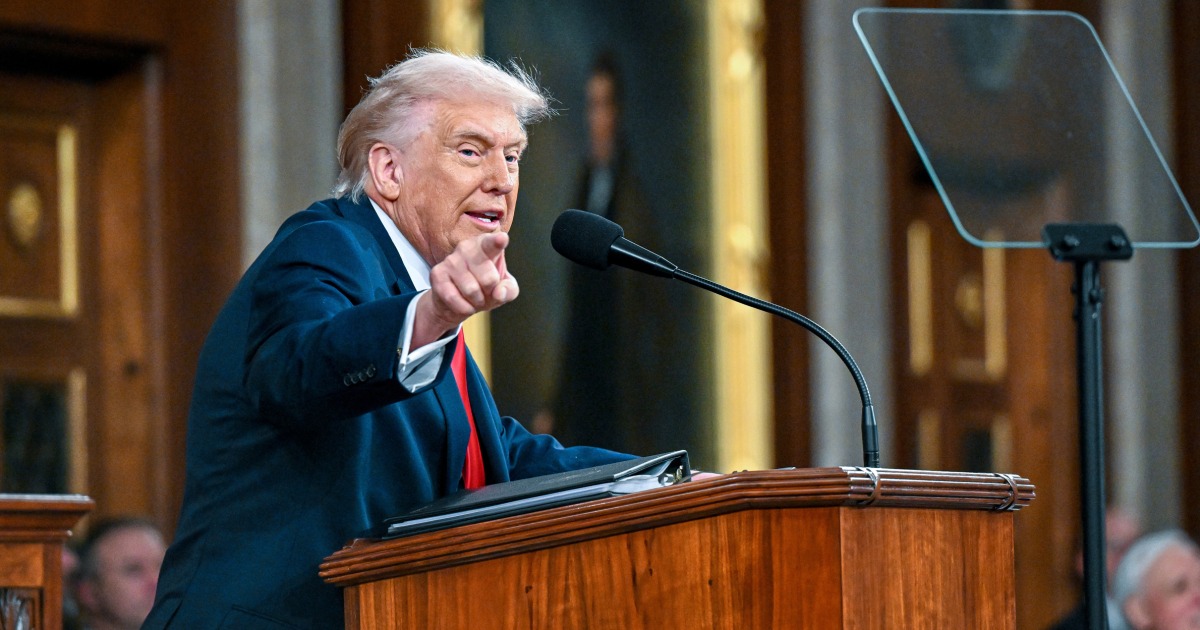
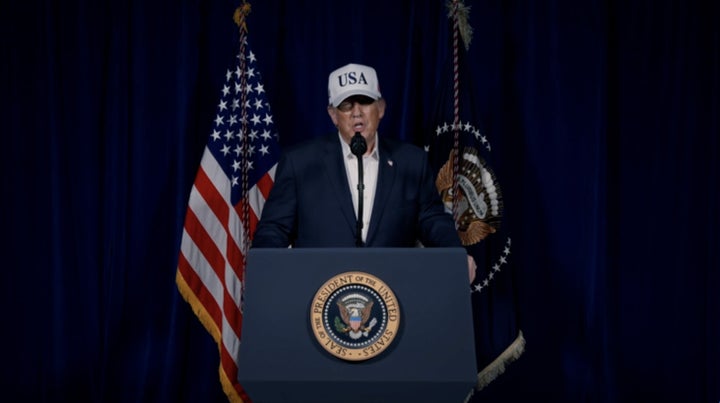
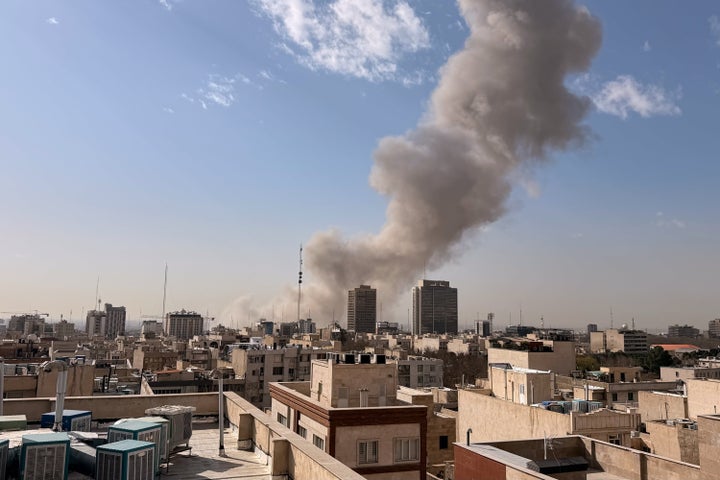
In the early hours of Saturday, President Donald Trump announced a military offensive against Iran, claiming the operation resulted in the death of Ayatollah Ali Khamenei, the nation's supreme leader. “This is not only Justice for the people of Iran, but for all Great Americans, and those people from many Countries throughout the World, that have been killed or mutilated by Khamenei,” he stated on Truth Social.
However, framing this military action as a noble cause is a challenging endeavor. The administration's latest escalation is likely to reinforce a growing perception that the U.S. is acting as a rogue state, undermining its credibility and risking innocent lives globally. The ramifications of this perception could be long-lasting and detrimental to America's standing in the world.
Questions abound regarding the future of this offensive: How long will it last? Is there a plan for regime change? Can de-escalation still be achieved? Amidst these uncertainties, one thing remains clear: America’s image abroad is deteriorating, particularly among its traditional allies.
Mark Kersten, a professor at the University of the Fraser Valley in Canada, remarked, “Even before today, the pattern was clear: this is a state that actively disregards international law and its protections for civilians.” He emphasized that such actions endanger civilians worldwide, including children and pregnant women, regardless of their geopolitical affiliations.
Kersten labeled the military action as “unequivocally illegal… a wanton and clear violation” of the United Nations charter. Unlike previous administrations that sought broader international support before military interventions, Trump initiated this offensive in collaboration with Israel without consulting the UN Security Council.
An unnamed U.S. official later claimed that the attack was preemptive, anticipating an Iranian missile strike on American forces. However, experts have expressed skepticism about this assertion, noting a lack of evidence supporting an imminent threat. This marks the second instance within a year where Washington has opted for military action over diplomacy with Tehran.
The administration has yet to present a coherent strategy to prevent escalating violence in Iran and the broader Middle East. Reports indicate that an airstrike during the U.S.-Israeli operation hit an Iranian primary school, resulting in over 100 casualties, primarily schoolgirls. Iranian retaliation has already targeted U.S.-aligned nations, causing injuries and damage to civilian infrastructure.
Regional officials and European counterparts are alarmed by these developments. Jennifer Gavito, a former State Department official, noted that confidence in Trump’s strategy is waning. “I look back to Libya and Iraq,” she said, reflecting on the chaos following U.S. interventions in those countries. “What reassurance could have been given in that moment?”
Gavito highlighted public condemnation from Oman’s foreign minister, who criticized the U.S. for using negotiations as a facade for military action. Reports suggest that U.S. and Israeli officials had been planning this campaign for months while Trump publicly advocated for a diplomatic resolution.
As skepticism grows regarding American strategy, Trump’s conflicting statements about resolving the conflict raise further doubts. He has suggested that he wants Iranian civilians to overthrow their government while simultaneously committing to continued bombings. A swift resolution regarding Iran’s nuclear capabilities seems increasingly unlikely as a more hardline leadership is expected to emerge following Khamenei's death.
“We have already made this existential for the Iranian regime….so they have no incentive,” Gavito stated. Despite being reluctant to make concessions, Iran had reportedly offered more stringent limits on its nuclear program than previously proposed before Trump abandoned the nuclear deal.
Engaging in an unpopular and unauthorized war without a clear endpoint will likely hinder any potential for increased international support for the Trump administration. The disdain stemming from U.S. policy towards Iran will only amplify existing wariness regarding American conduct in various global contexts.
Randa Slim from the Stimson Center remarked on how recent U.S. actions have led to perceptions of disregard for international law. “The U.S. is increasingly seen as a country that does not play by the book,” she said, referencing ongoing conflicts in Gaza and elsewhere.
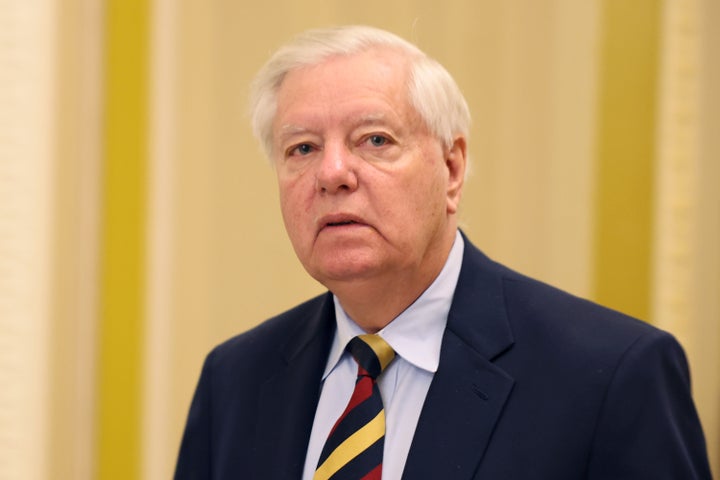
To Trump and his allies, global goodwill may seem inconsequential. Senator Lindsey Graham criticized European nations advocating for renewed diplomacy with Tehran, expressing disappointment over their perceived lack of commitment to justice.
Iran's retaliatory actions have also drawn criticism from national security analysts who argue that these moves undermine years of diplomatic efforts aimed at reducing tensions in the region.
Kersten noted that many around the world are now questioning how U.S. policy could spiral out of control and potentially harm them. He suggested that foreign observers are searching for “voices of reason” within the United States amidst growing discontent with current policies.
“If this dangerous path is to stop, it is only going to stop because of the actions of people within the United States,” Kersten concluded. “No international organization or coalition can intervene effectively.”