
Trump Reverses Course, Claims U.S. Can Defend Strait of Hormuz Alone
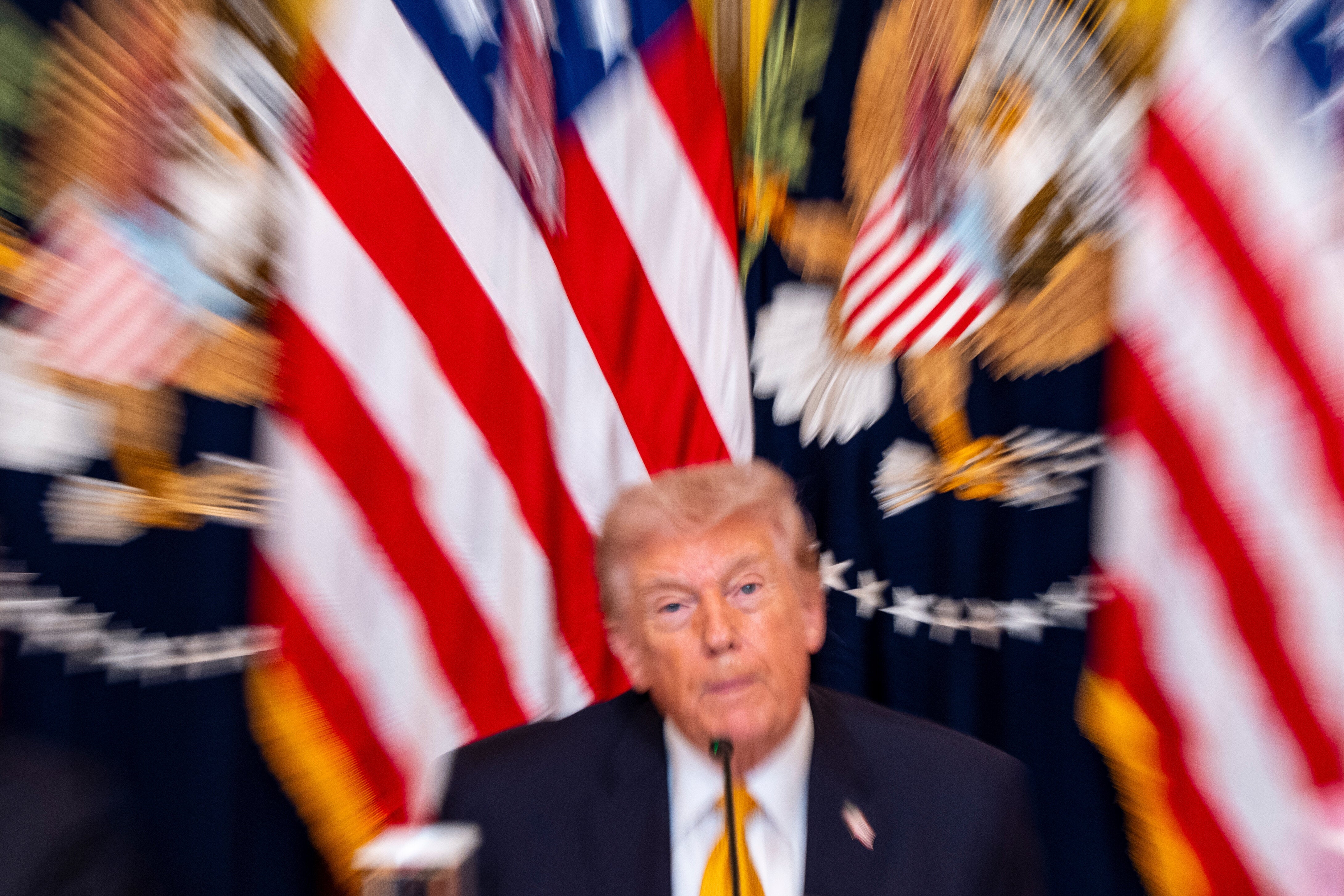
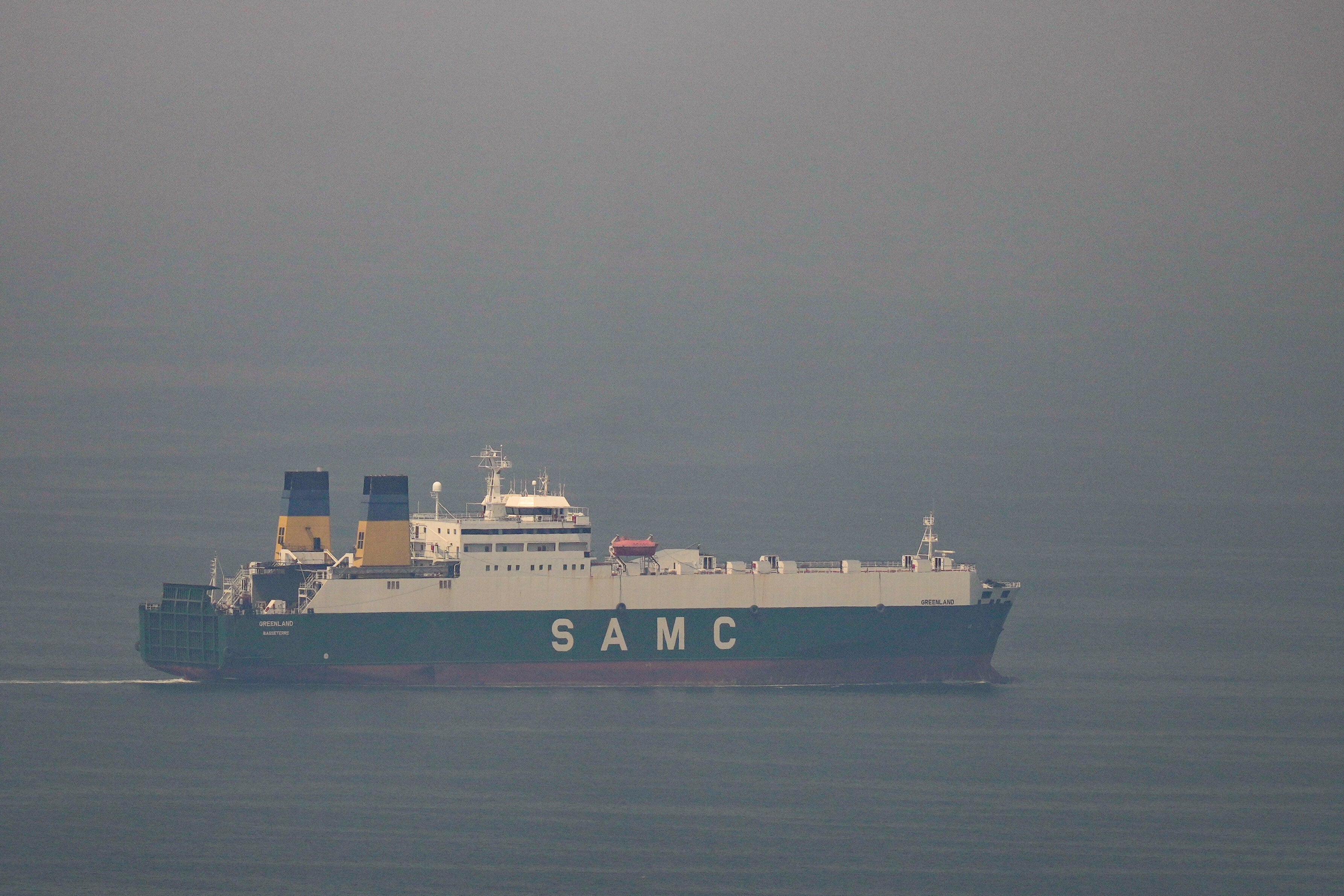
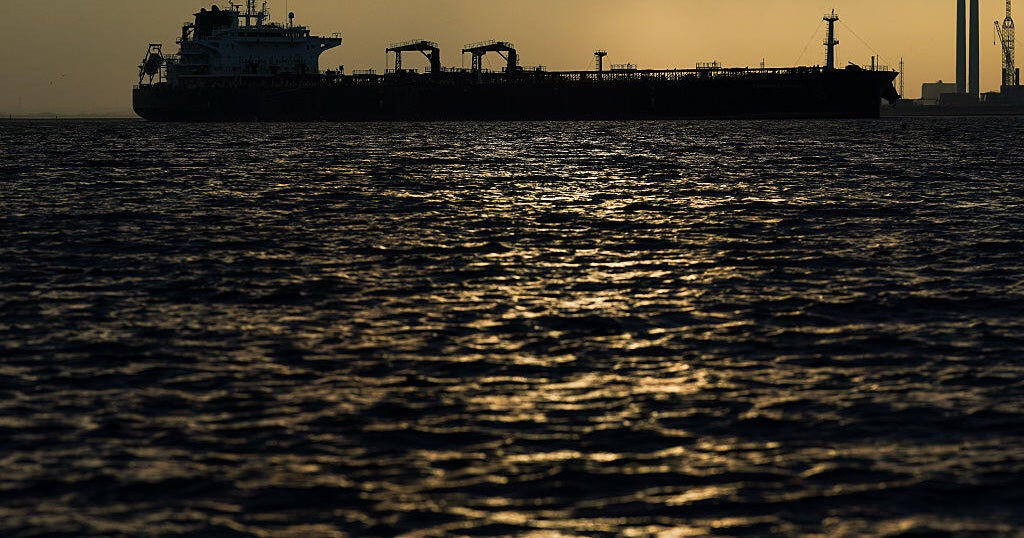
President Donald Trump announced on Tuesday that the United States no longer requires assistance from allies to secure the Strait of Hormuz, a significant change from his previous calls for international cooperation to protect oil tankers navigating the vital shipping route.
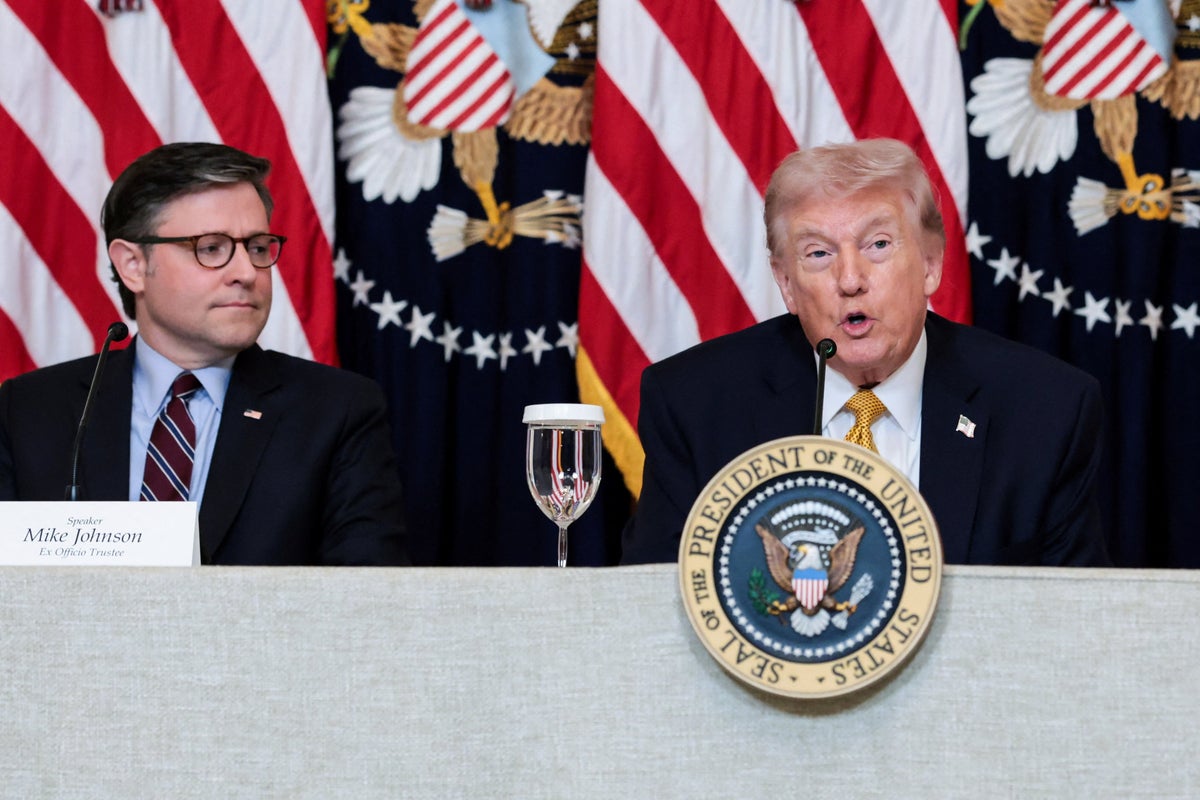
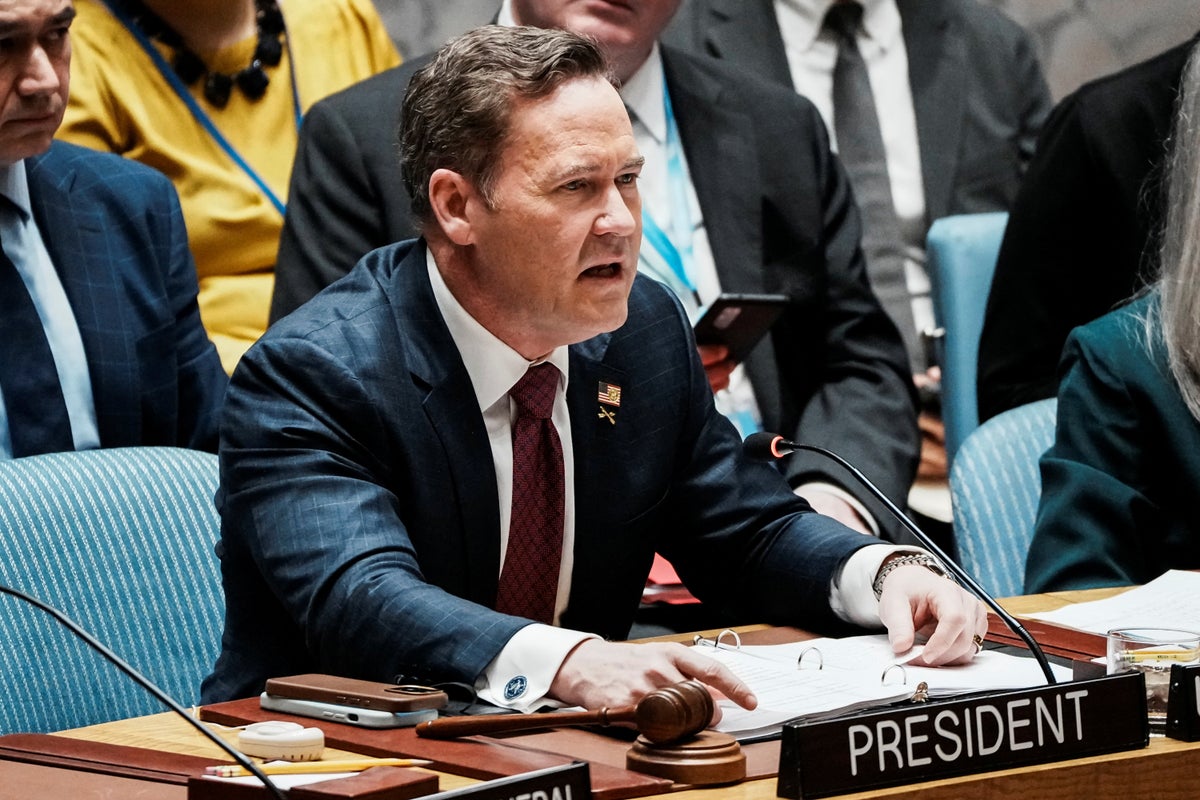
In a surprising turn, Trump declared during an Oval Office meeting with Ireland’s Prime Minister, Micheál Martin, “We don’t need any help, actually,” after initially urging nations to “get involved” in safeguarding the strait from Iranian threats.
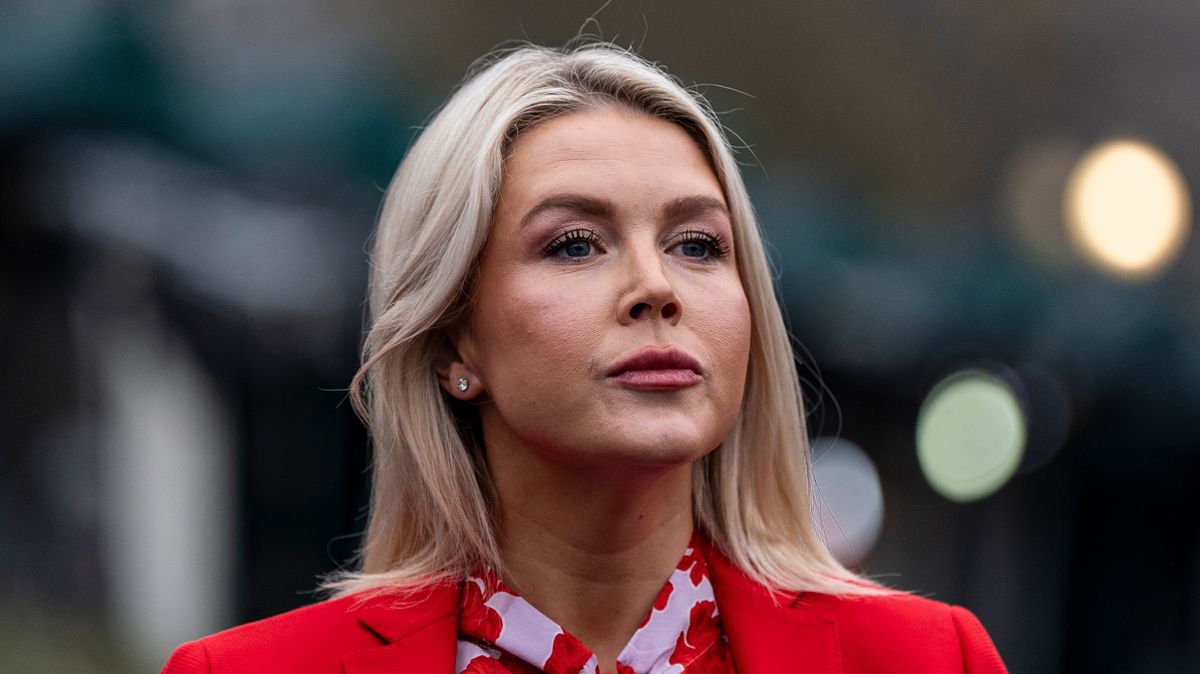
White House spokeswoman Anna Kelly emphasized Trump’s strong relationships with global leaders while highlighting his commitment to prioritizing American interests. “The President was resoundingly elected to put America First,” she stated, referencing Operation Epic Fury, which aims to bolster U.S. national security independently of NATO.
Despite Trump's efforts to rally support, he faced a lukewarm reception from allies. German Defense Minister Boris Pistorius remarked, “This is not our war; we have not started it,” while French President Emmanuel Macron expressed reluctance to engage in operations in the strait under current circumstances.
When asked about Macron's comments, Trump quipped that he “will be out of office very soon,” a remark that drew attention given Macron's term extends until 2027.
Senator Lindsey Graham, a close ally of Trump, conveyed his frustration over the situation on social media, stating he had never seen Trump so angry. He warned that insufficient support for the strait could have severe repercussions for both Europe and America.
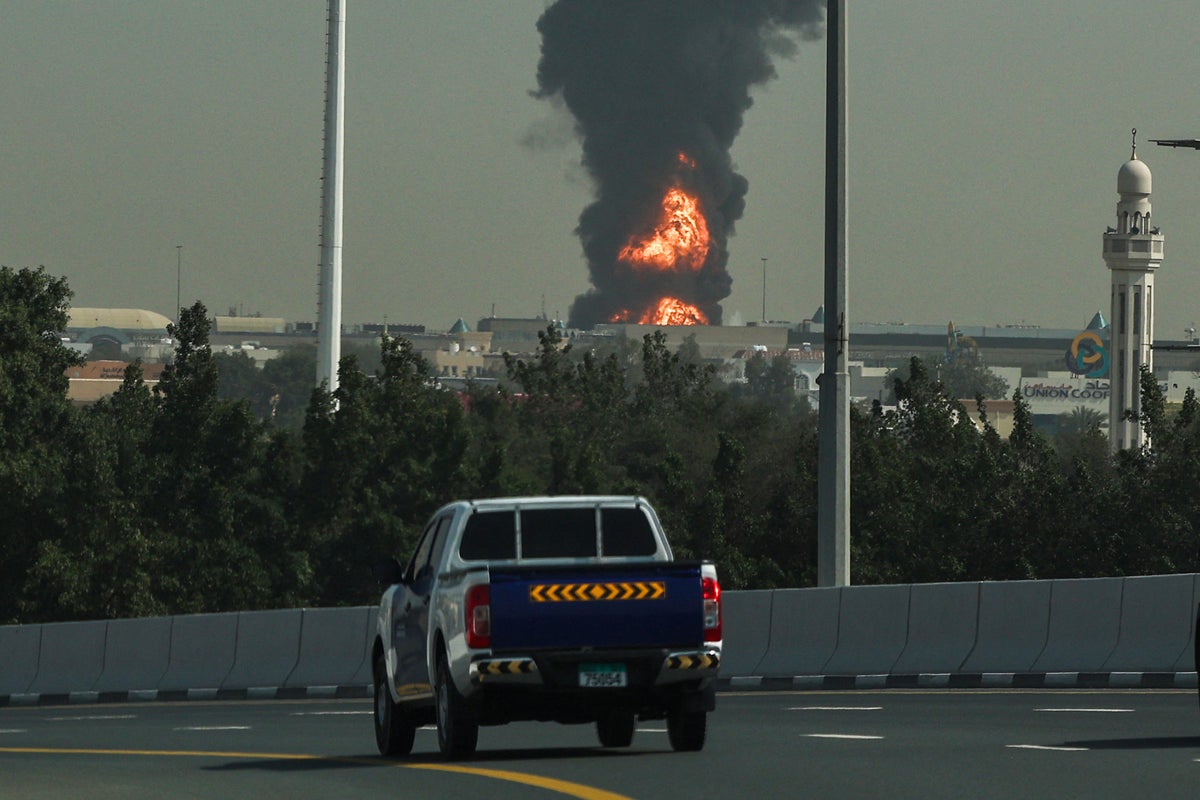
Trump had previously discussed forming a coalition to counter Iranian aggression against vessels in the strait, which has become a critical chokepoint for global oil supplies. The ongoing conflict has already led to rising gas prices, complicating Trump's political landscape ahead of the upcoming midterm elections.
On Monday, Trump claimed that “numerous countries have told me they are on their way” to assist, although no formal announcements or lists of supporting nations have emerged. He urged other nations to join the effort “quickly and with great enthusiasm.”
The conflict with Iran tests Trump's "America First" doctrine, which has often been skeptical of military alliances. His approach has raised concerns among NATO allies who have previously supported U.S.-led operations in Iraq and Afghanistan.
Peter Westmacott, a former British ambassador to the U.S., noted that Trump’s negotiating style does not resonate well with European partners. In contrast, President George H.W. Bush successfully built a broad coalition against Saddam Hussein prior to Operation Desert Storm in 1990-91.
Current diplomatic efforts appear disjointed, with U.S. diplomats instructed to communicate urgency regarding Iran's capabilities amid heightened risks of attacks on their own territories. A European diplomat expressed skepticism about assisting in a conflict initiated by the U.S., stating that even if European navies were deployed, they could not guarantee the reopening of the strait.
Trump's confrontational stance has strained relations with NATO allies, further complicated by his controversial interest in Greenland and his inconsistent approach toward Russia regarding the Ukraine conflict. Critics argue that his failure to impose stricter sanctions on Russia undermines efforts for peace.
As tensions escalate, Trump’s comments about Ukrainian President Volodymyr Zelenskyy have drawn ire from both domestic and international officials. A former senior military officer expressed disbelief at Trump's criticism of Zelenskyy, while others emphasized the need for a more assertive stance against Russia.
Marko Mihkelson, chair of the Estonian Parliament’s Foreign Affairs Committee, urged Trump to adopt a more effective strategy against Russia, asserting that neutrality is not an option in this conflict. Westmacott echoed this sentiment, expressing disappointment in Trump's handling of the Ukraine situation and his tendency to accept misleading narratives from Putin.
The future of Trump's position on military support remains uncertain as he acknowledged not having made a comprehensive push for additional help. Nonetheless, Mihkelson stressed the importance of unity among America and its European allies in navigating today’s turbulent geopolitical landscape.