


Trump Ridicules Royal Navy’s Aging Fleet, But the Truth Tells a Different Story
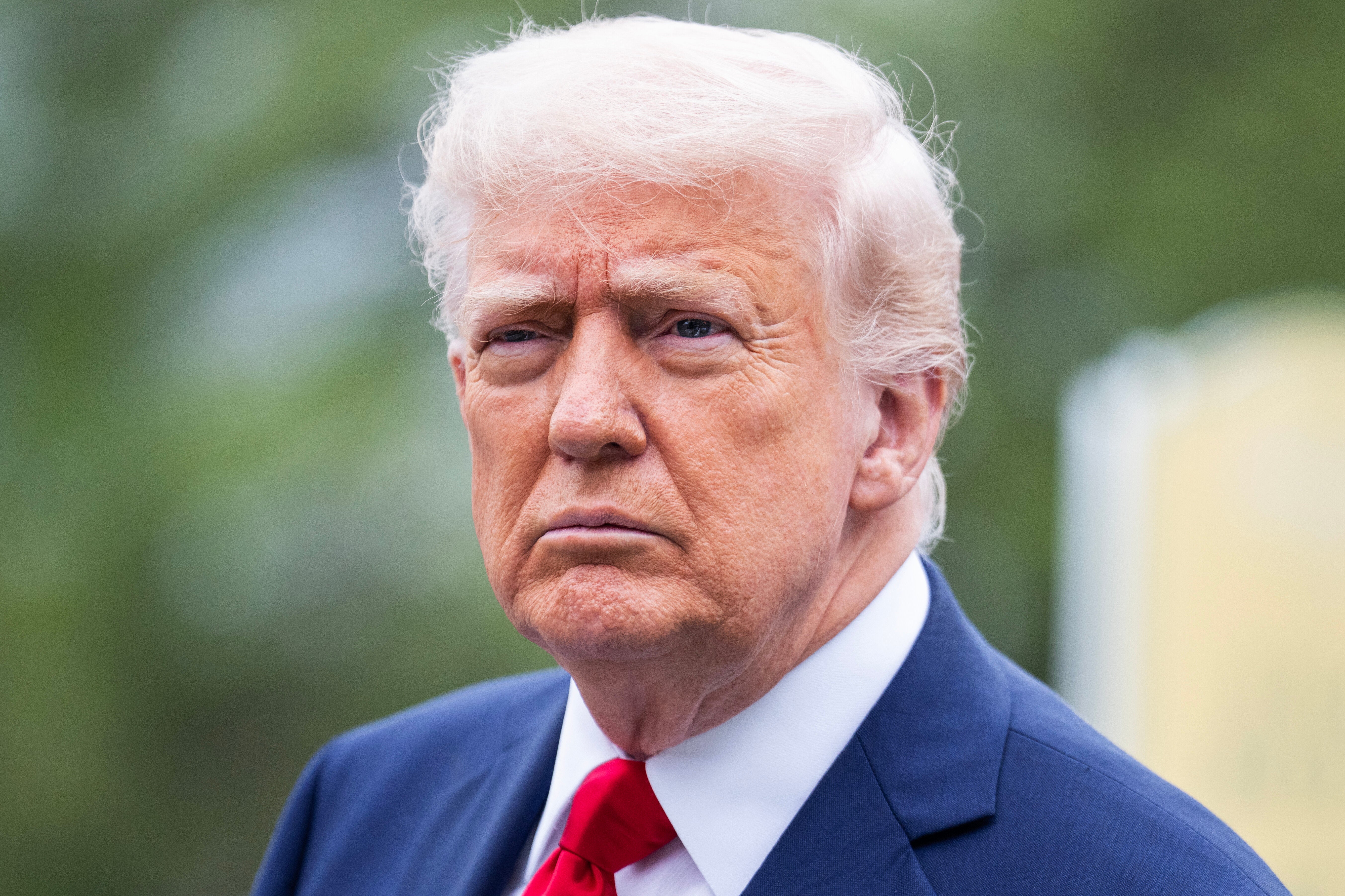
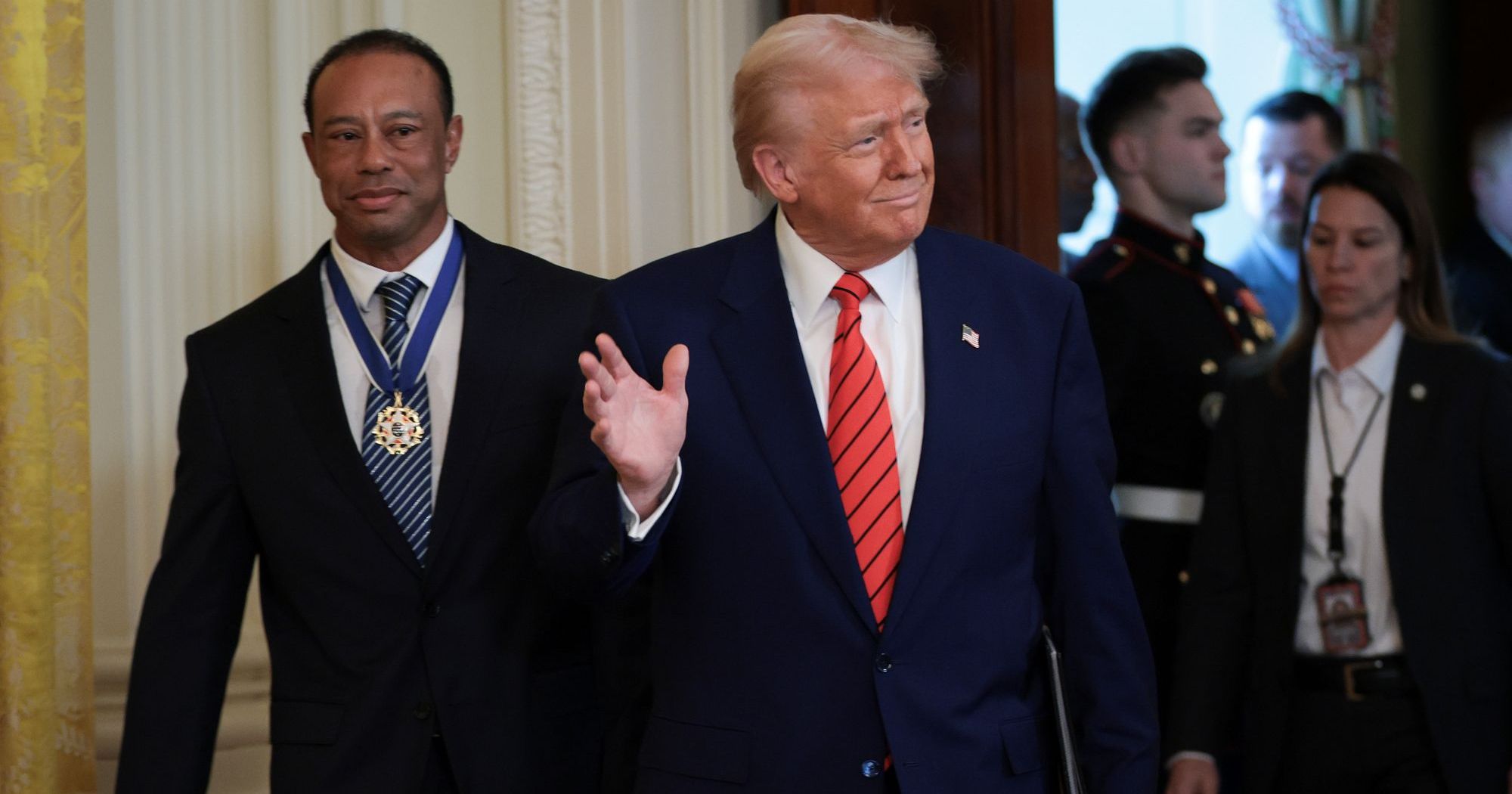
US President Donald Trump, alongside Defense Secretary Pete Hegseth, has unleashed pointed criticisms of the United Kingdom's naval strength, remarks that echo through a nation steeped in maritime history.
While their comments sting, they are not entirely unfounded.
The tension between Washington and London escalated after the onset of the Iran conflict on February 28, when Prime Minister Keir Starmer initially restricted US military access to British bases.
This decision was later partially reversed, permitting the US to use facilities like Diego Garcia in the Indian Ocean for "defensive purposes," yet Trump remains vocal about feeling betrayed.
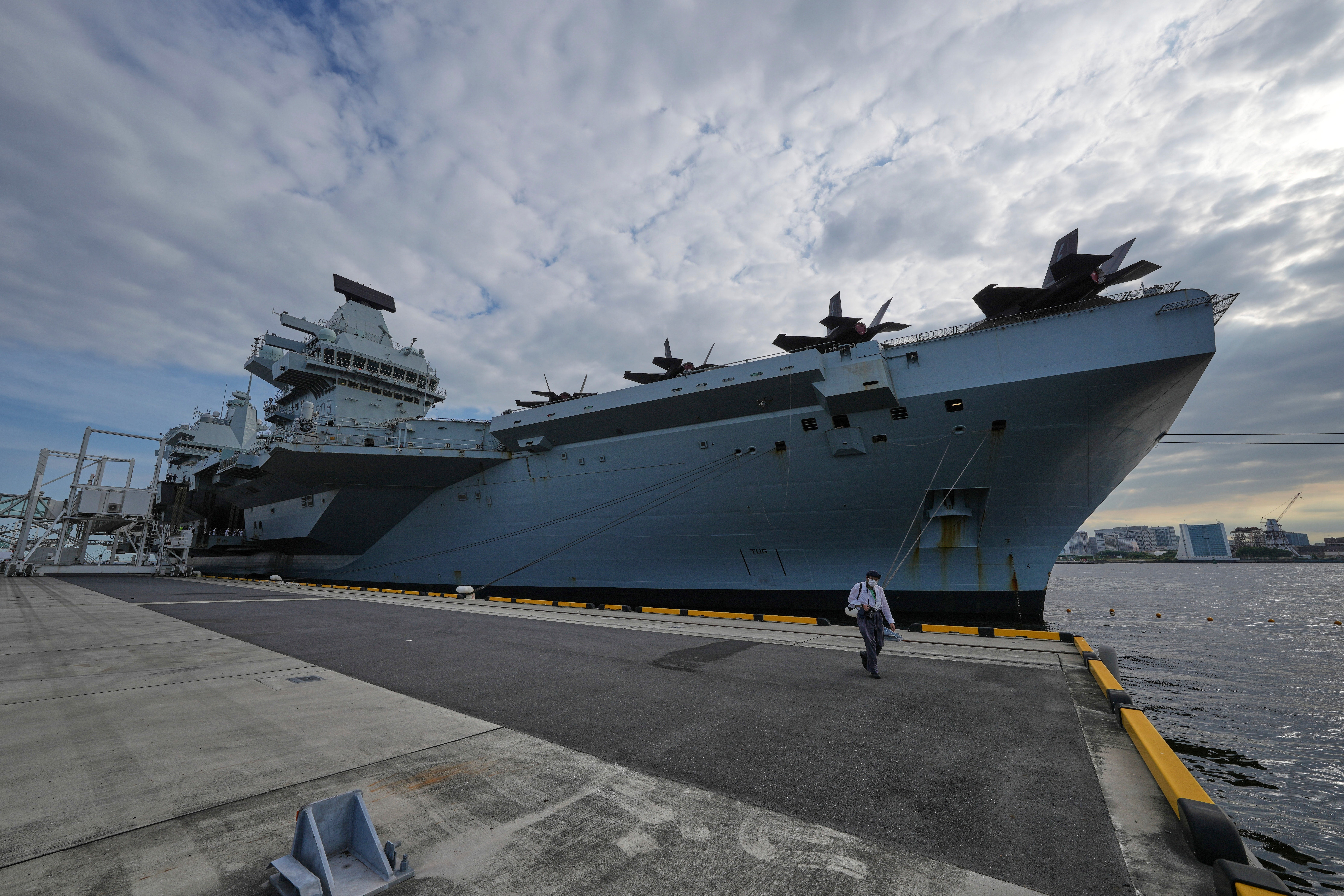
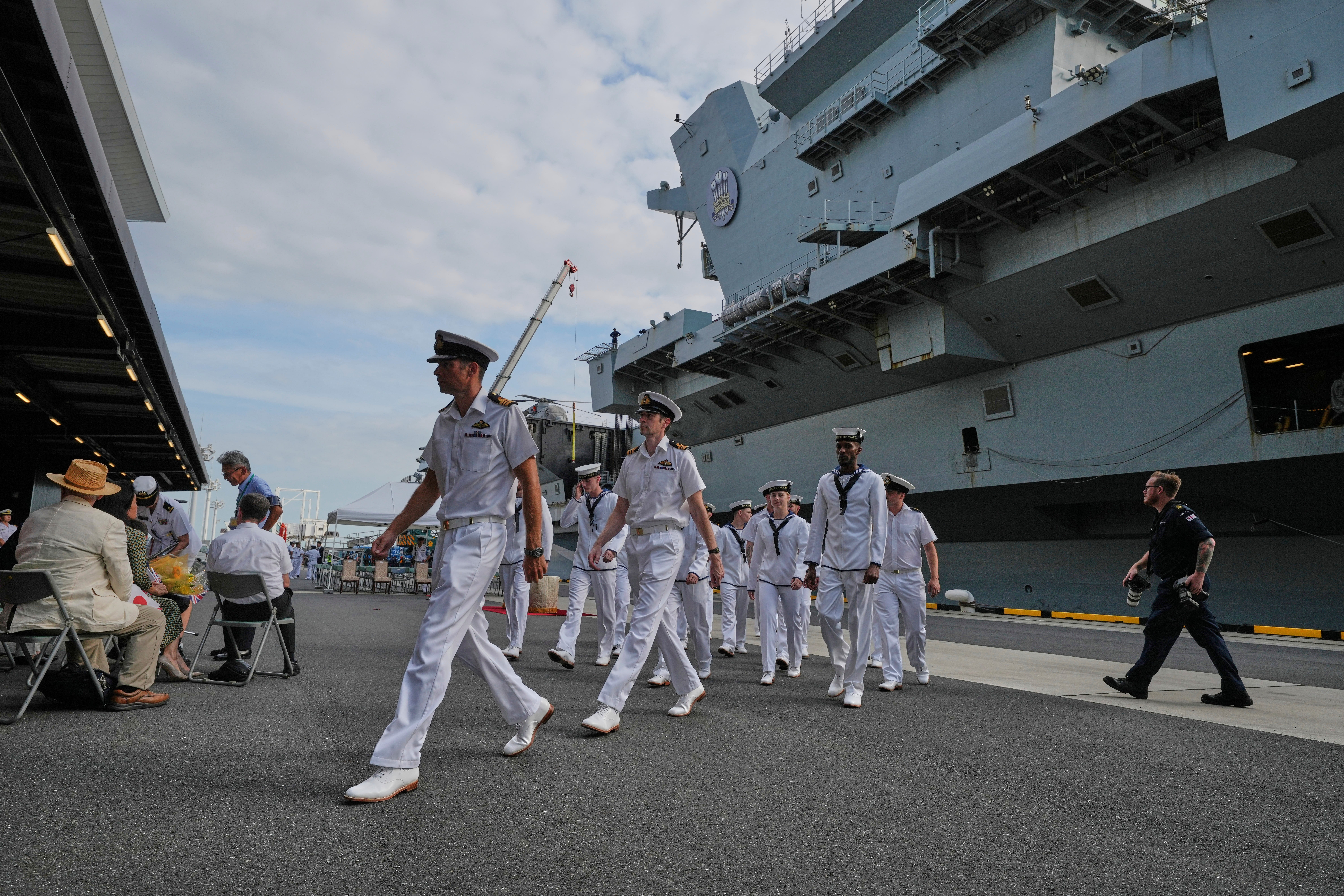
He has consistently derided Starmer and labeled the Royal Navy’s two aircraft carriers as mere "toys." In remarks reported by a major publication, Trump stated: "You don’t even have a navy. You’re too old and had aircraft carriers that didn’t work."
Hegseth added a sarcastic jab, suggesting that the "big, bad Royal Navy" should take charge of securing commercial shipping lanes in the Strait of Hormuz.
Despite the Royal Navy's diminished global stature, it is far from the "feeble" force implied by Trump and Hegseth. Its capabilities are comparable to those of the French navy, often used as a benchmark.
“There’s a grain of truth in their critique; the Royal Navy is indeed smaller than it has been for centuries,” noted Kevin Rowlands, editor of a prominent defense journal. “However, it’s also entering its first growth phase since World War II, with more ships on the horizon than in decades.”
Not long ago, Britain could deploy a task force of 127 ships, including two aircraft carriers, to the South Atlantic following Argentina’s invasion of the Falkland Islands. That 1982 operation, which then-President Ronald Reagan viewed with indifference, marked a peak in Britain's naval prowess.
Today, such an operation seems unthinkable. Since World War II, Britain's combat-ready fleet has significantly shrunk, a decline tied to evolving military needs and the end of empire.
According to an analysis of Ministry of Defense data, the number of combat vessels in the Royal Navy has plummeted from 466 in 1975 to just 66 projected for 2025.
Although the Royal Navy currently operates two aircraft carriers, there was a seven-year gap in the 2010s when it had none. The destroyer fleet has halved to six, while frigates have dwindled from 60 to merely 11.
The Royal Navy faced backlash for delays in deploying HMS Dragon to the Middle East after hostilities with Iran erupted. The effort to prepare it for a different mission underscored how much Britain’s military has been reduced since the Berlin Wall fell in 1989.
During much of the Cold War, Britain allocated between 4% and 8% of its national income to defense. This figure steadily declined post-Cold War, hitting a low of 1.9% of GDP in 2018—fueling Trump's criticisms.
Like many nations, Britain sought to capitalize on the so-called “peace dividend” after the Soviet Union's collapse, redirecting defense funds to health and education under Labour governments.
Austerity measures imposed by the Conservative government following the 2008 financial crisis further stifled defense spending despite clear threats from a resurgent Russia after its annexation of Crimea and parts of Ukraine.
In light of Russia's full-scale invasion of Ukraine in 2022 and ongoing conflicts in the Middle East, there is a growing consensus across political lines that defense cuts have gone too far.
Following the Ukraine invasion, Conservative leaders began reversing military spending trends. Since Labour regained power in 2024, Sir Keir Starmer aims to boost defense spending at the expense of traditional aid budgets.
The Prime Minister has committed to increasing UK defense spending to 2.5% of GDP by 2027, with aspirations to reach 3.5% by 2035 as part of a NATO agreement championed by Trump.
This translates into tens of billions more for military resources.
The government faces pressure to expedite this timeline. However, with public finances strained by the economic fallout from the Iran conflict, sourcing additional funds remains uncertain.
Despite unfair critiques, Rowlands believes jabs will persist. “We are dealing with an administration that doesn’t do nuance,” he remarked.