

Trump's $1.7 Billion Mystery Fund: Cash for Capitol Rioters?
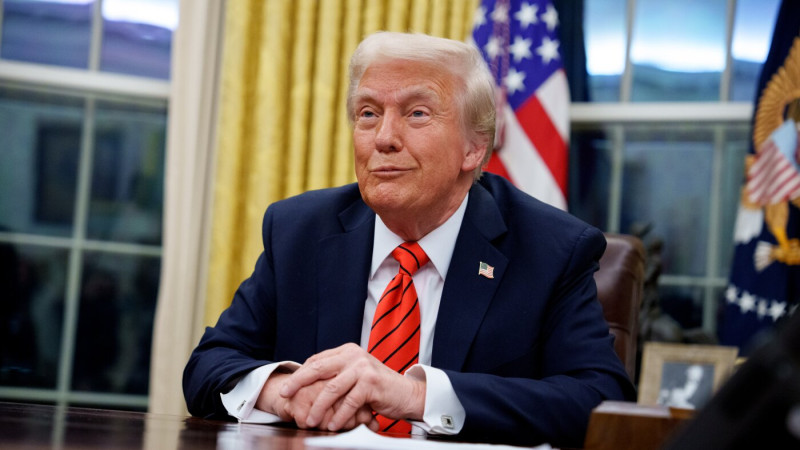
“I know very little about it,” Donald Trump shrugged off reporters' questions on Monday regarding the $1.7 billion “anti-weaponization fund” that the Justice Department is setting up. This fund, a curious twist in the political saga, emerged as part of a deal where Trump dropped a $10 billion lawsuit against his own government.
“It’s been very well received,” he added, seemingly unfazed by the implications that this cash could flow to those convicted of storming the U.S. Capitol on January 6, 2021. The audacity of it all—funding insurrectionists with taxpayer dollars—has sparked outrage.
Critics are calling it a “slush fund.” Rep. Jamie Raskin (D-Md.) took to social media, blasting the arrangement: “President Trump dropped a $10 billion lawsuit against his own government in exchange for a $1.776 billion slush fund to steer our tax dollars to election deniers and insurrectionists.” The backlash is palpable.
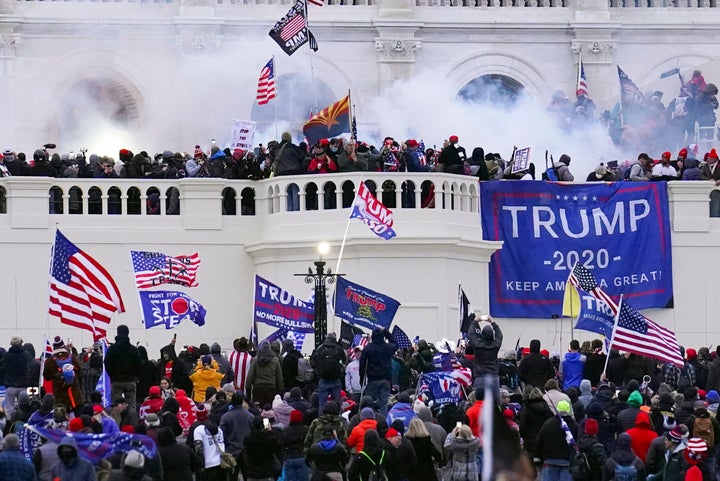
When pressed about whether those who violently clashed with police should receive payouts, Trump deflected, stating it would be up to a yet-to-be-named committee. “It’ll all be dependent on a committee,” he said, hinting at a group of “very talented people, very highly respected.” A committee of five, he claimed, would make the call.
Meanwhile, Jeanine Pirro, U.S. attorney for the District of Columbia, also expressed her confusion over the fund. When asked about it, she turned to a colleague and whispered, “What weaponization?” Her nonchalance was striking, especially considering her office prosecuted over 1,500 individuals involved in the Capitol riot.
“I don’t know anything about this,” Pirro stated bluntly when questioned if taxpayer money should go to rioters. “You always ask these out-of-my-lane questions.” The irony drips as she distances herself from a fund that could potentially reward those who attacked the very democracy she swore to protect.
As the details unfold, one thing is clear: the intersection of politics and accountability is murkier than ever. With Trump’s administration fumbling answers and critics rallying against what they see as a betrayal of justice, the $1.7 billion question remains—who will really benefit from this controversial fund?