

Trump's Candid Admission Reveals His Affection for Kindness
During a recent Easter luncheon, President Donald Trump candidly shared his thoughts on kindness, revealing a personal insight that many might find relatable. In a now-removed video clip, he expressed that being “nice” to him is a surefire way to win his affection.
While discussing the Iran war, Trump diverted his attention mid-sentence to compliment someone off-camera, presumably a media figure. “We have a regime change. They said, ‘What do you mean you have regime change?...’” he began, only to pause and exclaim, “My friend, great show ... I love this guy.”
“He’s so nice to me,” Trump elaborated. “Every time I watch ... you know, we’re not supposed to be seduced that way, right, but I am. When someone’s nice to me, I love that person. Even if they’re bad people. I couldn’t care less. I’ll fight to the end for them.”
This admission opens a window into the psychology of human interactions. Dr. Michael S. Valdez, medical director at Detox California, explains that kindness triggers a positive response in our brains: “When someone is kind or flattering, our brain tags that interaction as safe and positive.”
Megan McElheran, a clinical psychologist and CEO of Before Operational Stress, adds that people are naturally inclined to seek approval and affirmation, which activates reward pathways in the brain. “We all want to be liked,” she notes, emphasizing the potential pitfalls of this feedback loop.
Valdez warns that such dynamics can cloud judgment: “This can override more objective judgment,” especially for those who prioritize relationships or approval. The principle of “reciprocity” further explains why Trump might feel compelled to defend those who flatter him.
McElheran points out that loyalty often stems from interpreting kindness as an indication of support: “Some people turn this into a simple lens of ‘this person is on my side’ and ‘this person is not.’” Such perceptions can significantly influence how individuals engage in relationships.
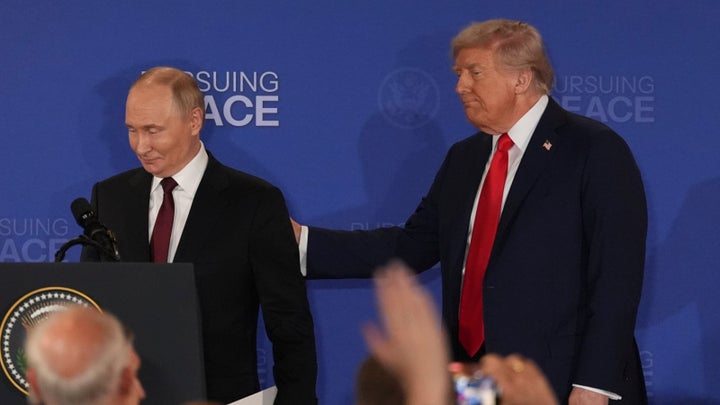
Trump’s affinity for those who treat him well is not unique; it’s a common human trait. Valdez remarks, “This type of reaction is more common than people think,” noting it can lead to favoritism and overlooking red flags.
McElheran finds Trump's candidness particularly revealing: “It says the quiet part out loud.” She observes that while many experience similar feelings, they often express them in subtler ways. “Most of us have been guilty of gravitating toward people who make [us] feel good,” she concludes.
Ultimately, this phenomenon is not unusual; it merely highlights a more overt version of a behavior that many encounter throughout their lives.