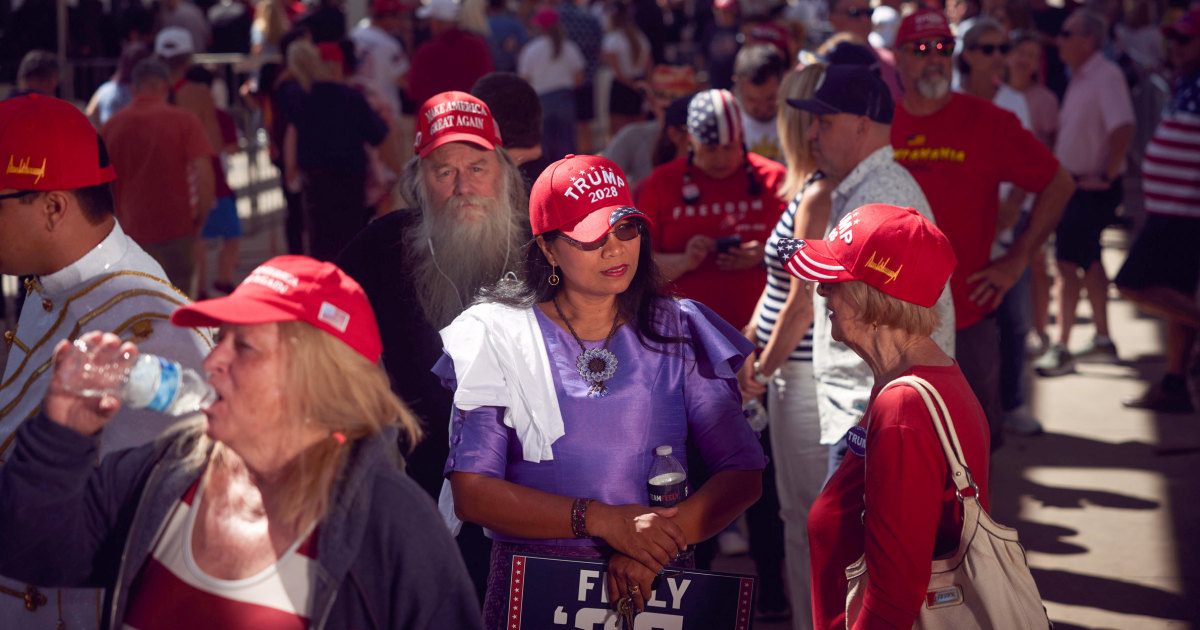



Trump's grip on Michigan is slipping as voters who once rallied behind him in 2024 are now backing Democrat Abdul El-Sayed for U.S. Senate, a seismic shift that could alter the political landscape in a race too close for comfort.
Dearborn, a city with a majority Arab American population, previously swung for Trump due to outrage over U.S. support for Israel's actions in Gaza. Now, residents claim El-Sayed embodies the "America First" ethos they once associated with the former president.
El-Sayed, a physician and former Wayne County public health director, is challenging Republican Mike Rogers for the seat vacated by Democratic Senator Gary Peters. If victorious, he would become the first Muslim senator in U.S. history.
Michigan hasn't sent a Republican to the Senate since 1994. Rogers nearly broke that streak in 2024, losing to Democrat Elissa Slotkin by a razor-thin margin while Trump carried the state.
Polling data shows El-Sayed leading in recent surveys, though margins remain tight. The Glengariff Group's poll of 600 likely voters from October 19-22 indicates El-Sayed at 51 percent compared to Rogers' 45 percent, with four percent undecided.
Independents are shifting as well; Glengariff reports El-Sayed winning them 45.5 percent to 40 percent for Rogers. Pollster Richard Czuba noted that the lead among independents often reflects the overall election outcome.
In a surprising twist, El-Sayed even shows strength in traditionally Republican areas like the Upper Peninsula and northern Michigan.
Other polls present a tighter race. Marist University found El-Sayed at 50 percent and Rogers at 48 percent among 1,185 likely voters surveyed from October 15-18. InsiderAdvantage's poll of 1,200 likely voters from October 21-22 showed El-Sayed ahead by just one point, 47 percent to 46 percent.
A Michigan State University survey conducted with YouGov from October 2-19 also indicated El-Sayed leading at 48 percent to Rogers' 46 percent among 836 likely voters.
In Dearborn, Trump garnered about 42 percent of the vote in 2024, defeating then-Vice President Kamala Harris in a city Democrats considered secure. Green Party candidate Jill Stein attracted roughly 18 percent of the vote, largely as a protest against Gaza policies.
Nationally, Arab American sentiment has shifted. A Washington Post-Schar School poll shows 58 percent favoring Democrats for Congress, contrasting with an even split between Trump and Harris previously. Two-thirds of Arab Americans who voted for Trump still approve of his overall performance, yet 54 percent disapprove of his stance on Gaza.
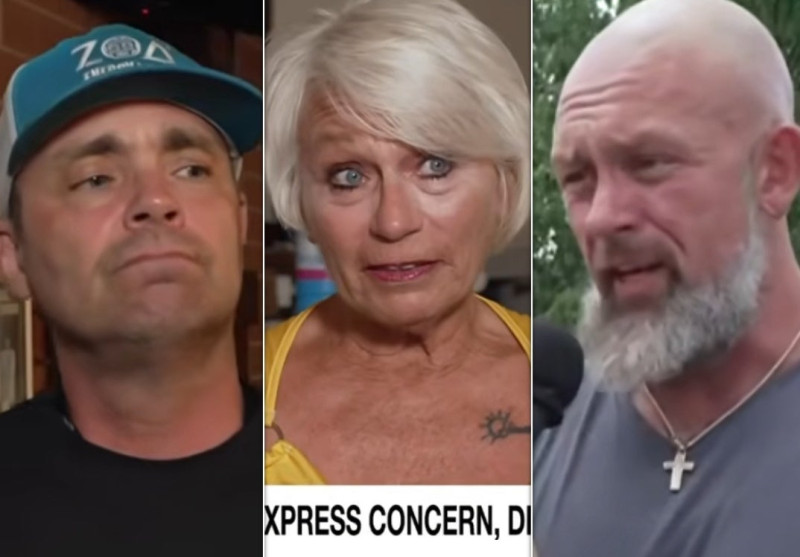
Three Dearborn residents who supported Trump in 2024 now endorse El-Sayed, citing dissatisfaction with Trump's failure to end conflicts and manage prices. Mustapha El-Jaroudi, a two-time Trump voter, criticized Rogers for prioritizing Israel over American interests. None regret their Trump vote but believe El-Sayed now aligns more closely with their values.
Campaign finance records reveal a stark contrast in donor support. Contributors from Dearborn and Dearborn Heights provided El-Sayed with approximately $131,000 from mid-July through September, while Rogers received about $9,100 from just 11 donors in those areas.
The financial backing continued post-primary, with Dearborn-area donors contributing around $45,700 in July before El-Sayed's primary victory and another $45,000 in September as the general election campaign ramped up. Donors included physicians, pharmacists, attorneys, small business owners, and a city councilman.
El-Sayed actively seeks these voters. One of his ads aired exclusively on Fox News and Newsmax, featuring conservative hosts praising him. On the campaign trail, he blames Trump's conflict with Iran for rising gas prices, which averaged $4.59 per gallon this month compared to $2.88 last year.
Health and Human Services Secretary Robert F. Kennedy Jr. escalated attacks on El-Sayed's faith during a campaign event for Rogers and Republican gubernatorial nominee John James. He claimed discussing the Muslim Brotherhood isn't Islamophobia and made derogatory remarks about Arabs' contributions to science.
Kennedy's comments ignored notable achievements by Arab individuals like Egyptian chemist Ahmed Zewail and novelist Naguib Mahfouz. Michigan boasts the highest percentage of residents reporting Arab ancestry at about 2.2 percent according to Census Bureau data.
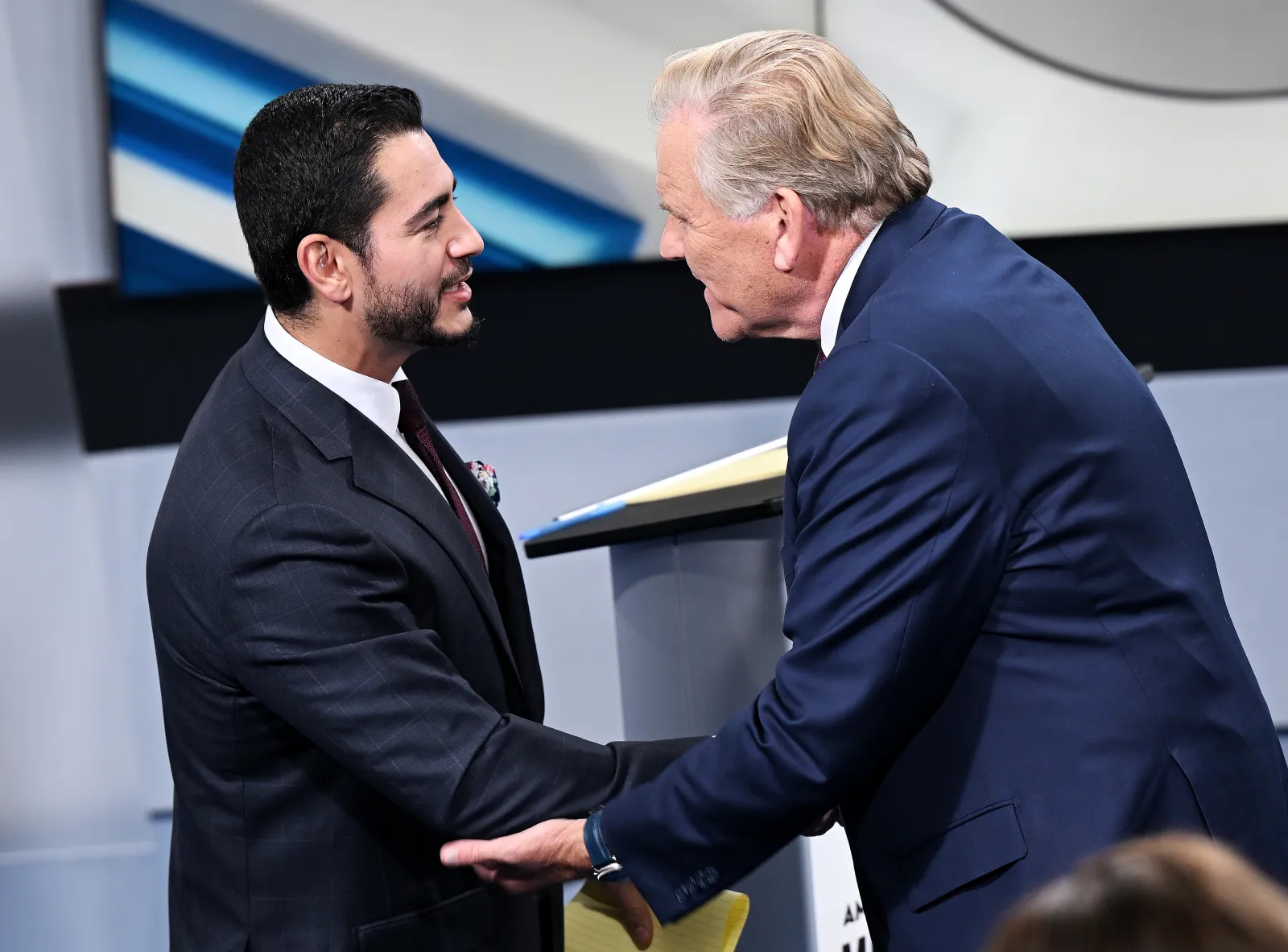
Rogers has repeatedly linked El-Sayed to the Muslim Brotherhood without evidence and pressed him during their final debate on October 21 about his allegiance to America versus foreign terrorist groups.
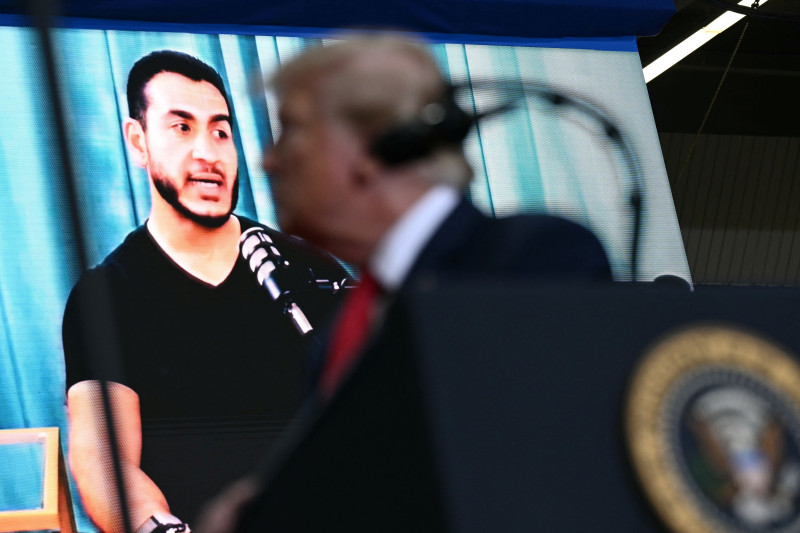
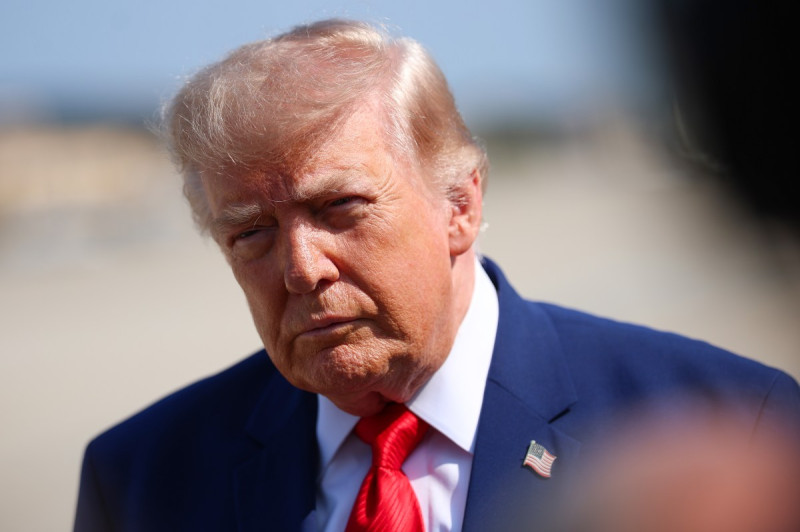
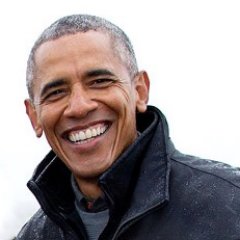
Trump himself mocked El-Sayed's middle name and suggested he doesn't want "a jihadist senator." El-Sayed condemned Rogers' question as "shameful," while Democrats and Muslim advocates labeled the attacks as Islamophobic attempts to undermine his American identity. Former President Barack Obama echoed this sentiment at a Detroit rally on October 24.
El-Sayed retaliated by branding Rogers a Trump "sock puppet," encouraging debate viewers to play "MAGA bingo" with his responses while targeting pro-Israel lobbying efforts. He criticized AIPAC-backed politicians during the debate.

AIPAC's super PAC is reportedly funneling up to $9 million into a pro-Rogers super PAC after the pre-election disclosure deadline. When asked about this support, Rogers welcomed it.
El-Sayed faced backlash for his own comments following an attack on a Detroit-area synagogue by an individual affected by Israeli strikes on Lebanon. He stated that "hurt people hurt people" but later apologized for any offense caused.
El-Sayed challenged Trump to visit Michigan, suggesting it would remind voters of Rogers' alignment with the former president. Port Huron is an area where Trump secured over 66 percent of the vote in 2024. Rogers has distanced himself from Trump on certain issues like tariffs affecting Michigan's auto industry.
The financial support for El-Sayed continues to grow. Federal Election Commission filings show he raised approximately $30.7 million from mid-July through September—over three times Rogers' $9.7 million haul. Republicans lead in television ad spending at $105 million compared to $76 million for Democrats, with total disclosed spending exceeding $205 million according to Bridge Michigan.
The Muslim voter advocacy group Emgage estimates over 200,000 registered Muslim voters reside in Michigan, while Jewish adults number around 105,000—about 1.4 percent of the state's electorate according to the American Jewish Population Project at Brandeis University.
"No state has a higher percentage of Arab-American residents than Michigan," stated Jim Kessler from Third Way think tank. "The Jewish population is less than half that of the Arab-American population there."
Arab American and Muslim communities overlap but are distinct; many Arab Americans in Michigan are Chaldean Christians while the Muslim community includes South Asian and Black Muslims.

Kessler cautioned that turnout could narrow the gap; Jewish voters typically participate at high rates while Muslim turnout has lagged historically. In the 2018 midterms, only 50 percent of registered Muslim voters cast ballots according to Emgage.
A Council on American-Islamic Relations exit poll from 2024 revealed Stein received 59 percent support among Michigan Muslim voters while Trump garnered only 22 percent and Harris received 14 percent. Trump's support rose to over 42 percent in Dearborn—a city where more than 55 percent of residents are of Middle Eastern descent—up from just 30 percent four years prior.
Early voting turnout was low at 25 percent in Dearborn and 24 percent in Hamtramck compared to a statewide average of 44 percent.
El-Sayed previously benefited from these voters during the August primary when he outperformed Michigan Representative Haley Stevens by over 16,000 votes across Dearborn and Dearborn Heights alone—more than his statewide margin of just over 14,000 votes according to unofficial results.
Democrats require a net gain of four seats to flip the Senate where Republicans currently hold a majority of 53 seats.
The Cook Political Report categorizes Michigan as a toss-up—the only Democratic-held seat rated this way—making it a prime target for Republican gains elsewhere.
Election Day is November 3.