
Trump's Deal: A Betrayal, Not a Victory, Say Iranians
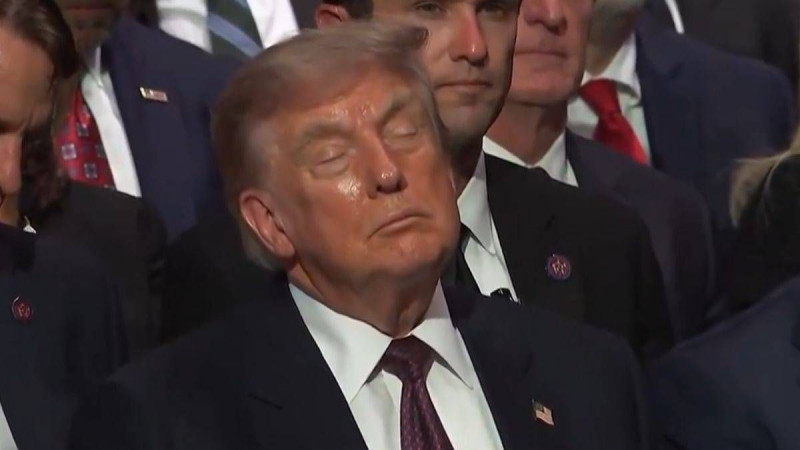
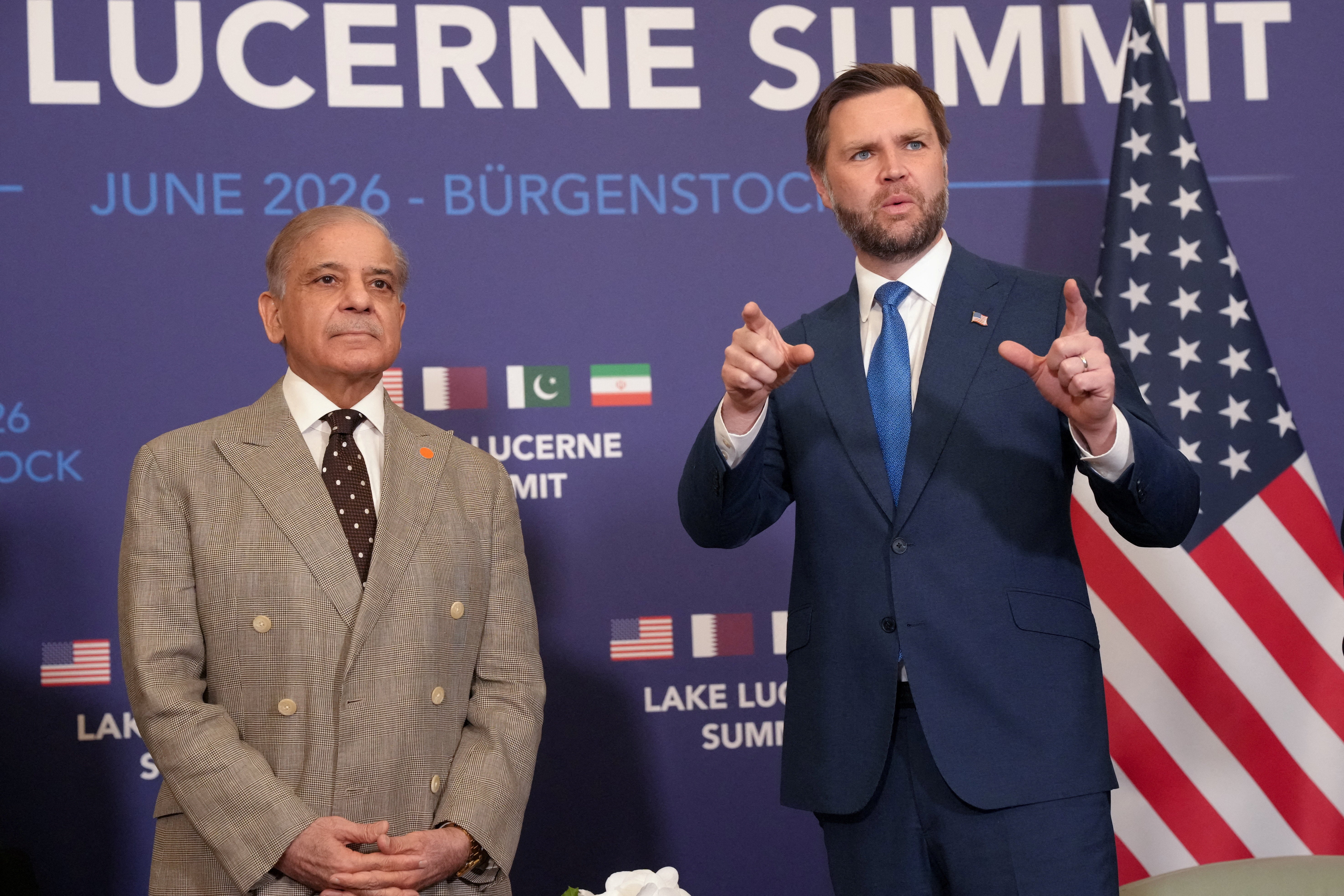
The signing of a memorandum of understanding between the U.S. president and Iranian president Masoud Pezeshkian is viewed by many Iranians as a glaring symbol of betrayal and a historic failure for America.
After 39 days of war, Trump struck a deal with the Islamic Republic while the core power structure in Tehran remains unscathed. The Islamic Revolutionary Guard Corps (IRGC) has gained influence, while ordinary Iranians face economic hardship, destroyed homes, unemployment, and a surge in executions.
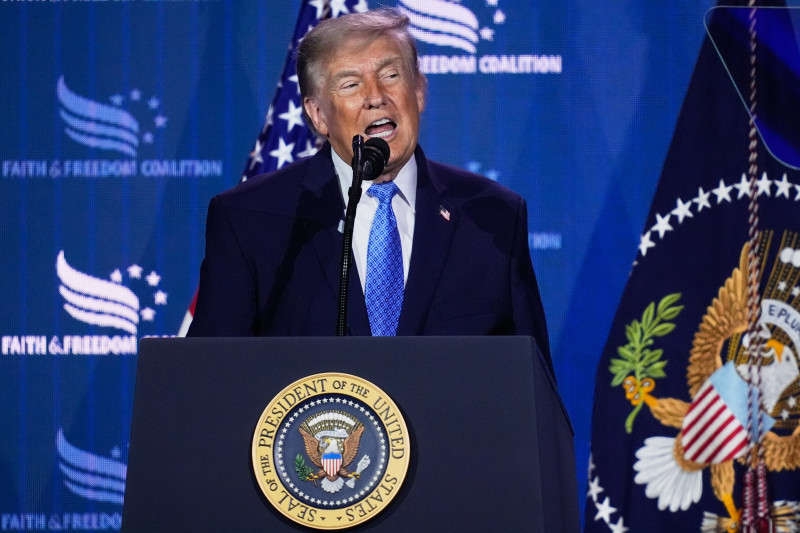
Anger boils over as citizens highlight the stark contrast between the war's rhetoric and its outcome. Trump, who claimed to be a defender of the Iranian people amid brutal protests, now negotiates with the very regime he vowed to dismantle.
Paria from Isfahan expressed her outrage: “Trump lied to the Iranian people. He promised regime change but now Khamenei’s son, more hardline than his father, is in charge. How is this ‘regime change’?”
She argues that the Islamic Republic has not only survived but has replaced fallen officials with even more loyal IRGC successors. “Trump claims victory, but we see the IRGC still in power and gaining strength,” she stated.
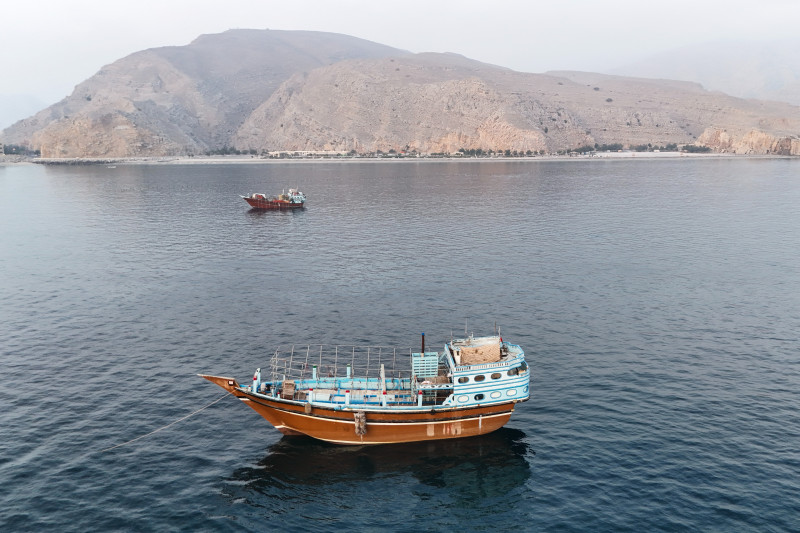
Criticism also targets the terms of the memorandum, particularly the reopening of the Strait of Hormuz in exchange for lifting the naval blockade and sanctions relief. Many question why Trump touts the Strait's reopening as an achievement when it was already open before the conflict.
Maria from Tehran, who protested in January, remarked: “Trump said he would destroy the Islamic Republic. Now he presents the Strait’s reopening as a win while seeking to lift sanctions. This isn’t victory; it’s a major defeat.”
She added that discussions about sanctions relief and a reconstruction fund serve as “life support for the regime” rather than aid for ordinary citizens suffering from destroyed homes and skyrocketing prices.
Messages from others echo this sentiment. Protesters argue that the war did not bring freedom or weaken the IRGC; instead, it tightened their grip on power and increased executions of young protesters and political prisoners.
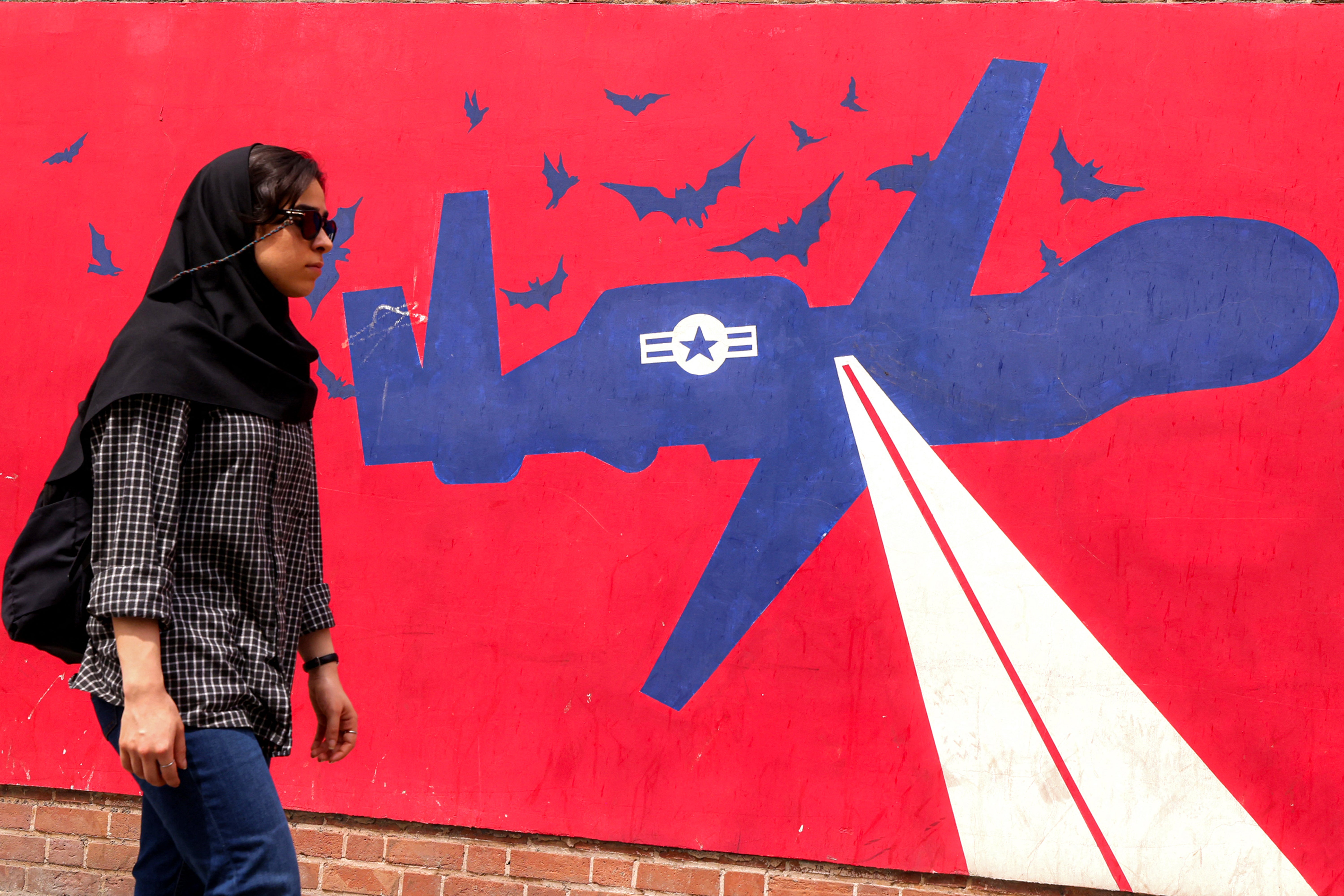
Kaveh from Kermanshah noted: “Two months ago, Trump warned consequences for executing protesters. Now, young people are executed daily, and he says nothing. How can a government that executes its own people be said to love its country?”
He views Trump’s human rights rhetoric as mere propaganda. “When he needed our support for war, he spoke of freedom. Now that he has an agreement, he forgets us,” Kaveh stated.
Some readers believe Israel played a more significant role than the U.S. in targeting senior IRGC officials. They argue that most military figures were killed in Israeli strikes rather than U.S. operations, with Washington ultimately halting further military pressure on the regime.
Sara from Rasht claimed: “Every senior regime official killed was taken out by Israel. What did the U.S. do other than stop further attacks and save the Islamic Republic?”
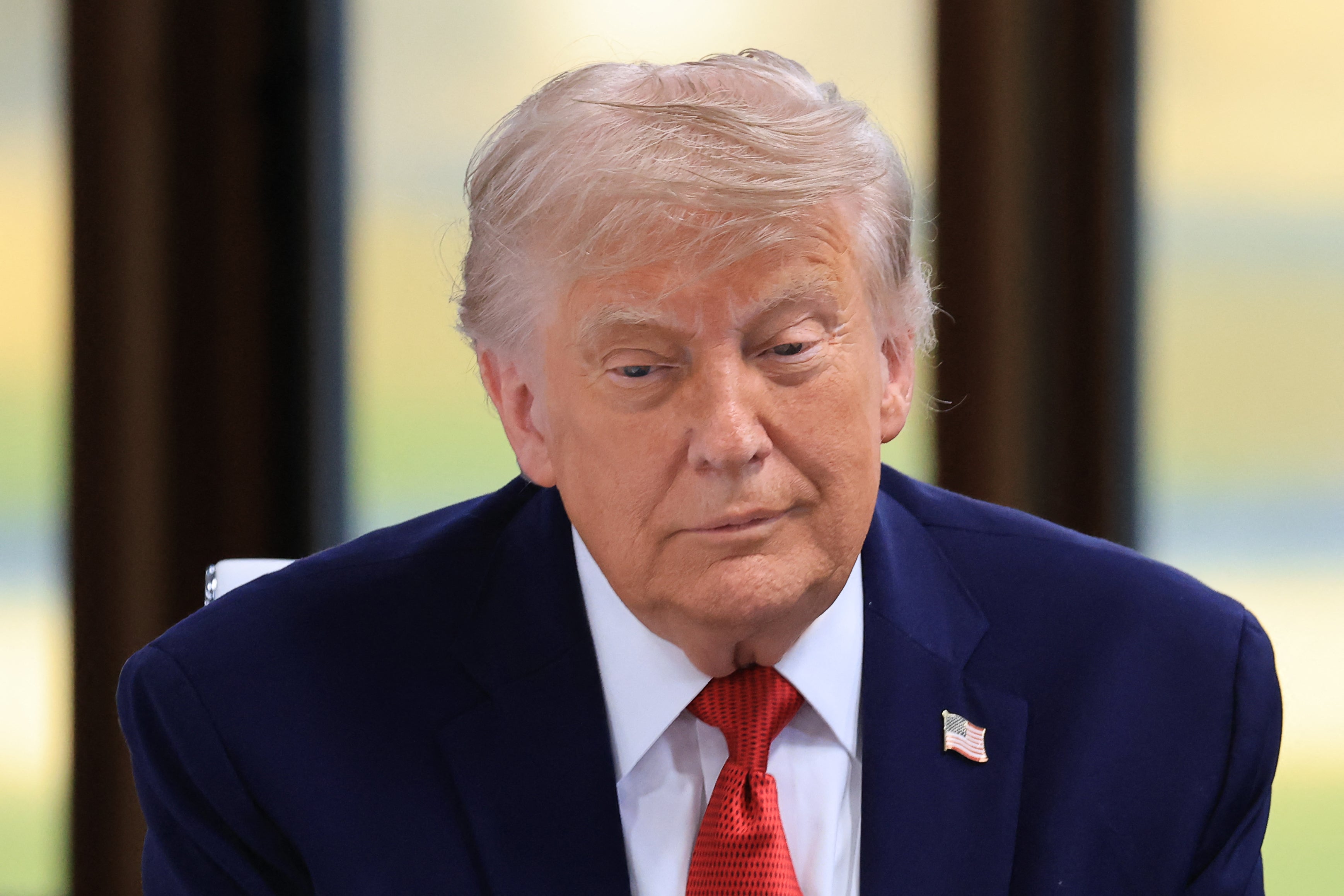
During the war's early weeks, many Iranians hoped that attacks on key regime figures would lead to internal collapse. Instead, Trump’s threats allowed the regime to portray itself as a defender against destruction.
This alarming rhetoric gave state media an opportunity to redirect public anger towards foreign threats rather than internal oppression.
A recurring question in messages sent to Independent Persian is: if the Islamic Republic remains intact, the IRGC is active, executions continue, and sanctions are set to be lifted, what victory is Trump claiming?
Mohammadreza from Tehran concluded: “We hate the Islamic Republic, but now we are angry with Trump too. He claimed to stand with us but reached an agreement with the regime that killed our people.”
This anger highlights a profound disconnect between Iranian expectations of foreign intervention and the harsh realities of political maneuvering in Washington.