

Trump's DoorDash Stunt Unintentionally Exposes His Major Political Dilemma
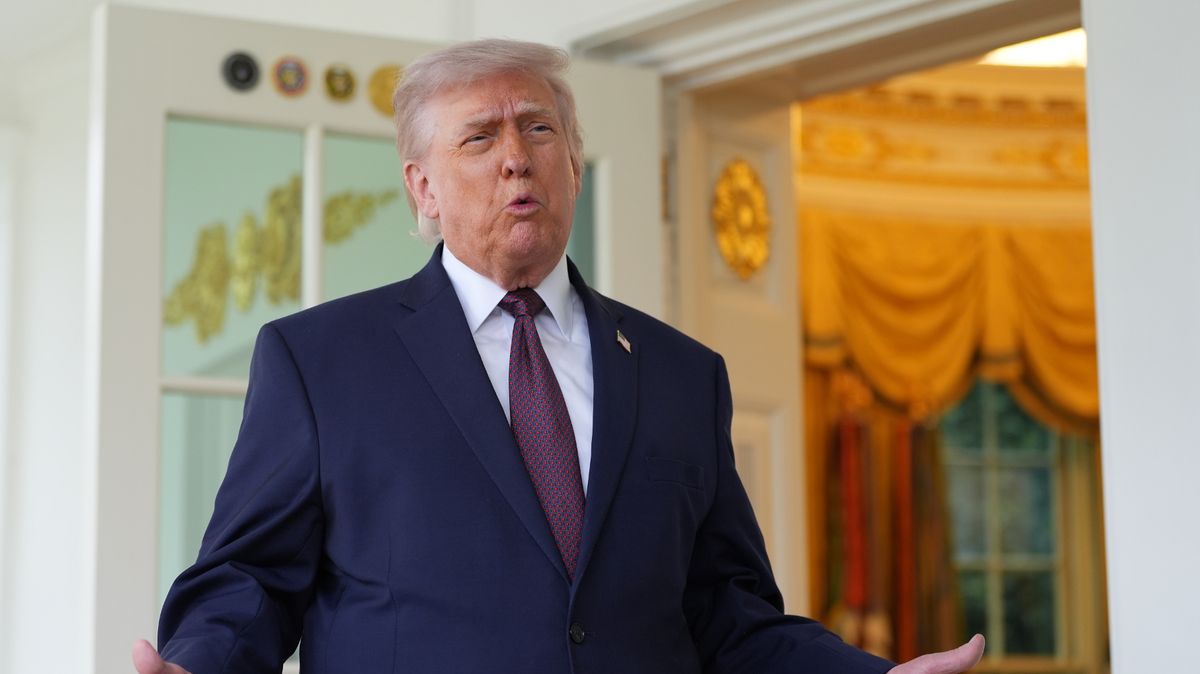
On Monday, President Donald Trump welcomed a DoorDash driver to the White House, ostensibly to showcase GOP tax policy. However, the event inadvertently underscored a pressing issue: escalating fuel prices impacting the working class.
Since the Trump administration's decision to engage militarily with Iran in late February, fuel prices have surged. Currently, drivers face an average gasoline price of $4.13 per gallon, a significant increase of nearly a dollar compared to pre-invasion levels.
This spike in fuel costs has severely affected gig economy workers, including the DoorDash driver who delivered Trump’s McDonald’s meal. In response to the crisis, DoorDash has implemented an “emergency gas relief program,” providing financial assistance to high-mileage drivers struggling with increased expenses.
Despite this backdrop, Trump aimed to highlight the One Big Beautiful Bill Act—now known as the Working Families Tax Cut Act—during his DoorDash appearance. The White House asserted that Sharon Simmons, the driver from Arkansas, would benefit from tax deductions on tips when filing her returns this April.
“Sharon is just one of the millions of American workers who are seeing the real results of President Trump’s signature Working Families Tax Cuts,” a White House spokesperson stated.
While promoting tax cuts, Trump also addressed the ongoing conflict with Iran, taking questions from reporters with Simmons standing nearby. When asked about the stalled ceasefire negotiations, he identified Iran’s nuclear ambitions as a key obstacle.
“Iran will not have a nuclear weapon,” Trump asserted after accepting two bags of fast food. “We agreed to many things, but they didn’t agree to that. I believe they will come around.”
A reporter then inquired whether the White House was generous with tips. Simmons, seemingly caught off guard, hesitated before responding, “Ummm...”
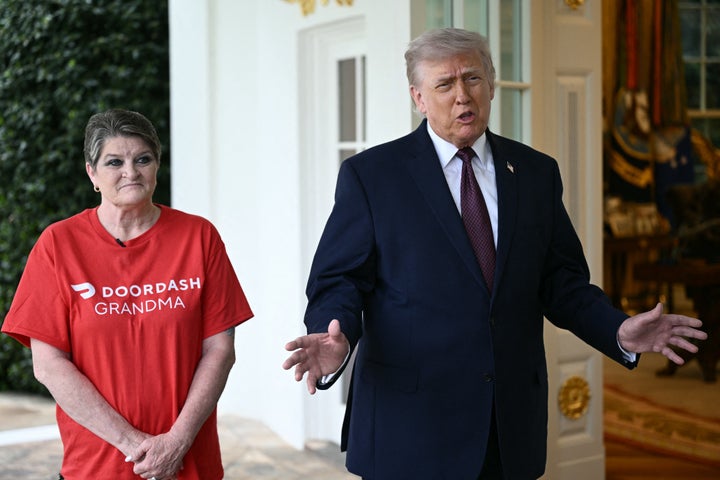
In a moment of spontaneity, Trump handed her what appeared to be a $100 bill. “Thank you,” he remarked to the reporter. “You reminded me.”
Following an initial ceasefire agreement last week, crude oil prices dipped but surged again after Trump announced plans for a blockade of the Strait of Hormuz, a vital oil shipping route. As of Monday, Brent crude prices hovered around $100 per barrel.
The repercussions of high gas prices extend beyond the pump; they ripple through the economy, driving up grocery costs and utility bills. March recorded the largest monthly inflation increase in four years, according to recent Labor Department data.
Workers are already feeling the strain. A DoorDash driver from suburban Atlanta shared that rising fuel costs forced him to extend his working hours to maintain his previous earnings. He reported an additional $15 in weekly driving expenses due to higher gas prices.
“It’s not life-changing, but it’s probably about an extra hour or hour-and-a-half of working,” said Joshua Elliott, 33. “That’s time I was going to relax. Now I’ve got to go out and work instead. I feel the grind more.”