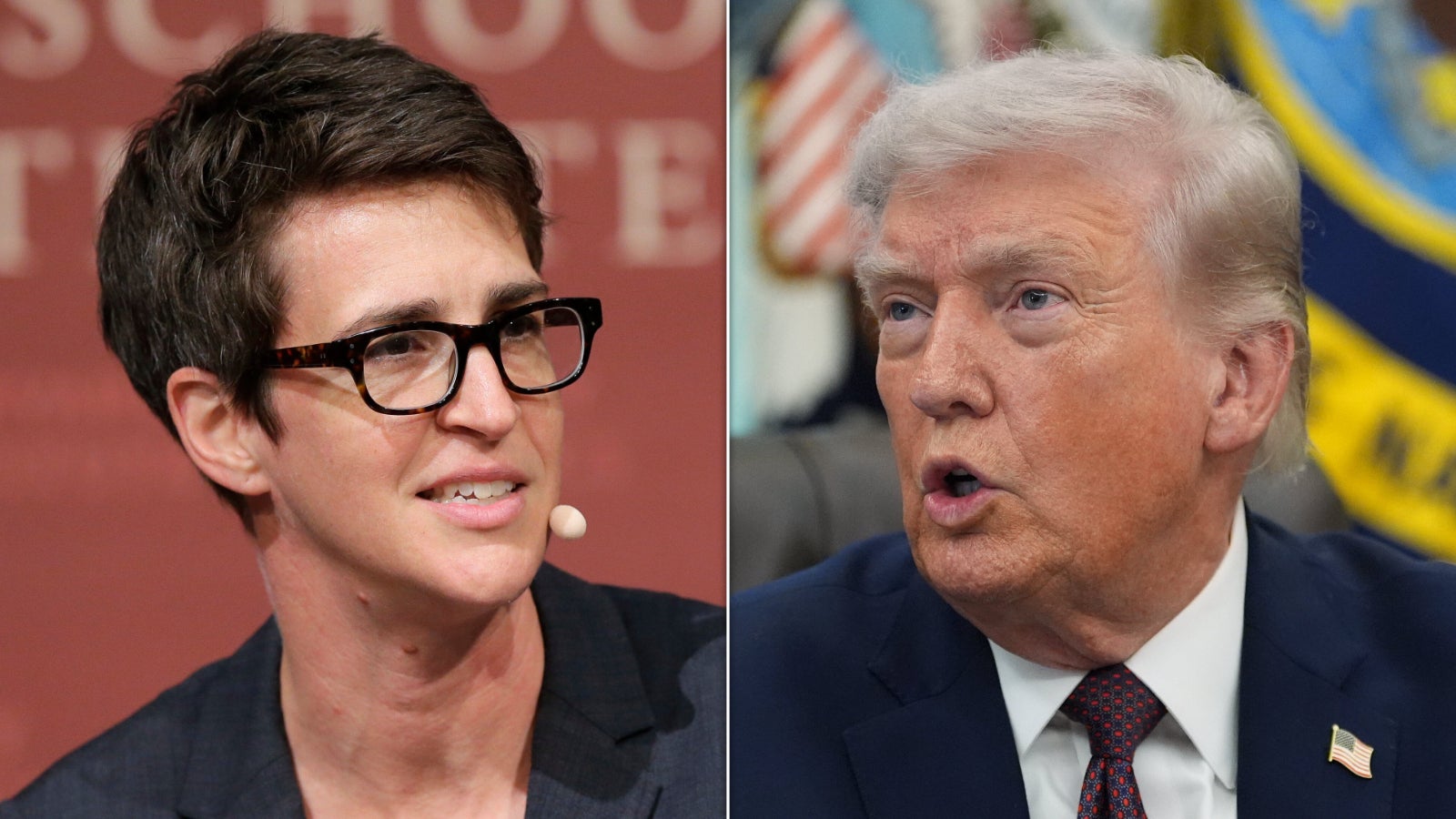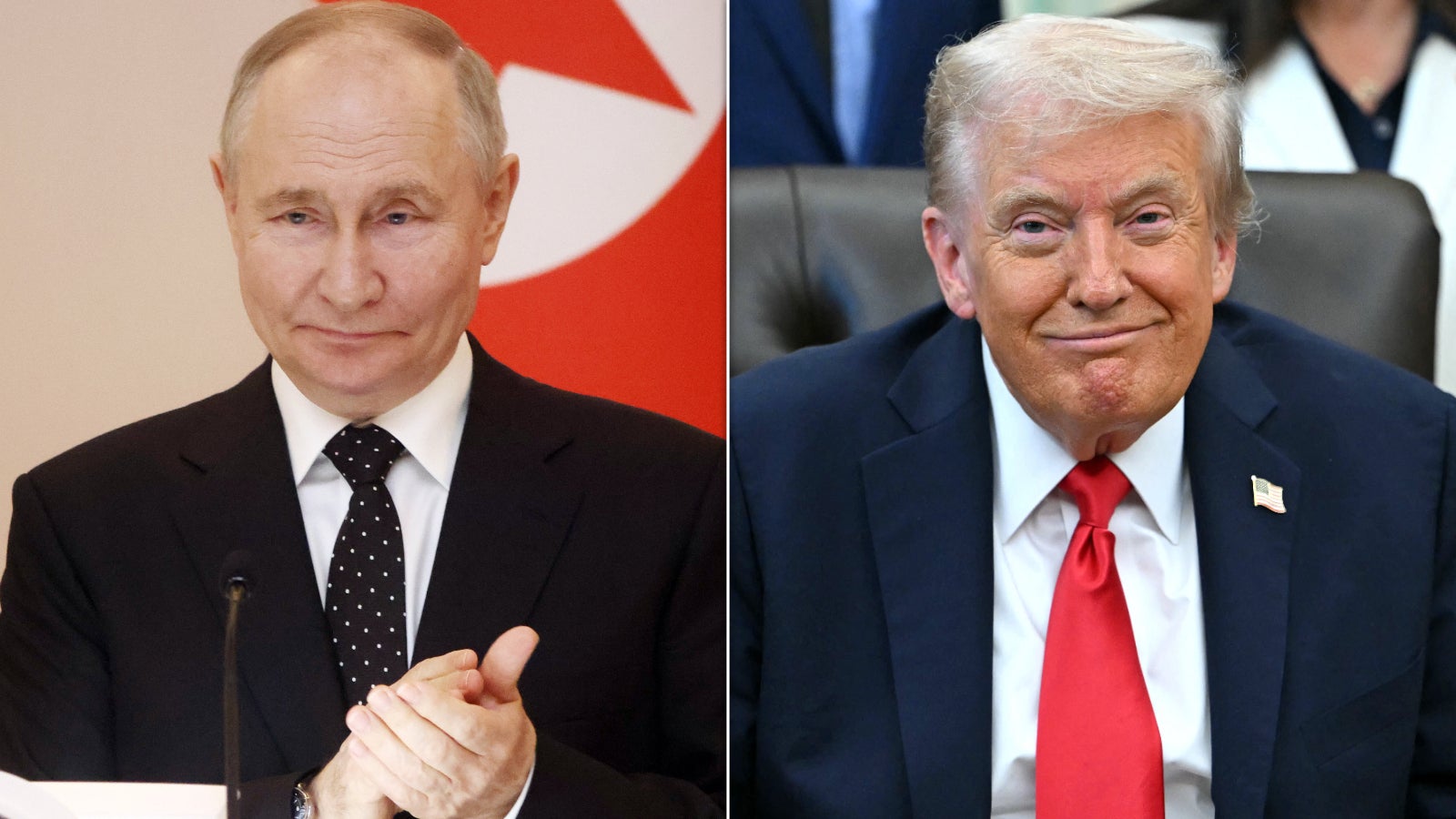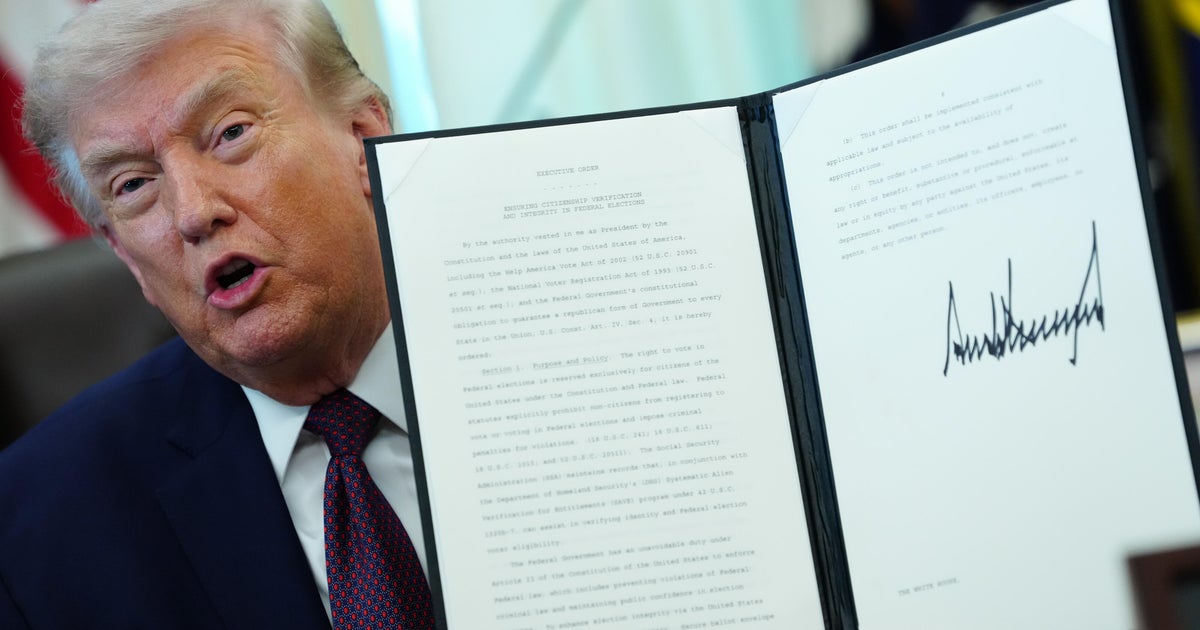

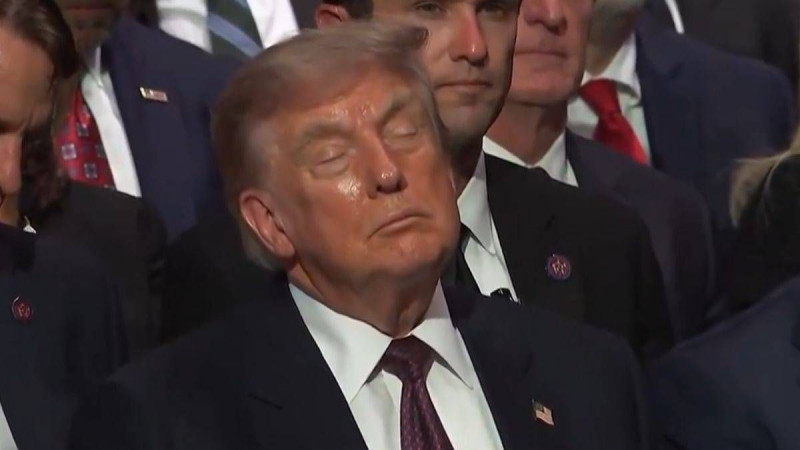


President Donald Trump’s political landscape has shifted dramatically, with his approval ratings now dipping below 40% for the first time in his second term. This decline follows his controversial military actions in Iran, which have sparked widespread discontent among voters.
Poll aggregators indicate that Trump’s approval is now hovering in the low- to mid-30s, with a net approval rating of -21.4, as reported by FiftyPlusOne. “When compared to past presidents, Trump’s ratings are the lowest of any president at this point in their term, going back to FDR,” noted pollster G. Elliott Morris.
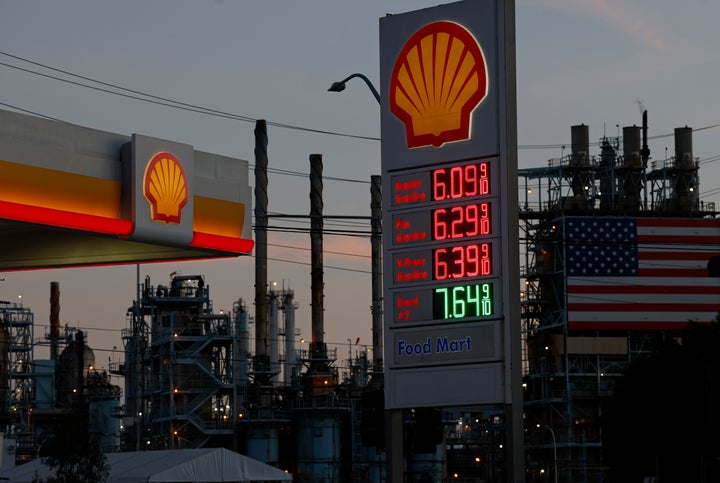
His recent address to the nation failed to reassure the public. Trump claimed the U.S. was “winning bigger than ever before,” yet he provided no coherent strategy for the ongoing conflict or its economic repercussions, particularly following Iran’s closure of the Strait of Hormuz. The immediate aftermath saw a drop in the stock market and a spike in oil prices.
Trump’s inability to acknowledge any missteps regarding Iran has left him cornered. He deflected responsibility, suggesting it was “somebody else’s problem” and urged European and Asian nations to take action. However, analysts believe this is unrealistic.
Options for Trump appear limited and fraught with risk. He could escalate military involvement, worsening the energy crisis, or he could choose to deescalate, potentially ceding control of the strait to Iran, which may implement a tolling system for oil passage.
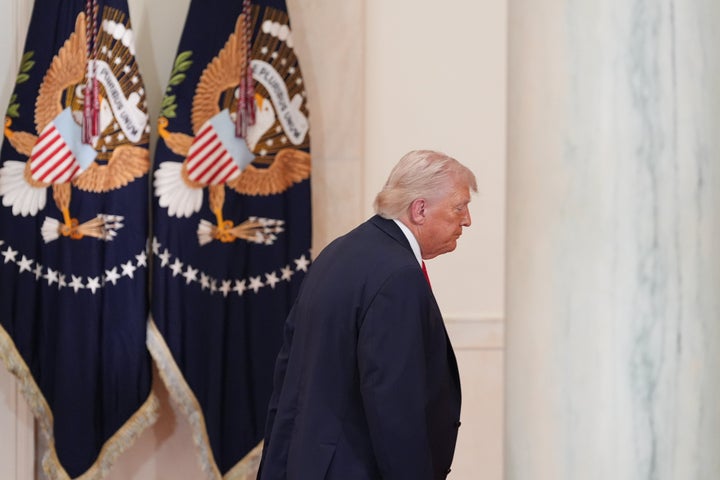
“No matter how we exit this, we’re in a much worse scenario for the oil market than we were before,” remarked oil analyst Rory Johnston on his podcast “Oil Ground Up.”
This situation poses significant political challenges for Trump, whose second term has been marred by a series of unpopular initiatives. His tariffs, deemed unconstitutional, triggered market chaos, while his aggressive immigration policies alienated many supporters.
Moreover, his handling of healthcare and economic issues has contradicted his campaign promises to lower costs. The cumulative effect of these decisions has led to rising prices across various sectors, including energy—a critical concern for voters.
Despite attempts to downplay these economic impacts, Trump’s reassurances echo past optimistic claims made during the early COVID-19 pandemic. Analysts warn that current oil prices reflect “irrational optimism,” suggesting that future increases are likely.
The electorate's response has been telling. Voters who previously supported Trump are now distancing themselves, particularly working-class Black and Latino voters, as evidenced by recent studies. This shift was evident in the 2025 gubernatorial races in New Jersey and Virginia, where Democratic candidates performed strongly in areas that had previously leaned toward Trump.
Young voters, who initially favored Trump, have also turned against him; a recent poll indicated that 80% of those aged 18-34 now disapprove of his performance. Independent voters reflect similar sentiments, with 73% expressing disapproval.
Trump’s presidency has become a case study in political mismanagement, as he grapples with issues reminiscent of past administrations—rising inflation akin to Joe Biden’s era, energy crises reminiscent of Jimmy Carter’s presidency, and military conflicts echoing George W. Bush’s decisions.
With midterm elections approaching in just seven months, the outlook for Republicans appears grim. A loss of even one chamber of Congress could severely limit Trump’s power and lead to increased scrutiny and potential investigations during his remaining time in office.