
Trump's Unyielding Confidence Faces the Chaos of War
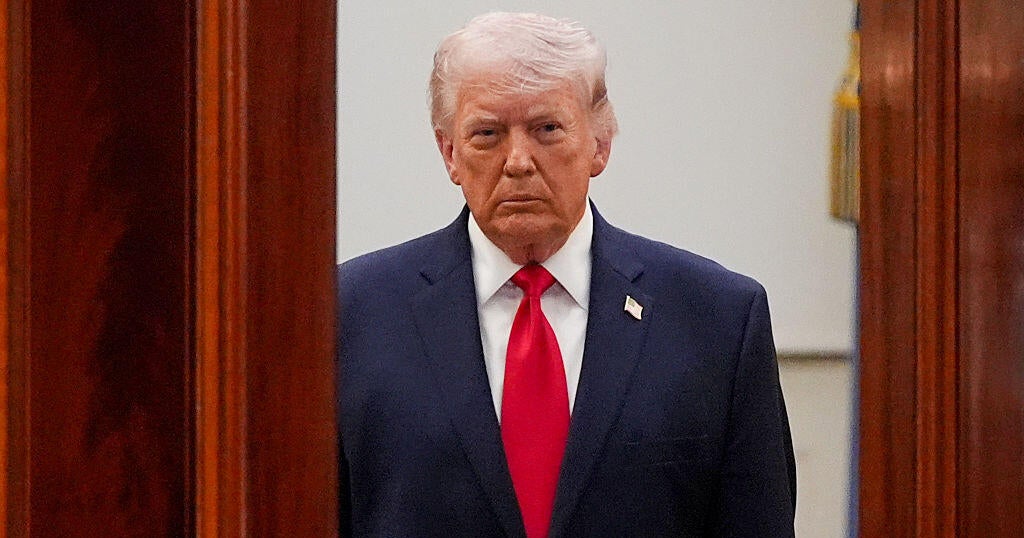
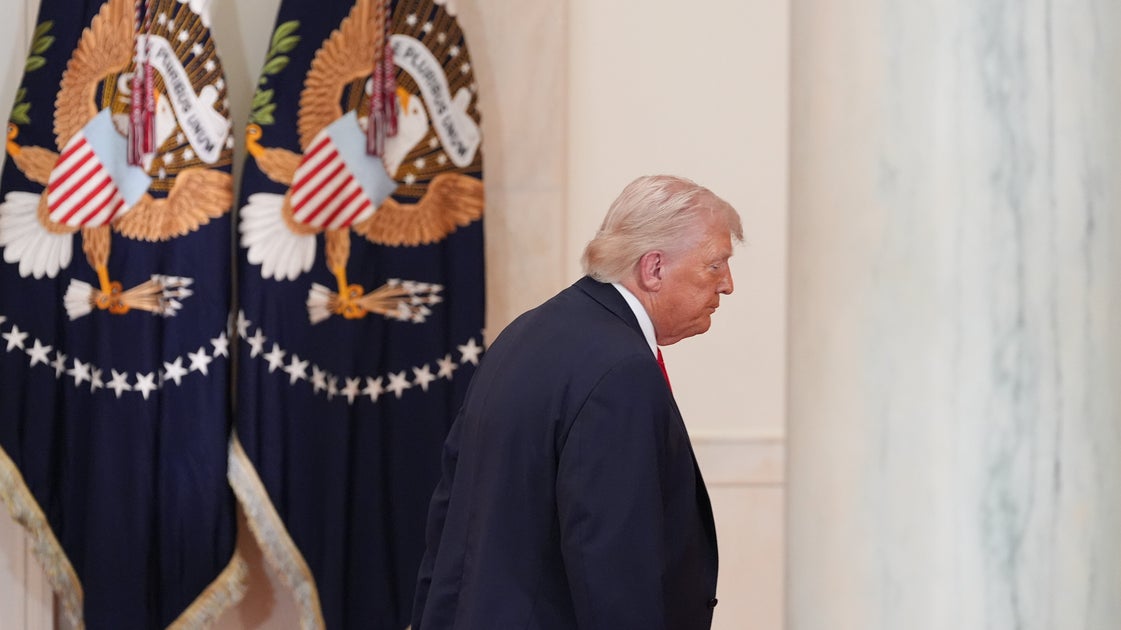
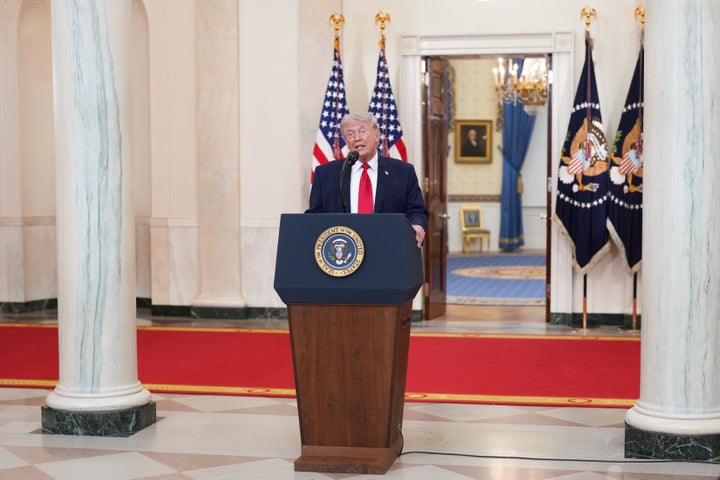
President Donald Trump delivered a resolute address to the nation regarding the ongoing conflict in Iran, asserting, “We’ve beaten and completely decimated Iran.” The prime-time speech from the White House emphasized his belief in American military superiority, claiming, “Their radar is 100% annihilated. We are unstoppable as a military force.”
Yet, this unwavering confidence clashes with the stark realities of warfare. The recent downing of an American fighter jet in Iran serves as a grim reminder of the perils involved, leading to a rescue operation that successfully retrieved one crew member. Reports from Iranian state media indicated that another U.S. aircraft was also targeted by Iranian air defenses, contradicting Trump’s earlier assertion that Iran lacked effective anti-aircraft capabilities.
For Trump, who refrained from public appearances on Friday, these developments highlight a disconnect between his triumphant narrative and the actual circumstances on the ground. His surprise at Iran's aggressive actions against its Gulf neighbors underscores a struggle to manage the fallout from Iran's blockade of the Strait of Hormuz, a critical artery for global oil supply that has led to rising fuel prices in the U.S.
Attempts to rally international support for reopening the strait have largely been met with indifference. Some allies are hesitant to engage until hostilities cease, while others openly criticize Trump's unilateral decision to initiate military action without broader consultation.
Trump's approach has long been characterized by a self-assuredness that propelled him through both business and politics. He famously declared during his 2016 campaign, “I alone can fix it,” a sentiment that has often translated into a solitary leadership style where he perceives himself as the sole problem-solver in a chaotic world. This perspective has justified various executive actions and tariffs impacting global trade.
However, the conflict with Iran presents an unprecedented challenge. The mantra of “America First” has shifted to “America alone,” with Trump at the helm. “You can be the most assertive, aggressive president in the world but you don’t control what happens overseas,” noted Julian Zelizer, a history professor at Princeton University.
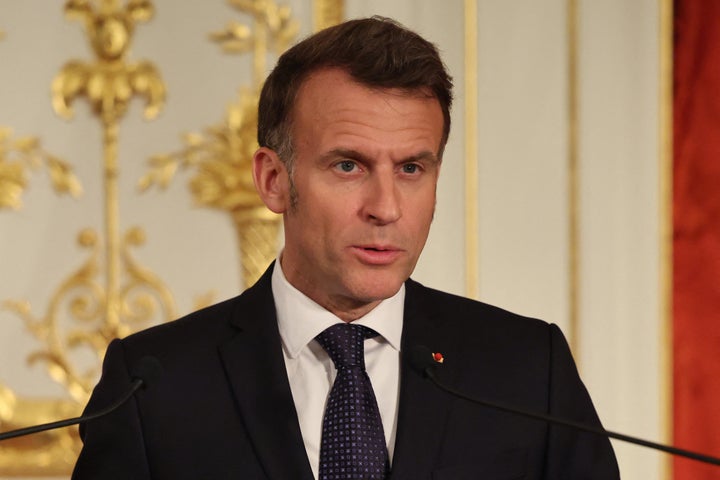
As the war extends into its sixth week, this reality becomes increasingly evident. Trump’s first year of his second term was marked by trade penalties aimed at bending other nations to his will. Now, traditional allies are voicing their concerns more openly. French President Emmanuel Macron remarked that the U.S. “can hardly complain afterward that they are not being supported in an operation they chose to undertake alone.”
British Prime Minister Keir Starmer remains steadfast in his refusal to engage in the conflict despite Trump's criticisms. France and the U.K. are taking the lead in efforts to reopen the strait once hostilities cease.
Domestically, even some Republicans are emphasizing the importance of maintaining strong international alliances. Following Trump’s threats to withdraw from NATO, Senate Majority Leader John Thune stated that there aren’t enough votes in the Senate to support such a move, highlighting a consensus among many Republicans about NATO’s significance as a post-World War II alliance.
Trump did not mention NATO during his address from the White House. John Bolton, a former national security adviser turned critic, expressed that failing to consult allies before engaging in war was a “serious mistake.” He cautioned that building coalitions post-conflict is challenging.
Trump’s independent approach extends beyond foreign policy. Recently, he claimed congressional approval for a proposed ballroom at the White House was “not necessary,” disregarding a judge’s ruling. He also signed an executive order aimed at creating a nationwide list of verified eligible voters while restricting mail-in voting.
In an unprecedented move for a sitting president, he appeared in Supreme Court proceedings defending an executive order that seeks to limit birthright citizenship. However, his unilateral strategies face significant obstacles; the Supreme Court recently invalidated his extensive tariff program, and legal challenges against his voting executive order are underway.
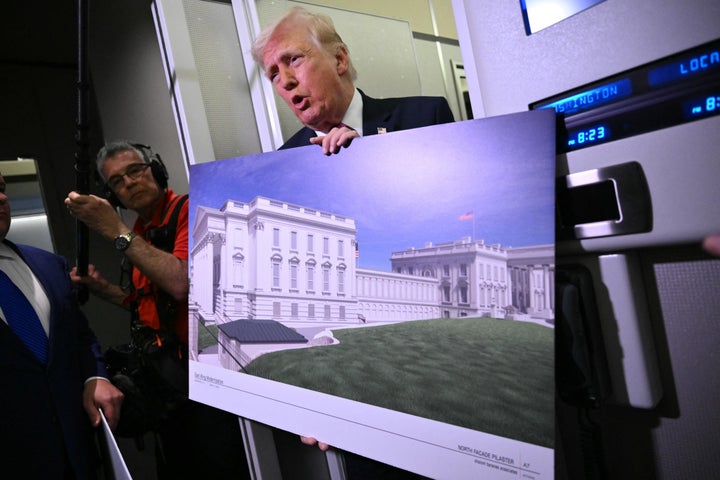
Amidst these challenges, Trump expressed frustration over perceived limitations on his authority during a private Easter lunch at the White House. “I’m such a king I can’t get a ballroom approved,” he quipped, eliciting laughter from attendees including Cabinet members and religious leaders. “I’m doing a lot. But I could be doing a lot more if I was a king.”