
Trump Slams Hakeem Jeffries with Racially Charged Insults — Experts Call It a Dangerous Signal
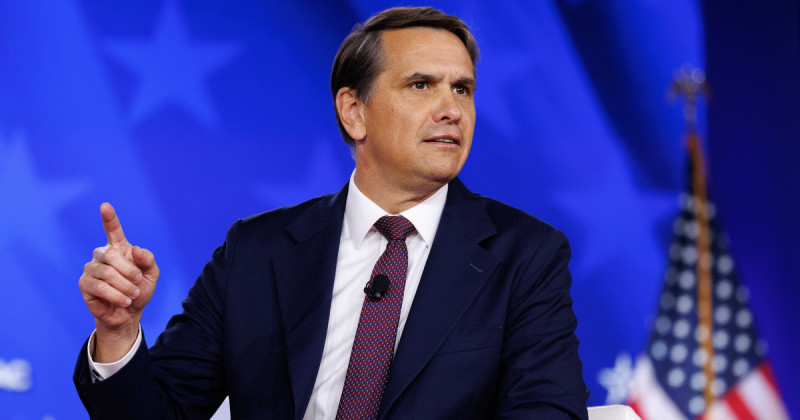
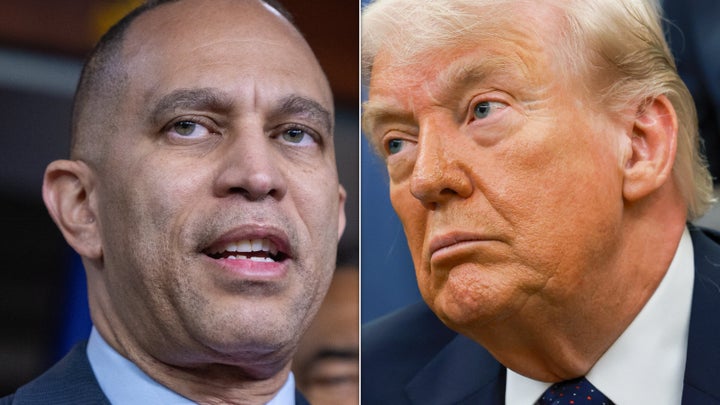
Donald Trump unleashed a barrage of insults against House Minority Leader Hakeem Jeffries (D-N.Y.), branding him a “thug” and “low IQ.” This isn’t just casual name-calling; it’s a calculated move from a playbook that’s all too familiar.
On Friday night, while on a posting spree on Truth Social, Trump targeted Jeffries with an image of the congressman wielding a baseball bat. This photo, originally shared by Jeffries himself, was captioned: “Protecting your healthcare is as American as baseball, motherhood, and apple pie.” But Trump twisted it into a weapon of mockery.
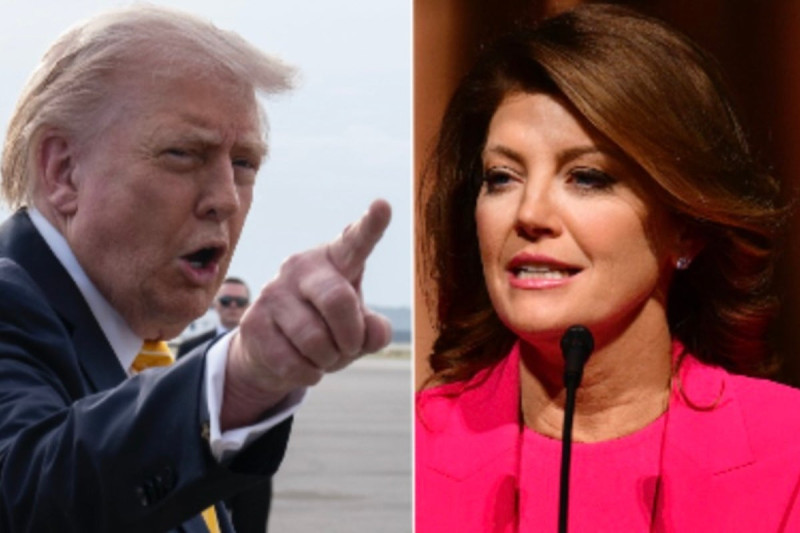
“Low IQ Democrat Minority Leader, Hakeem Jeffries, is nothing but a THUG, and he is a danger to our Country!” Trump declared in his post. The vitriol didn’t stop there; he doubled down on Sunday, suggesting Jeffries should be “impeached” for calling the Supreme Court “illegitimate.” (Spoiler: Congress members can’t be impeached, but they can be expelled.)
Jeffries labeled the court “illegitimate” after it dismantled a majority Black congressional district in Louisiana, a significant blow to the Voting Rights Act. Trump’s reposting of the bat-wielding image—this time without any caption—was a clear signal of intent.
Critics have long pointed out that Trump’s use of terms like “thug” and “low IQ” often targets people of color, perpetuating harmful stereotypes. Nadine Smith, president of Color of Change, emphasized that Trump’s choice of imagery was deliberate. “He didn’t just post a photo. He chose an image of a Black congressional leader holding a baseball bat and paired it with insults to suggest menace,” she stated. “That’s the point.”
View this post on Instagram
Smith elaborated on the implications: “We’ve watched this playbook for decades. It’s how Black public figures get repackaged as dangerous so people stop hearing what they’re saying and start fearing who they are.” She added that Trump’s framing of Jeffries as “low IQ” draws from a long history of using intelligence as a weapon against Black individuals.
“When the most powerful person in the country aims that language at a Black leader, it gives everyone else permission to question whether Black people belong in rooms where real decisions get made,” Smith warned. “It is not a throwaway insult. It is a signal.”
As for the term “thug,” Smith noted its historical connotations of criminality and danger. “When ‘thug’ enters political discourse, it narrows how Black people are perceived,” she explained. “Applying that label reinforces a pattern where Black figures are framed disrespectfully rather than with legitimacy.”
Peter Loge, an associate professor at George Washington University, echoed these sentiments. Upon seeing Trump’s post, he thought, “here we go again.” He pointed out that Trump’s tendency to lash out at critics only diminishes his popularity, leading to more aggressive rhetoric.
Loge remarked that Trump’s supporters might interpret the post as validation of their own biases against Black Americans. “Those who vocally agree with the president will see the image and shout their agreement,” he said. Conversely, those opposed will see it as further evidence of Trump’s racism.
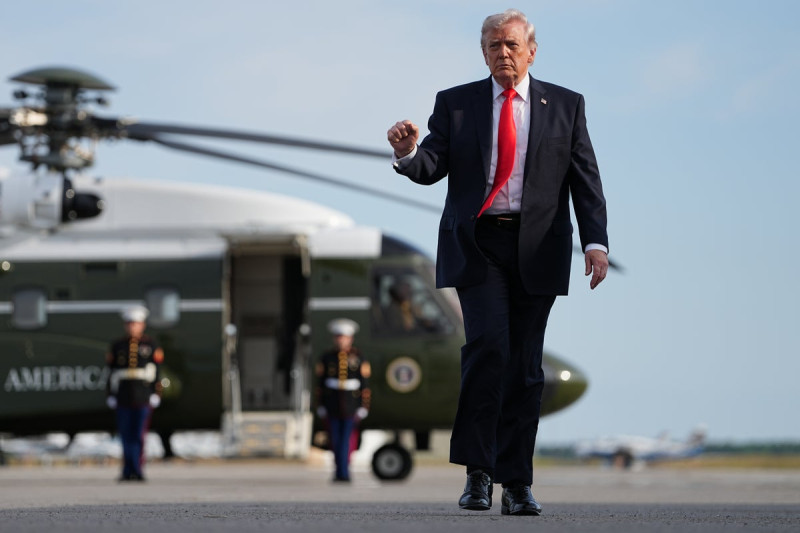
During his late-night social media blitz, Trump posted 11 times in less than 45 minutes. Loge suggested that Americans would prefer their president focus on solving issues rather than engaging in petty online spats. “If your child lashed out at classmates instead of doing homework, you’d take their phone away,” he quipped.
Loge emphasized the importance of calling out bad behavior in politics. “We should call out bad behavior because it is bad behavior,” he stated. He warned that the bar for acceptable political conduct has been set alarmingly low in recent years.
“Elite rhetoric matters,” he said. “The president’s empty insults suggest that politics is all about insults rather than problem-solving.” Smith added that Trump’s rapid-fire attacks serve as a distraction from his administration's policies affecting healthcare and rights.
“This is a strategy,” she concluded. “He floods the zone with insults and racially coded language so people stop paying attention to what his administration is doing.” Smith cautioned that if society ignores such rhetoric, future leaders may feel emboldened to adopt similar tactics.
“So yes, we keep calling it out,” she affirmed. “The response isn’t to look away; it’s to stay clear-eyed and build collective power that doesn’t get shaken by tactics like this.”