


Trump Threatens to Revert Iran to 'Stone Age' if Deal Not Reached
Donald Trump issued a stark warning to Iran, threatening to revert the nation “back to the stone ages” through extensive military strikes on civilian infrastructure if a deal regarding the Strait of Hormuz is not finalized by his imposed deadline.
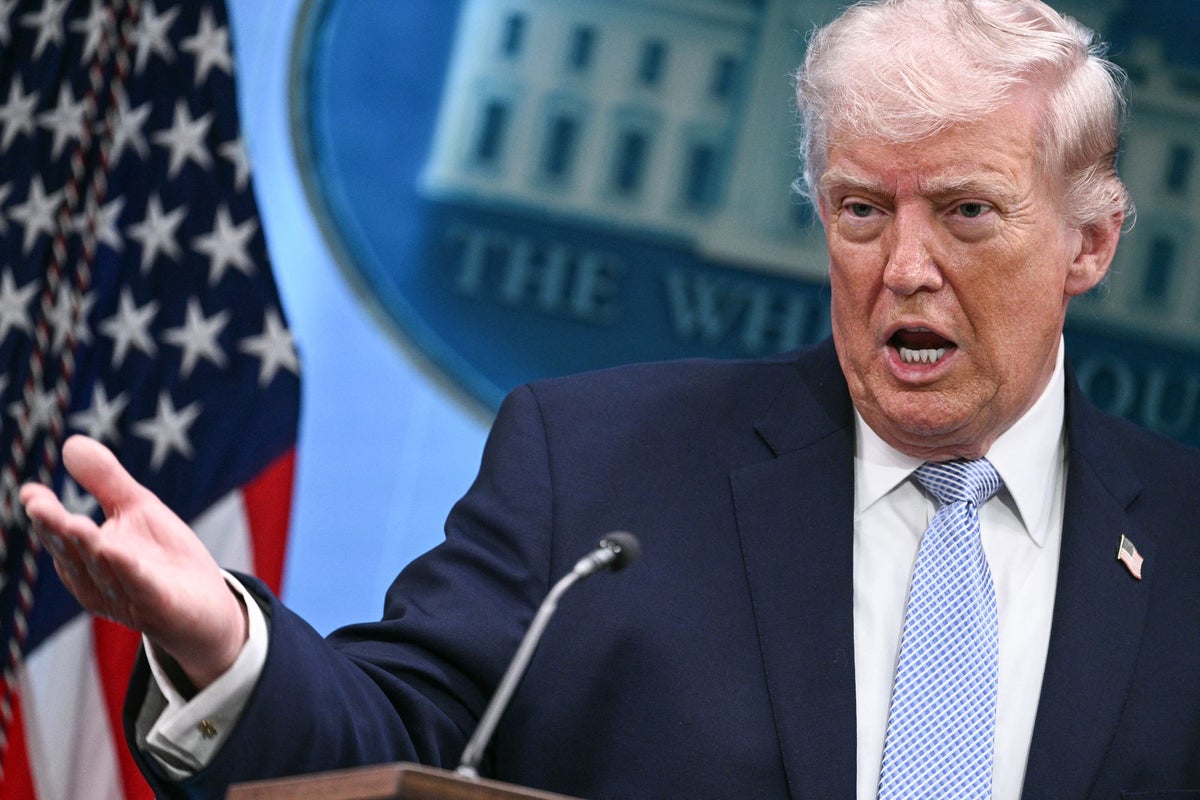
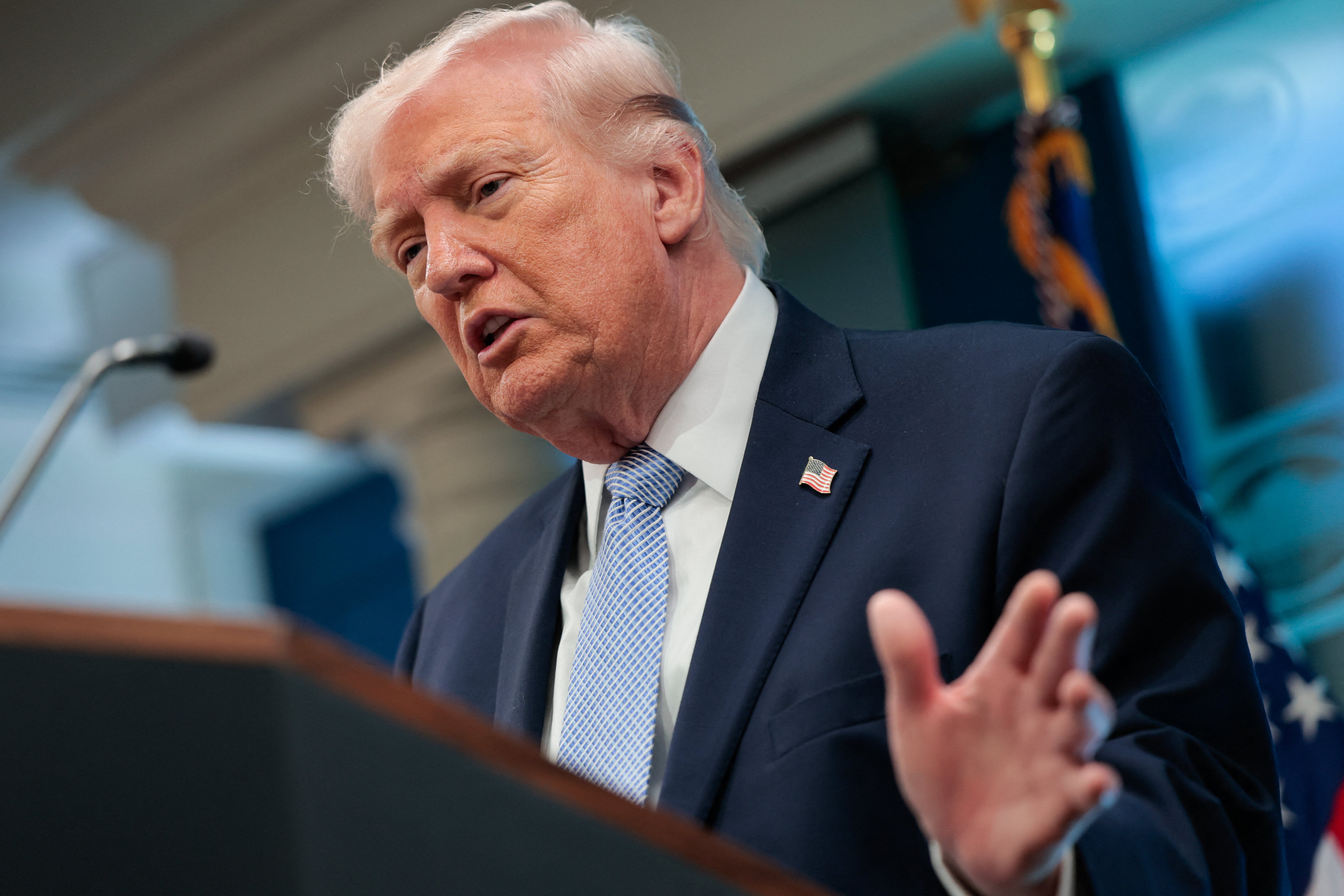
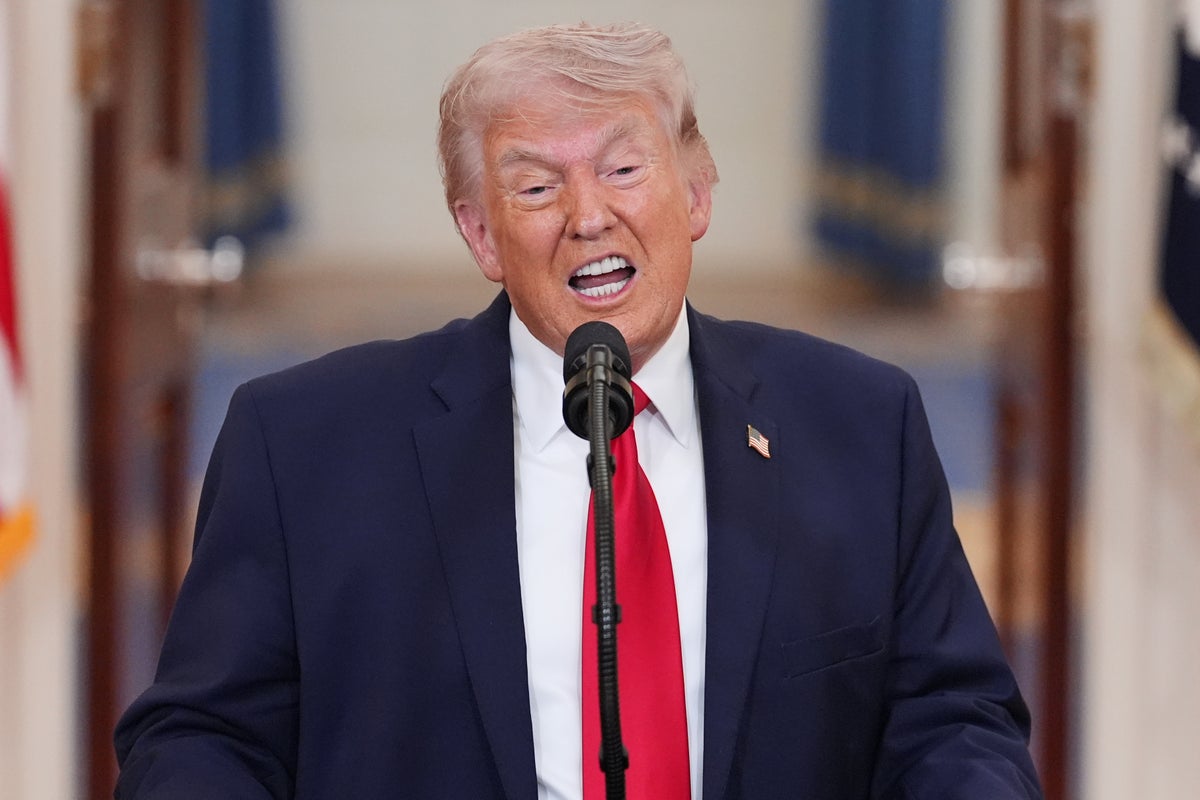
During a press conference at the White House on Monday, Trump reiterated his ultimatum, demanding a resolution by Tuesday at 2000 Eastern Time [0100 GMT]. He stated that the U.S. intends to “decimate” every bridge in Iran, claiming that “every power plant in Iran will be out of business, burning, exploding, and never to be used again” by midnight.
When pressed about potential accusations of war crimes stemming from such actions, Trump dismissed the concerns outright. “No, not at all,” he asserted. He further suggested that Iranian citizens would support his aggressive stance, stating they are “willing to suffer... in order to have freedom.” “I hope I don't have to do it,” he added, hinting at the gravity of his threats.
As the deadline looms, Trump expanded his threats beyond civilian targets, suggesting that “the entire country can be taken out in one night, and that night might be tomorrow night.”

U.S. Defense Secretary Pete Hegseth remarked, “Today will be the largest volume of strikes since day one. Tomorrow, even more than today.”
Trump also expressed disappointment in NATO for not supporting the U.S. in its conflict with Iran, taking the opportunity to criticize the UK as well.
In a parallel escalation, Israel targeted a significant gas field in Iran, which serves as its primary domestic energy source. This attack adds pressure on Tehran following its rejection of a 45-day ceasefire proposal, with Iran now seeking a permanent cessation of hostilities.
Tehran communicated its ten-point response through Pakistan, emphasizing reconstruction and sanctions relief. “We only accept an end of the war with guarantees that we won't be attacked again,” stated Mojtaba Ferdousi Pour, head of Iran's diplomatic mission in Cairo. He expressed distrust towards the Trump administration due to previous bombings during negotiations.
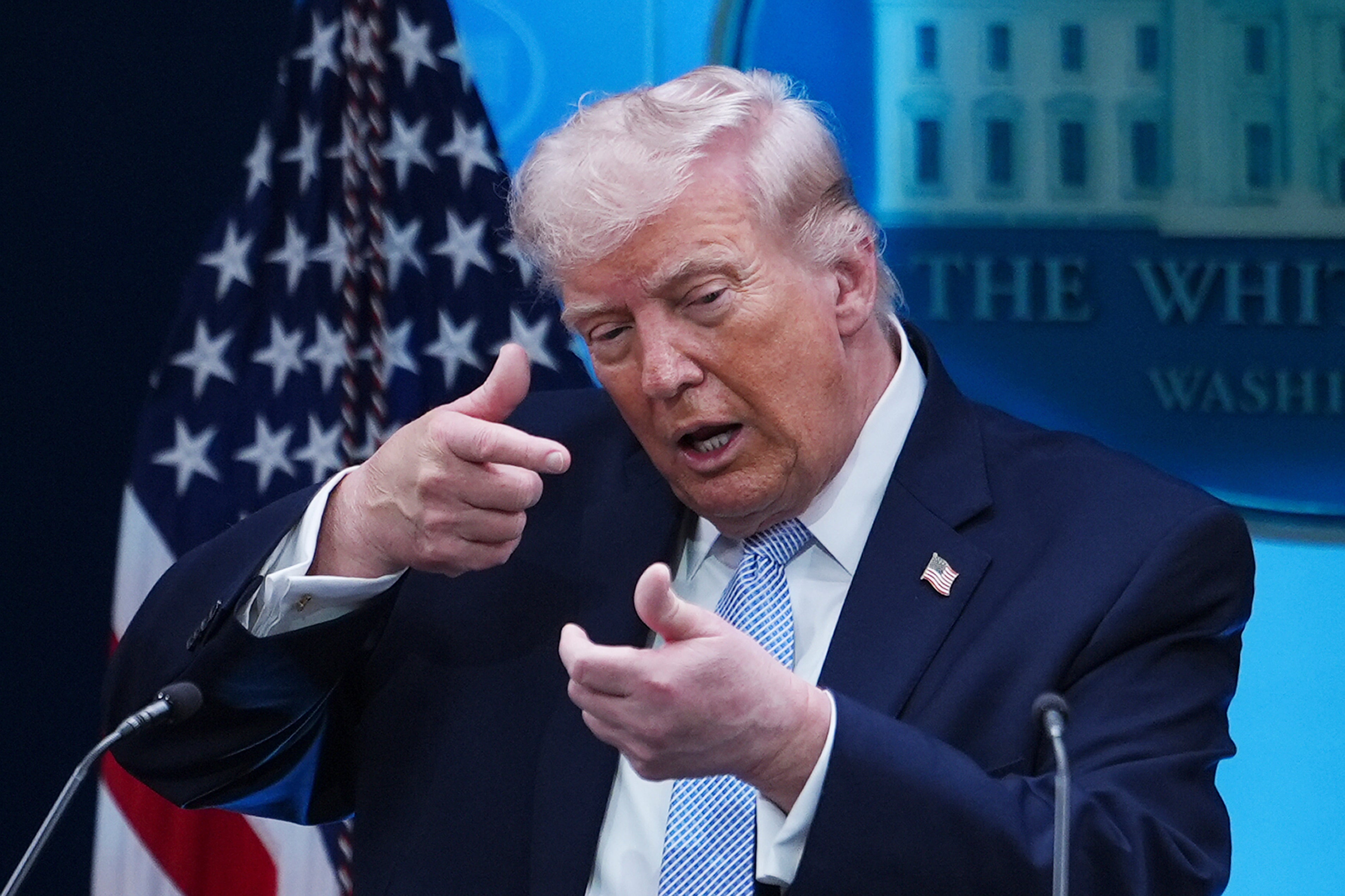
Iran's foreign ministry spokesperson Esmail Baghaei noted that while messages were being exchanged with mediators, “negotiations are entirely incompatible with ultimatums, crimes and threats of war crimes.”
Supreme Leader Mojtaba Khamenei warned that “assassinations and crimes” would not deter Iranian armed forces in a message posted on Telegram.
Mediators from Egypt, Pakistan, and Turkey proposed a 45-day ceasefire and reopening of the Strait of Hormuz to both Iranian Foreign Minister Abbas Araghchi and U.S. Middle East envoy Steve Witkoff.
Iran's control over the Strait of Hormuz, a critical passage for global oil shipments, has raised alarms worldwide as Tehran has barred U.S. and Israeli vessels since the onset of hostilities on February 28.
Earlier on Monday, Trump hinted at further military actions during an Easter event at the White House lawn. “If I had my choice, what would I like to do? Take the oil,” he remarked, adding that Iranians “want to hear bombs because they want to be free.”
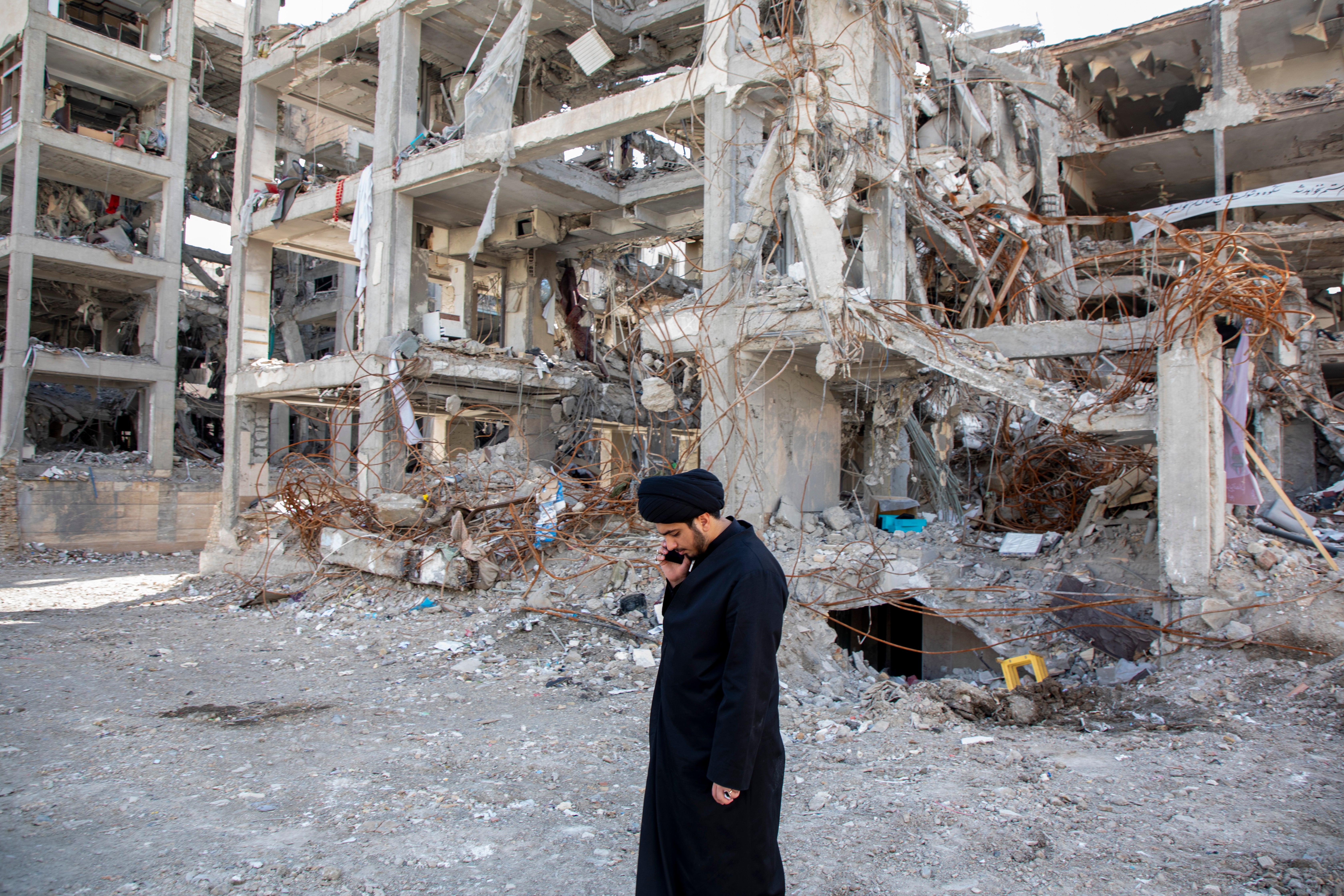
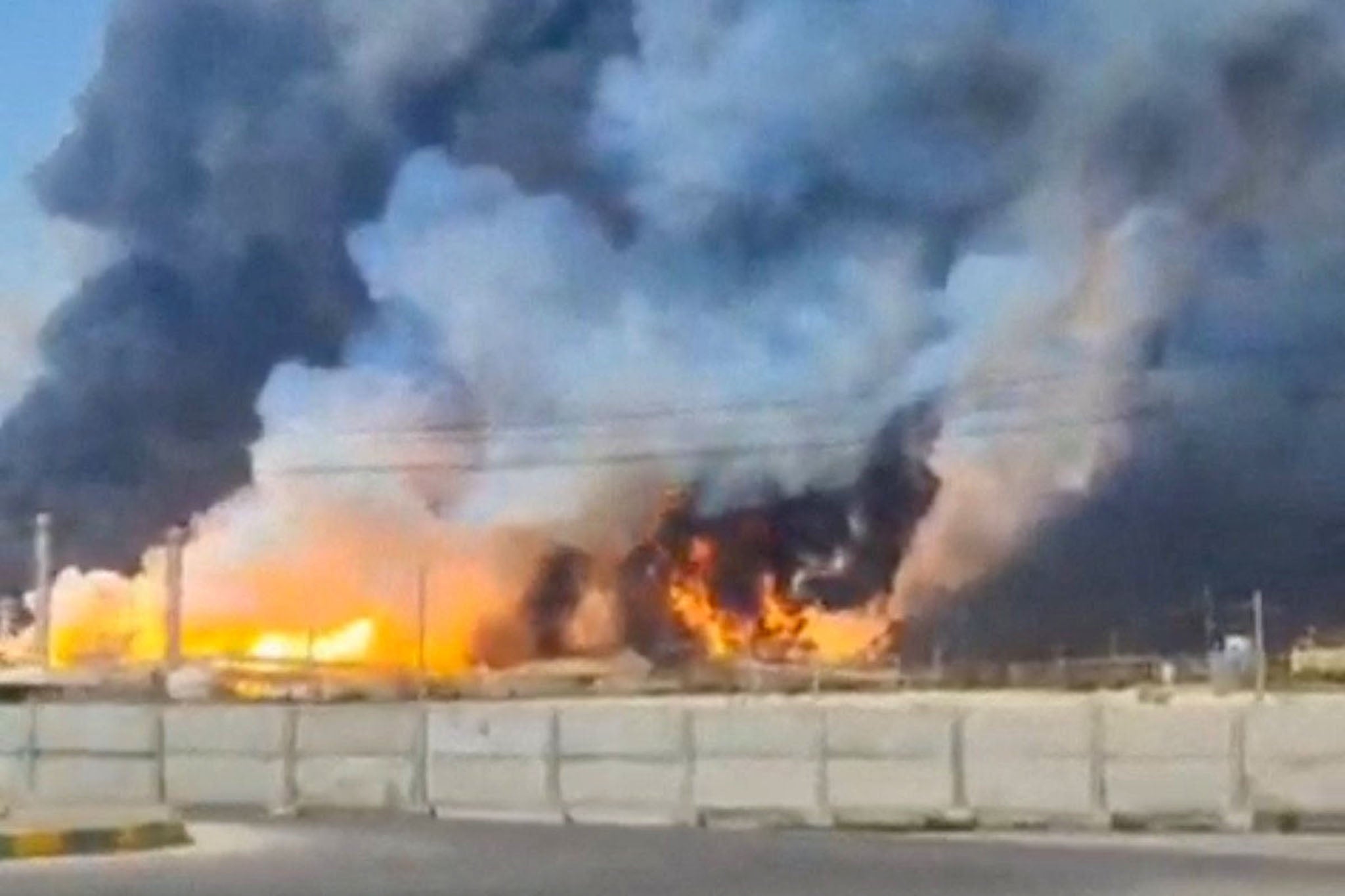
Israel confirmed it struck a key petrochemical facility in the South Pars natural gas field on Monday, resulting in the deaths of two commanders from Iran's paramilitary Revolutionary Guard. This field is vital for electricity production for Iran’s 93 million citizens and is shared with Qatar. The strike appeared separate from Trump's threats but underscores ongoing tensions.
Following a previous Israeli attack on this field in March, Iran retaliated by targeting energy infrastructure across other Middle Eastern nations, marking a significant escalation in hostilities.
Explosions echoed throughout Tehran as low-flying jets patrolled the skies for hours. Among those reported killed was Major General Majid Khademi, head of intelligence for Iran's Revolutionary Guard.
The death toll in Iran has surpassed 1,900 since the conflict began; however, official updates have stalled. In Israel, Iranian missiles struck Haifa, resulting in four fatalities from one family found amidst rubble.
In Lebanon, Israeli airstrikes targeted areas linked to Hezbollah militia, with an airstrike hitting an apartment in Ain Saadeh. The conflict has claimed over 1,400 lives in Lebanon and displaced more than one million people.
In response to Iranian missile threats, Kuwait, the UAE, and Saudi Arabia activated air defenses. Casualties have mounted across Gulf Arab states and the Israeli-occupied West Bank, with reports indicating at least 23 deaths in Israel and 13 U.S. service members killed.