


U.S. Diplomats Gear Up for Renewed Peace Negotiations as Trump Issues Stark Warnings to Iran
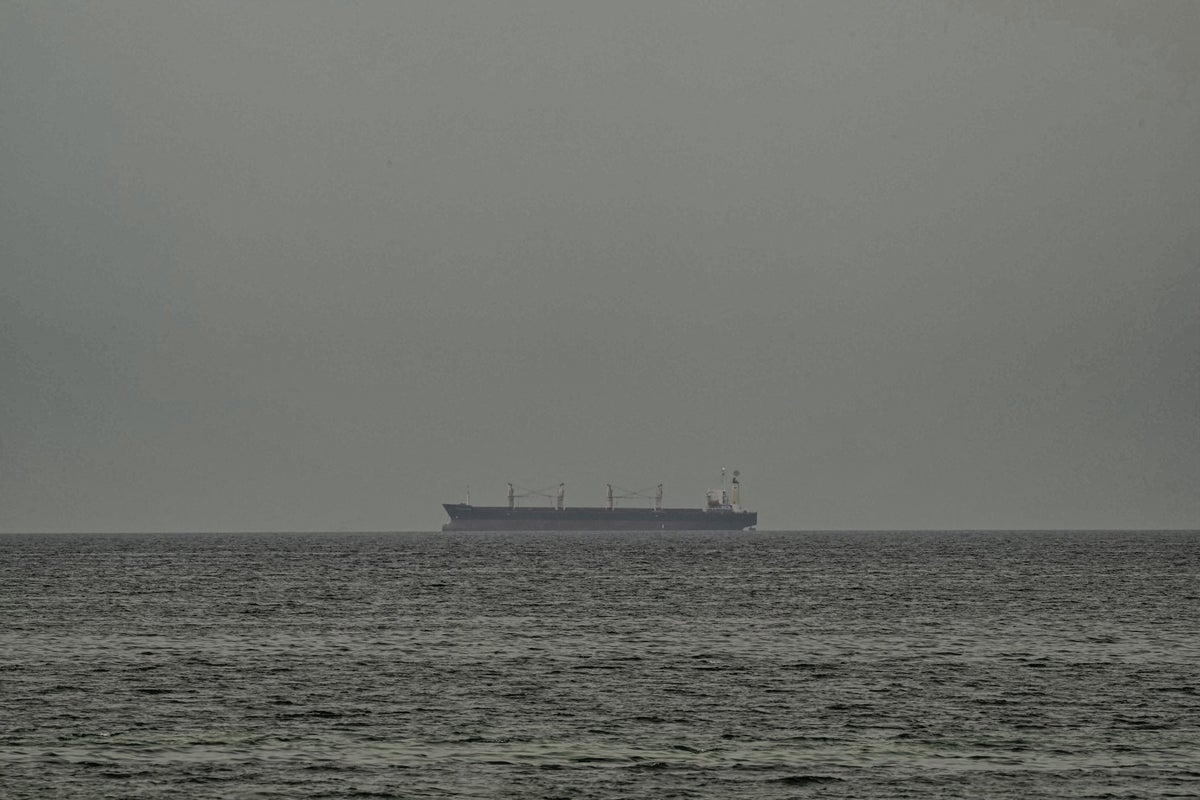
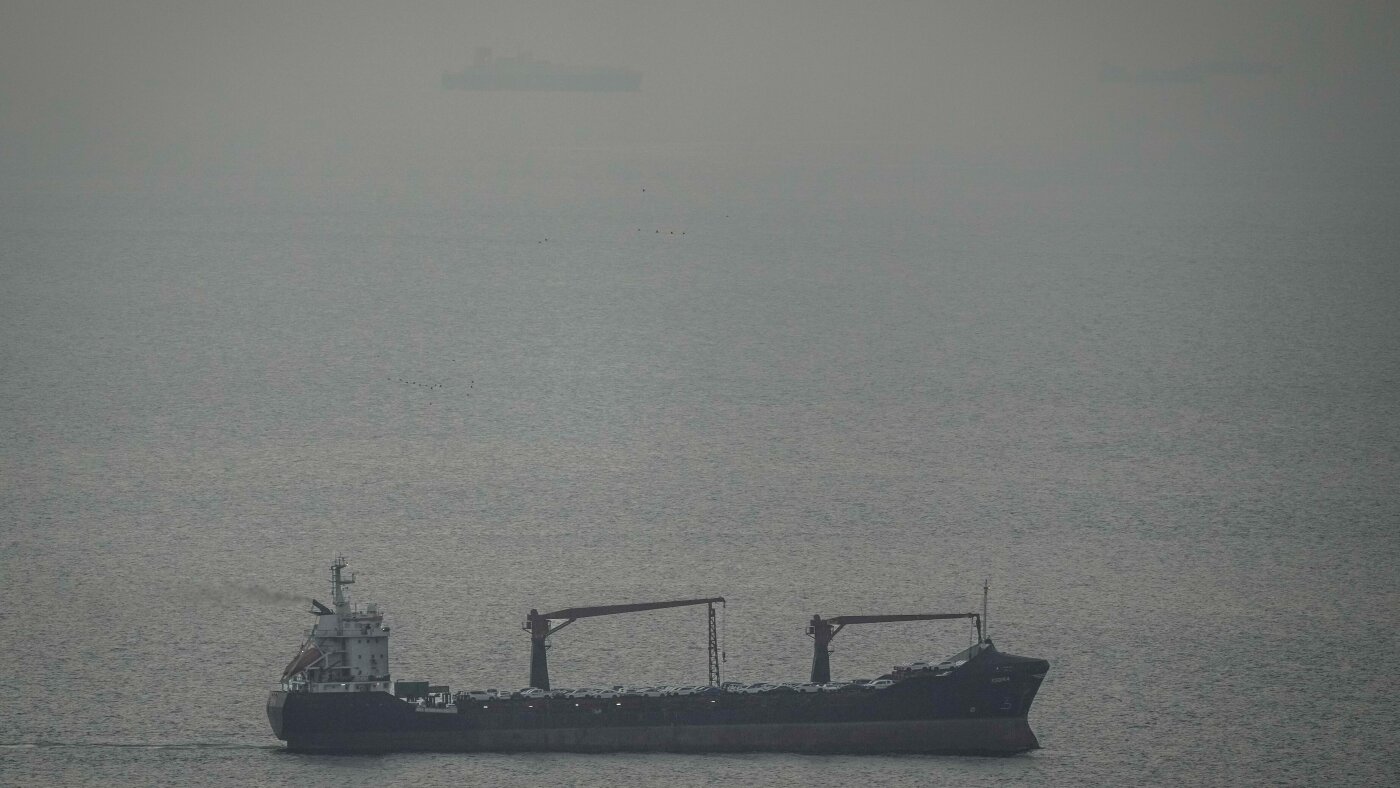
The sun casts a golden hue over a tanker anchored in the Strait of Hormuz, a crucial maritime route, as tensions rise once more. On Saturday, Iran announced the closure of this vital waterway, citing ongoing U.S. blockades of its ports as the catalyst for its decision.
Mohammed Bagher Qalibaf, Iran's parliamentary speaker and chief negotiator, made a bold statement on state television: "It is impossible for others to pass through the Strait of Hormuz while we cannot." This declaration underscores Iran's determination to assert control over the strait, which sees about 20% of global oil and gas traffic.
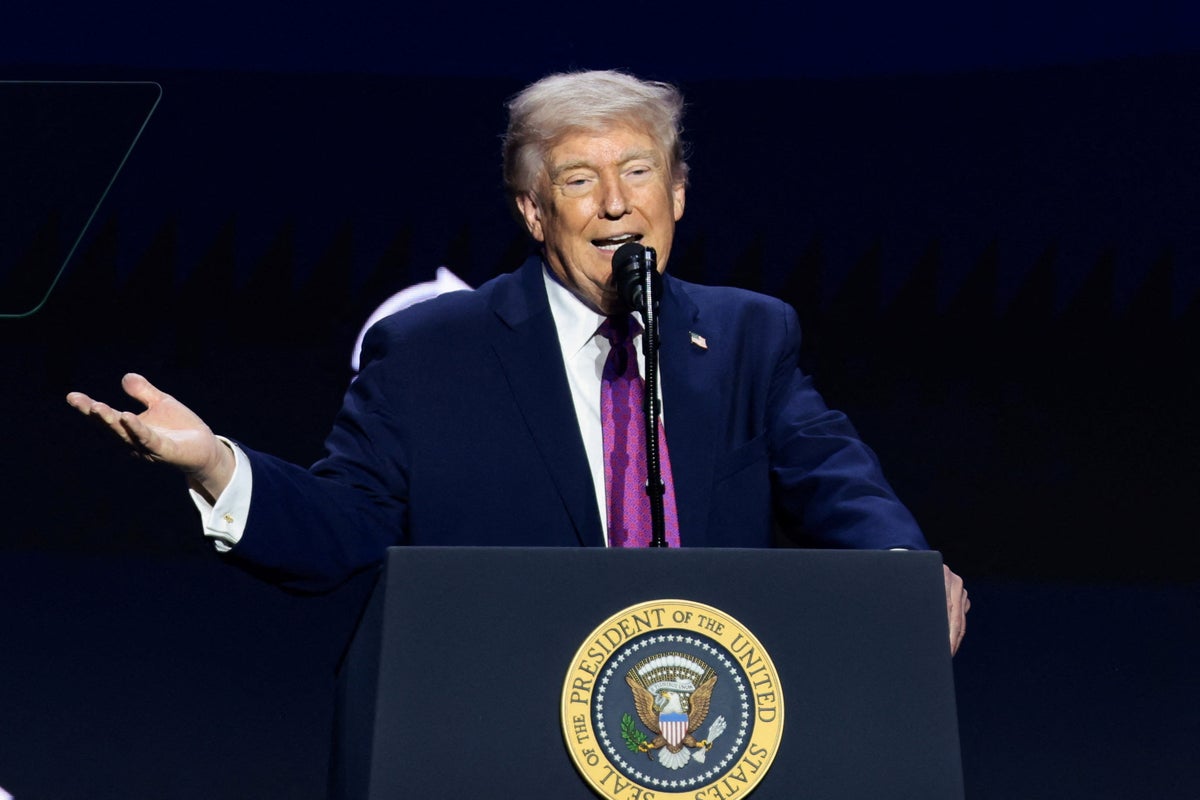
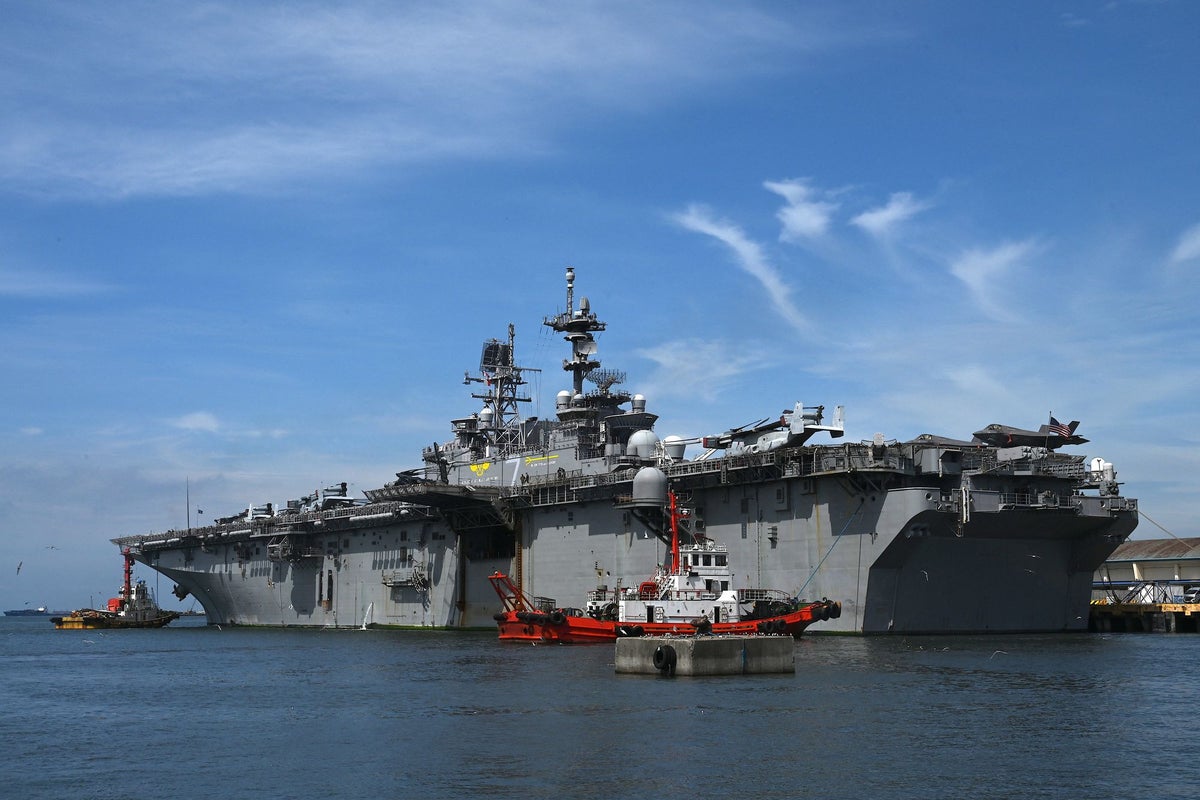
In a stark response, the U.S. military reported on social media that it had compelled 23 vessels to turn back as part of its enforcement of the blockade. The situation escalated further when President Trump took to Truth Social, declaring, "Iran decided to fire bullets yesterday in the Strait of Hormuz — A Total Violation of our Ceasefire Agreement!"
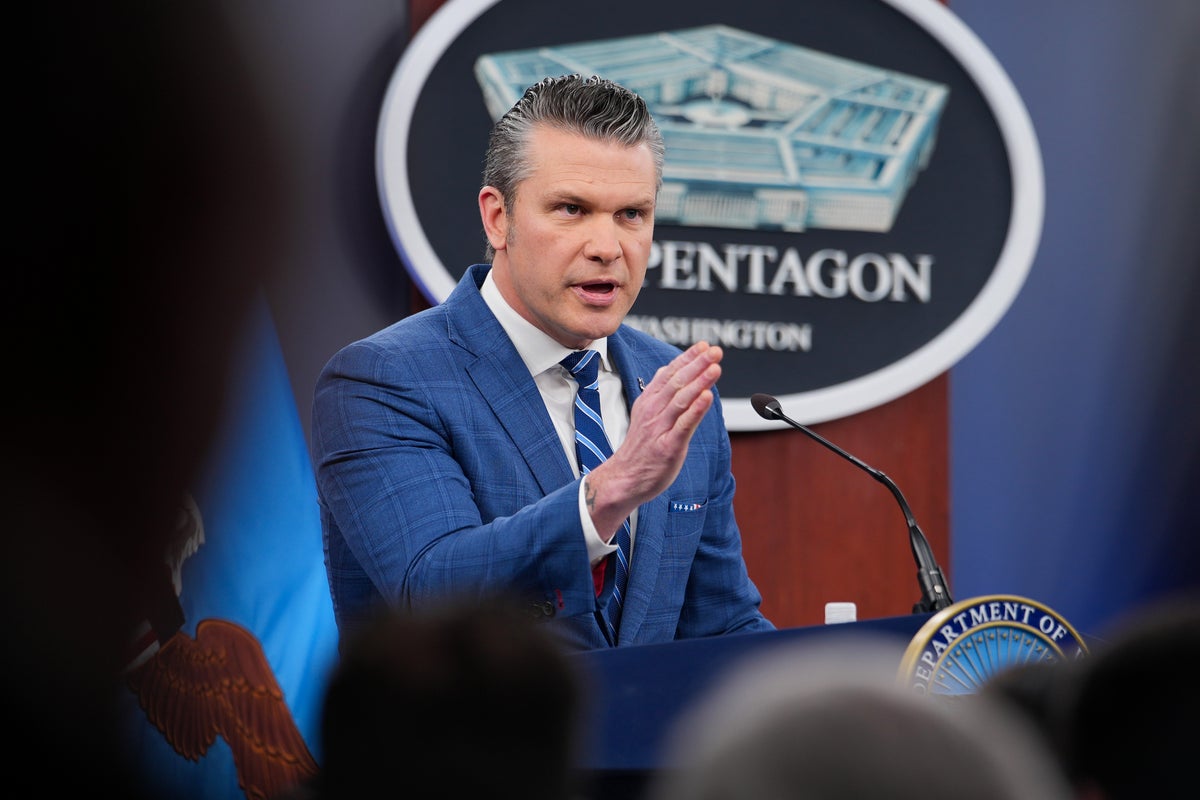
Trump lauded the blockade's impact on Iran's economy, claiming it costs the nation "$500 Million Dollars a day," while asserting that the U.S. faces no losses. He announced that his representatives would engage in negotiations in Pakistan on Monday evening, emphasizing, "We're offering a very fair and reasonable DEAL." However, he warned that failure to accept could lead to severe consequences for Iran: "the United States is going to knock out every single Power Plant, and every single Bridge, in Iran. NO MORE MR. NICE GUY!"

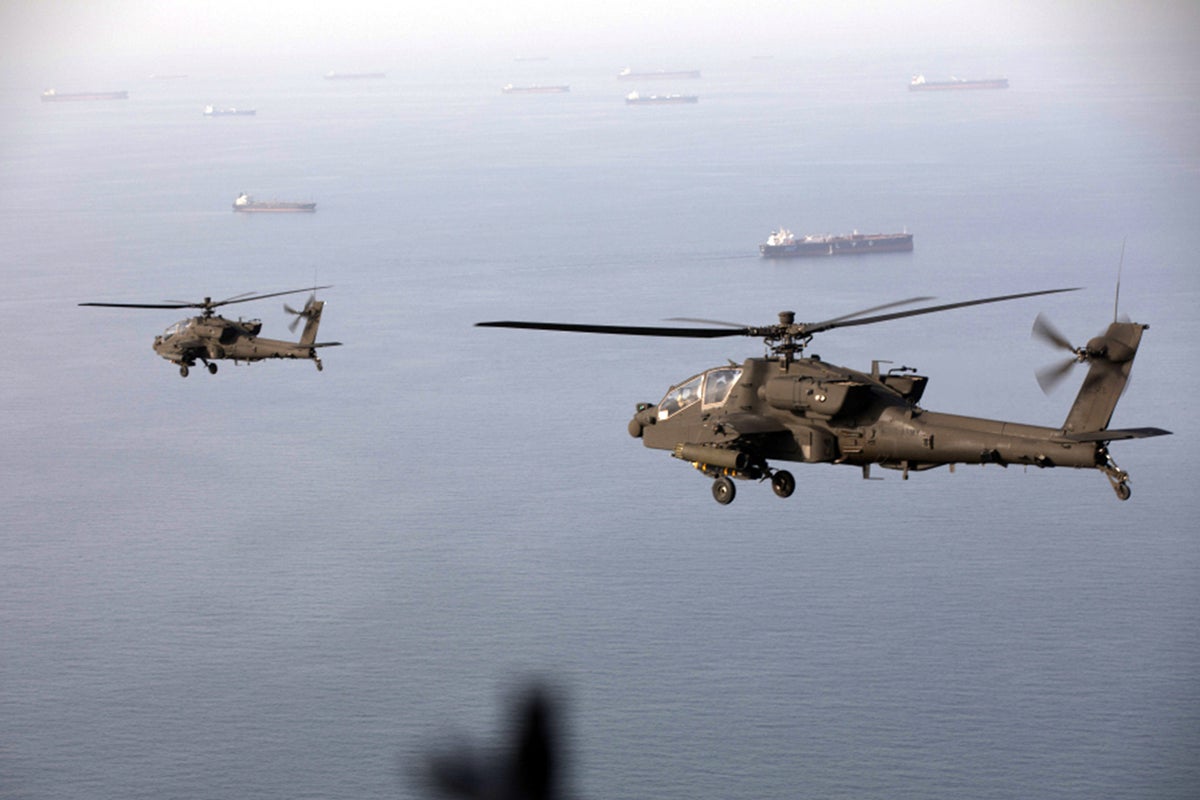
As the ceasefire with Iran approaches its expiration on Wednesday, uncertainty looms. Trump hinted at a potential return to military action, stating that the U.S. might "have to start dropping bombs again," yet he also expressed hope for a diplomatic resolution.
In related developments, India's foreign ministry summoned Iran's ambassador following a shooting incident involving two Indian-flagged vessels in the Strait of Hormuz. India condemned the firing on merchant ships and urged Iran to ensure safe passage for its vessels.
Reports from the UK's Maritime Trade Operations Centre indicated that Iranian revolutionary guard gunboats fired upon a tanker during the brief reopening of the strait. The nationality of the targeted tanker remains unclear.
Since the onset of hostilities in late February, over 20,000 seafarers have found themselves stranded on hundreds of ships in the Gulf. The Iranian National Security Council reiterated its commitment to controlling traffic through the Strait of Hormuz until lasting peace is achieved.

Meanwhile, the fragile ceasefire between Israel and Lebanon continues to be tested. A French peacekeeper and two Israeli soldiers lost their lives over the weekend in southern Lebanon, with President Macron confirming that French peacekeeper Florian Montorio was killed by fire attributed to Hezbollah, which denied responsibility.
The Israeli military reported casualties among its ranks as well, with Sgt Maj Barak Kalfon killed by an explosive device and additional soldiers injured in separate incidents.
Public sentiment in Israel appears to lean against the ceasefire, with many believing their military was making headway against Hezbollah. The Israel Defense Forces claimed significant losses inflicted on Hezbollah operatives prior to the ceasefire.
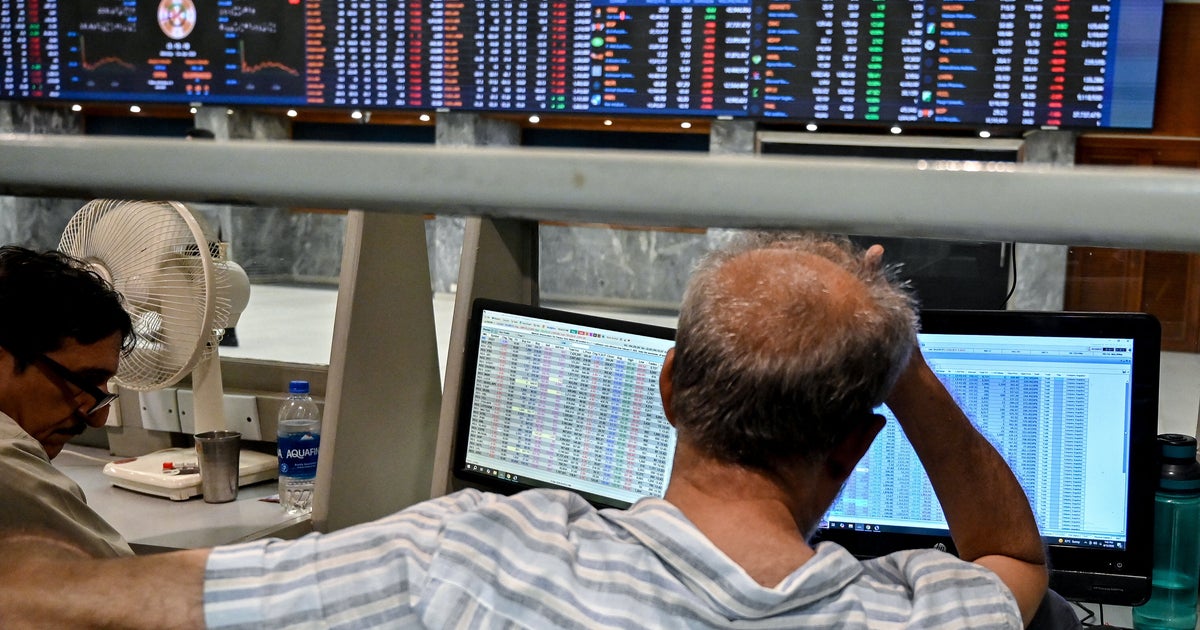
As for U.S.-Iran negotiations, no official dates have been confirmed for another round of talks, but indications suggest that Islamabad is preparing to host them once again. The White House hinted at a likely return to Pakistan after previous discussions faltered.

Residents of Islamabad are speculating about the timing of these talks as local authorities have denied reports of restrictions on commercial activities. However, public transport has been suspended indefinitely, hinting at preparations for high-level discussions.
Additionally, movement restrictions in Islamabad's Red Zone—a high-security area housing government buildings—further suggest that diplomatic efforts are intensifying. Pakistan continues to mediate between the two nations, with Army Chief Asim Munir recently visiting Iran as part of these efforts.