


US Imposes Blockade on Iranian Ports Following Failed Diplomatic Efforts
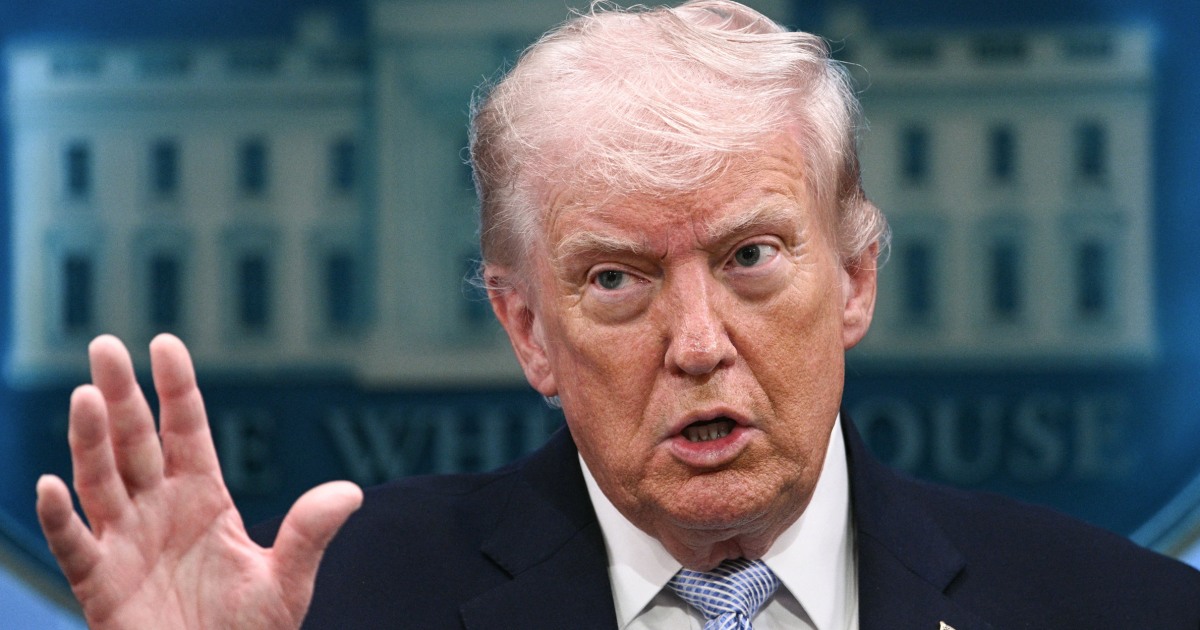
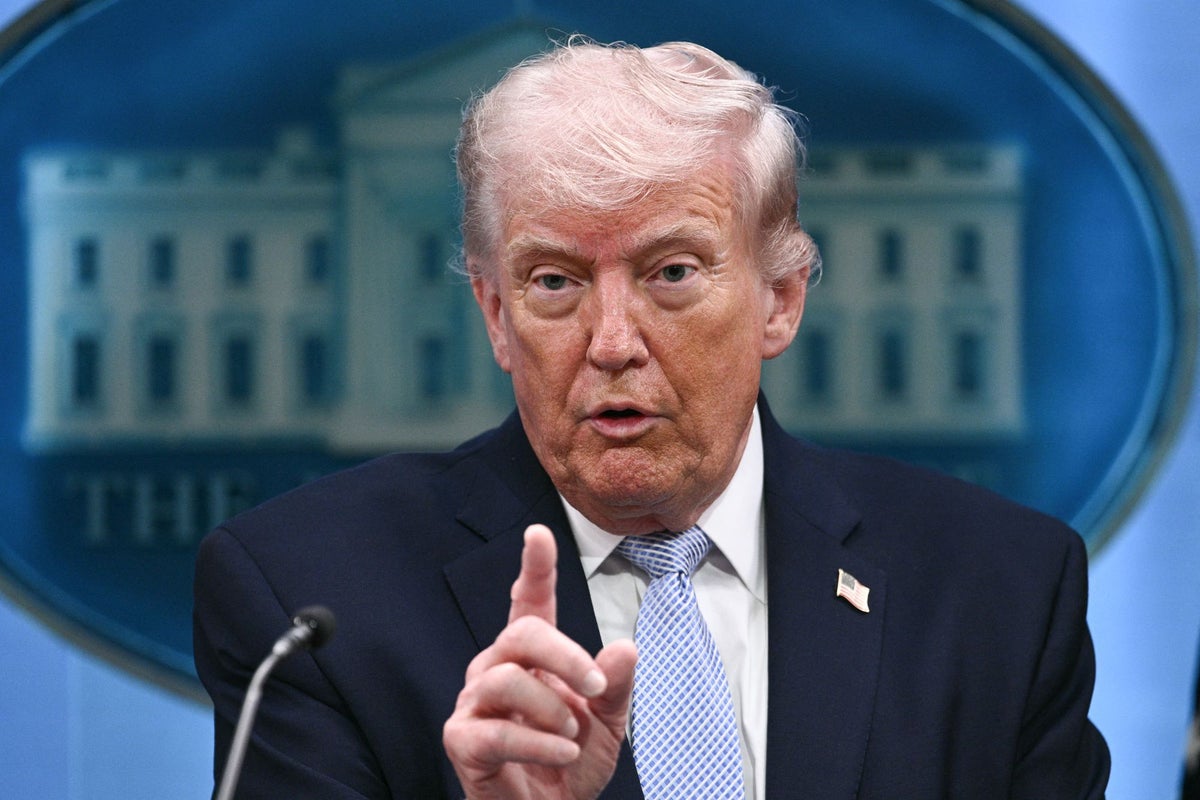
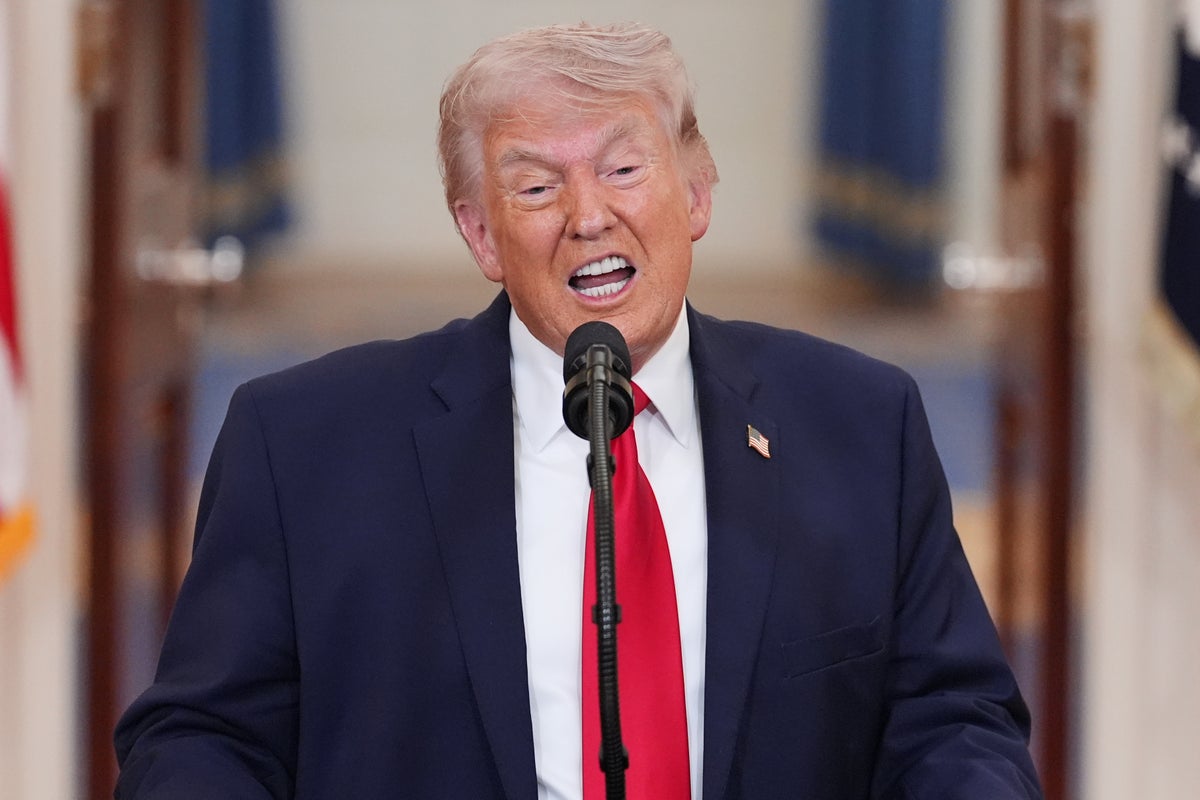
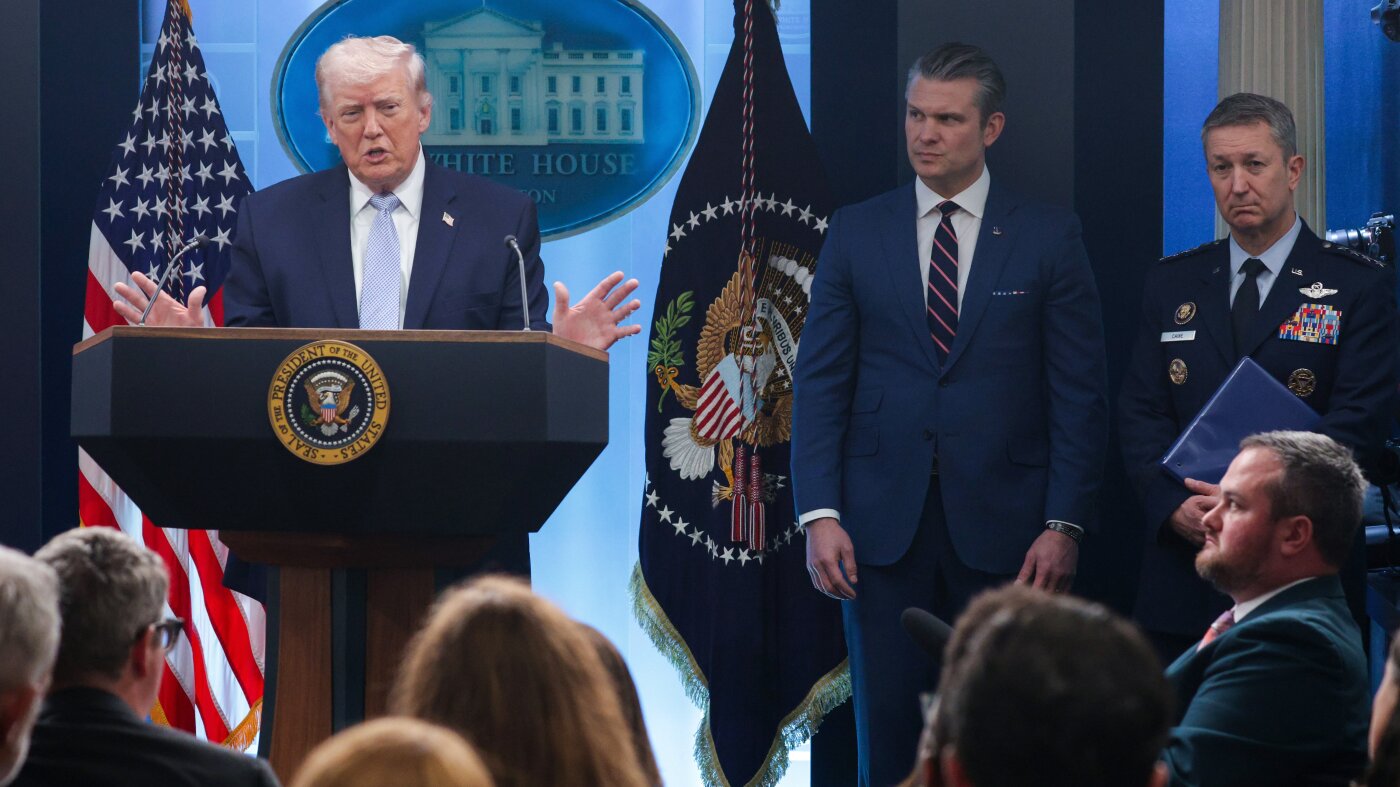
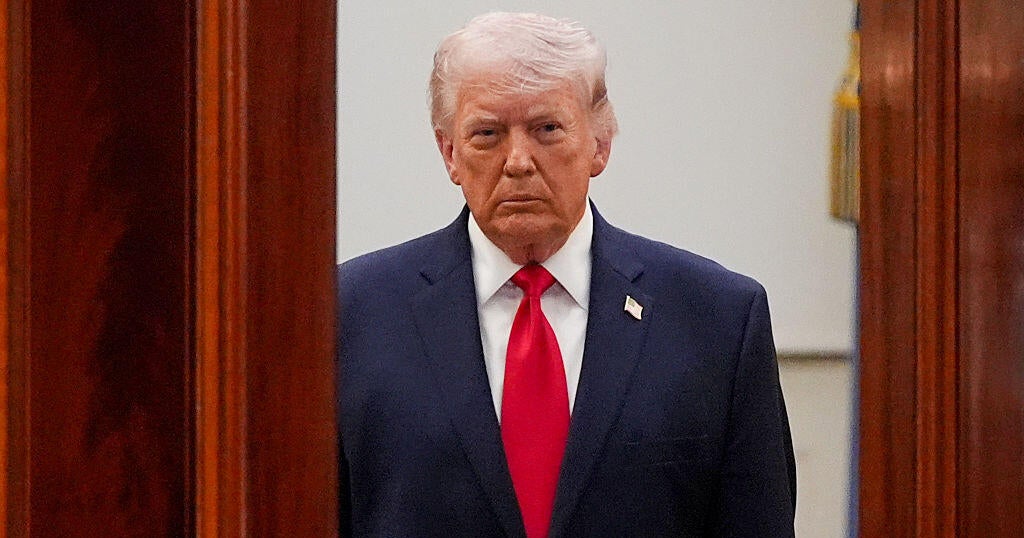
The US has initiated a blockade affecting all maritime traffic to and from Iranian ports, issuing a stark warning that “all vessels” face the risk of interception and capture. This action commenced at 2 PM UTC, coinciding with President Trump's emphatic declaration on Truth Social: “If any of these ships come anywhere close to our BLOCKADE, they will be immediately ELIMINATED.”
Earlier on Monday, US Central Command (Centcom) announced its intention to enforce a blockade in the Gulf of Oman and Arabian Sea, specifically east of the Strait of Hormuz. This blockade applies indiscriminately to all vessels, irrespective of their flags. A communication directed at seafarers cautioned that any ship entering or leaving the designated area without authorization would be “subject to interception, diversion and capture.” However, it clarified that neutral transit through the Strait of Hormuz to non-Iranian destinations would remain unaffected.
Centcom further specified that the blockade would cover “the entirety of the Iranian coastline,” including ports and oil terminals. Humanitarian shipments, such as food and medical supplies, would be allowed but would require inspection. Meanwhile, NATO and other US allies, including the UK, have opted not to participate in the blockade.
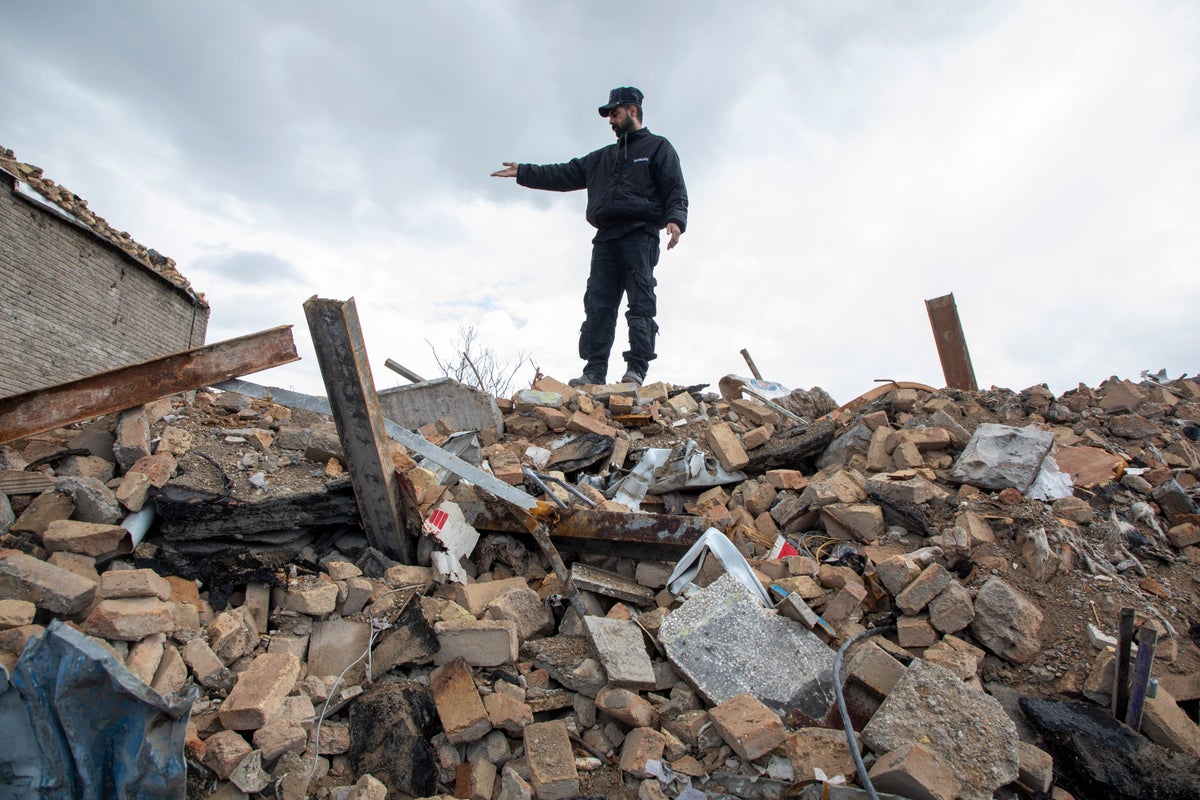
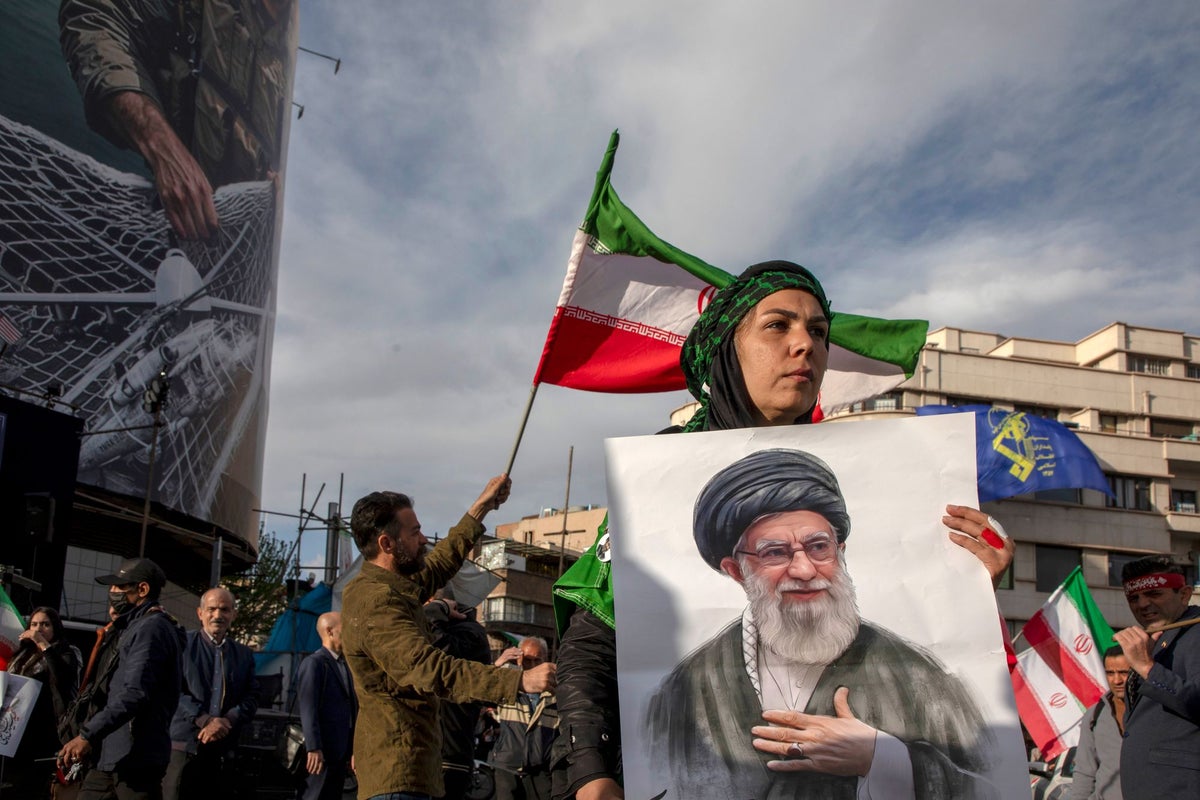
In response, an Iranian military spokesperson asserted that Tehran would establish a “permanent mechanism” to oversee the Strait, condemning Washington’s actions as illegal and tantamount to piracy. The spokesperson warned that no port in the Gulf or Gulf of Oman would be safe if Iranian ports were under threat.
The UK Maritime Trade Operations agency confirmed that access restrictions began at 14:00 UTC on Monday, affecting Iranian ports and coastal areas along the Gulf, Gulf of Oman, and Strait of Hormuz. These restrictions apply universally to vessels engaging with Iranian facilities.
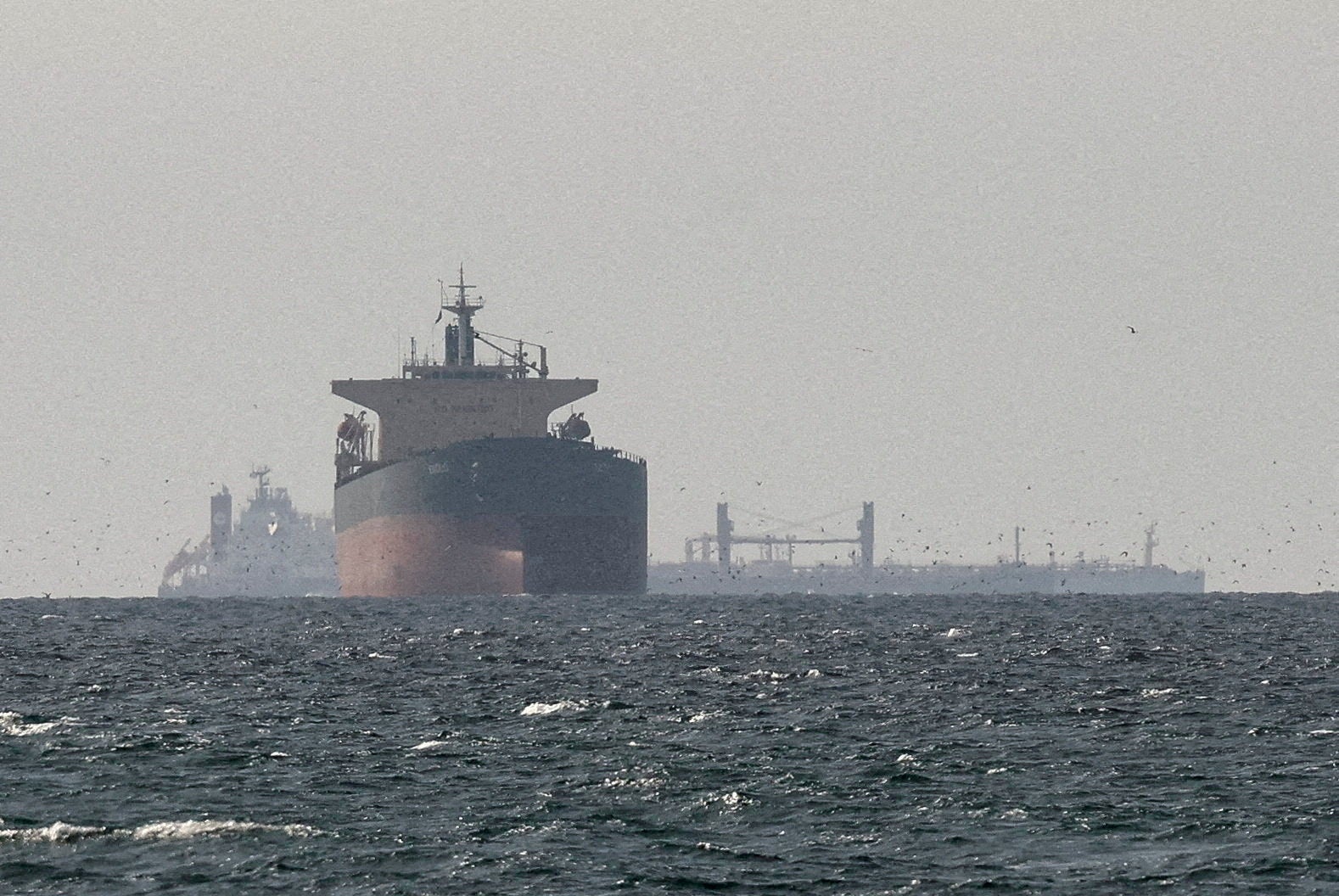
Following reports that Iran had been charging vessels up to $2 million for passage through the strait, President Trump reiterated on Sunday that the US Navy would “interdict” any ship that paid such tolls. “No one who pays an illegal toll will have safe passage on the high seas,” he stated.
This blockade is anticipated to drive oil prices back up after a recent decline following last week’s ceasefire announcement. In a statement to the House of Commons shortly after the blockade's initiation, Sir Kier Starmer highlighted the implications for energy prices, noting, “The Strait of Hormuz is a chokepoint for oil and gas getting to the international market.” He emphasized that rising costs are reflected in household bills and called for accelerated efforts toward energy independence.
On Monday, French President Emmanuel Macron announced via X that France and Britain would convene talks this week aimed at establishing a “peaceful multinational mission” to restore “freedom of navigation in the strait.”
Similar sentiments were echoed by Qatari Foreign Minister Sheikh Mohammed bin Abdulrahman Al Thani during a conversation with his Iranian counterpart, Abbas Araghchi. Al Thani stressed the importance of reopening maritime routes and ensuring freedom of navigation without using them as leverage.
The latest developments follow unsuccessful weekend negotiations between Iran and the US in Islamabad. Vice President JD Vance, leading Washington’s delegation, remarked on Sunday, “We just could not get to a situation where the Iranians were willing to accept our terms.” Tehran characterized the discussions as fraught with “mistrust and suspicion.”
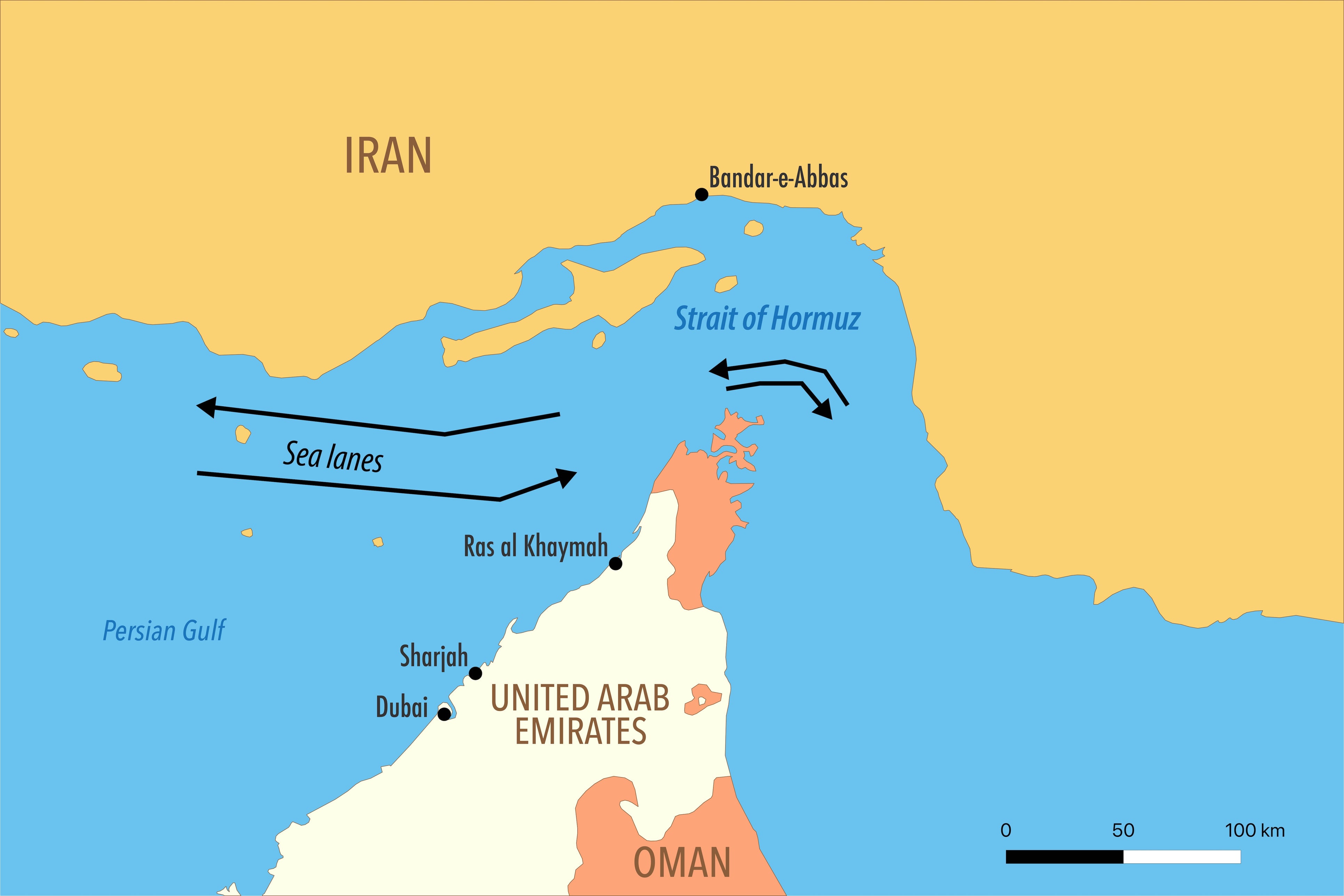
These talks represented the highest-level engagement between the US and Iran since the 1979 Islamic Revolution, yet neither side indicated any willingness for future dialogue. Key sticking points include the US demand for Iran to immediately reopen the Strait of Hormuz and relinquish its uranium enrichment capabilities—demands that Tehran firmly rejects.
More follows on this breaking story....