


Iran Dismisses Temporary Ceasefire Amid New Diplomatic Proposal
Iran's leadership has firmly stated that the Strait of Hormuz will remain closed, rejecting a proposal for a temporary ceasefire. This declaration came from a senior official on Monday, following a new diplomatic initiative aimed at resolving the ongoing conflict.
According to an unnamed source, Iran is currently evaluating a plan for an immediate cessation of hostilities, which was presented by Pakistan as mediators ahead of a looming deadline set by Donald Trump for military action against energy infrastructure.
Despite the proposal, Tehran remains skeptical about Washington's commitment to a lasting ceasefire. The official indicated that Iran will not yield to pressure or deadlines imposed by external parties.
Esmaeil Baghaei, spokesperson for Iran’s foreign ministry, articulated that Iran has clearly defined its positions in response to the proposals. He emphasized that negotiations cannot coexist with ultimatums or threats of war crimes.
"Iran does not hesitate to clearly express what it considers its legitimate demands," Baghaei stated during a press conference, asserting that this should not be misconstrued as a willingness to compromise but rather as confidence in its negotiating stance.
Baghaei also mentioned that Iran would disclose its formal response at an appropriate time.
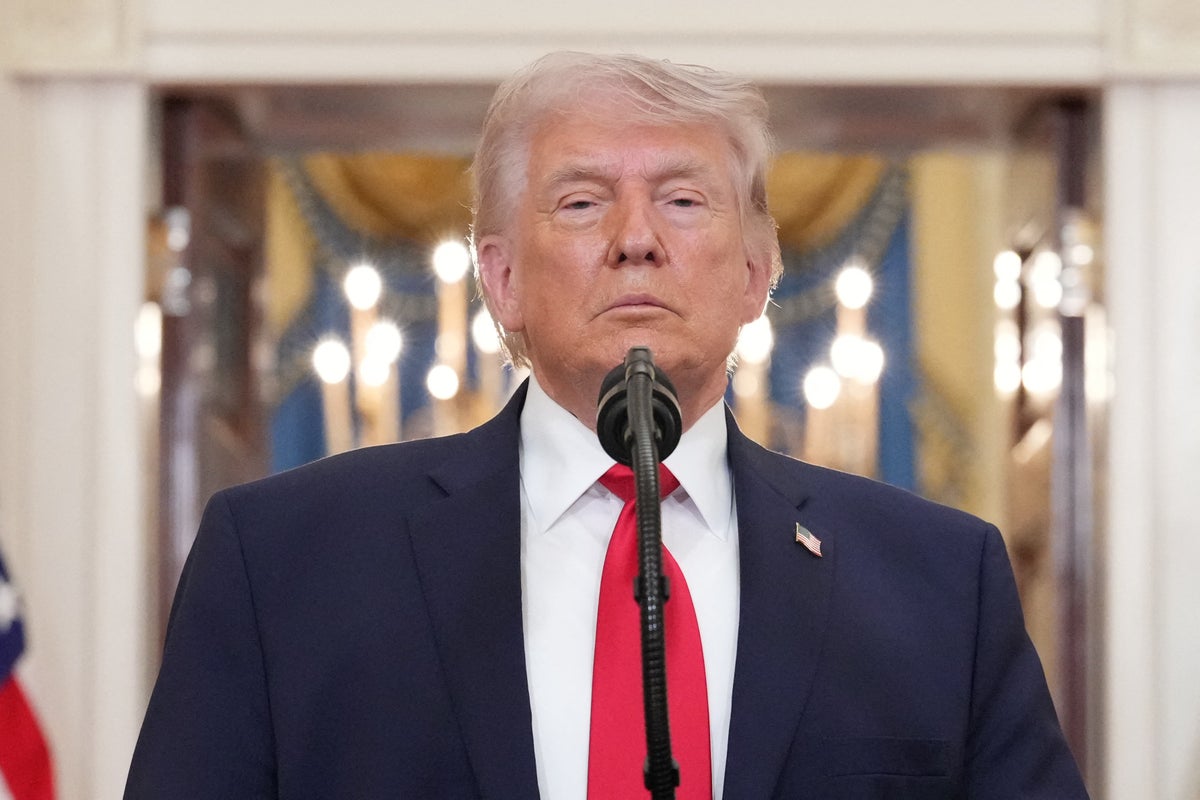
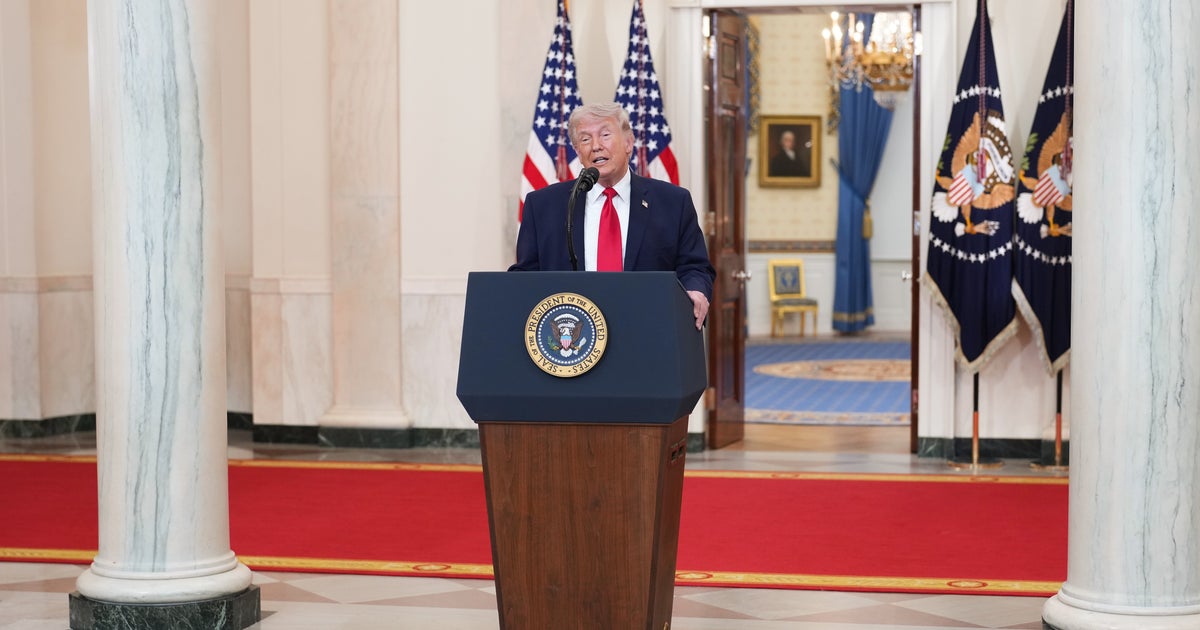
In a striking social media post, Trump urged Iran to "open the F***in’ Strait" or face severe consequences, while maintaining that discussions with Tehran were still active.
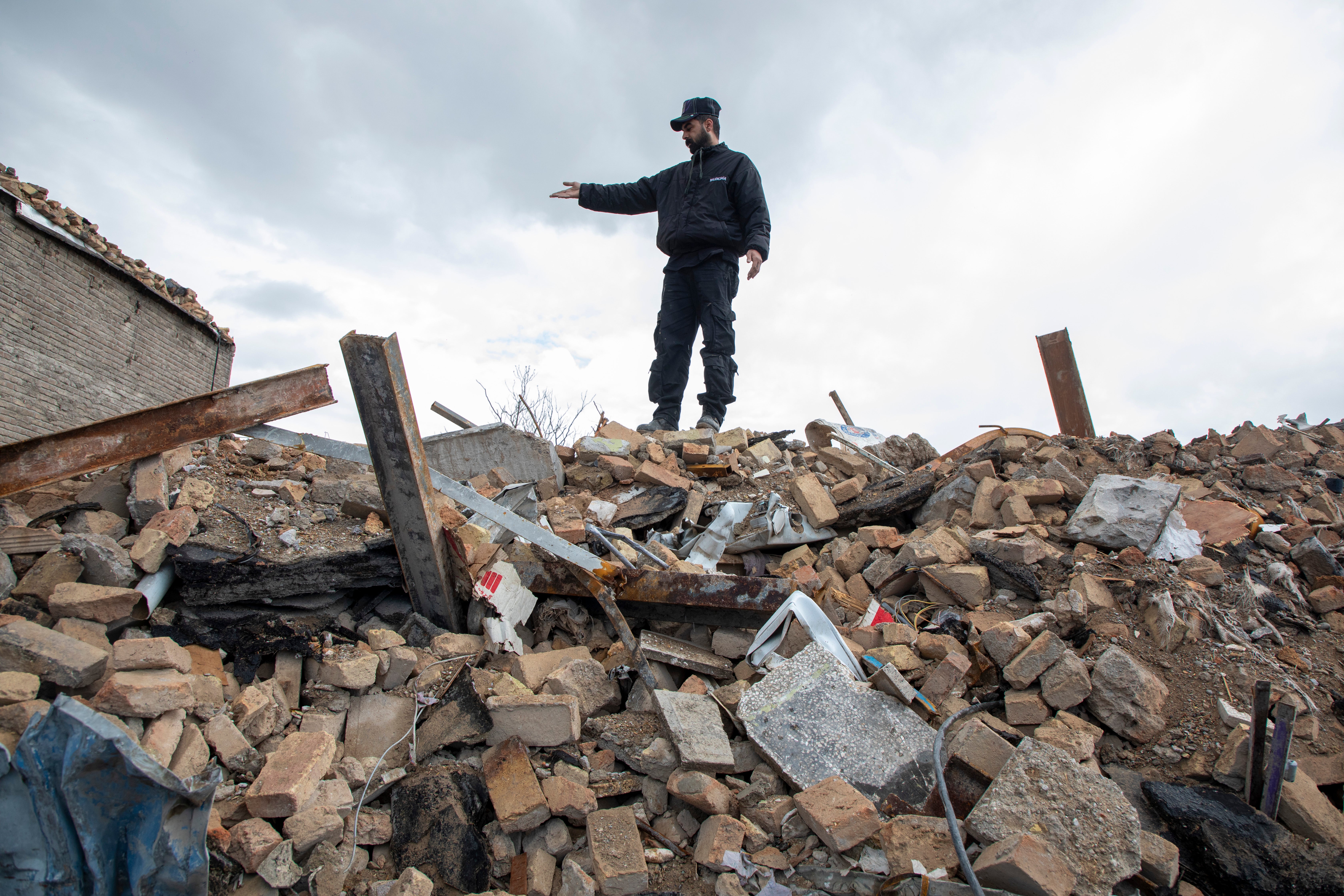
The original 10-day ultimatum from Trump was set to expire on Monday, but he later extended it to 8 PM ET on Tuesday, indicating ongoing negotiations.
A diplomatic source revealed that both Iran and the U.S. have received a 'two-tier proposal' aimed at ending the conflict, which encompasses both a ceasefire and a more comprehensive plan for peace.
This framework, reportedly crafted by Pakistan, was exchanged with both nations overnight. "All elements need to be agreed today," the source noted, explaining that the initial agreement would be formalized through Pakistan, which serves as the primary communication channel in these discussions.
The proposed deal, referred to as the "Islamabad Accord," includes provisions for an immediate ceasefire and the reopening of the Strait of Hormuz, with a timeline of 15–20 days allocated for finalizing a broader settlement.
Field Marshal Asim Munir, Pakistan’s army chief, has been actively engaged in discussions, reportedly holding multiple calls throughout the night with U.S. special envoy Steve Witkoff and Iran's foreign minister Abbas Araghchi.
The final agreement is expected to involve Iran halting its nuclear weapons development, receiving sanctions relief, and accessing frozen assets.
Sources familiar with the negotiations indicated that discussions are underway for a 45-day ceasefire that could pave the way for a more permanent resolution.
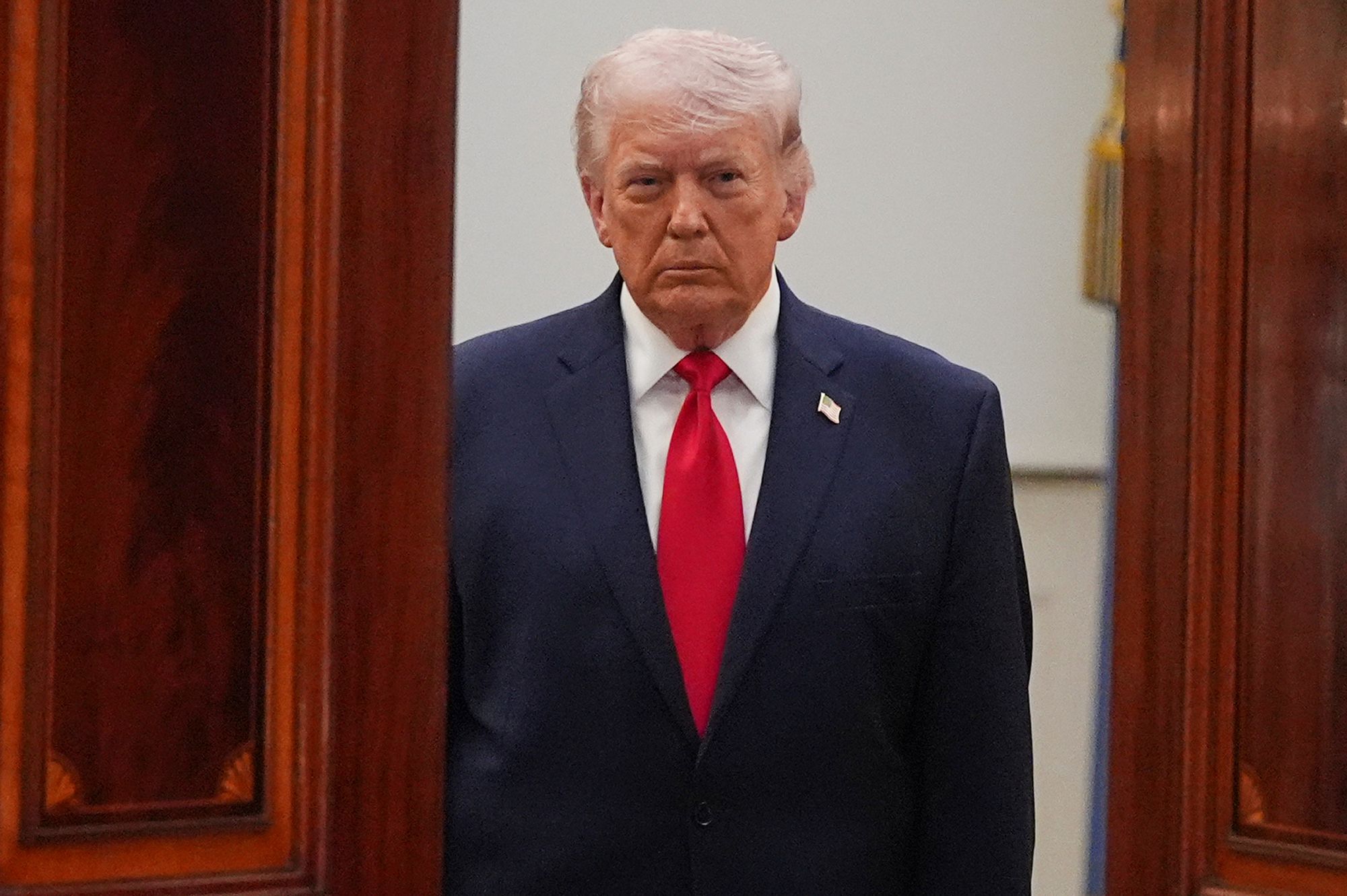
Trump expressed optimism about the negotiations, suggesting there is a "good chance" of reaching an agreement. However, he warned, “If they don't make a deal, I am blowing up everything over there.”
Amnesty International has raised alarms regarding potential war crimes associated with attacks on civilian infrastructure. They highlighted that targeting power plants could lead to disproportionate harm to civilians and violate international humanitarian law.
“Even if they qualify as military targets, attacking power plants would be unlawful if it causes excessive civilian harm,” stated Erika Guevara-Rosas, Senior Director of Research at Amnesty International.
She further emphasized that such actions could amount to war crimes given their critical role in sustaining the basic needs of millions of civilians.