



U.S. Military Obliterates Drug Boat, Two Dead, Six Left to Drown in Eastern Pacific
The U.S. military executed a strike on a boat accused of drug smuggling in the eastern Pacific Ocean, killing two individuals and leaving six survivors. This marks yet another violent episode in an ongoing campaign against alleged traffickers in Latin America.
With this latest attack, the total number of strikes has surpassed 60, resulting in over 210 fatalities since the Trump administration initiated its aggressive targeting of so-called “narcoterrorists” in early September.
Details remain murky regarding the fate of the survivors from this strike. In a previous incident on June 16, two survivors were reported, but the U.S. Coast Guard suspended their search for them a day later, citing “no signs of survivors or debris.” They have not commented on the current situation.
U.S. Southern Command stated that the military targeted alleged drug traffickers along established smuggling routes, yet no evidence was provided to confirm that the vessel was transporting drugs at the time of the strike.
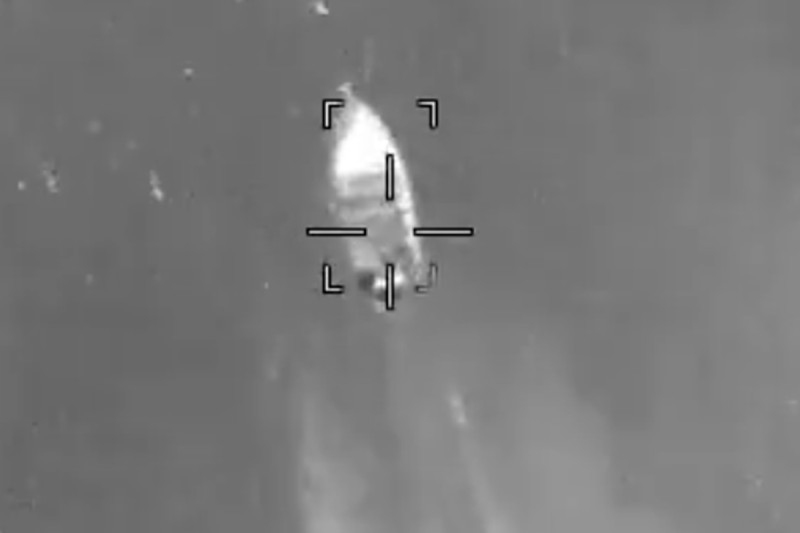
A black-and-white video surfaced showing a boat speeding before being hit by a projectile, igniting into flames upon impact.
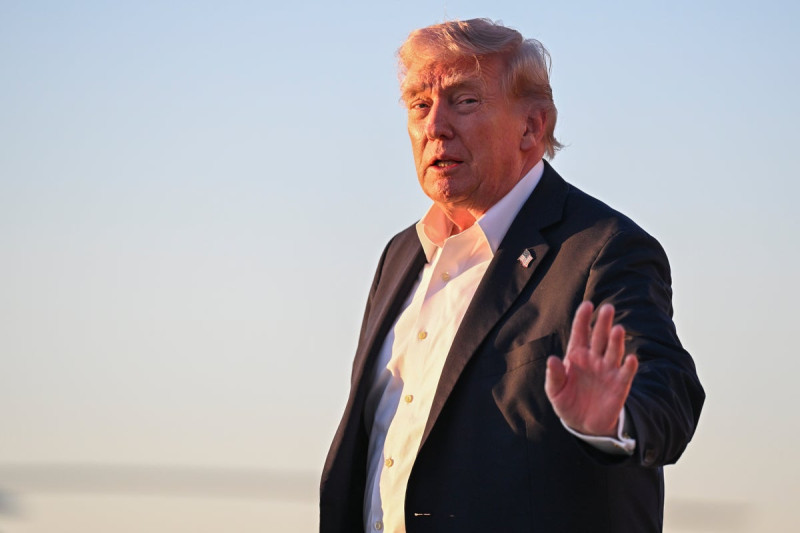
President Donald Trump declared that the U.S. is engaged in “armed conflict” with cartels in Latin America, justifying these strikes as necessary to combat the influx of drugs into the United States and the resulting fatal overdoses. However, his administration has failed to substantiate claims regarding the elimination of “narcoterrorists.”
Critics have raised serious concerns about the legality and effectiveness of these strikes. They argue that fentanyl, responsible for many overdose deaths in the U.S., is primarily trafficked over land from Mexico, where it is synthesized using chemicals imported from China and India.
On Thursday, U.S. lawmakers demanded the Pentagon release “unedited video” from the initial strike after reports emerged that a follow-up strike targeted survivors of the first attack.
In that earlier incident, two men survived an attack that killed nine others, clinging to wreckage when they were struck again, resulting in their deaths. The White House confirmed this follow-up strike, claiming it was executed “in self-defense” to ensure complete destruction of the vessel and complied with laws of armed conflict.
Legal scholars have contested that a second strike killing survivors would be illegal under any circumstances, regardless of armed conflict status.
The Pentagon’s watchdog announced plans in May to investigate whether established targeting protocols were followed during these strikes. However, this evaluation will focus solely on the six-phase Joint Targeting Cycle and will not address the legality of the strikes themselves.