


U.S. Military's Open Spy Flight Tracking Near Cuba: A Provocative Message to Havana
The U.S. military has been brazenly broadcasting the locations of its surveillance flights near Cuba, a tactic analysts claim is a blatant warning to Havana as tensions escalate.
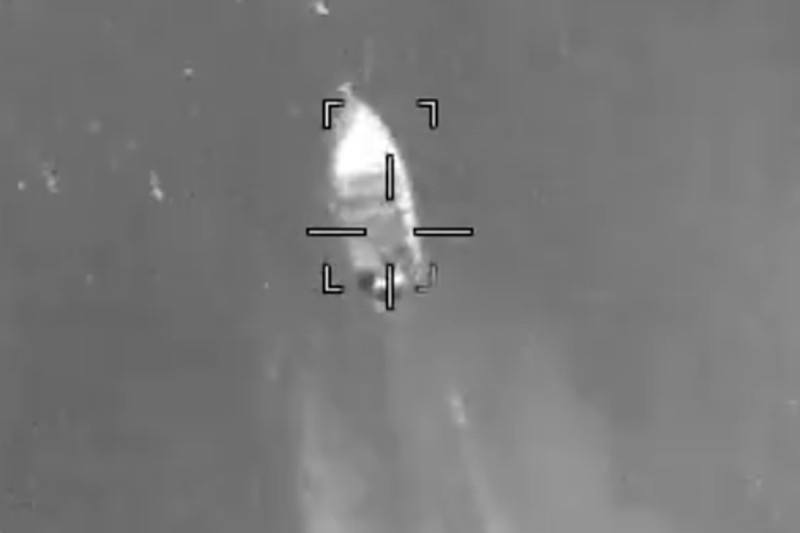
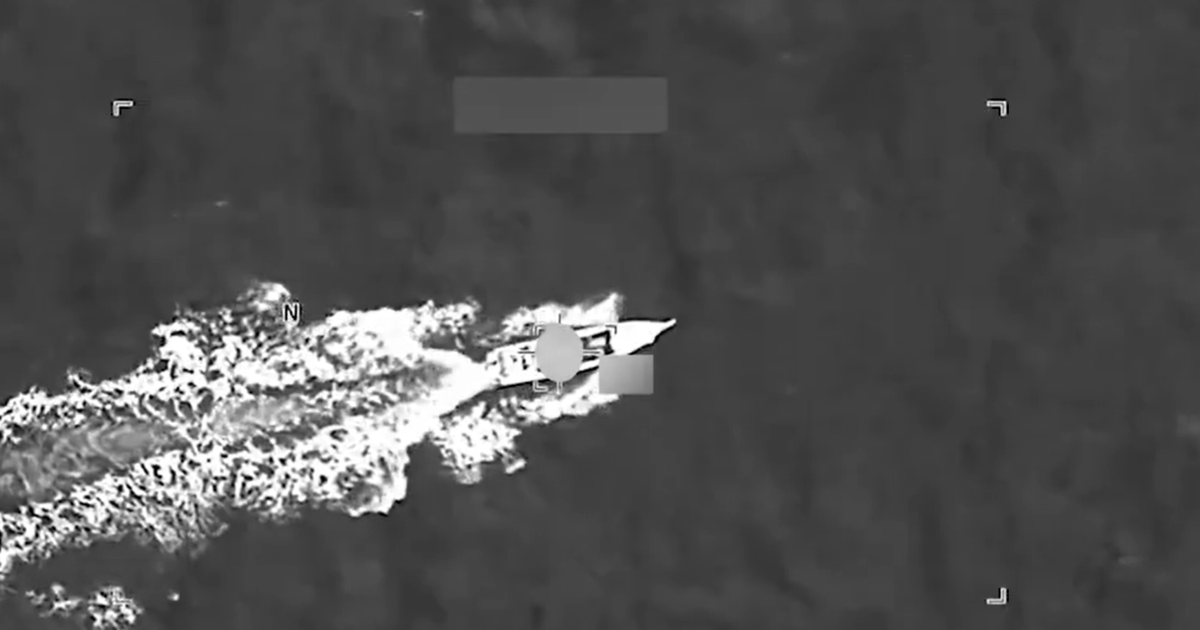
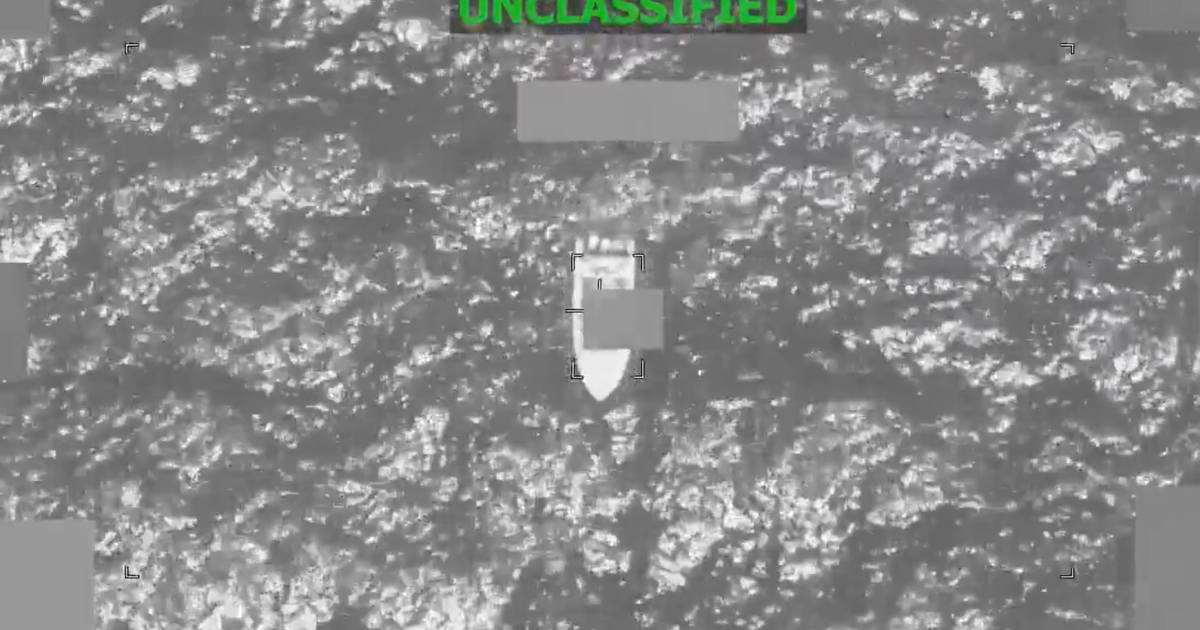
At least five U.S. Navy P-8A Poseidon surveillance aircraft and three MQ-4C Triton drones have been identified operating near Cuba since May 11, with some missions coming alarmingly close—within 50 miles of the island. Experts assert that keeping flight transponders active is likely a calculated decision.
Drone expert Steve Wright stated, "Leaving flight transponders on is likely deliberate," emphasizing that the U.S. is sending a "clear message it has eyes in the sky to maintain the squeeze."
U.S. officials have reported a steady increase in surveillance flights involving P-8 aircraft, RC-135 Rivet Joint spy planes, and MQ-4 drones since February. These operations are part of a broader pressure campaign linked to deteriorating U.S.-Cuba relations, exacerbated by sanctions targeting the island's fuel imports.
Analysts indicate that these operations serve dual purposes: monitoring Cuba and signaling deterrence to allies like Venezuela, Russia, and China.

Retired U.S. Navy intelligence commander José Adán Gutiérrez remarked, "When we prepare for operations, we go invisible. The fact that these flights were made public on purpose basically indicates there is a message."
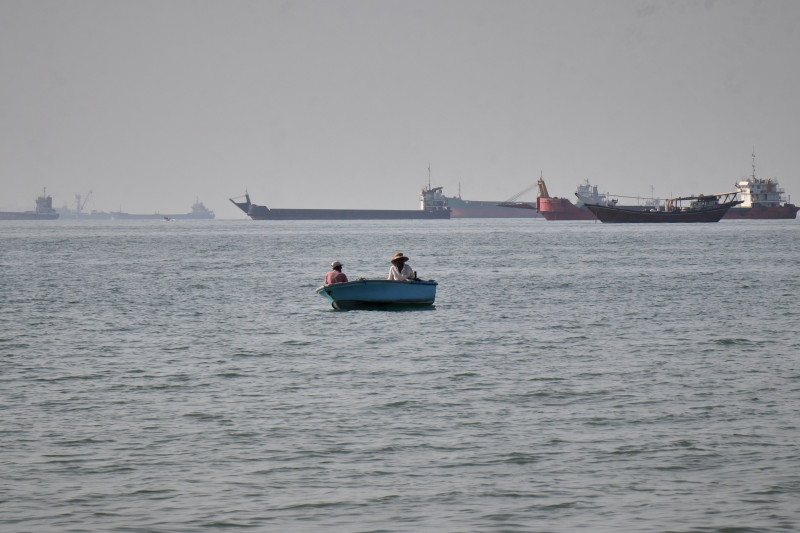
Experts caution that this activity does not necessarily foreshadow imminent military action. Mark Cancian, a former Marine Corps colonel with the Center for Strategic and International Studies, noted that the flights likely focus on monitoring shipping activity near Cuba rather than preparing for an invasion.
Despite this, CBS News reported that the U.S. intelligence community has begun assessing how Cuba might react to potential American military action. Pentagon and Defense Intelligence Agency analysts have started reviewing possible scenarios while tracking a sanctioned Russian oil tanker heading toward Cuba.
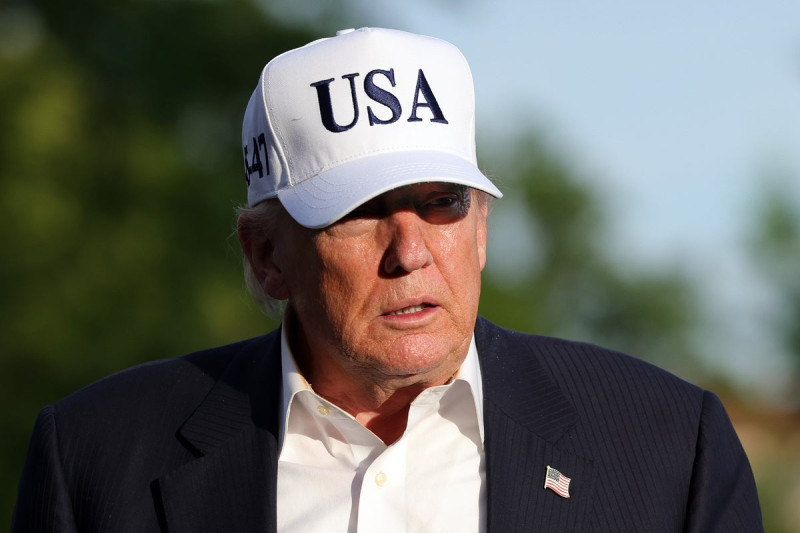
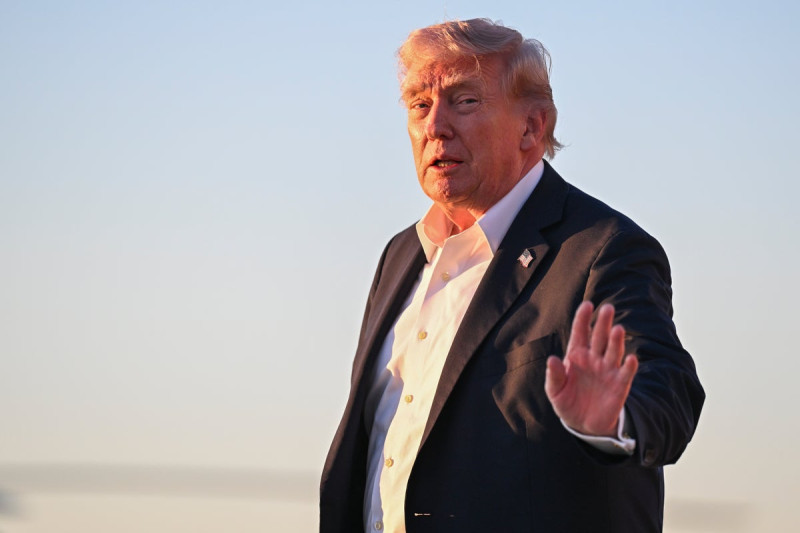
The report also indicated that U.S. officials are developing military options for President Donald Trump, although Trump claimed there "won't be escalation" during a press briefing.
Cuban officials have accused Washington of trying to normalize military aggression threats. Cuban Vice Foreign Minister Carlos Fernández de Cossío characterized the visible military buildup as "a coldly calculated communications strategy."
© 2025 Latin Times. All rights reserved. Do not reproduce without permission.