

High-Stakes Showdown: Ship Seized, Another Sunk as Tensions Ignite Near Strait of Hormuz
In a dramatic escalation of maritime tensions, a vessel anchored off the UAE was hijacked and dragged toward Iranian waters, while another cargo ship met a fiery demise near Oman. This explosive situation unfolded Thursday, sending shockwaves through the already volatile Strait of Hormuz.
Who’s pulling the strings? The culprits remain shrouded in mystery, but the timing is telling. A senior Iranian official reiterated Tehran's iron grip on this crucial waterway, claiming a right to commandeer oil tankers linked to the U.S. The stakes are high; this strait is a lifeline for global oil, with a staggering fifth of the world’s supply passing through before the conflict erupted.
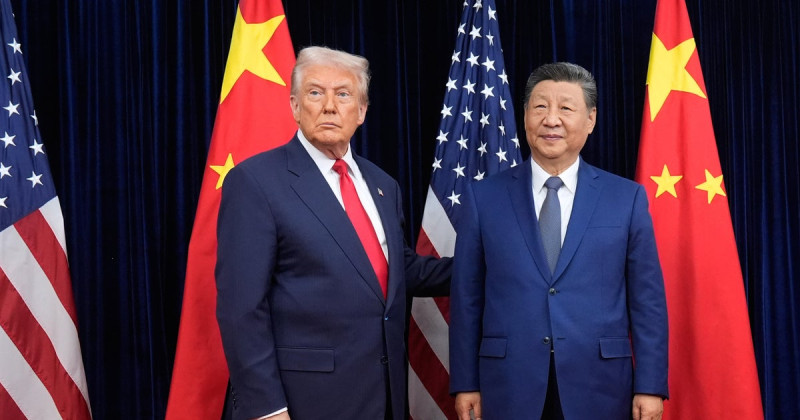
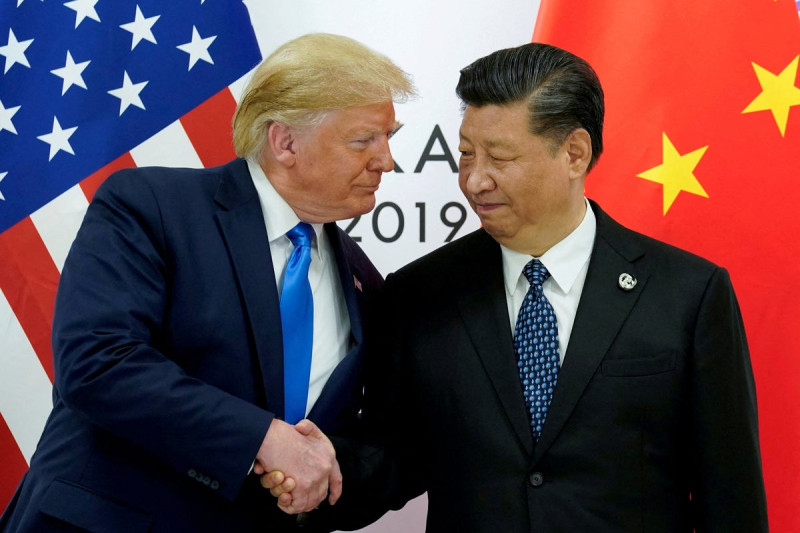
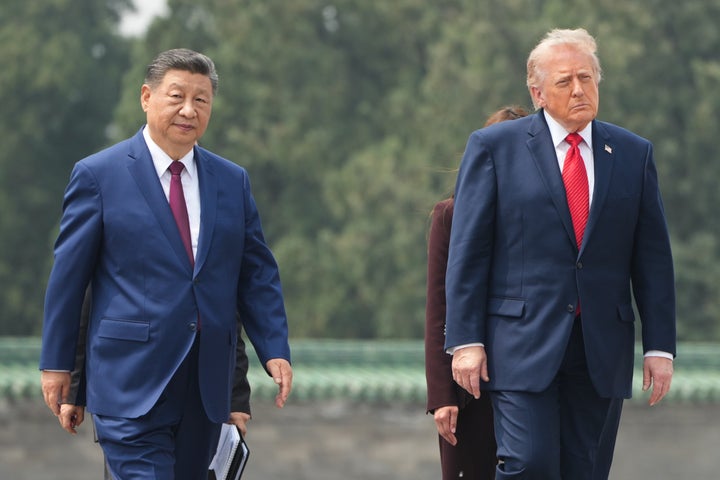
As U.S. President Trump huddled with Chinese leader Xi Jinping in Beijing, the White House emphasized the necessity of keeping the Strait of Hormuz open. Yet, just last week, U.S. forces fired upon Iranian oil tankers attempting to breach their blockade, intensifying the already fraught atmosphere.
The United Kingdom Maritime Trade Operations center reported that the seized ship was taken by unauthorized personnel while anchored 38 nautical miles northeast of Fujairah, a key oil export hub that has faced repeated assaults during the ongoing war with Iran. The British military confirmed the vessel is now heading toward Iranian waters, but details remain scarce.
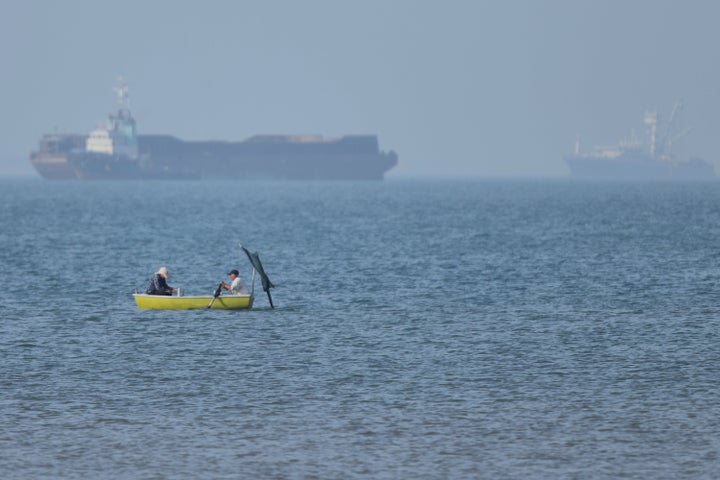
Meanwhile, an Indian-flagged cargo ship, Haji Ali, sank off Oman’s coast after an attack ignited a fire onboard while it was en route from Somalia to Sharjah. Indian officials confirmed that all 14 crew members were rescued by Oman’s coast guard and are safe, but they did not disclose who was behind the attack.
India’s foreign ministry condemned the incident as “unacceptable,” denouncing ongoing assaults on commercial shipping and civilian mariners without naming the aggressors. The region is on edge as Iranian semi-official news outlets reported that Chinese vessels began navigating the strait under new Iranian protocols, following requests from Beijing.
The seizure of the ship coincided with Israeli Prime Minister Netanyahu’s controversial announcement of a clandestine visit to the UAE during the Israeli-U.S. war with Iran—an assertion swiftly denied by UAE officials. The Gulf nation normalized relations with Israel in 2020, but Iran has long criticized this alliance.
Experts suggest Netanyahu’s public revelation was a strategic move to rally support for his beleaguered party ahead of upcoming elections. “It’s amazing... Israel is defending an Arab state against Iran during a war,” said Yoel Guzansky from the Institute of National Security Studies in Tel Aviv. “It shows how complicated the Middle East is.”
The UAE is keen to showcase its cooperation with Israel but is cautious about aligning too closely with Netanyahu’s government due to widespread opposition to Israel’s actions in Gaza.
Iran has laid down five conditions for any further negotiations with the U.S., including reparations for war damages and recognition of its sovereignty over the Strait of Hormuz. The White House is unlikely to accept these demands, which would effectively legitimize Iran's control over a waterway previously open to international traffic.
Iranian Vice President Mohammadreza Aref declared that the strait belongs to Iran “at any price,” asserting its historical claim. Meanwhile, Iran's judiciary spokesperson claimed legal grounds for seizing oil tankers linked to the U.S., accusing Washington of piracy and violations of international maritime law.
Last week, Iran seized several ships, including one identified as Ocean Koi, which was reportedly carrying Iranian oil when intercepted in the Gulf of Oman. The U.S. had sanctioned this tanker as part of a “shadow fleet” transporting Iranian oil.
Despite claims of diminished military capabilities, U.S. officials assert that Iran's rhetoric continues to impact shipping in the strait significantly. “Their voice is very loud,” said Adm. Brad Cooper, underscoring the threats felt by the merchant and insurance industries. He affirmed that while the U.S. possesses military power to secure the strait, policymakers must navigate these sensitive negotiations carefully.